Australian Food Truck Regulations Explained: What You Must Know Before Buying (2026 Guide)
Starting a food truck or trailer business in Australia isn’t just about buying a truck and cooking great burgers.
Before you even make a deposit, you need to understand regulations, compliance, and safety standards. Ignoring them can cost you thousands in fines, delays, or even business closure.
This guide breaks down everything you need to know about food truck regulations in Australia in 2026, including council approvals, FSANZ compliance, gas & electrical rules, and safe operations.
Starting a food truck or trailer business in Australia isn’t just about buying a truck and cooking great burgers.
Before you even make a deposit, you need to understand regulations, compliance, and safety standards. Ignoring them can cost you thousands in fines, delays, or even business closure.
This guide breaks down everything you need to know about food truck regulations in Australia in 2026, including council approvals, FSANZ compliance, gas & electrical rules, and safe operations.
1️⃣ Why Compliance Matters in Australia
Australia has strict food safety and mobile food regulations.
The main reasons compliance is critical:
-
FSANZ Guidelines: All food must be prepared and served safely.
-
Council Approval: Each local council sets rules for mobile food vendors.
-
Insurance Requirements: Liability and vehicle insurance depend on compliant setup.
-
Customer Trust: Non-compliant units can lose customers fast.
Ignoring these regulations can result in:
-
Heavy fines ($2,000–$10,000+)
-
Business shutdown
-
Personal liability
-
Difficulty obtaining event permits
2️⃣ FSANZ Requirements for Mobile Food Businesses
The Food Standards Australia New Zealand (FSANZ) sets rules for hygiene, food handling, and equipment standards.
Key points:
-
Handwashing facilities: Separate basin with hot and cold water
-
Utensil washing: Double sink or equivalent
-
Safe food storage: Fridge / freezer with temperature monitoring
-
Surface requirements: Smooth, washable surfaces
-
Waste management: Proper wastewater disposal
-
Fire safety: LPG and electrical systems must meet safety standards
-
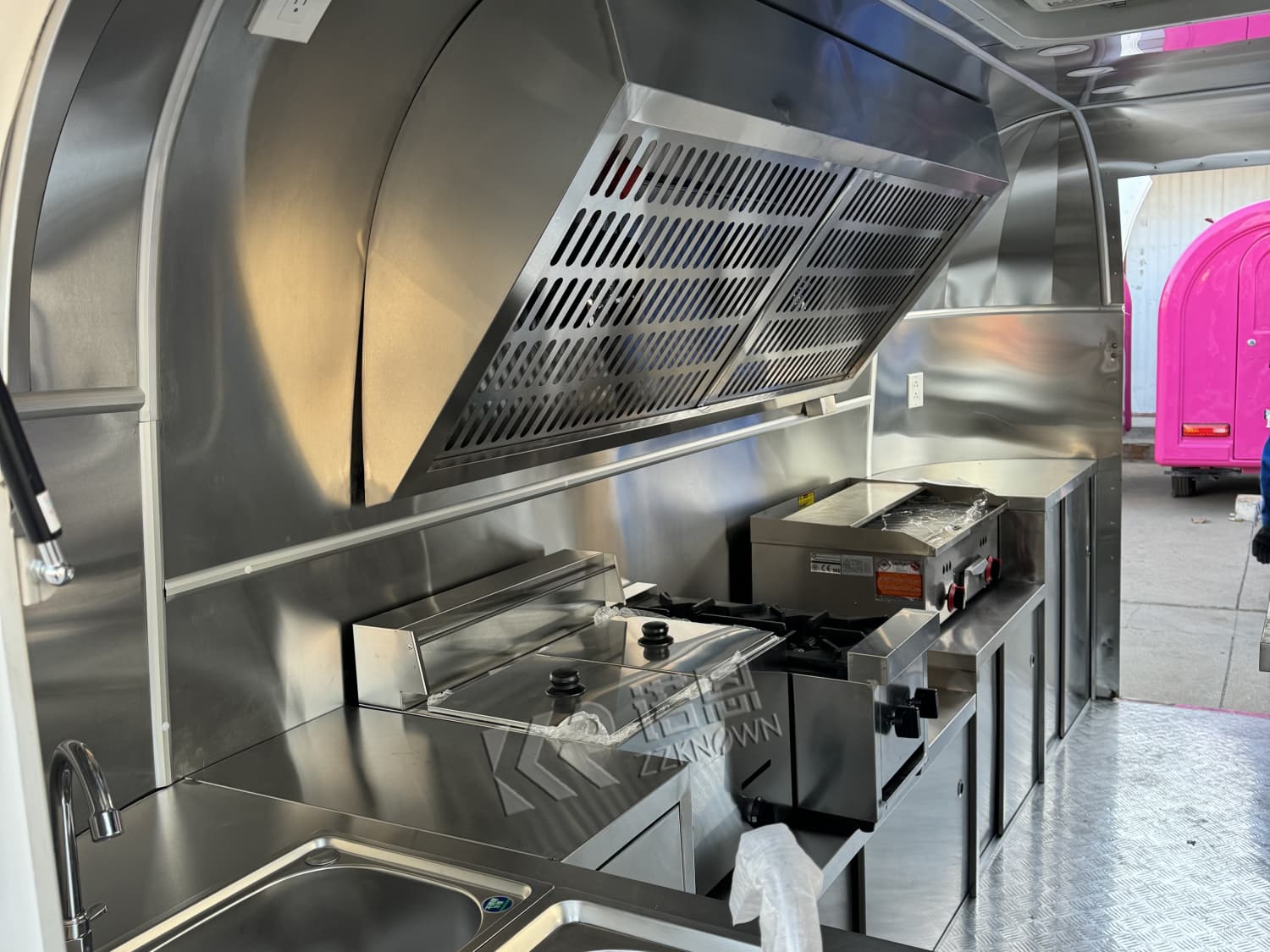
Ventilation: Extraction hoods for cooking appliances
3️⃣ Local Council Approvals
Each Australian council may have different requirements. Most require:
-
Food Business Registration: Usually $200–$1,000 AUD
-
Mobile Trading Permit / Licence: $300–$2,000 per year
-
Event or market approval: $50–$500 per event
-
Site inspection: Before operation, council may inspect vehicle
Tip: Always check your specific council regulations (Sydney, Melbourne, Brisbane, Perth, Adelaide, etc.) before buying or importing a trailer.
4️⃣ Gas and Electrical Compliance
Food trucks in Australia often run on LPG and 220–240V electrical supply.
Key compliance points:
-
LPG installation: Must be certified (AS/NZS 5601.1)
-
Gas detection and shut-off valves
-
Electrical system: Safe wiring, proper circuit breakers
-
PAT testing: Portable appliance testing recommended
Non-compliant systems can prevent council approval and insurance coverage.
5️⃣ Vehicle Standards & Road Compliance
If you operate a food truck, you also need to meet vehicle regulations:
-
Roadworthy certificate (RWC)
-
Vehicle registration
-
Trailer compliance (if towing)
-
Load limits and stability checks
-
Insurance coverage (public liability + vehicle)
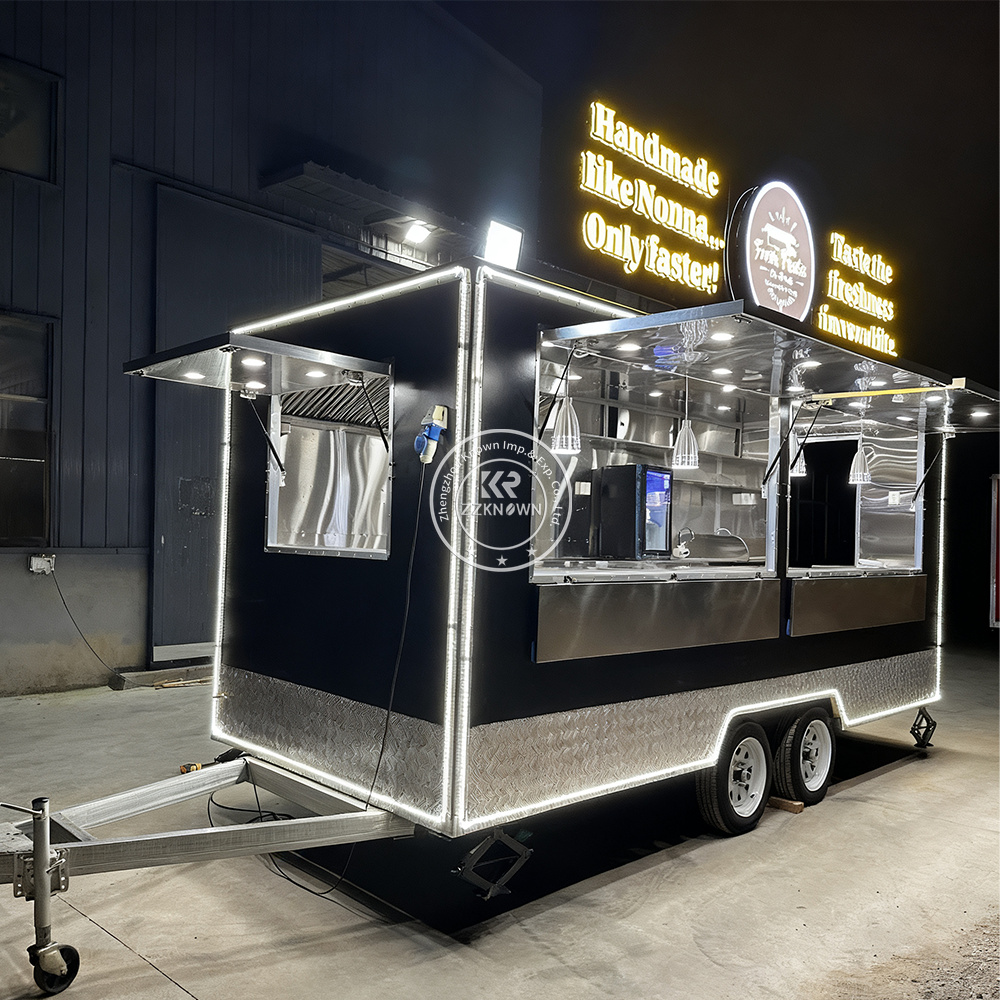
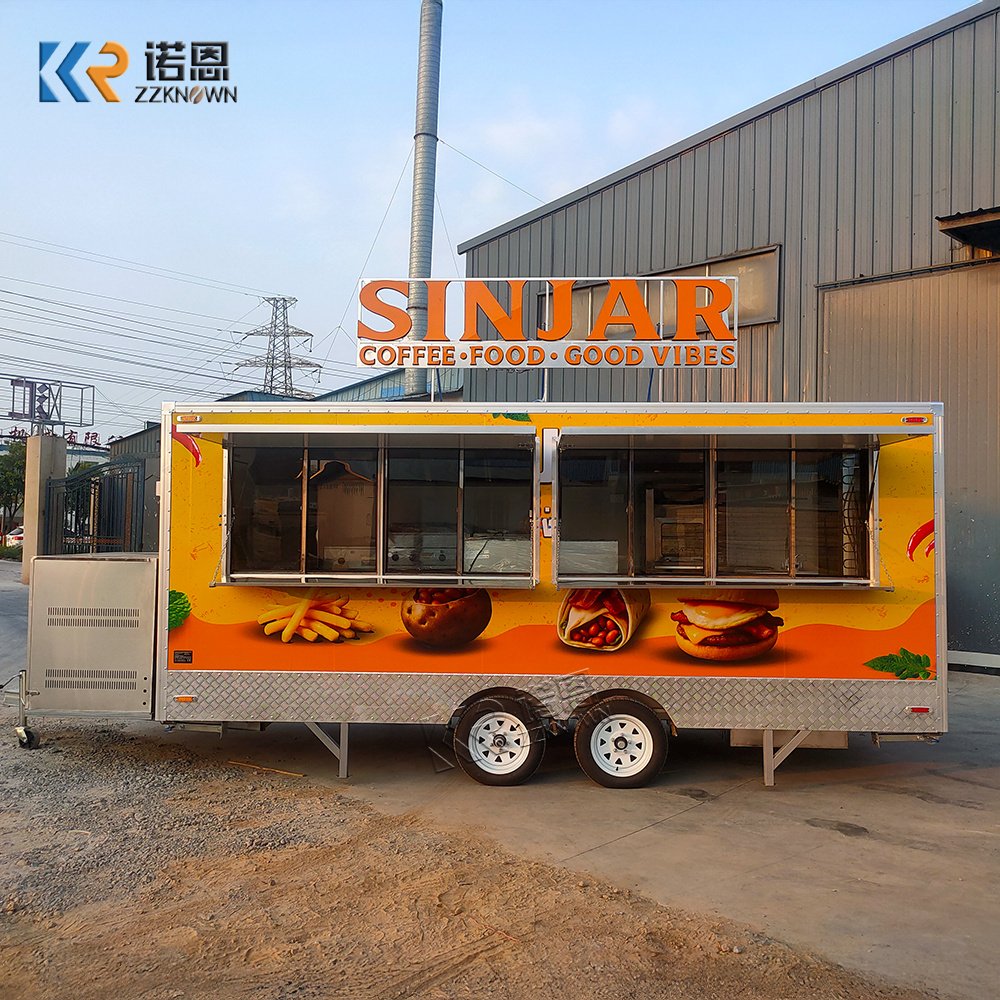
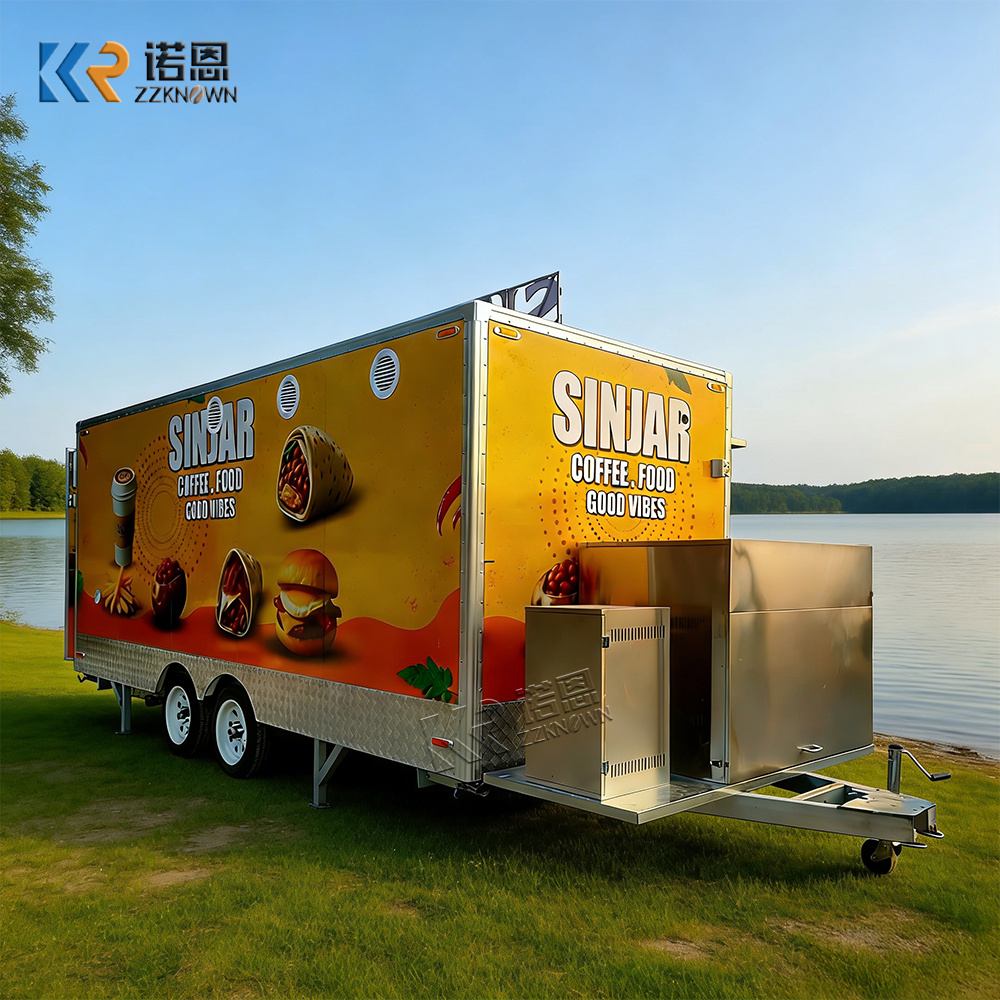
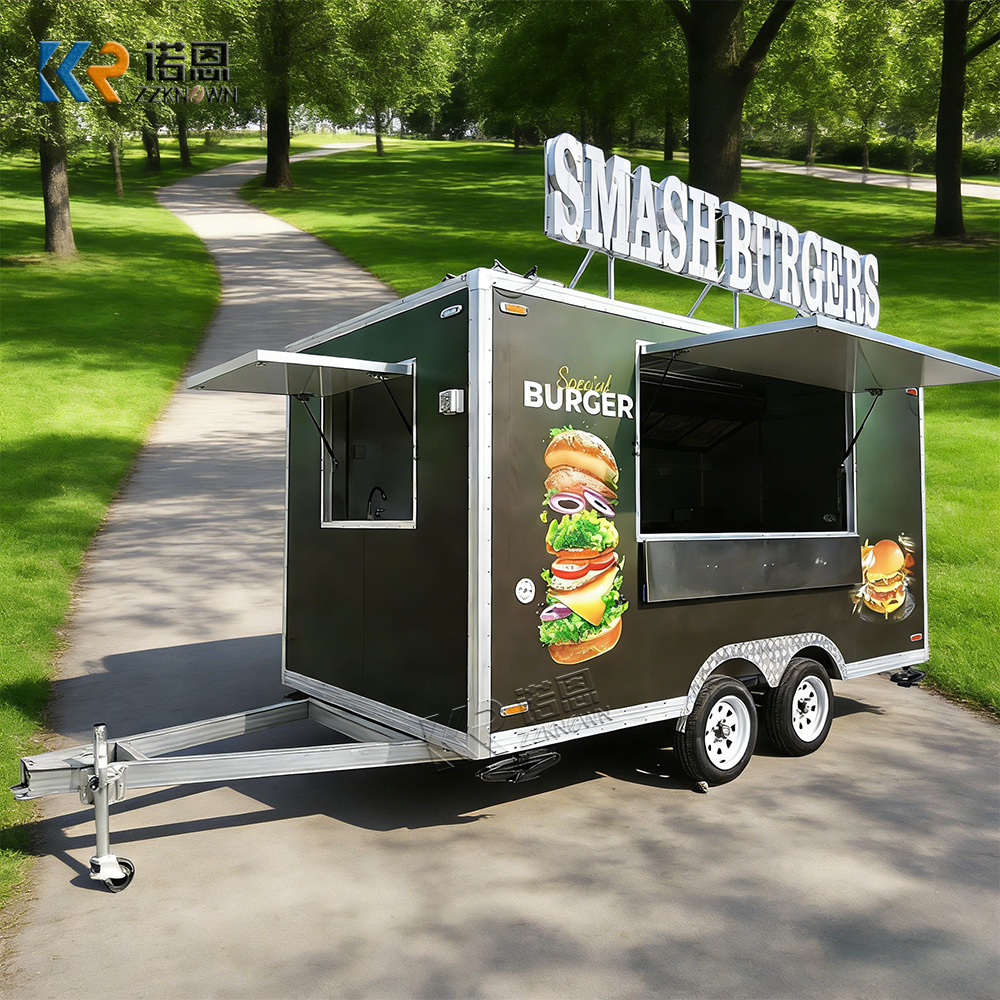
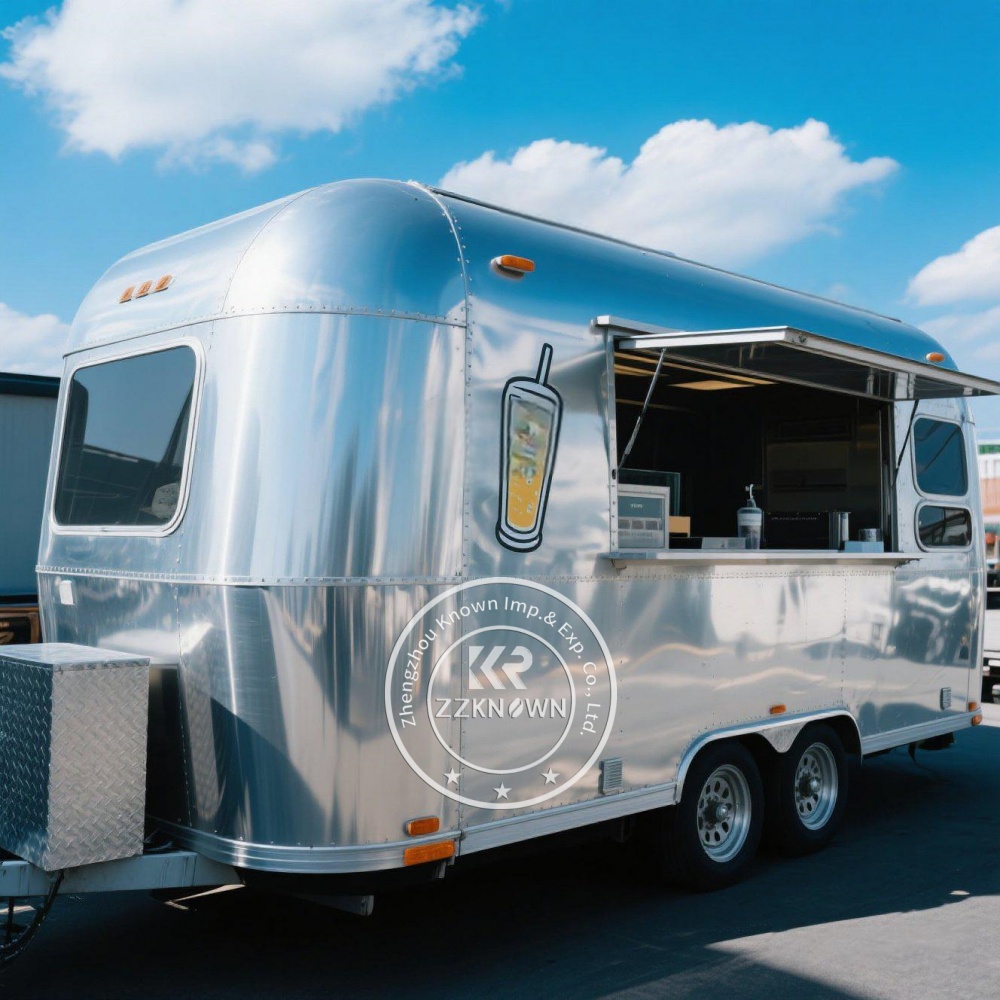
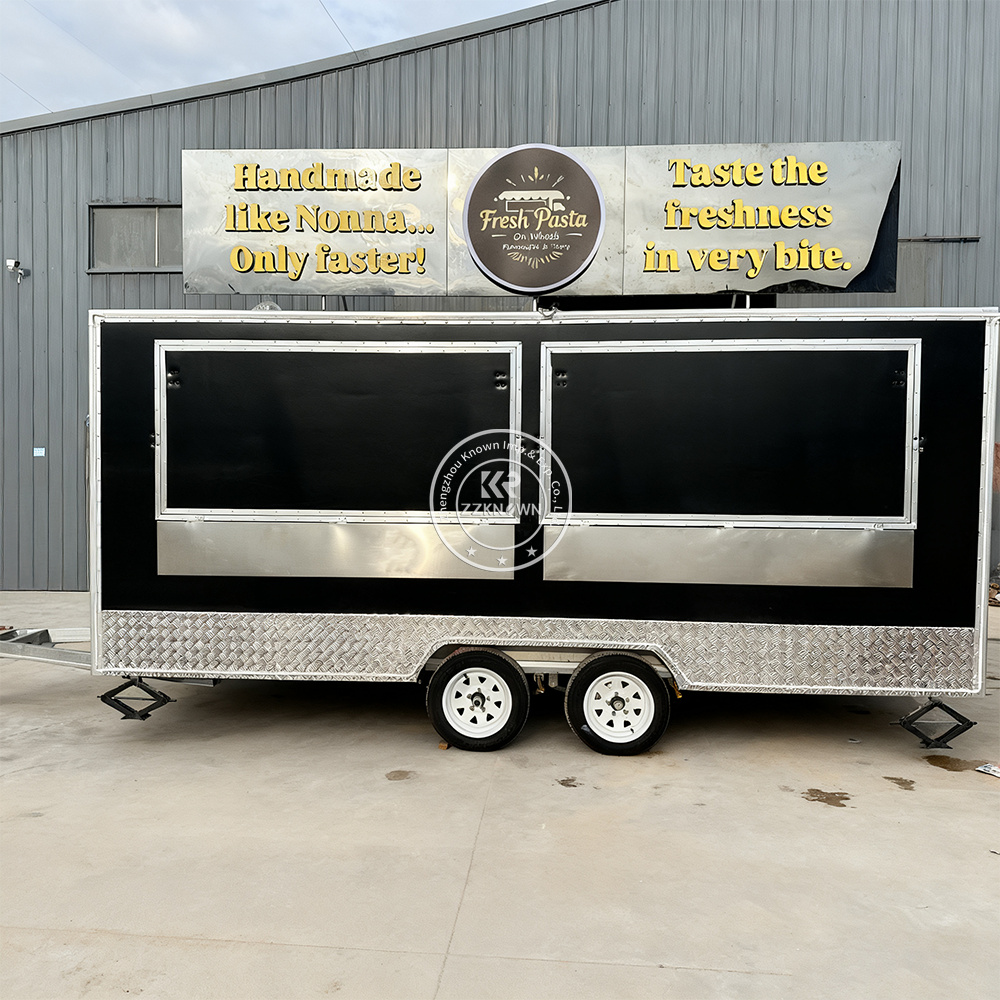
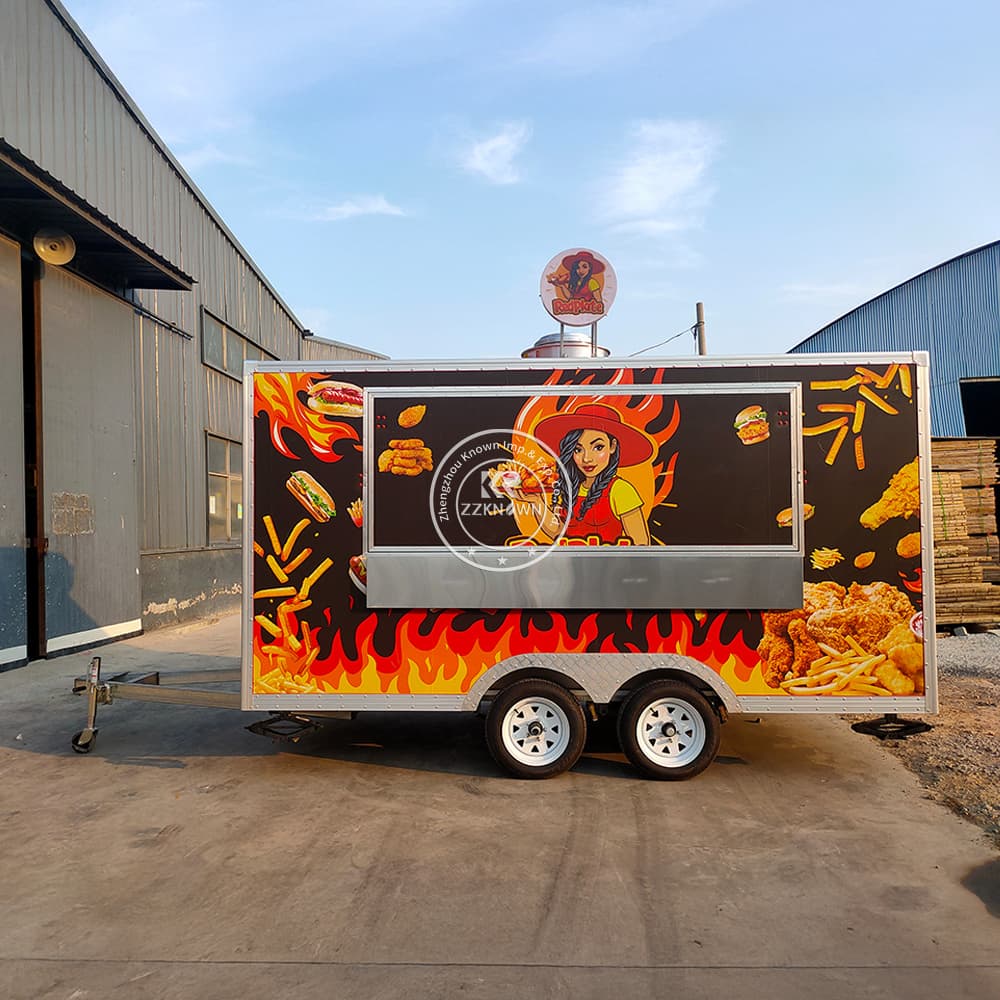
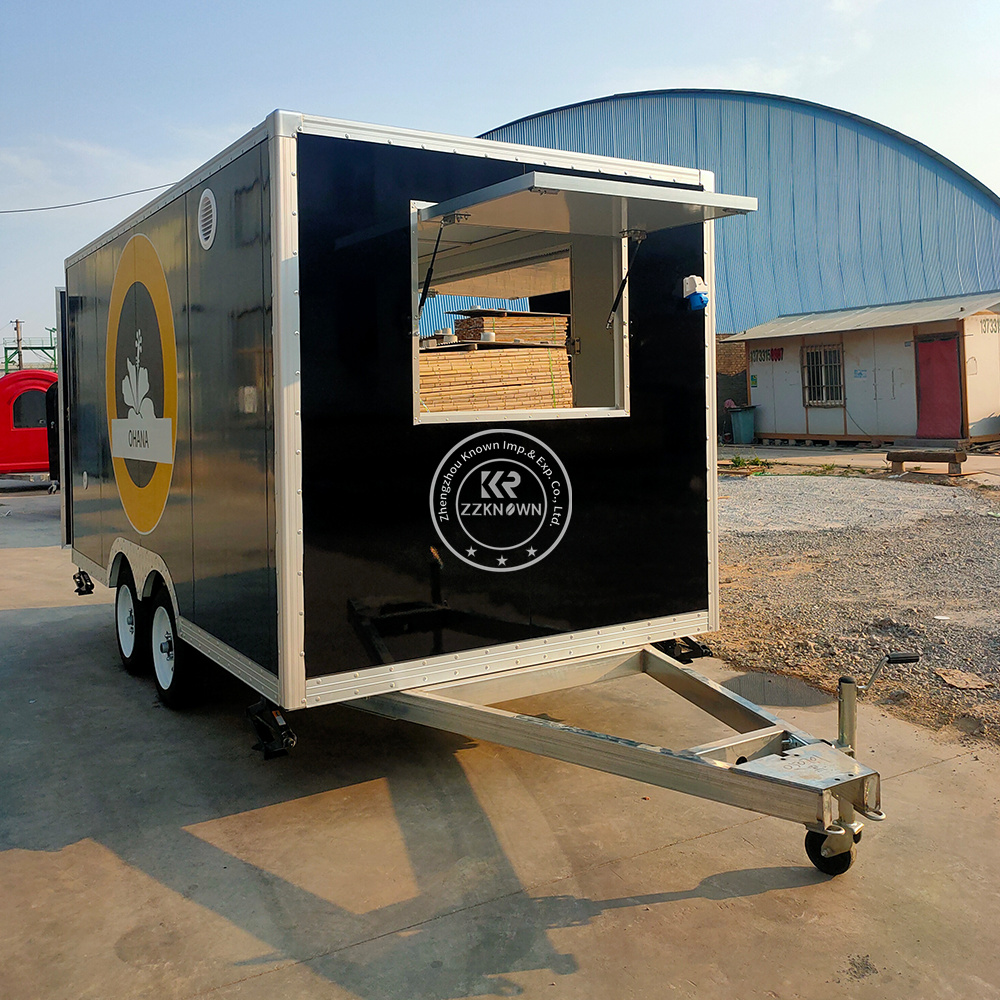
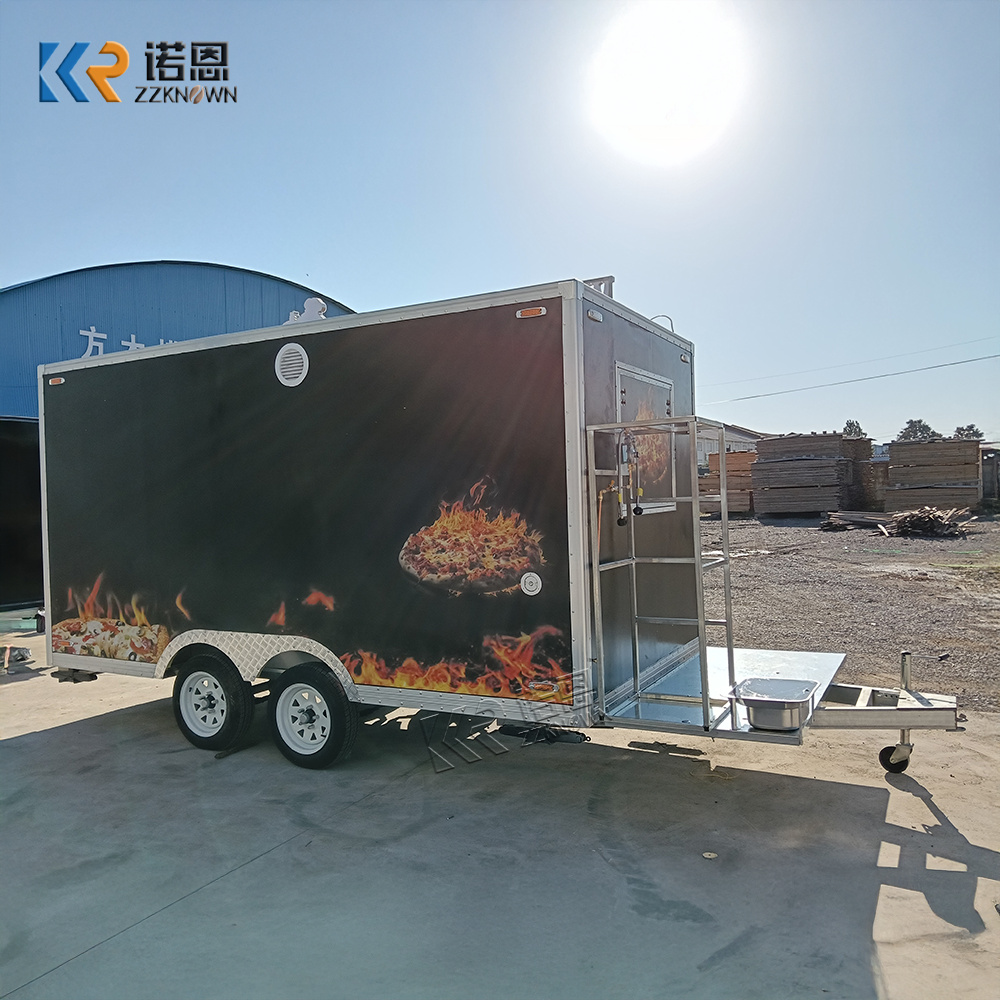
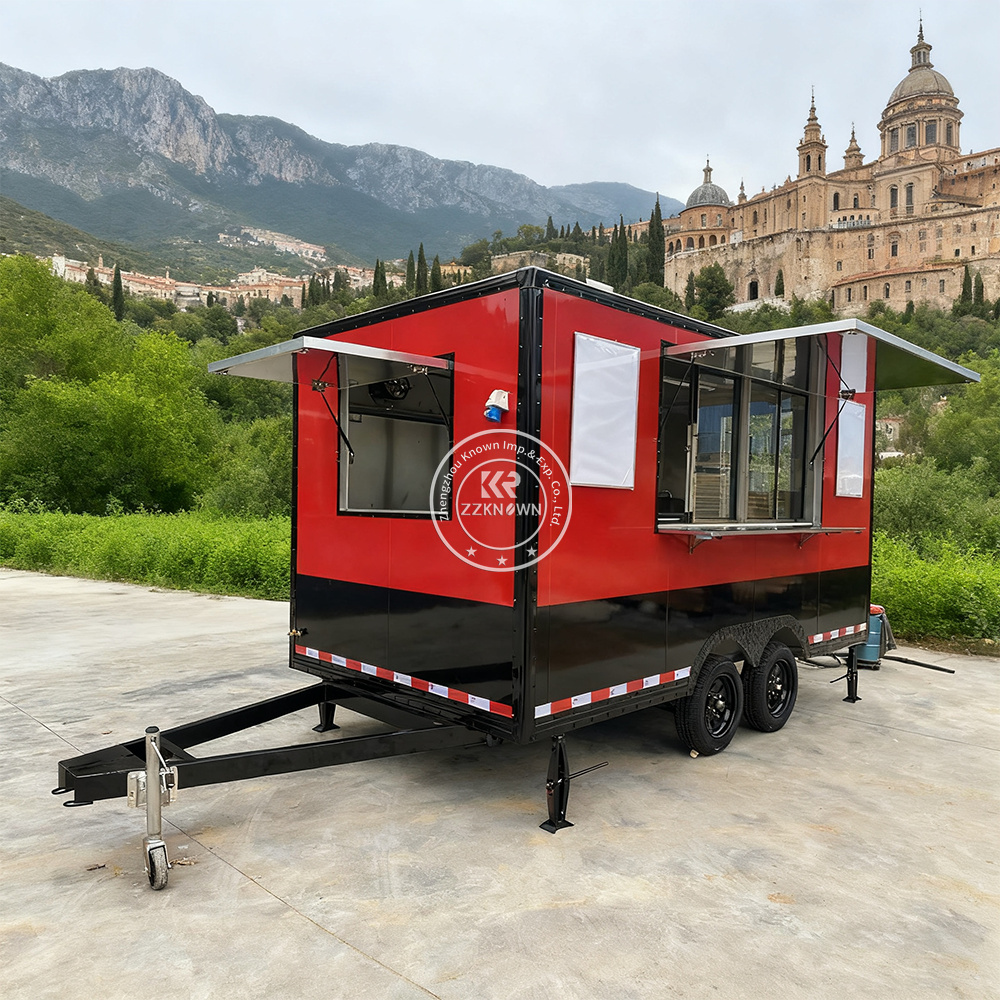
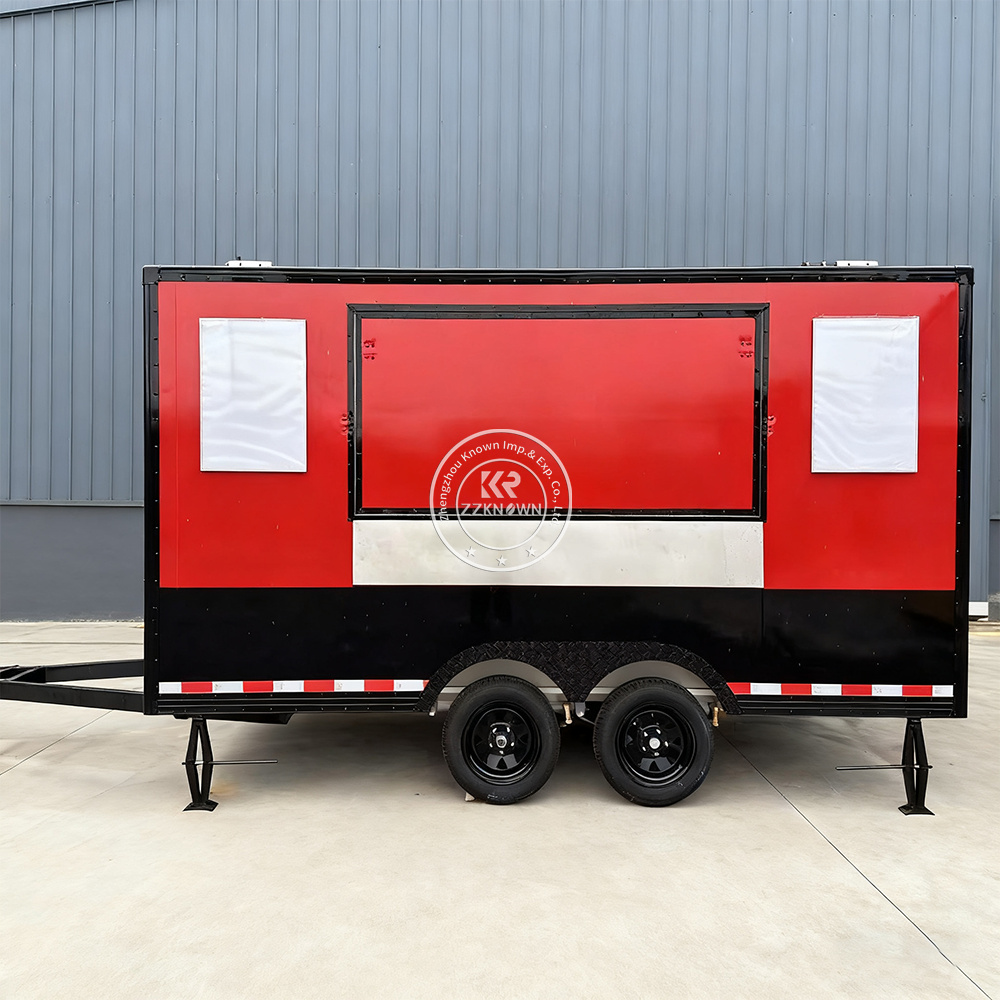
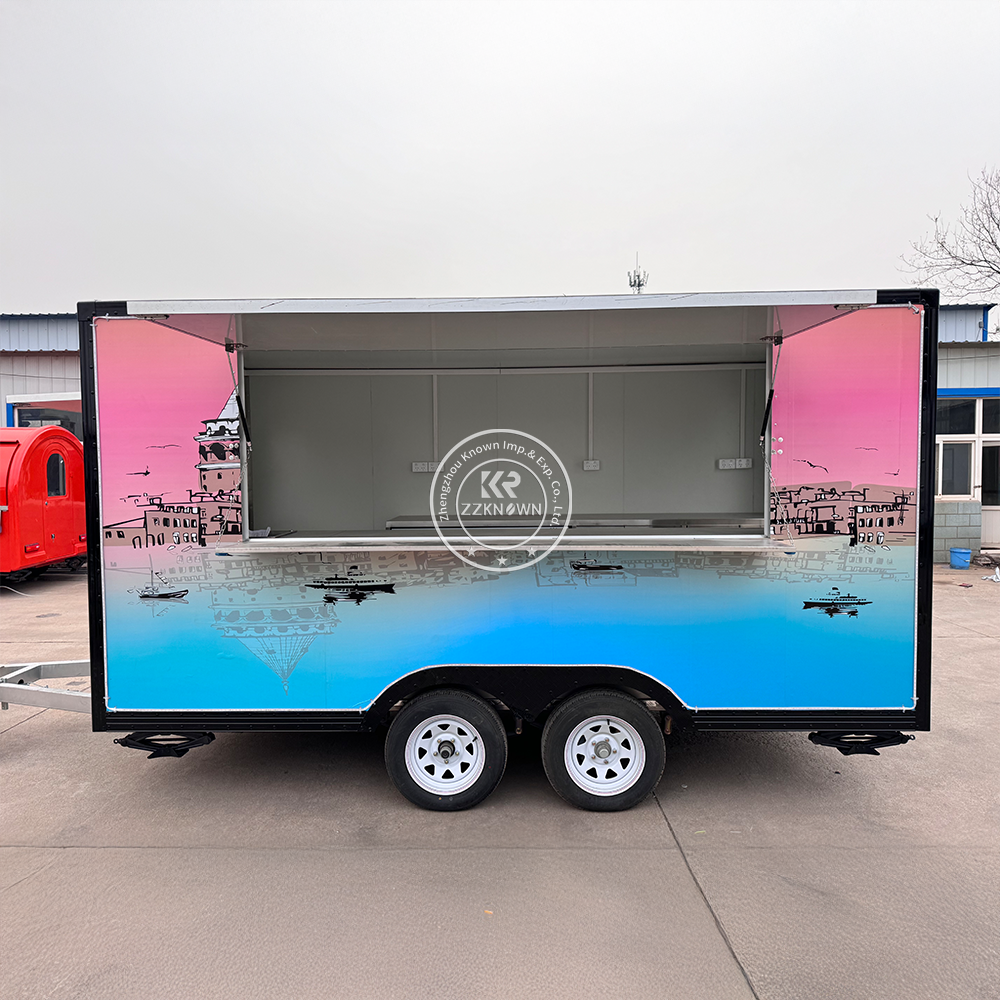
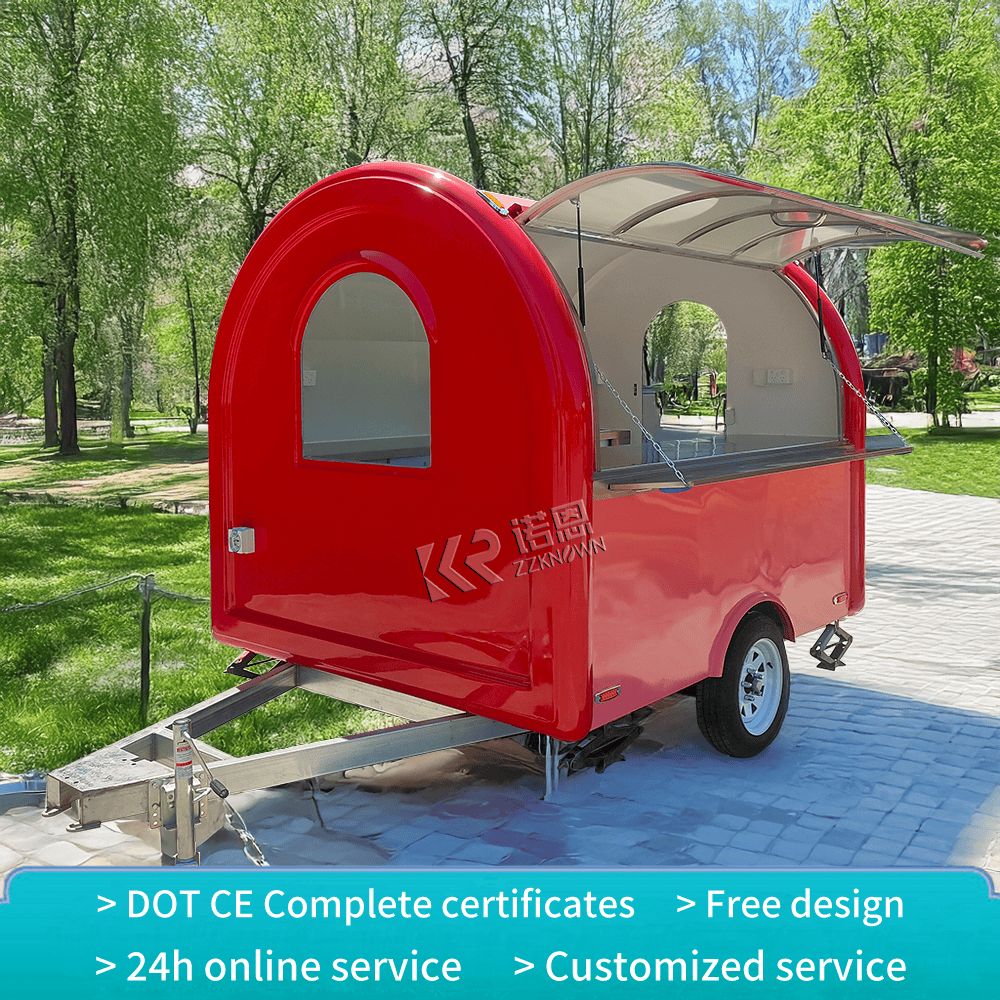
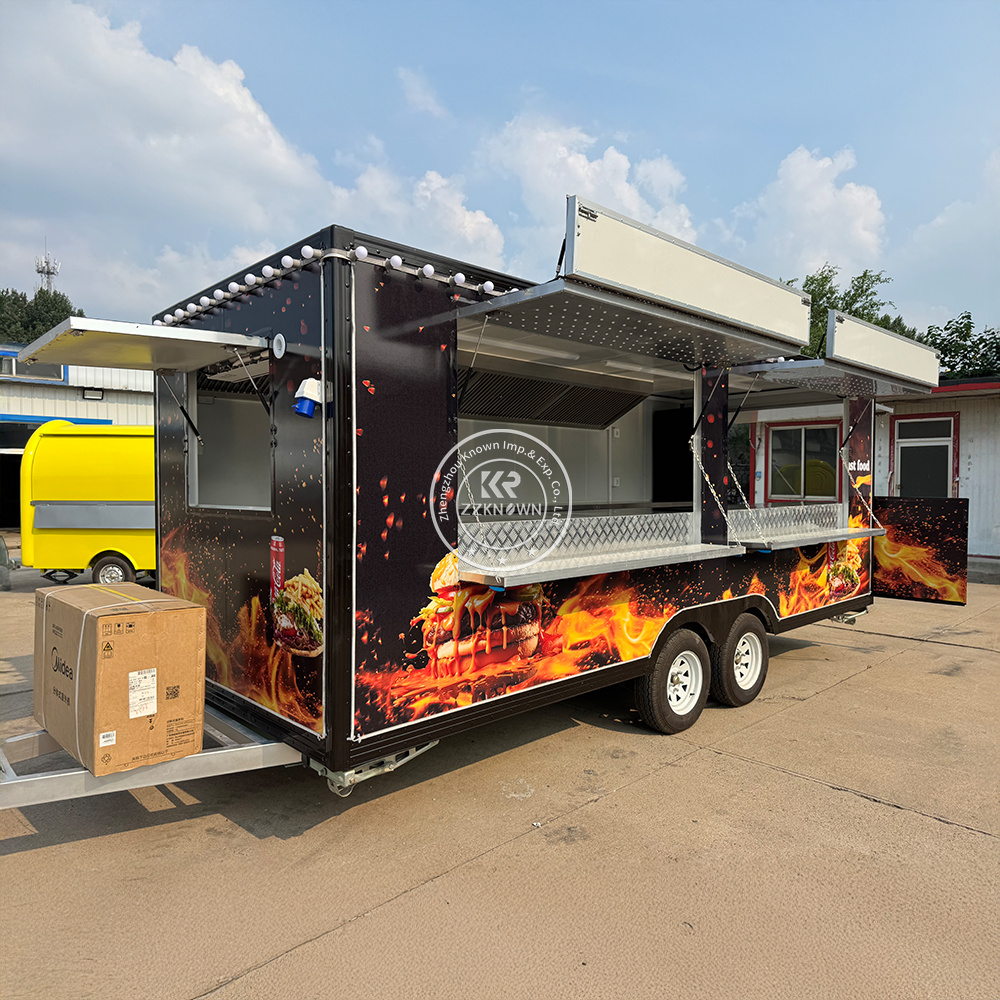
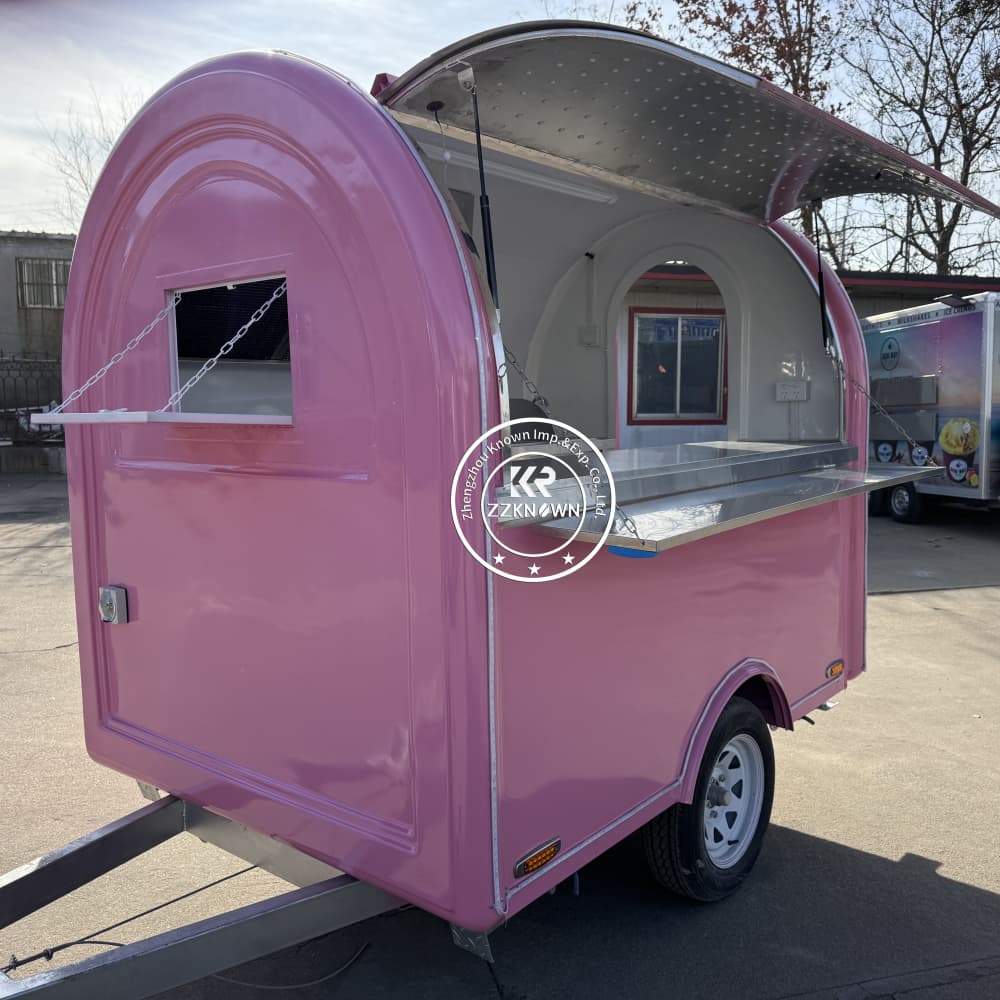
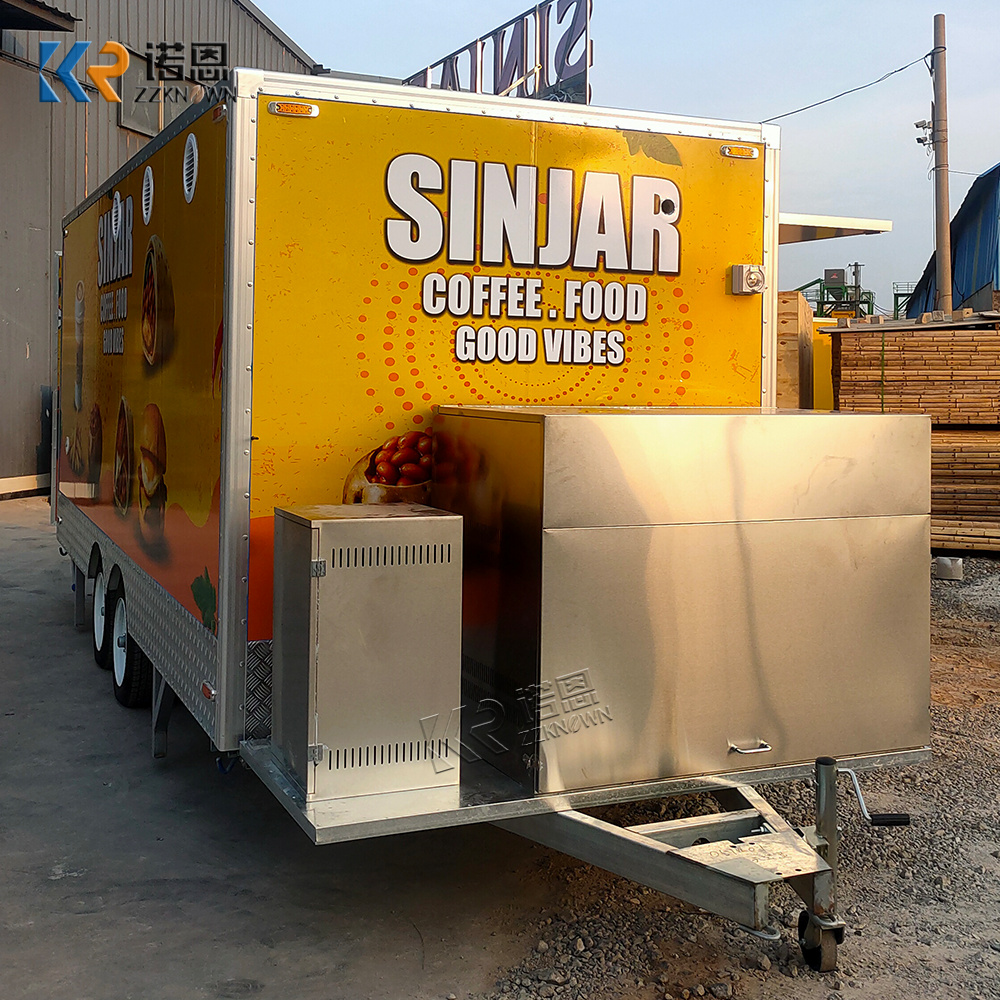
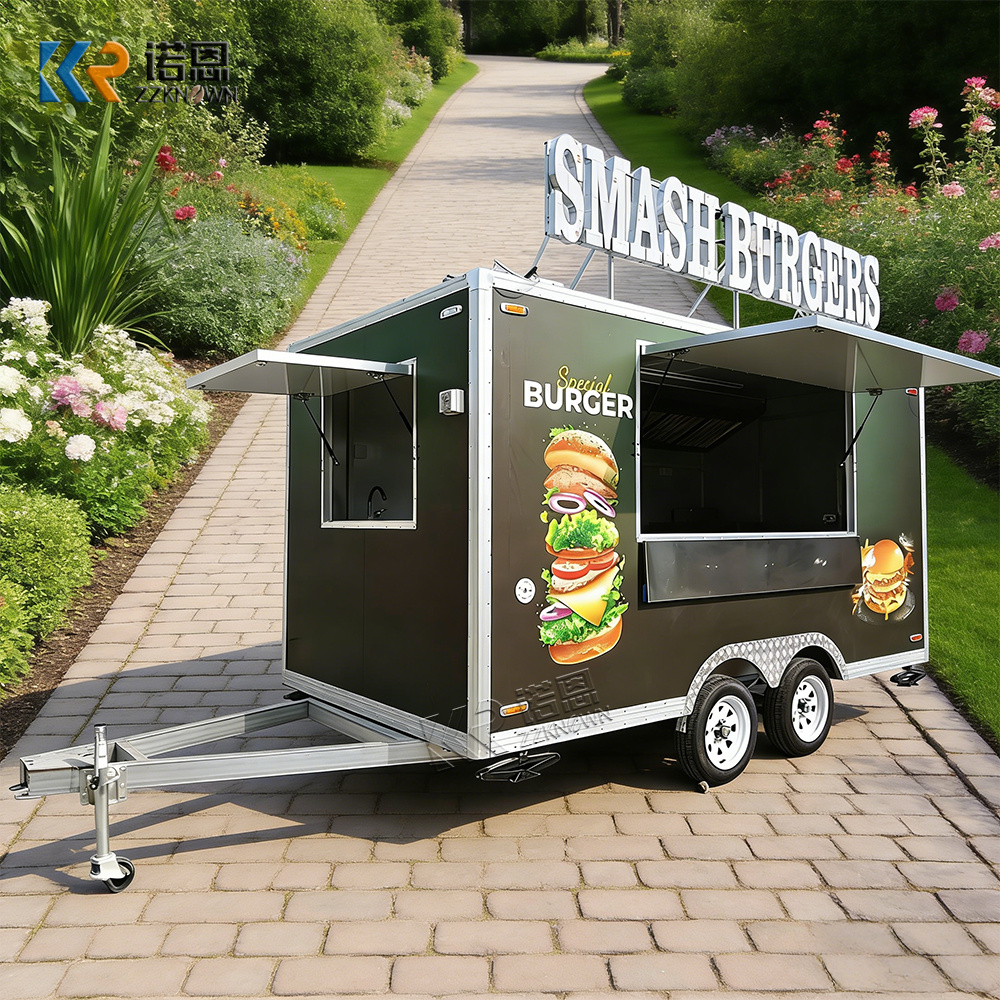
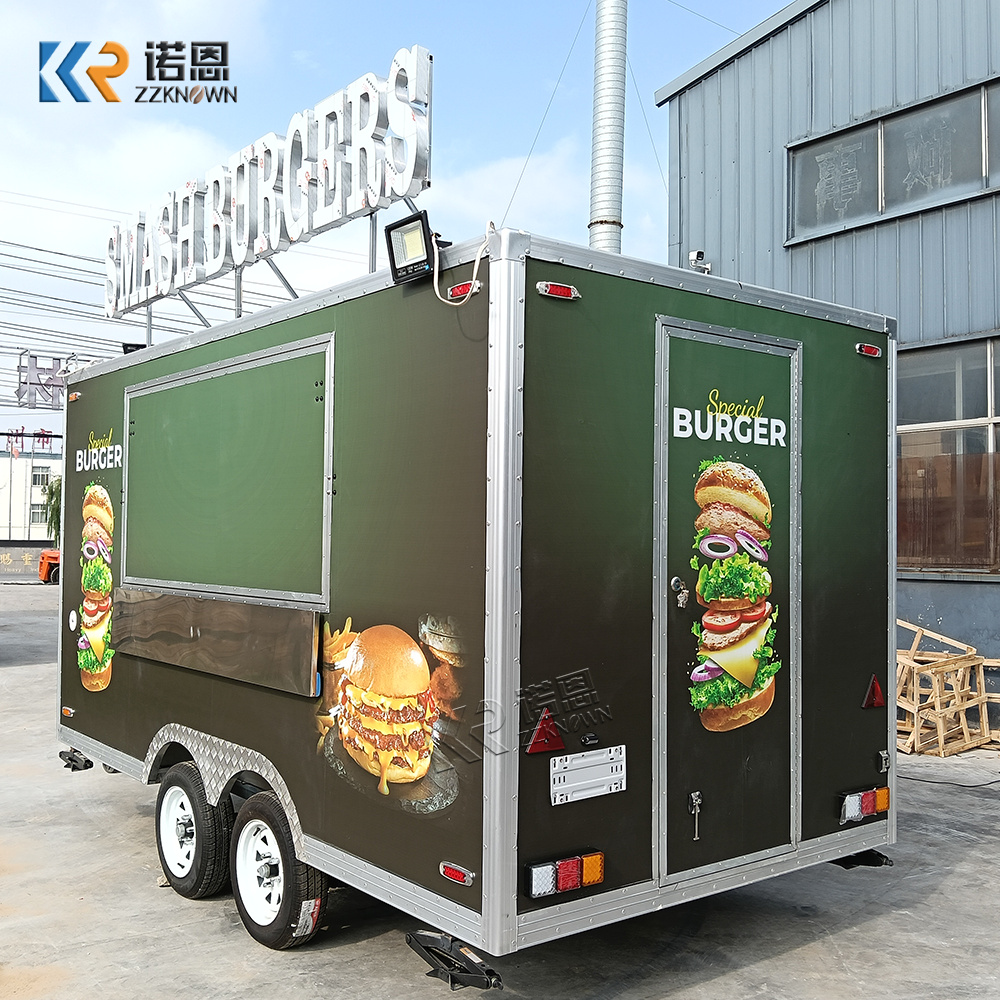
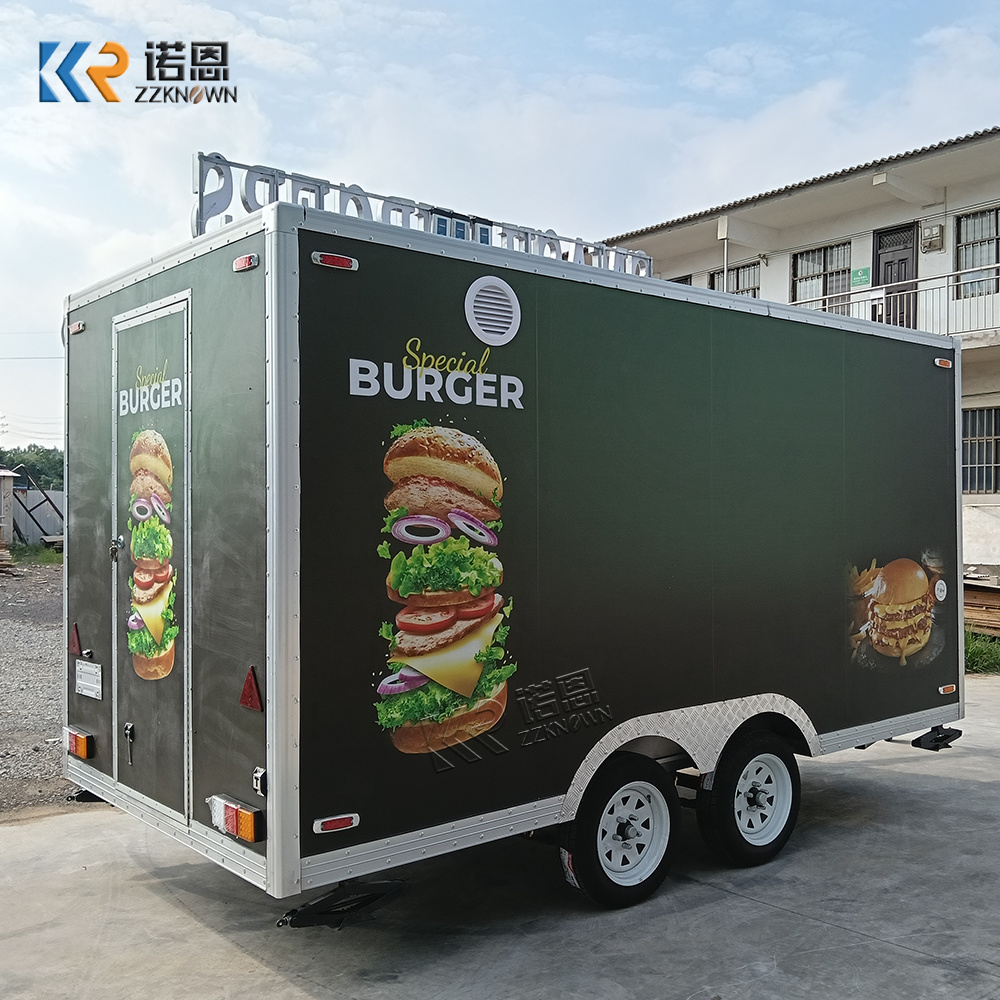
Tip: Custom trailers from exporters like ZZKNOWN can be built to meet both road and council standards before shipping to Australia.
6️⃣ Safety & Fire Regulations
Australia takes fire safety seriously. Key requirements:
-
Fire extinguisher (type ABC)
-
Fire blanket
-
Automatic suppression system for fryers / grills (recommended)
-
LPG leak detection
Regular inspection is mandatory to maintain compliance.
7️⃣ Health & Food Safety Certification
Before selling food:
-
Food Safety Supervisor Certificate (state dependent)
-
Level 2 Food Hygiene Certificate recommended
-
Staff training on safe food handling
These certifications are often required to get council approval and event permits.
8️⃣ Common Mistakes Australian Buyers Make
❌ Buying a truck or trailer without checking council requirements
❌ Installing unapproved gas or electrical systems
❌ Skipping FSANZ-approved equipment
❌ Ignoring ventilation / fire suppression rules
❌ Assuming used vehicles automatically comply
9️⃣ Why Many Buyers Choose Custom-Built Trailers
Custom builds (like ZZKNOWN) offer:
-
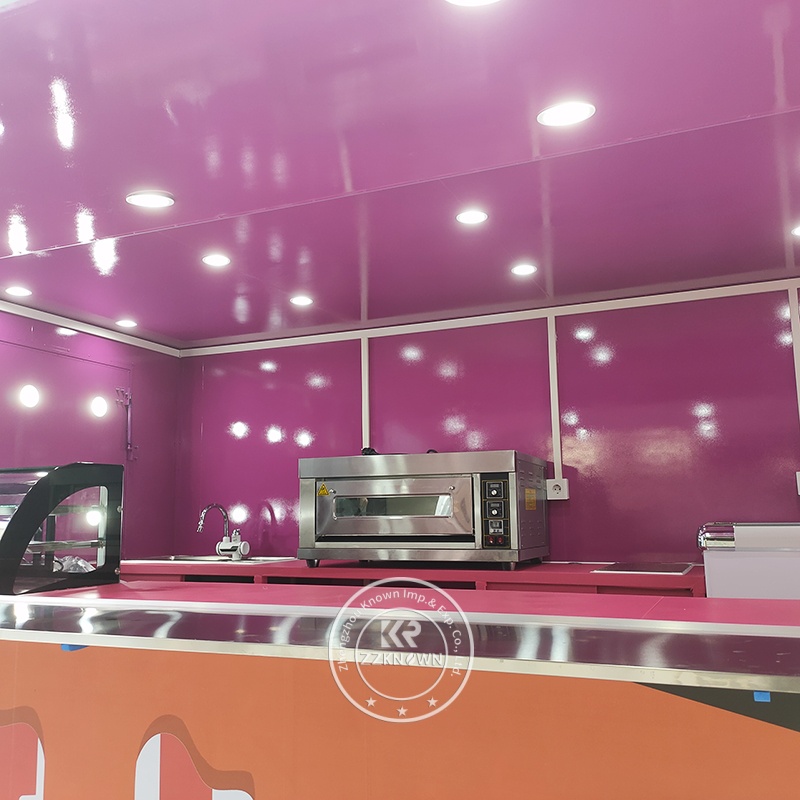
Fully compliant FSANZ kitchens
-
Gas-ready and electrical-safe layout
-
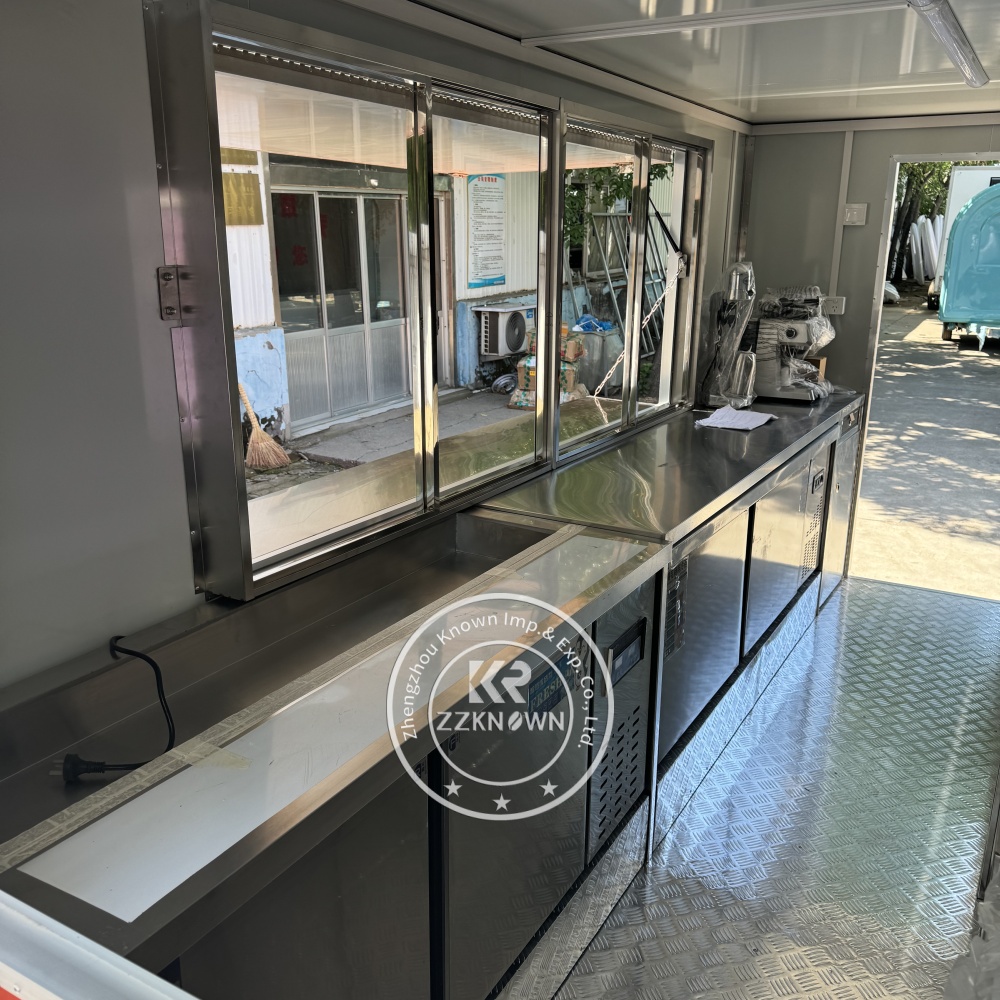
Stainless steel surfaces and proper sinks
-
Optimized workflow for efficiency
-
Pre-shipment council & safety documentation
Key advantage: Avoid costly modifications or retrofits after purchase.
🔟 Timeline for Compliance-Ready Setup
Typical steps:
-
Design approval and compliance review: 1–2 weeks
-
Manufacturing / customization: 25–60 working days
-
Shipping / delivery to Australia: 3–5 weeks
-
Council inspection and licensing: 1–3 weeks
Total timeline: 2–3 months from order to compliant operation
Final Thoughts
Understanding Australian food truck regulations is critical for a successful launch.
Build it right, comply with FSANZ, get council approval, and choose trusted manufacturers like ZZKNOWN. Your first burger food truck can become a profitable, hassle-free business if compliance is handled correctly.
Ready to Get a Compliant Food Trailer for Australia?
👉 Contact ZZKNOWN for a fully compliant 2D/3D layout and quote tailored for Australian regulations.