How to Start a Beverage Trailer Business (Step-by-Step Guide 2026)
The beverage trailer business has become one of the fastest-growing opportunities in the mobile food industry. Compared with traditional restaurants, beverage trailers require lower startup costs and offer flexible locations such as festivals, parks, beaches, and night markets.
Because drinks usually have high profit margins and simple preparation, many entrepreneurs choose beverage trailers as their first step into the food and beverage industry.
But how exactly do you start a beverage trailer business?
In this step-by-step guide, we will walk through everything you need to know — from planning and equipment to permits and marketing.
Step 1: Choose Your Beverage Business Concept
The first step is deciding what type of drinks you want to sell.
Your concept determines the equipment you need and the design of your trailer.
Popular beverage trailer concepts include:
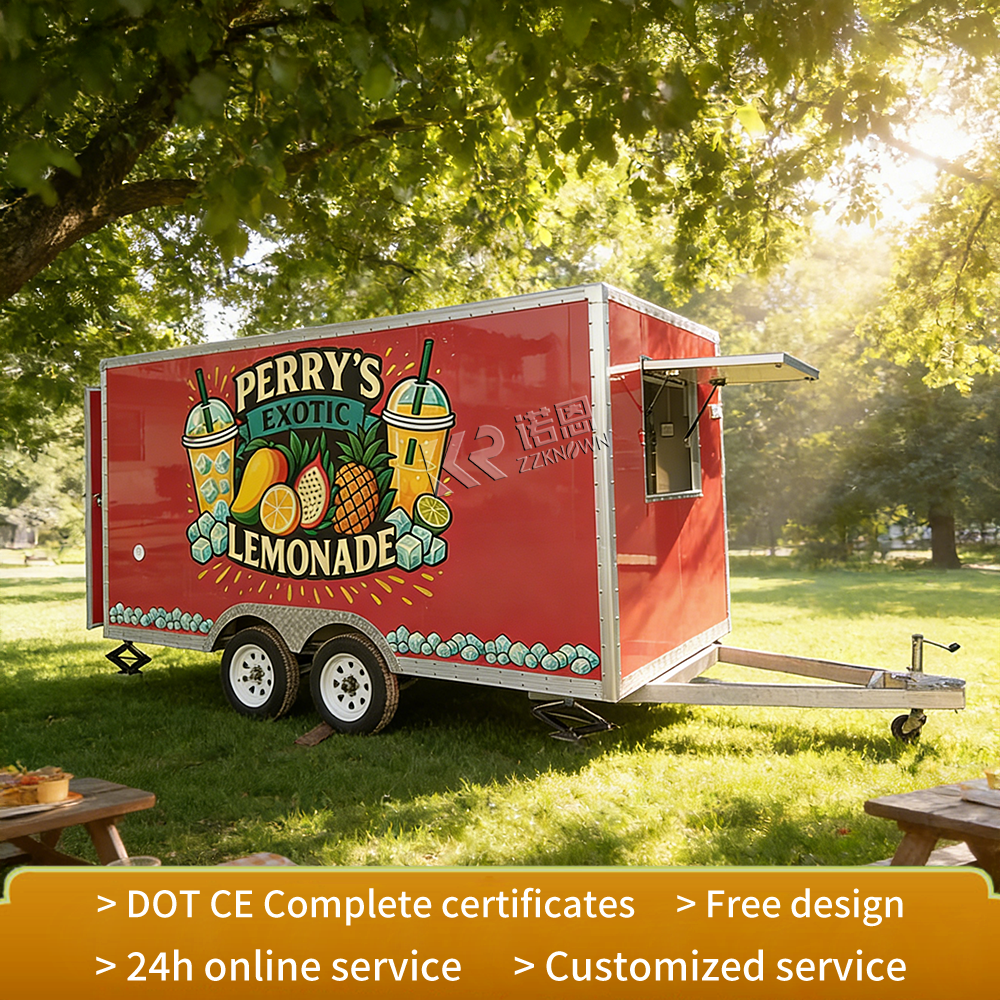
• lemonade trailer
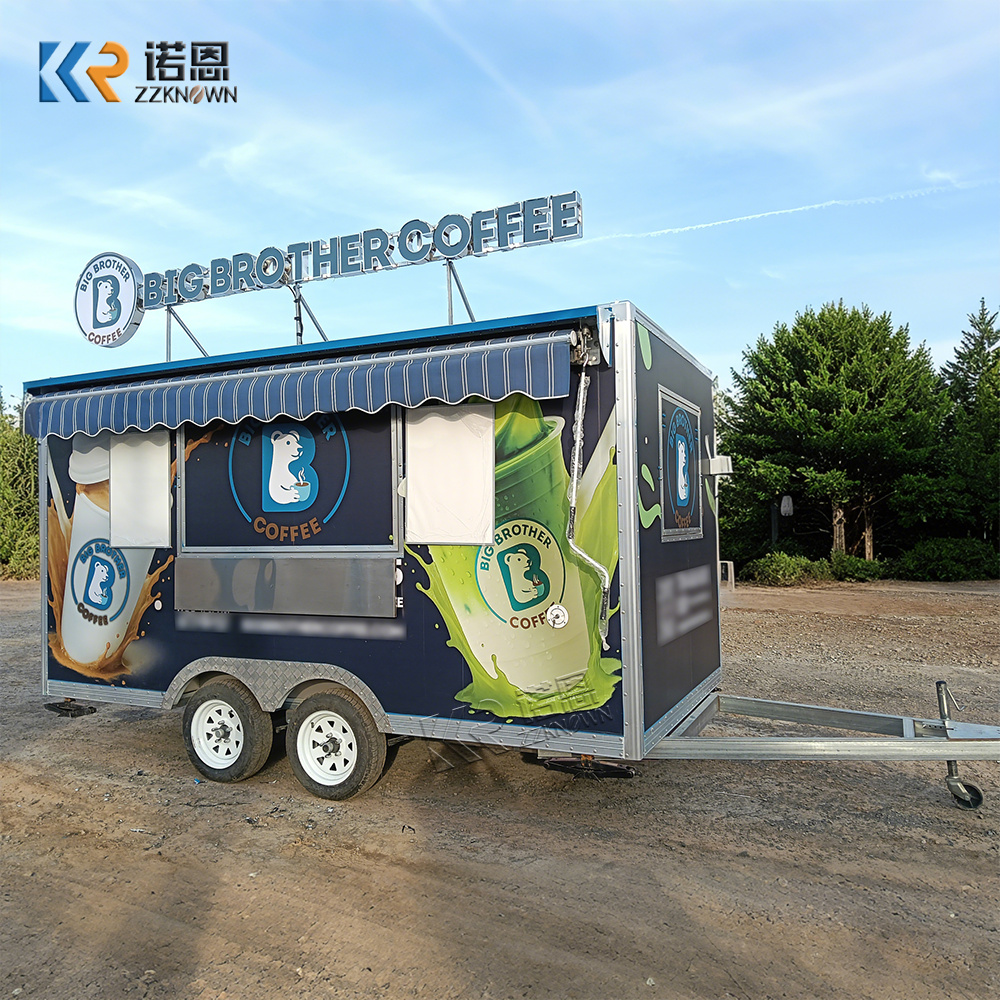
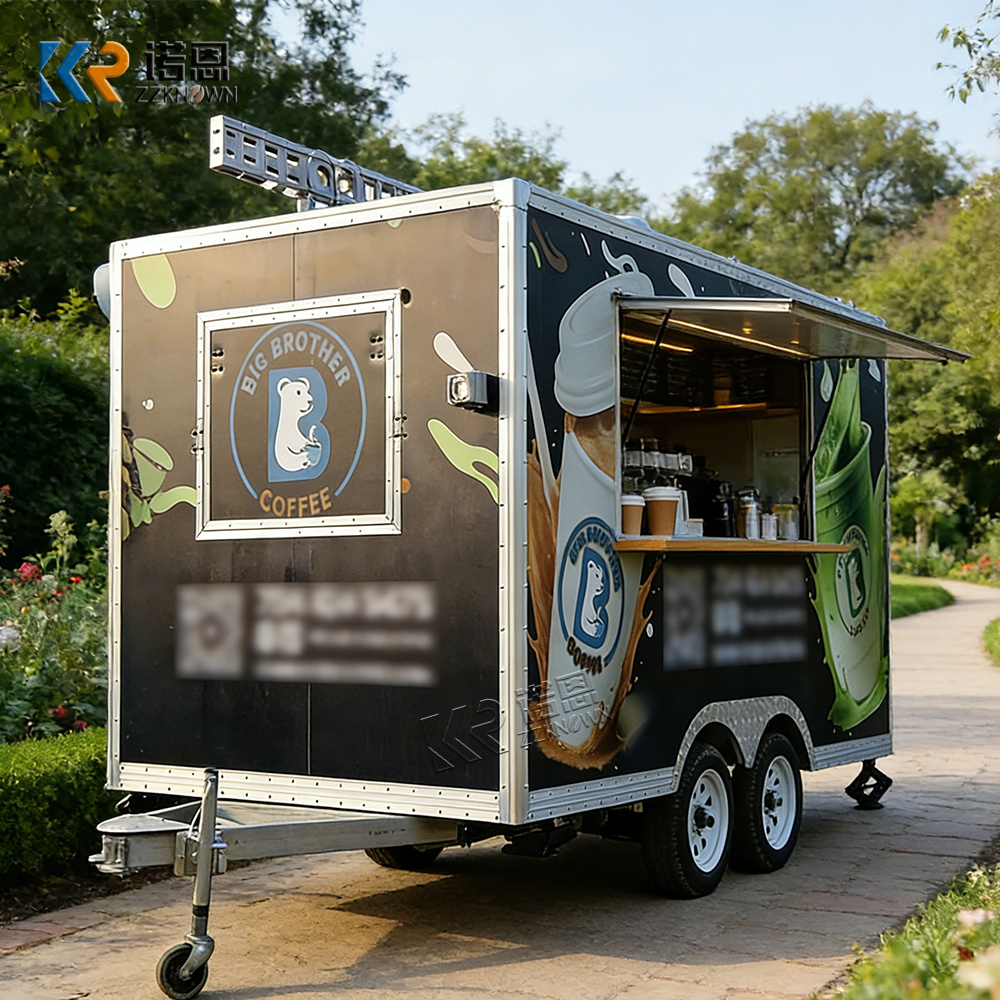
• coffee trailer
• bubble tea trailer
• smoothie trailer
• juice bar trailer
• specialty drink trailer
Some entrepreneurs also combine multiple drinks into one menu.
For example:
Coffee + smoothies
Bubble tea + fruit tea
Lemonade + frozen drinks
Choosing the right concept helps you attract a clear target market.
Step 2: Research Your Local Market
Before investing in equipment, it is important to understand your market.
Key questions to ask include:
-
Are beverage trailers common in your area?
-
What drinks are most popular?
-
Where do food trucks usually operate?
-
What events attract large crowds?
Successful beverage trailers often operate at:
• festivals
• concerts
• parks
• beaches
• night markets
• sports events
High-traffic locations can significantly increase daily revenue.
Step 3: Create a Simple Business Plan
A beverage trailer business plan does not need to be complicated, but it should include a few key elements.
Your plan should outline:
Business concept
Target customers
Menu and pricing
Startup costs
Expected revenue
Marketing strategy
Having a clear plan helps you control costs and make better decisions.
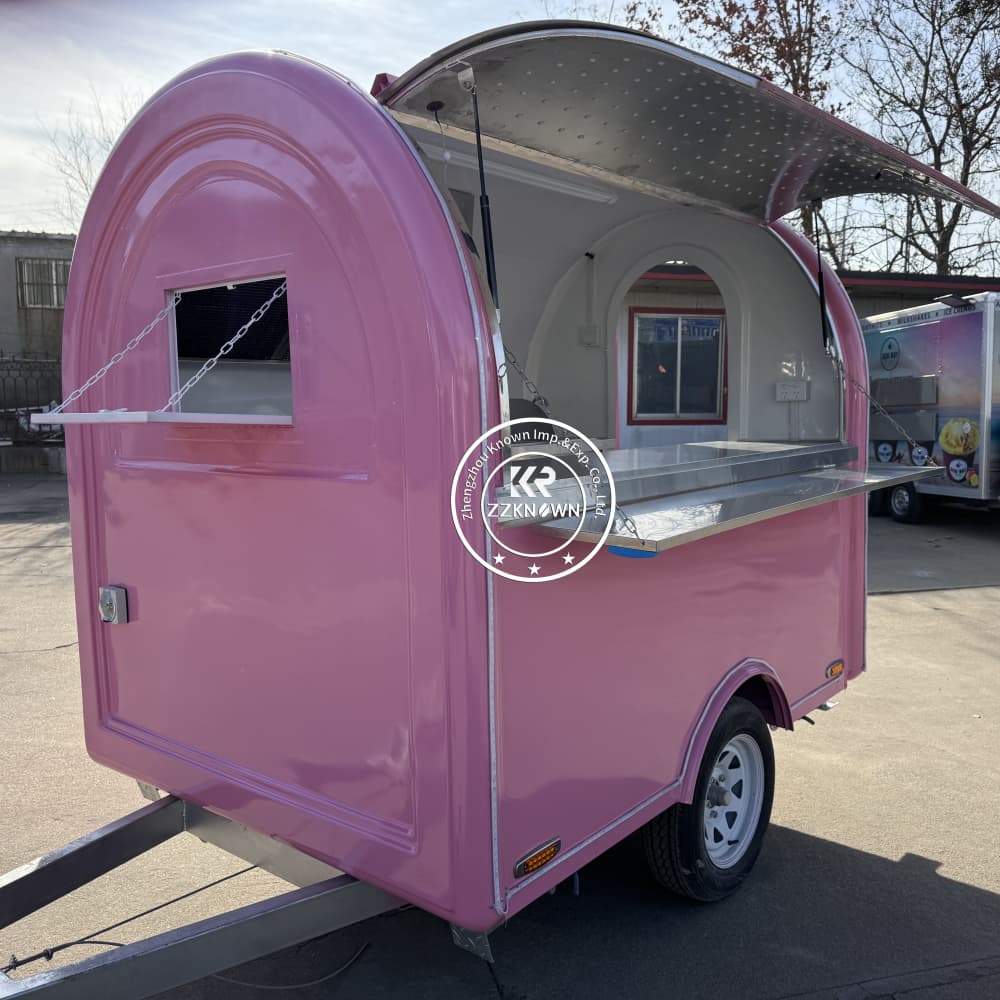
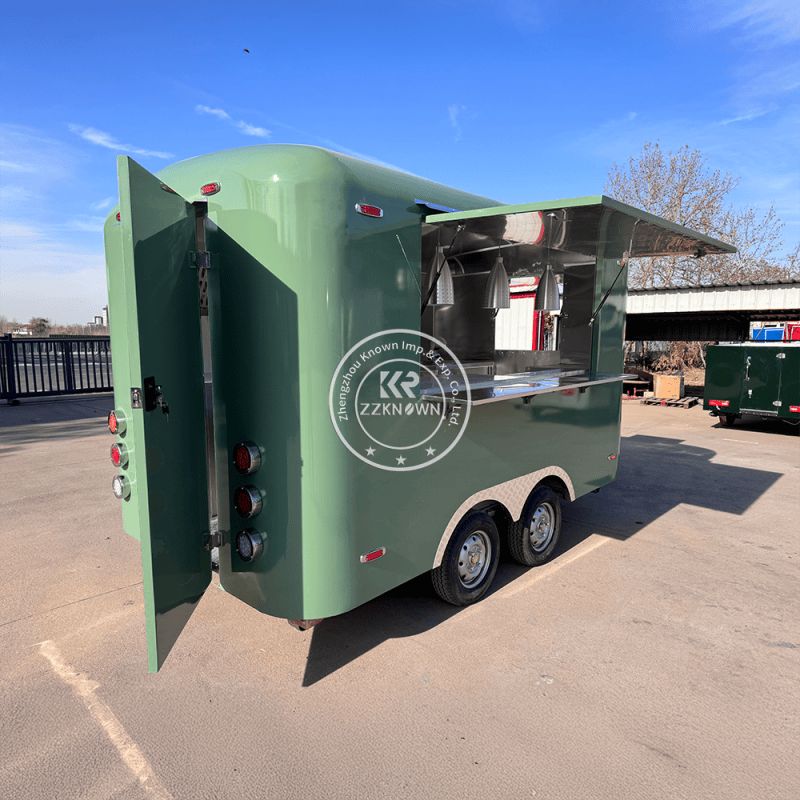
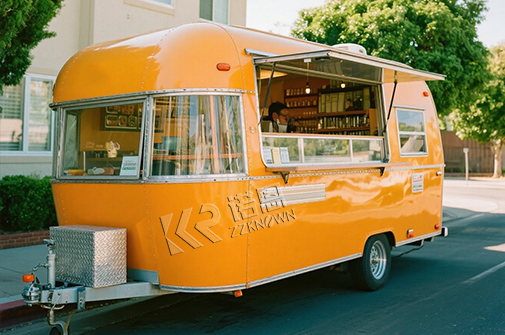
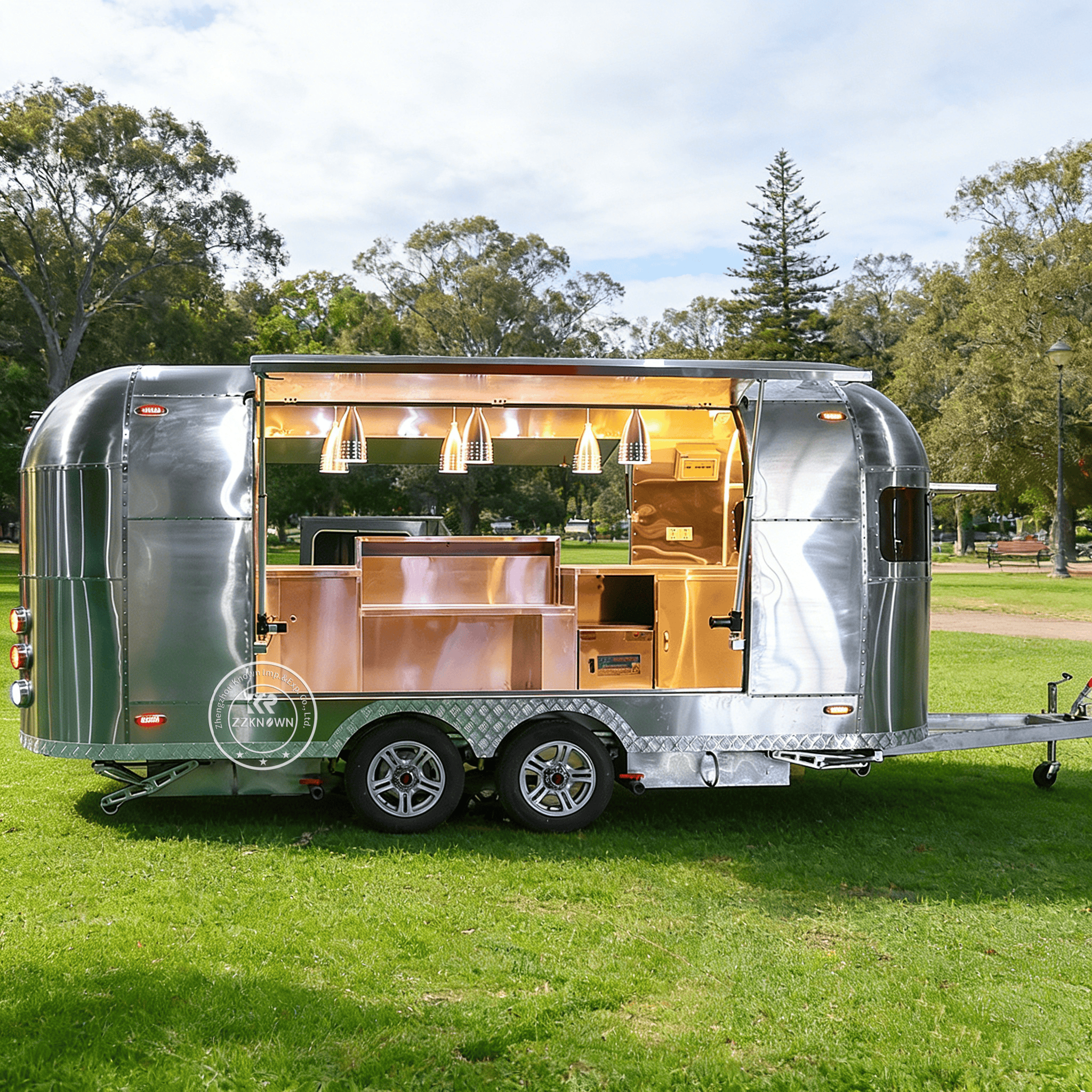
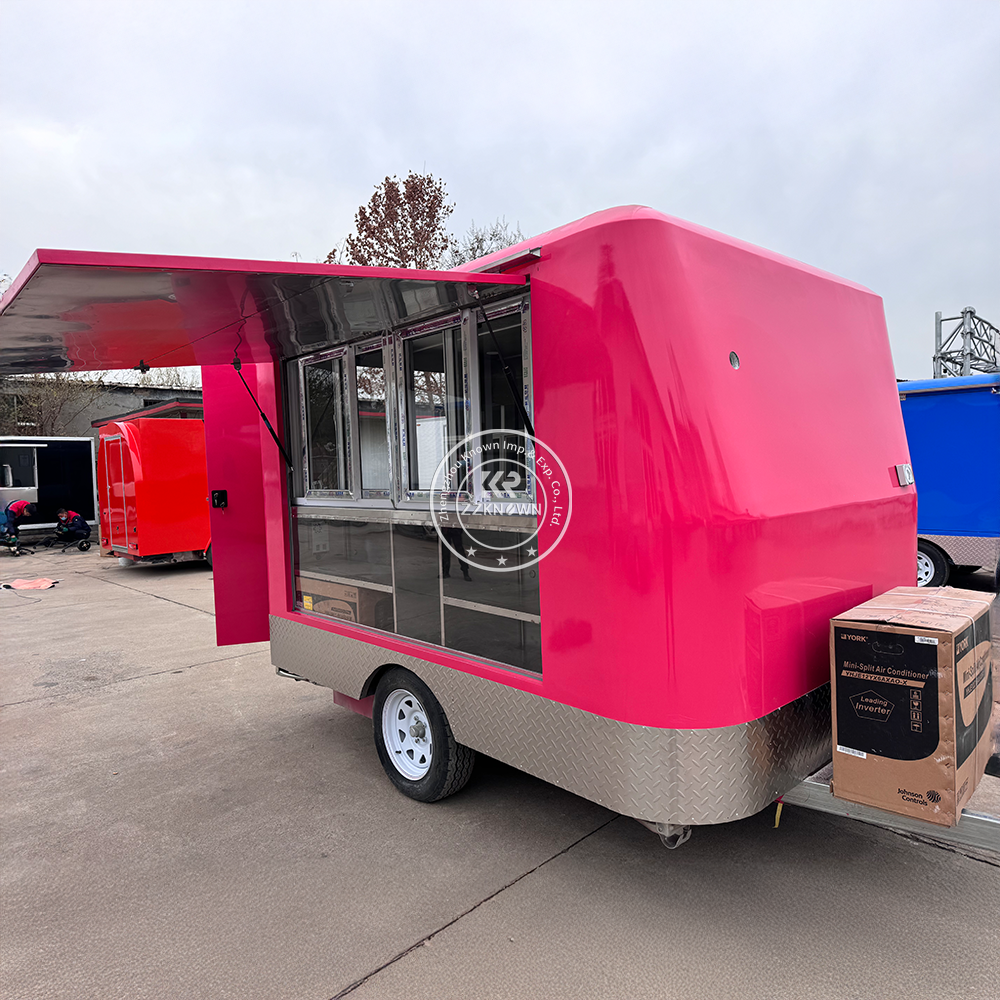
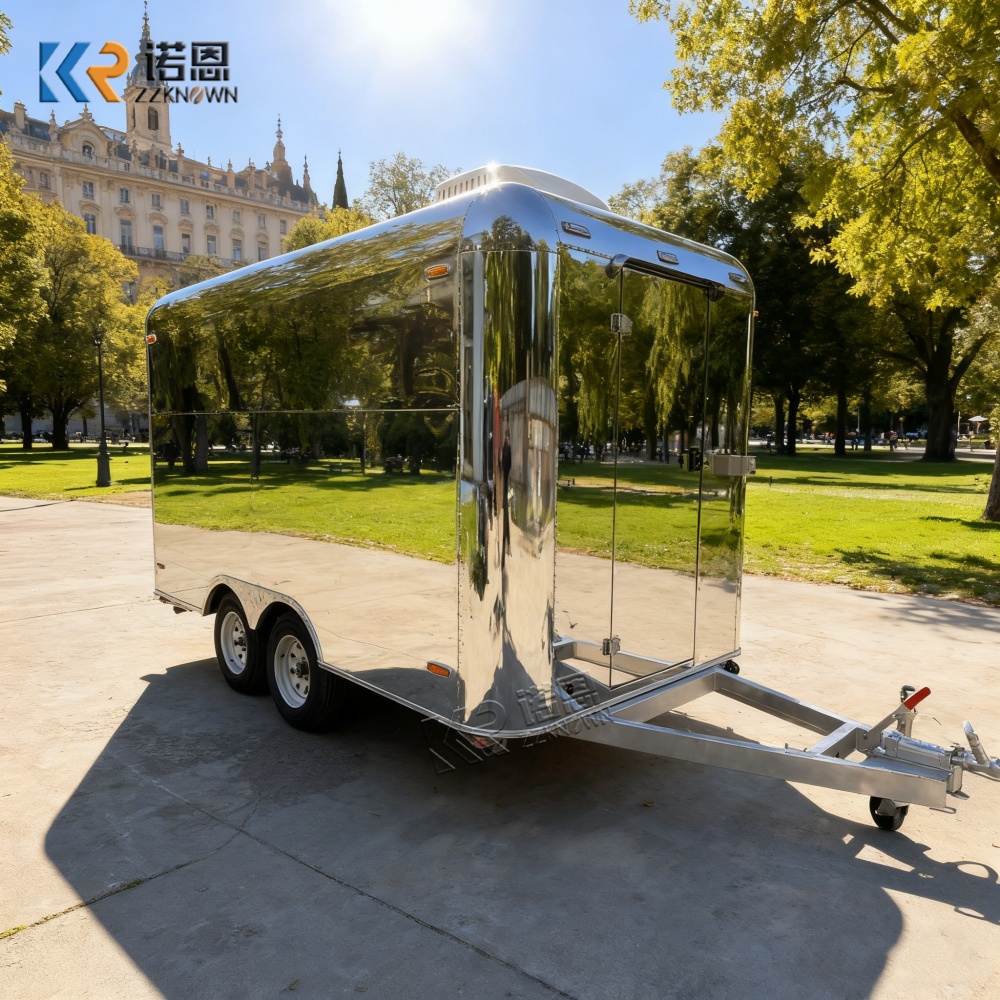
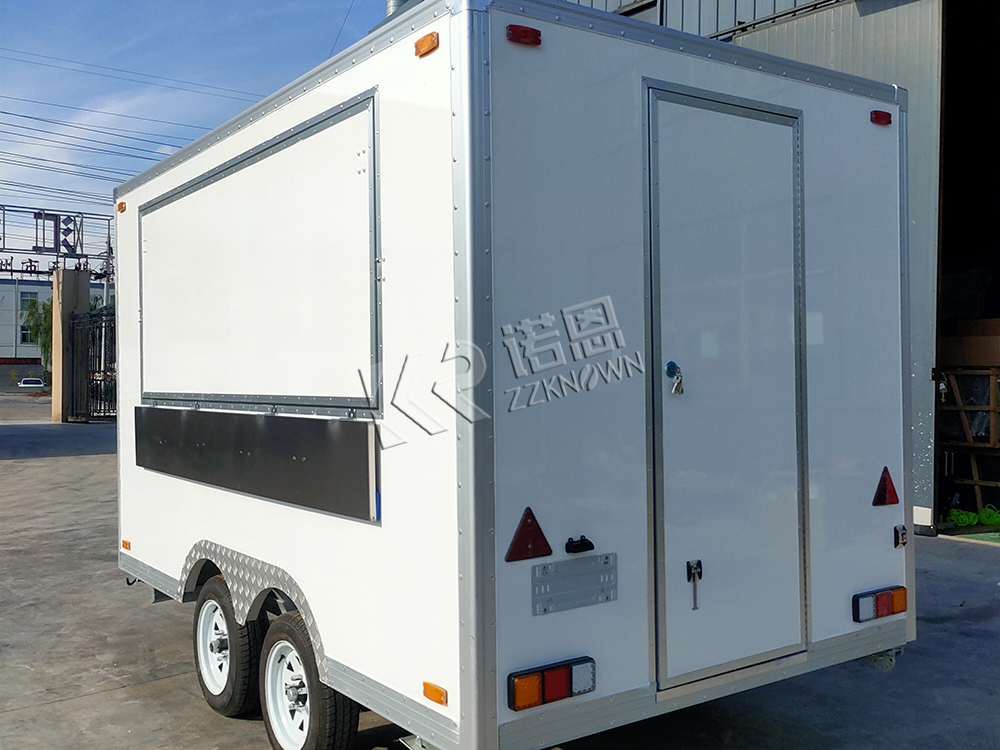
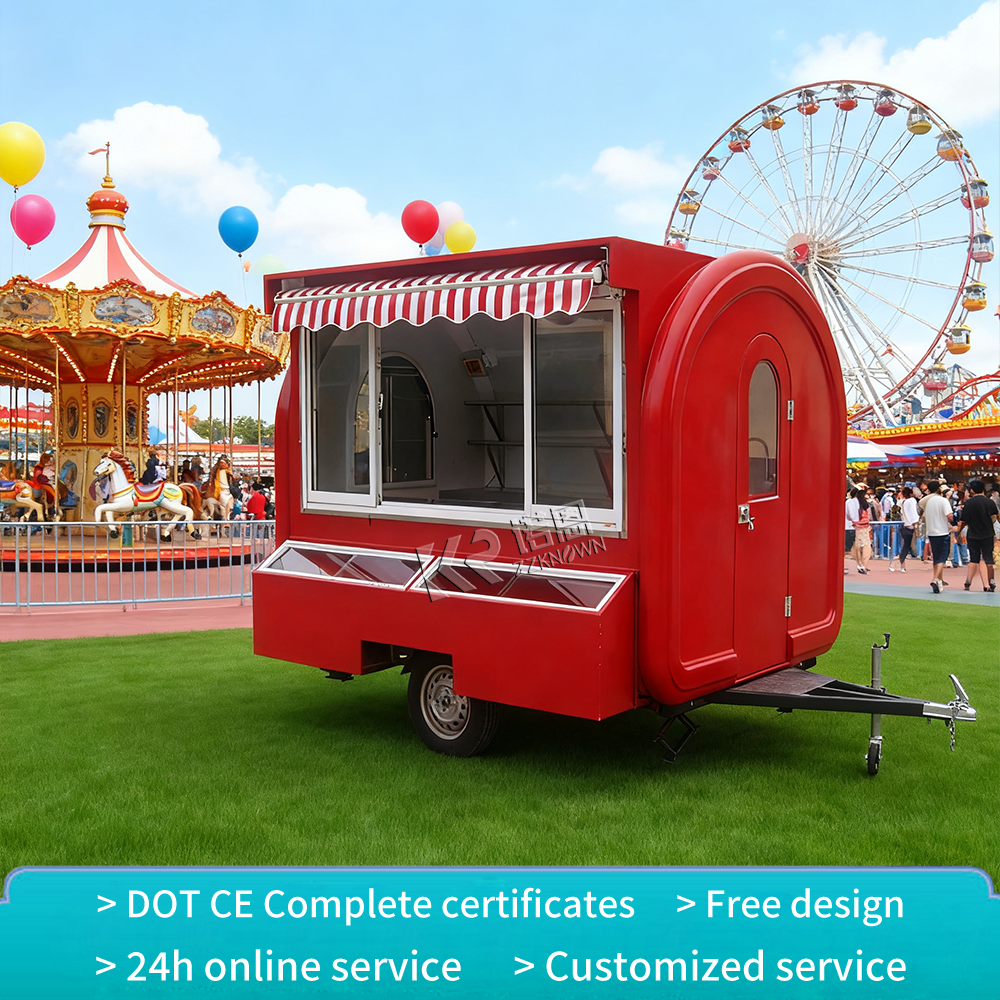
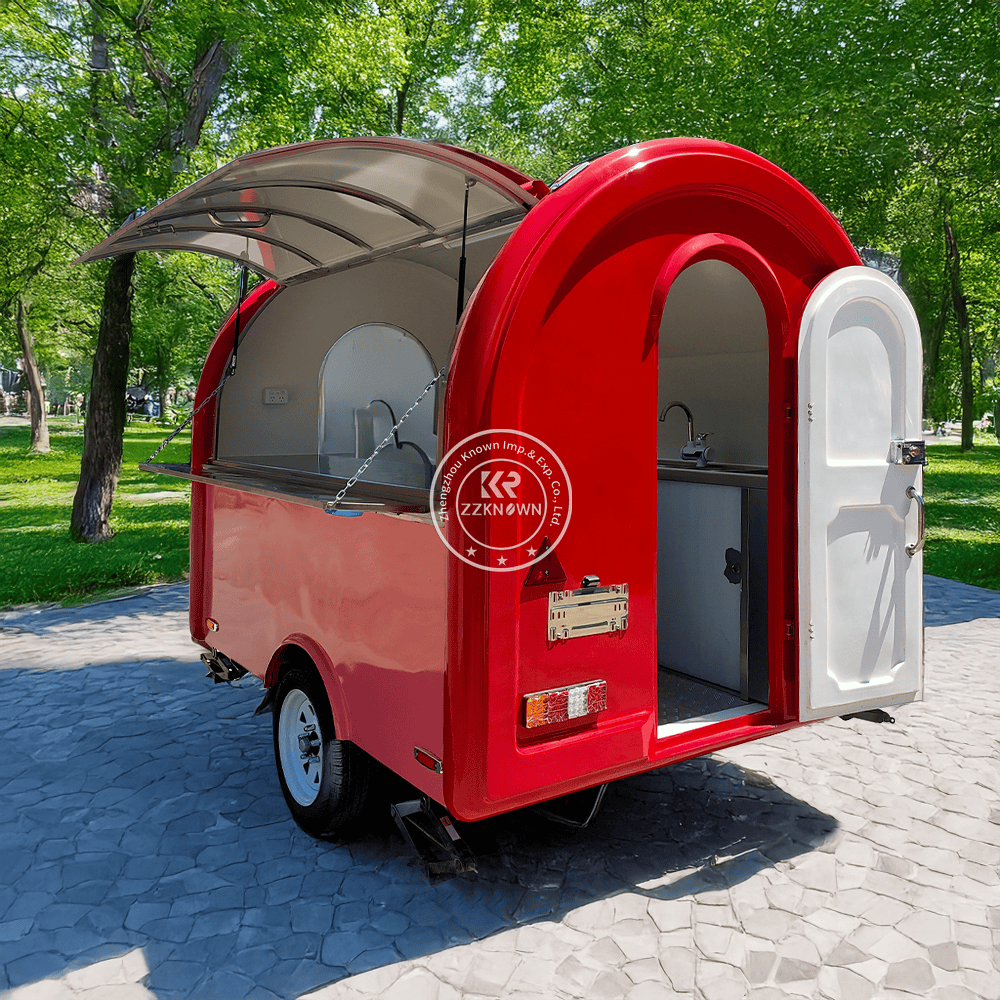
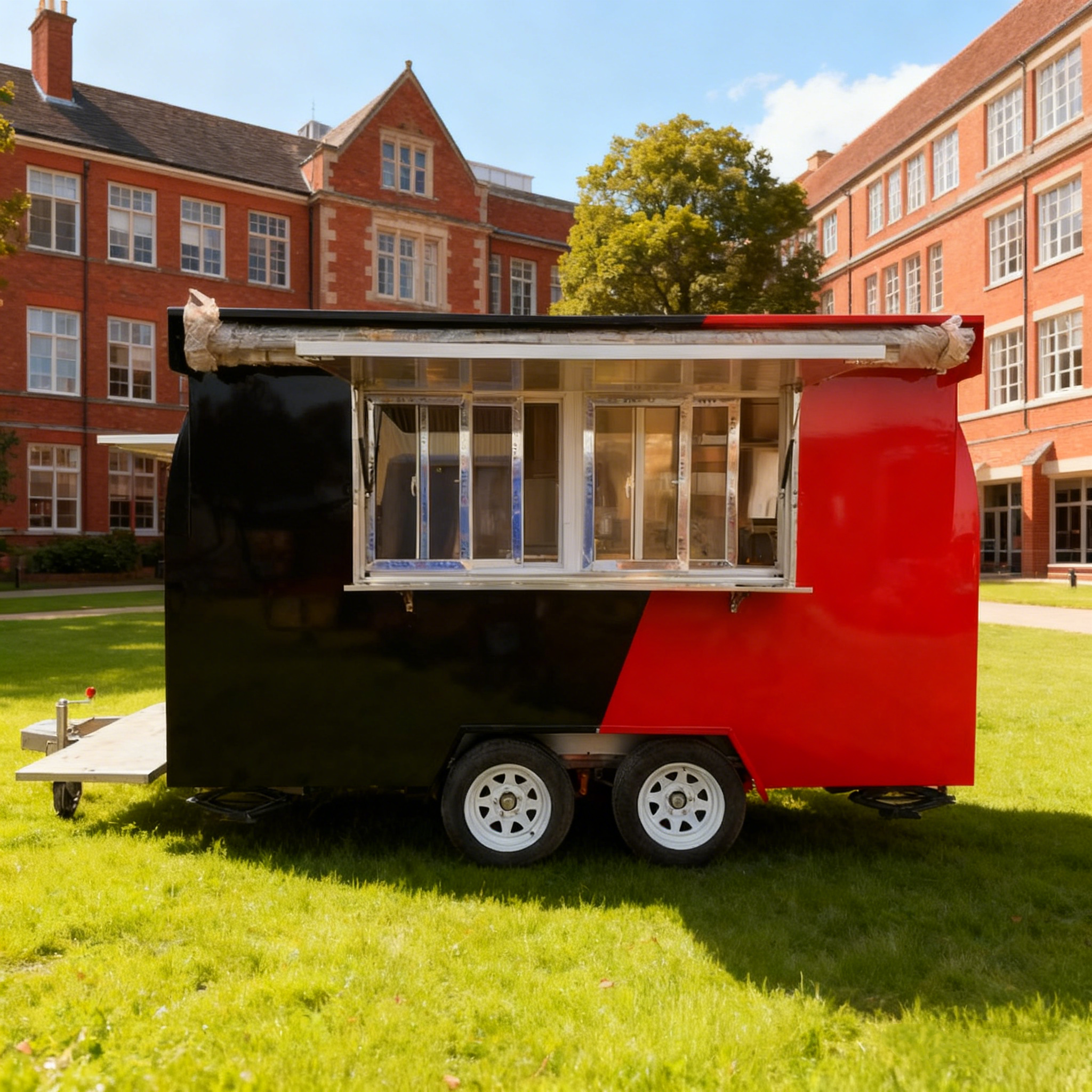
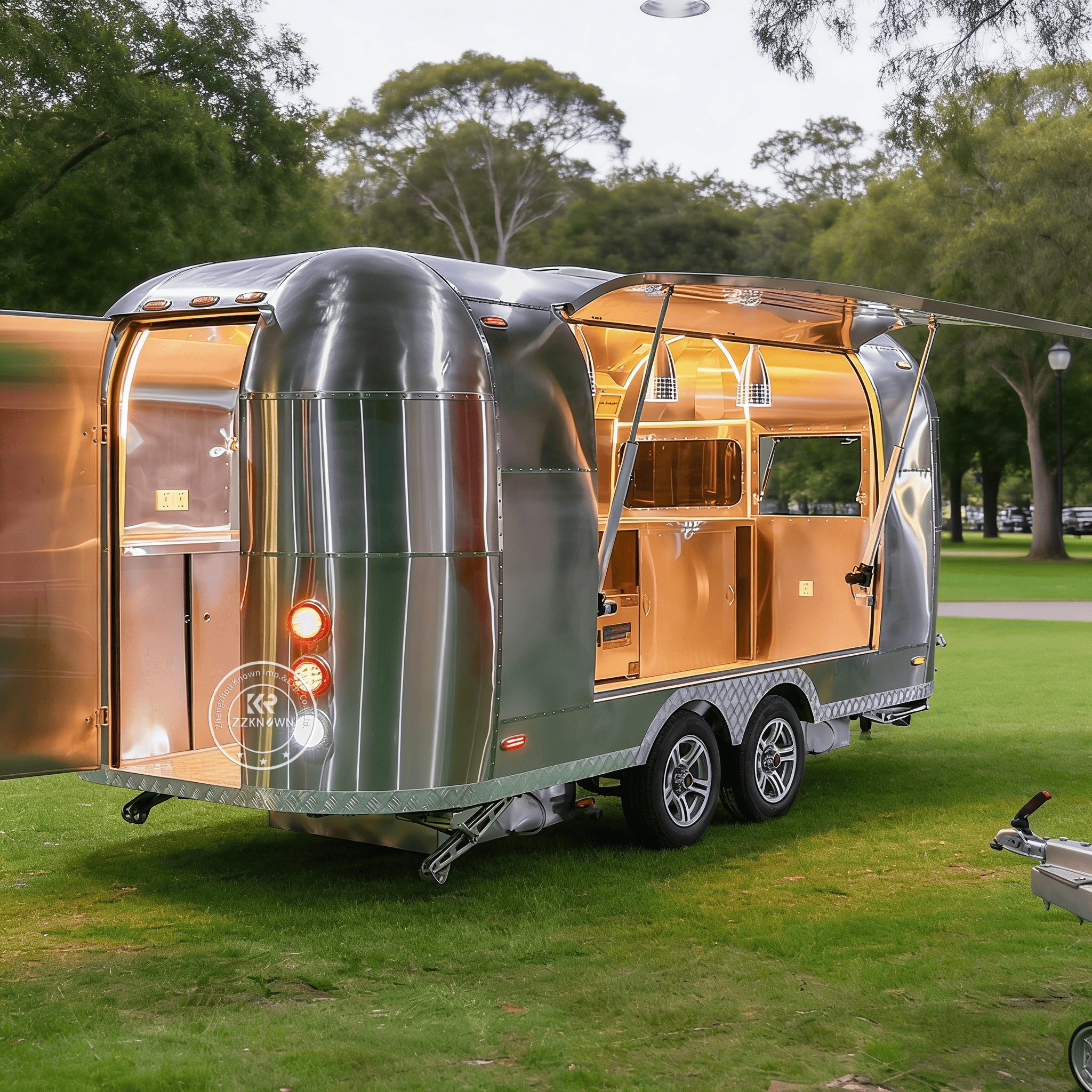
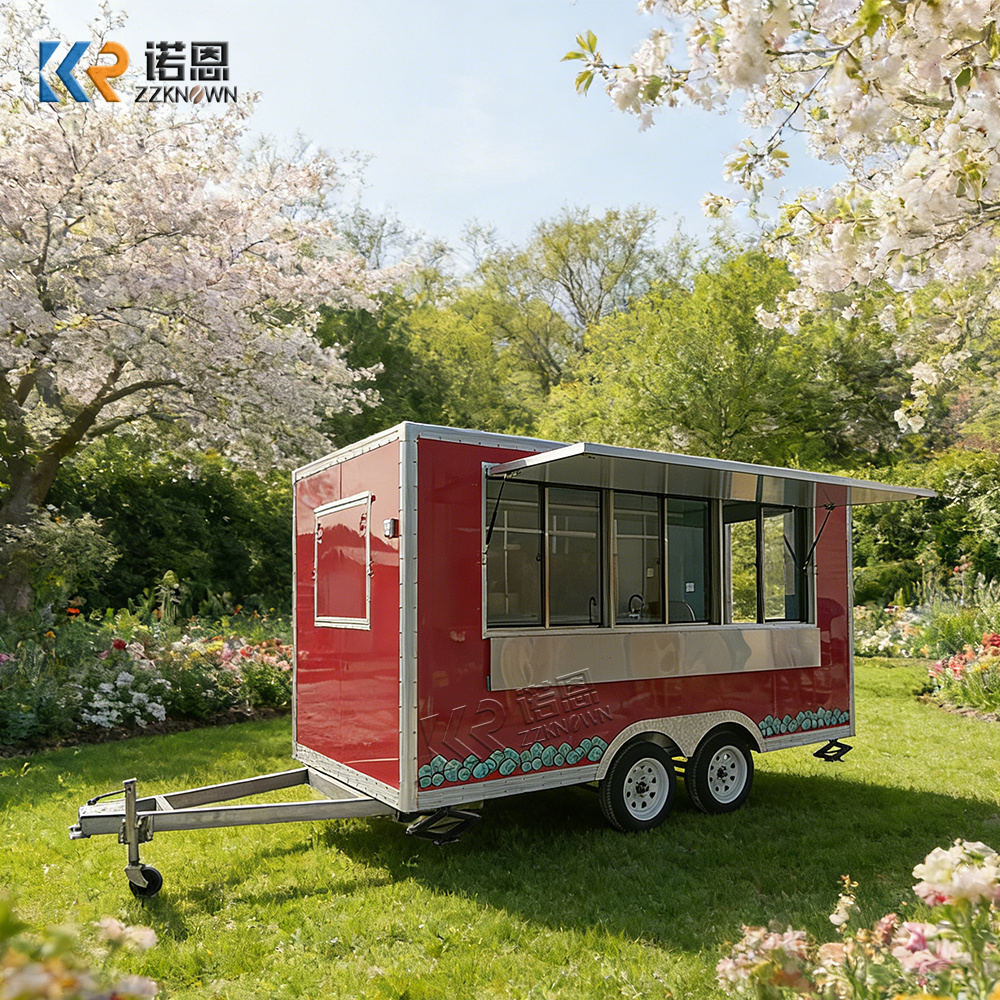
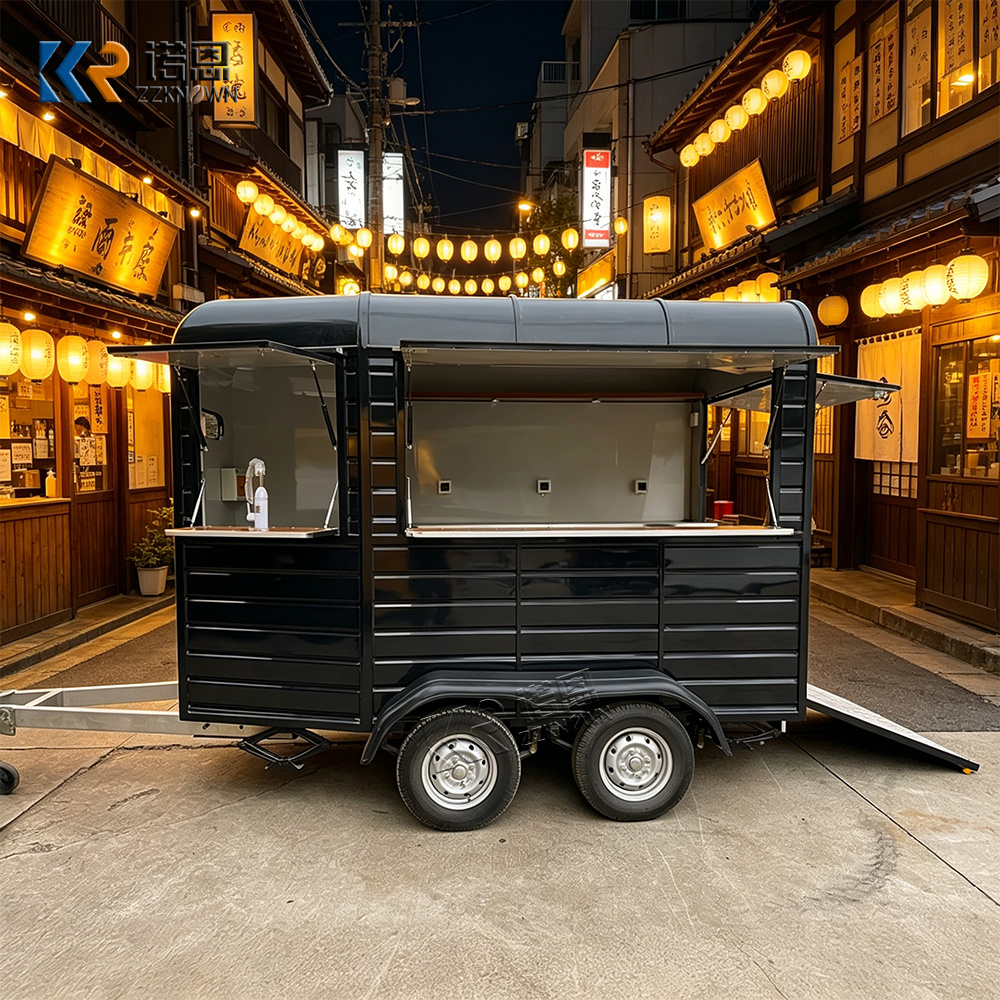
Step 4: Buy or Customize a Beverage Trailer
Your trailer is the core asset of your business.
Most beverage trailers cost between:
$8,000 and $25,000
depending on size, equipment, and customization.
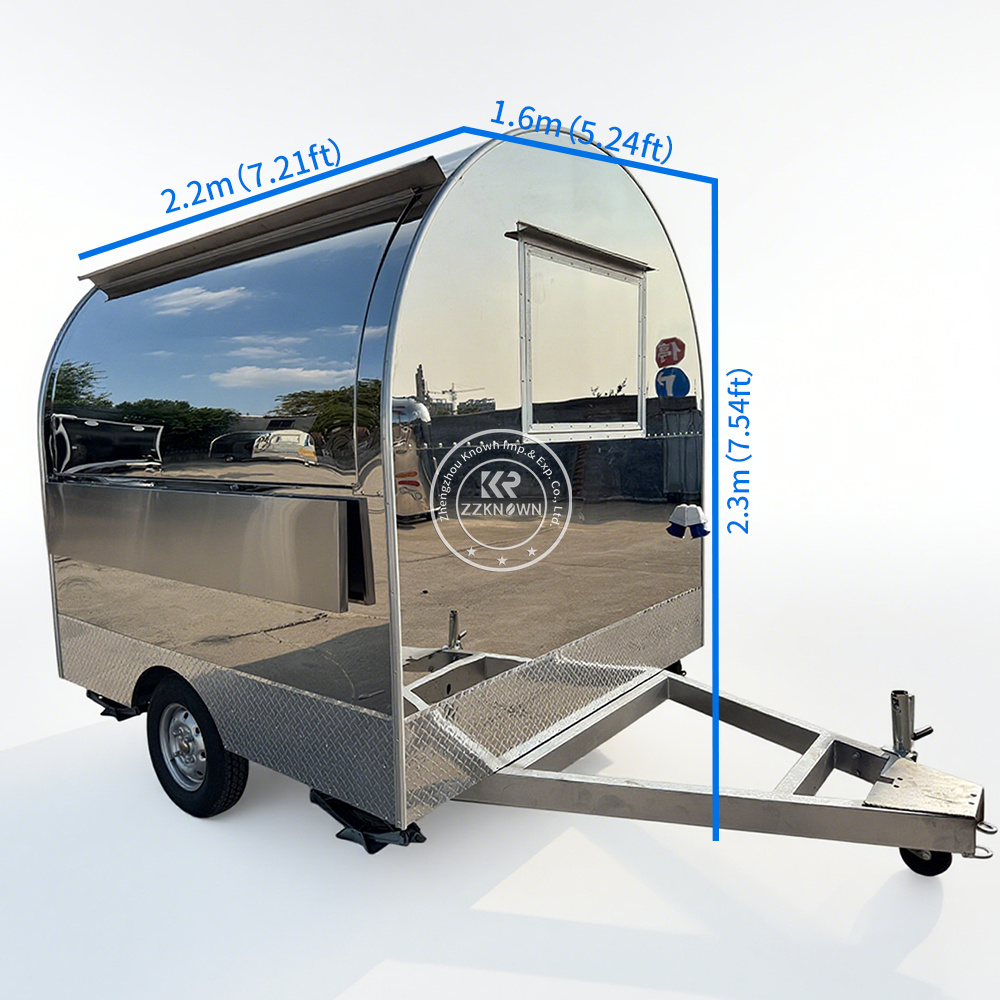
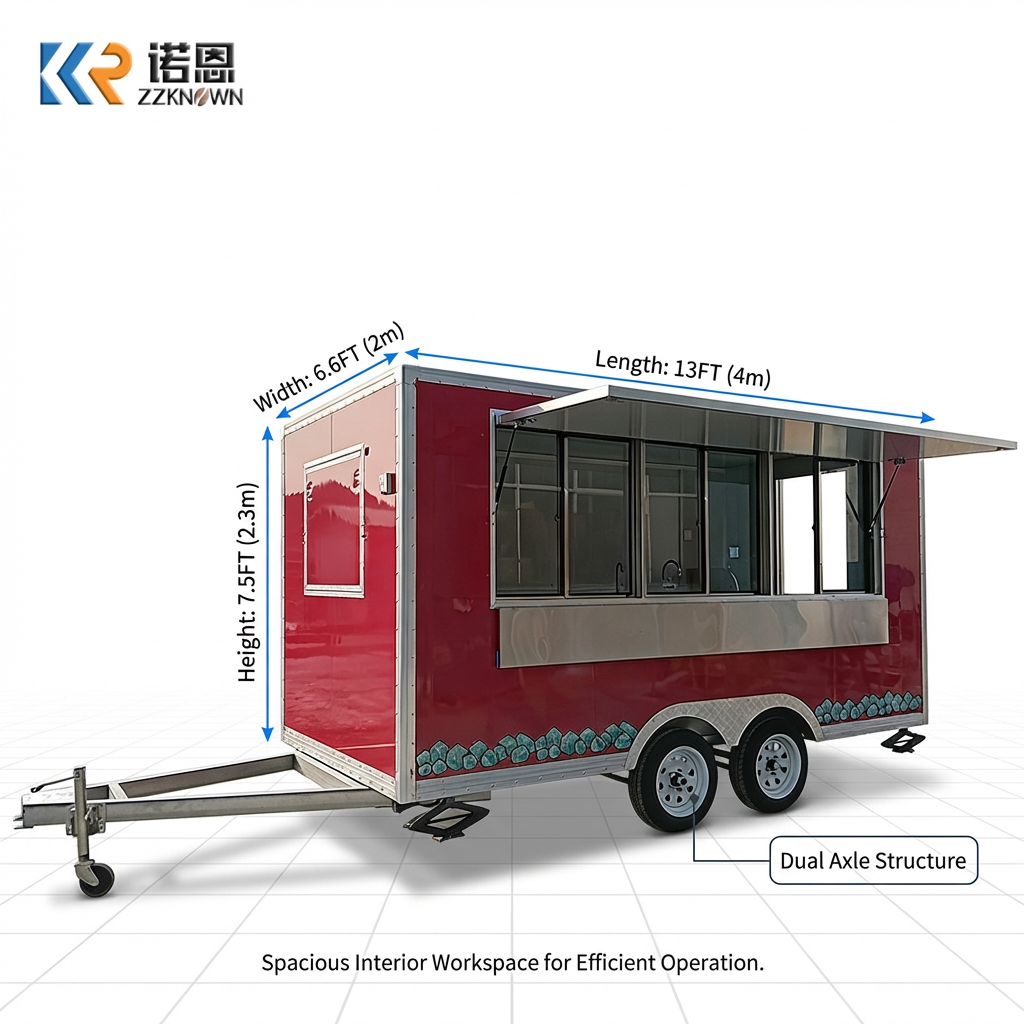
When buying a trailer, consider:
-
size and workspace
-
equipment capacity
-
storage space
-
service window design
-
electrical and water systems
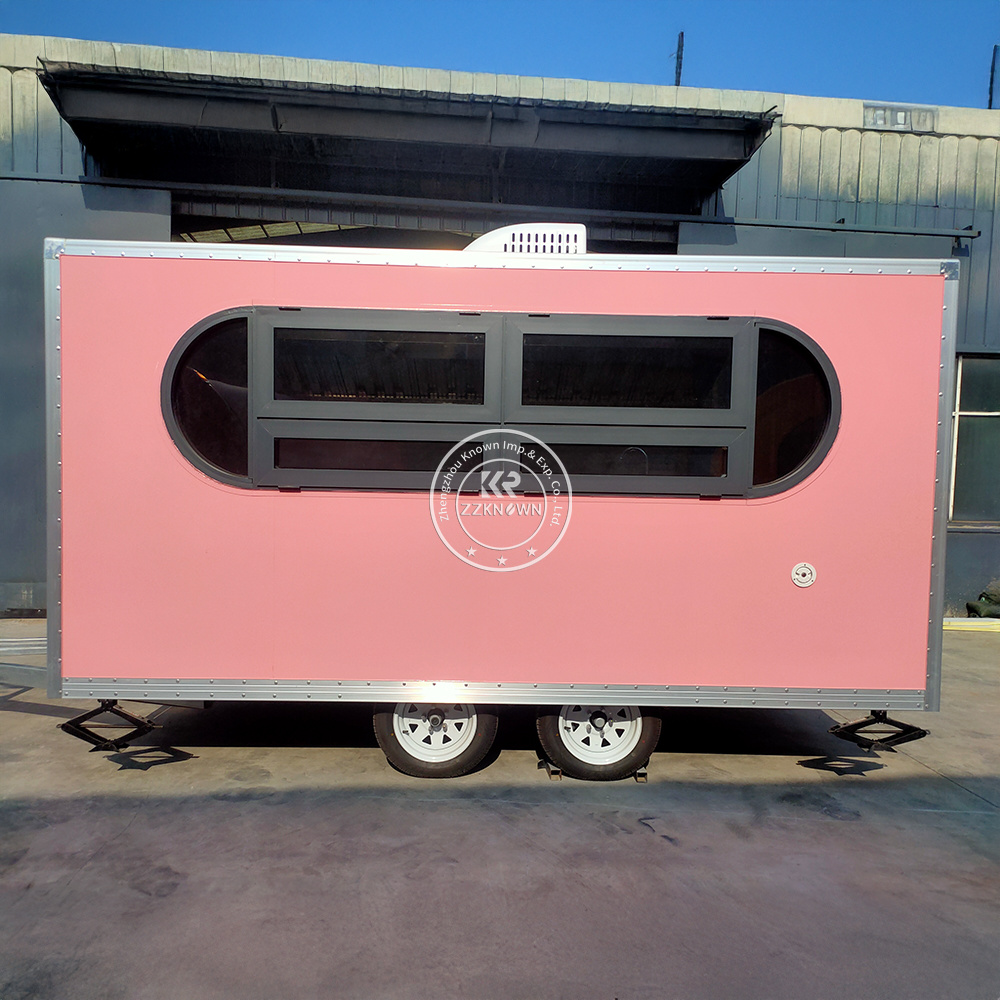
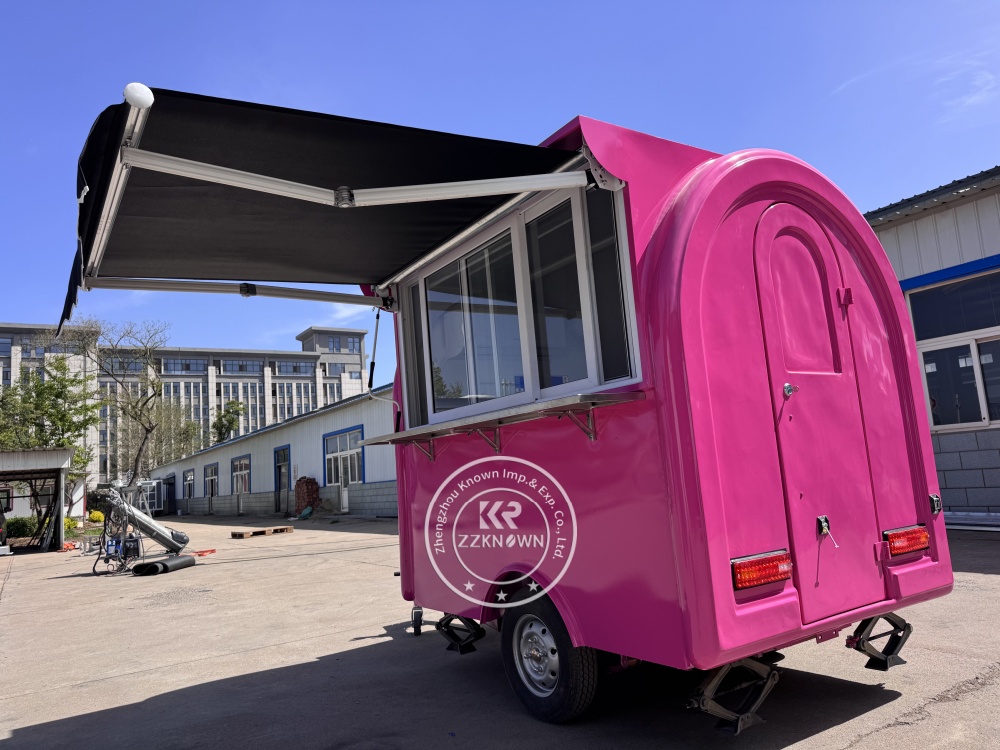
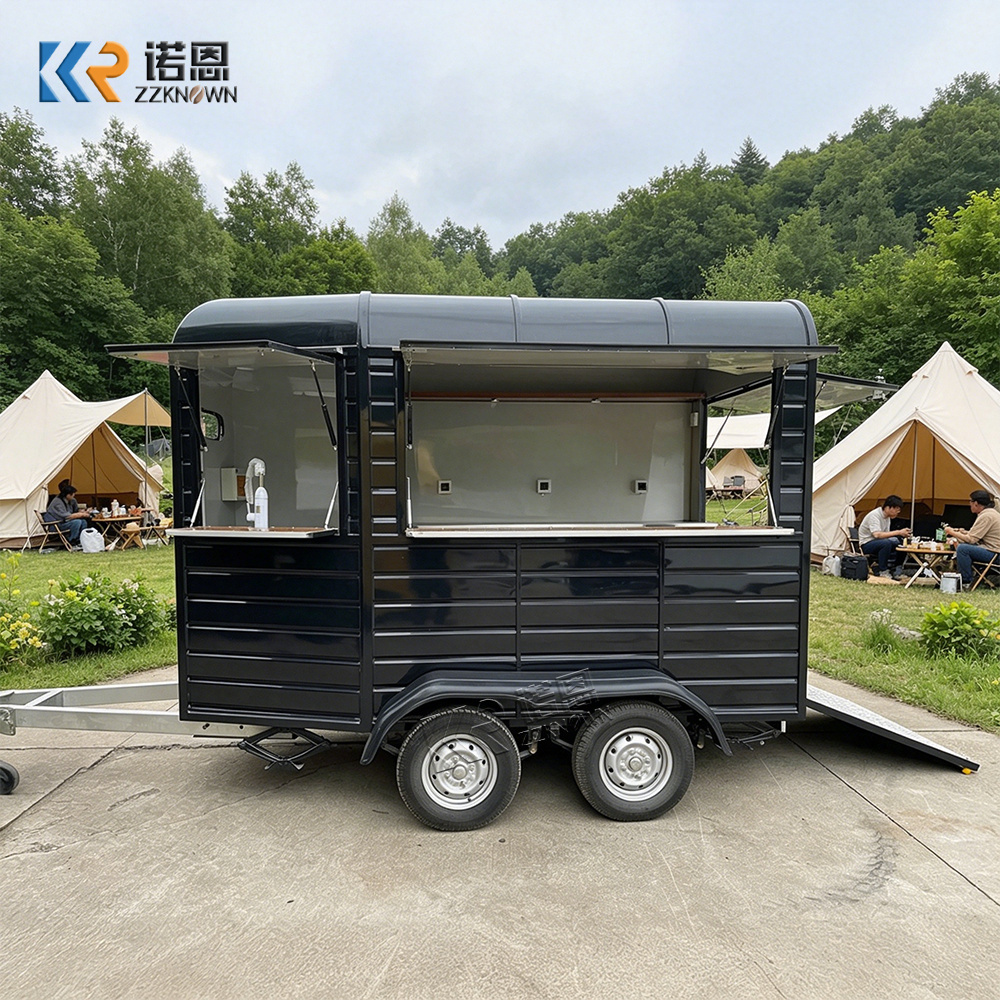
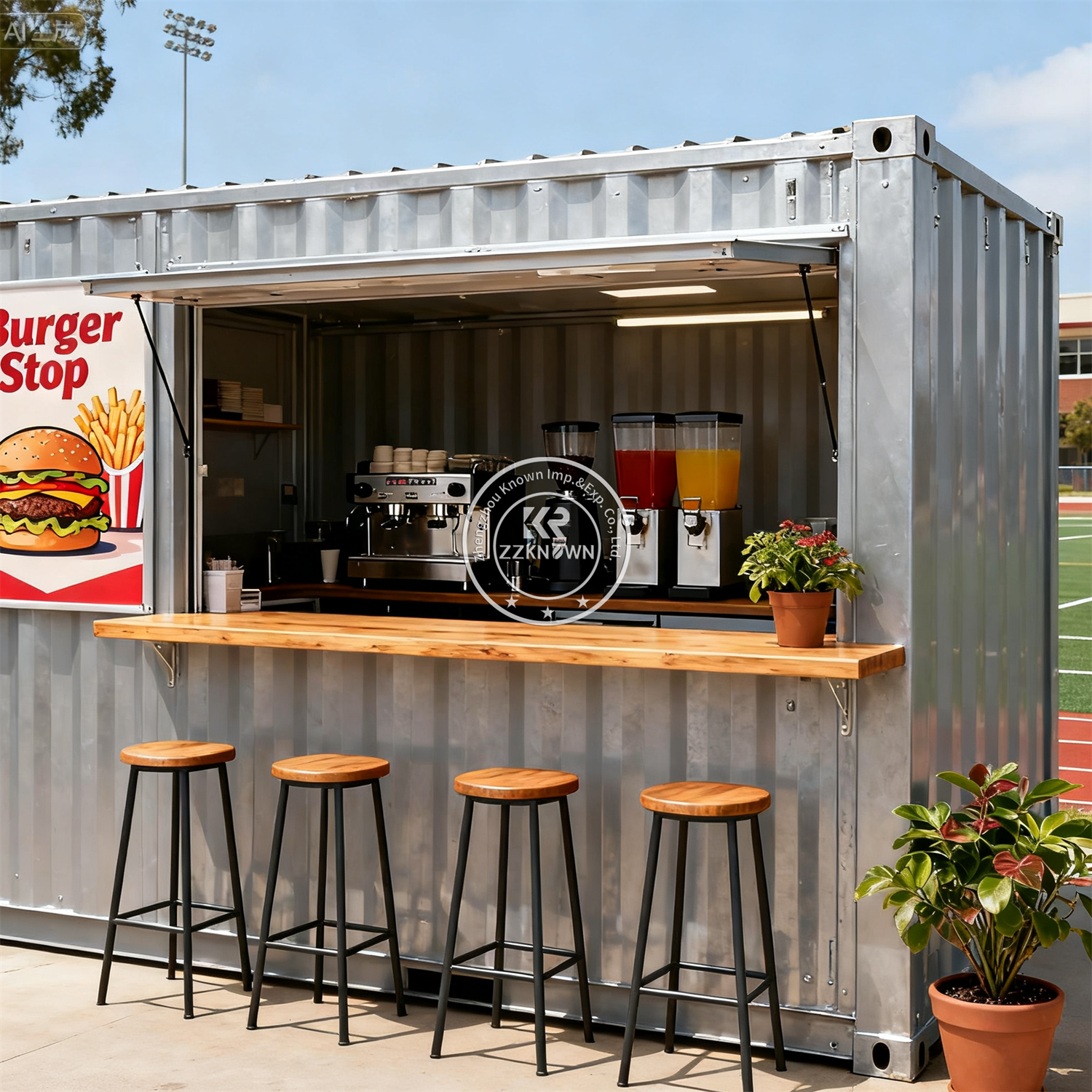
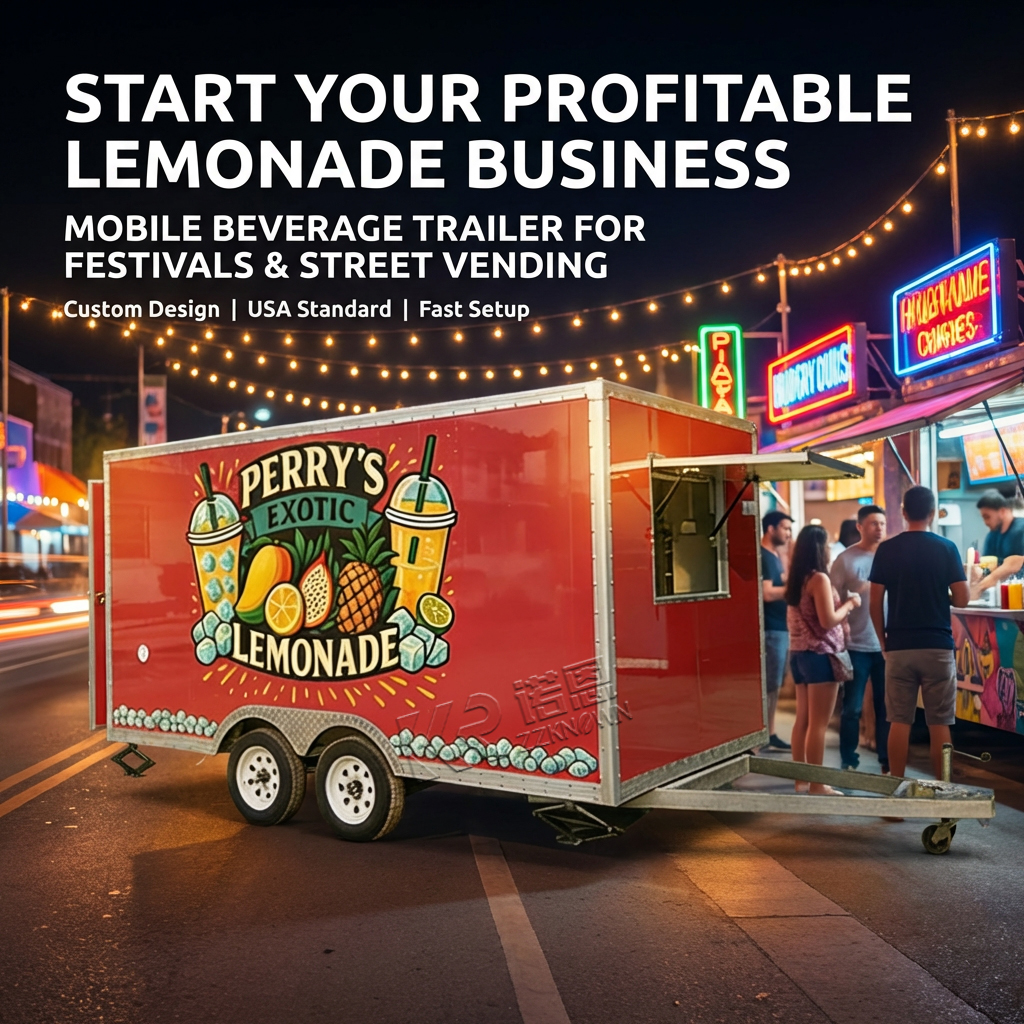
Many entrepreneurs prefer custom beverage trailers designed specifically for their drink menu.
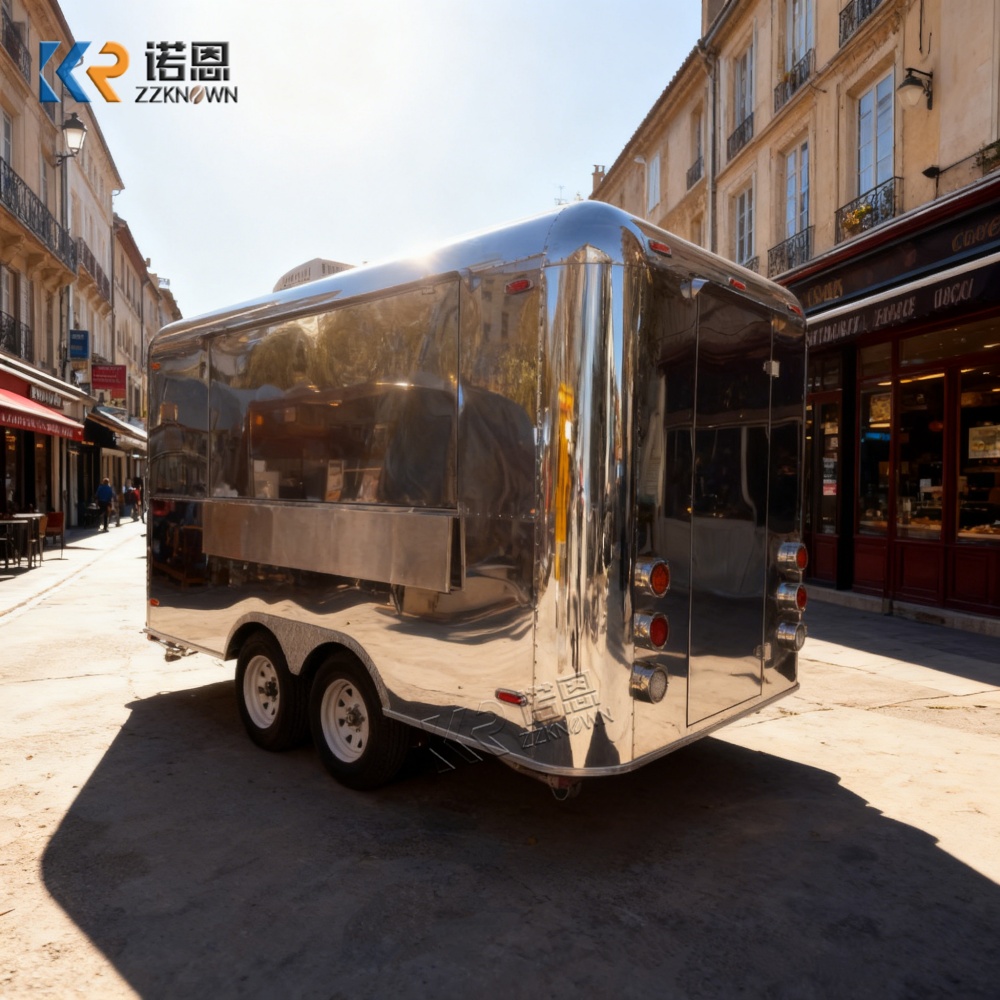
Manufacturers such as ZZKNOWN provide fully customizable beverage trailers and offer 2D and 3D design drawings, allowing buyers to visualize their trailer layout before production.
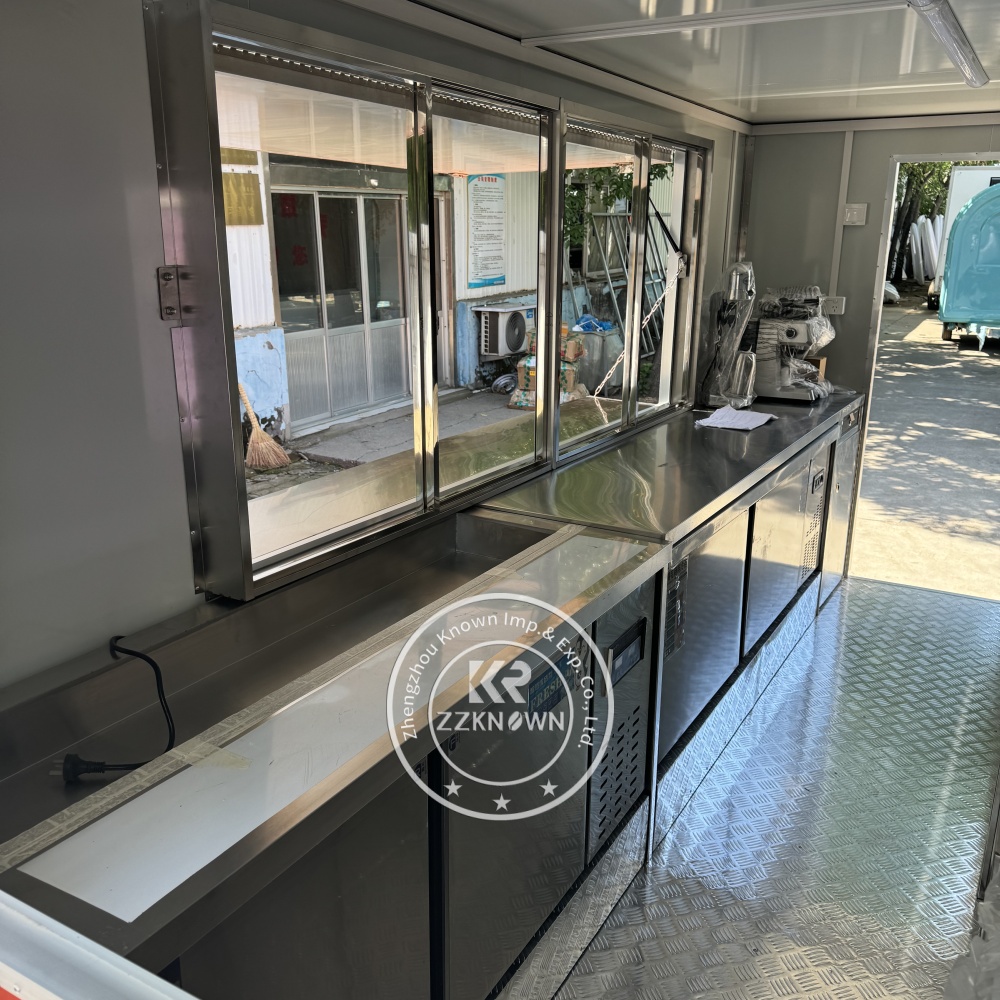
Step 5: Install the Right Equipment
The equipment you need depends on your drink menu.
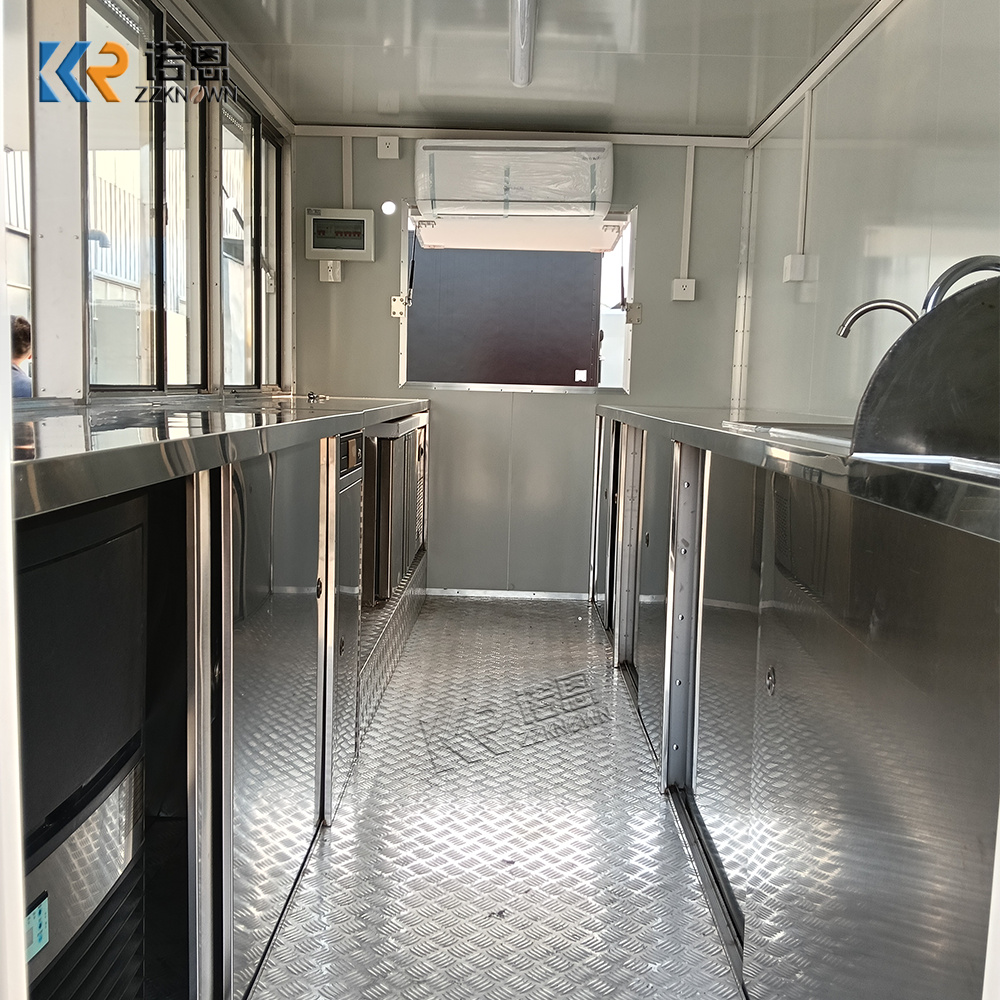
Common beverage trailer equipment includes:
Coffee machine
Commercial blender
Ice maker
Refrigerator or freezer
Stainless steel work tables
Water sink system
A well-equipped trailer allows you to serve customers quickly and maintain high product quality.
Step 6: Obtain Permits and Licenses
Food and beverage businesses usually require permits from local authorities.
Typical permits include:
Food vendor permit
Health department approval
Business license
Event vendor permits
Regulations vary by country and city, so it is important to check local requirements before opening your business.
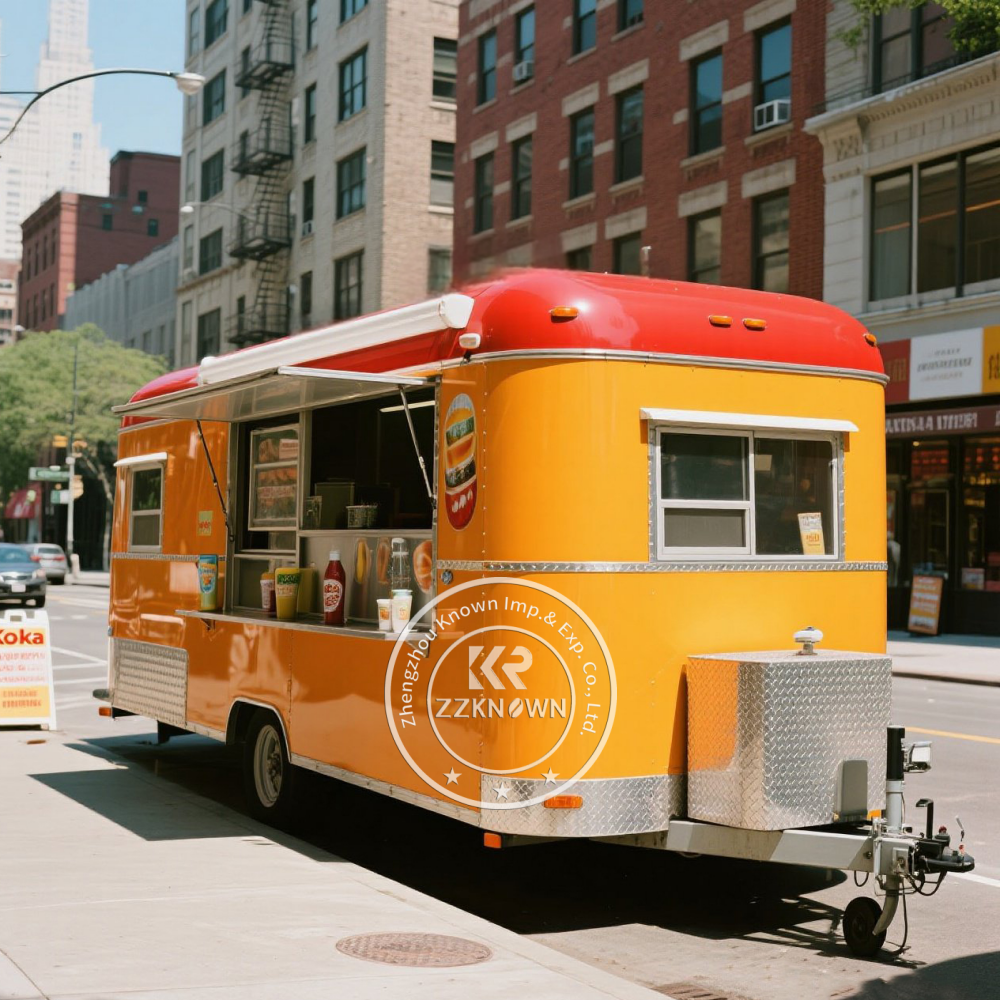
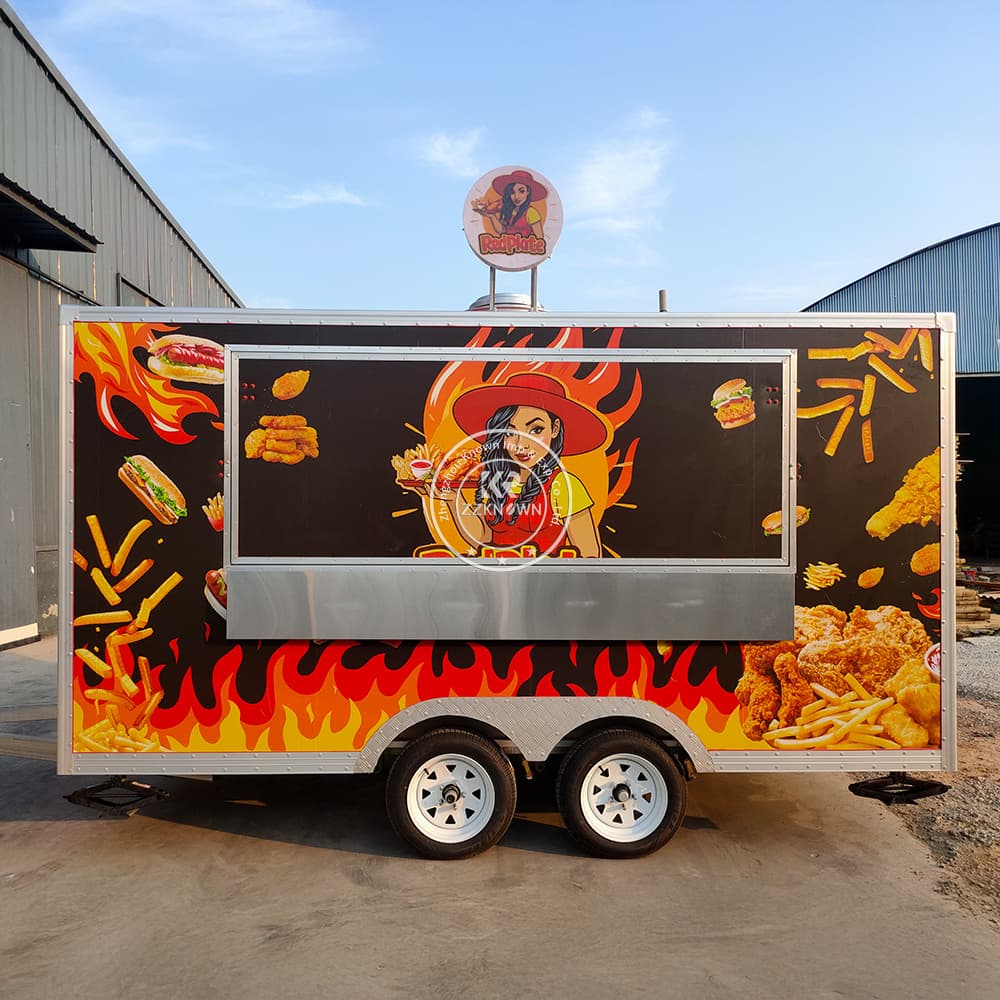
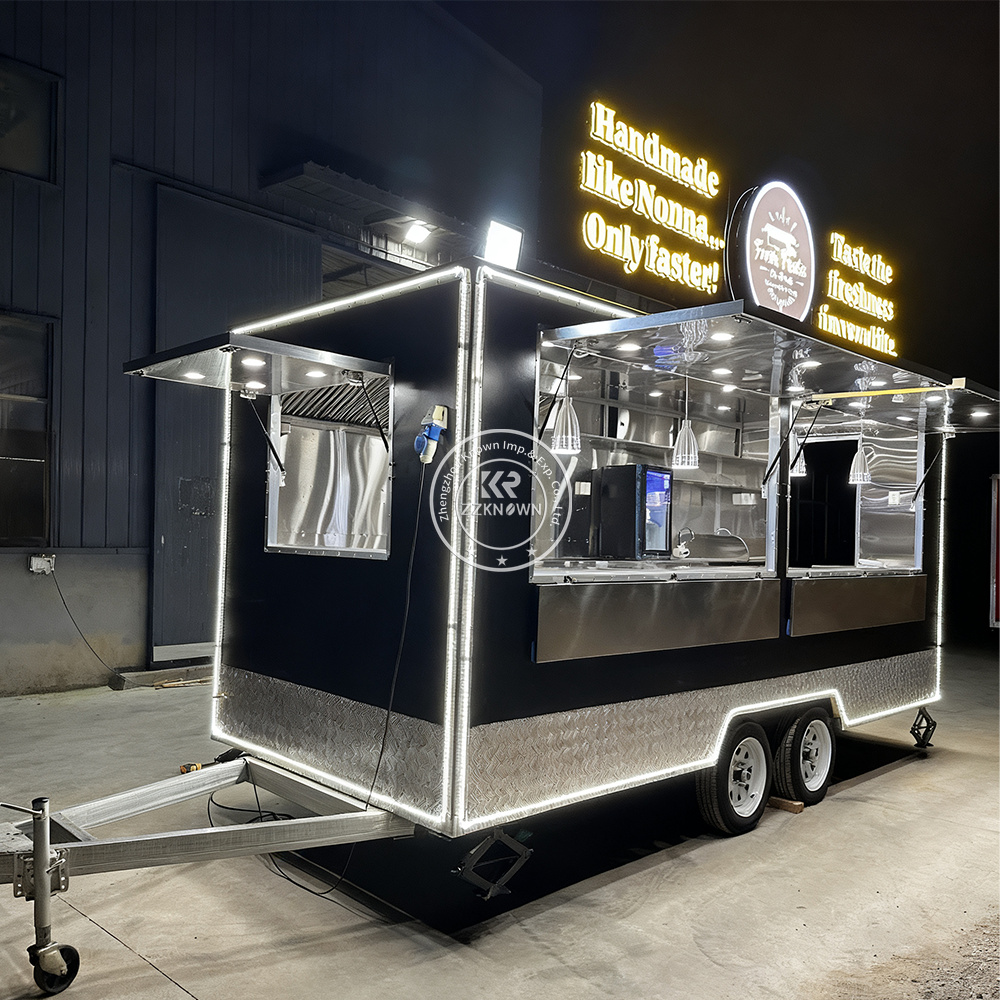
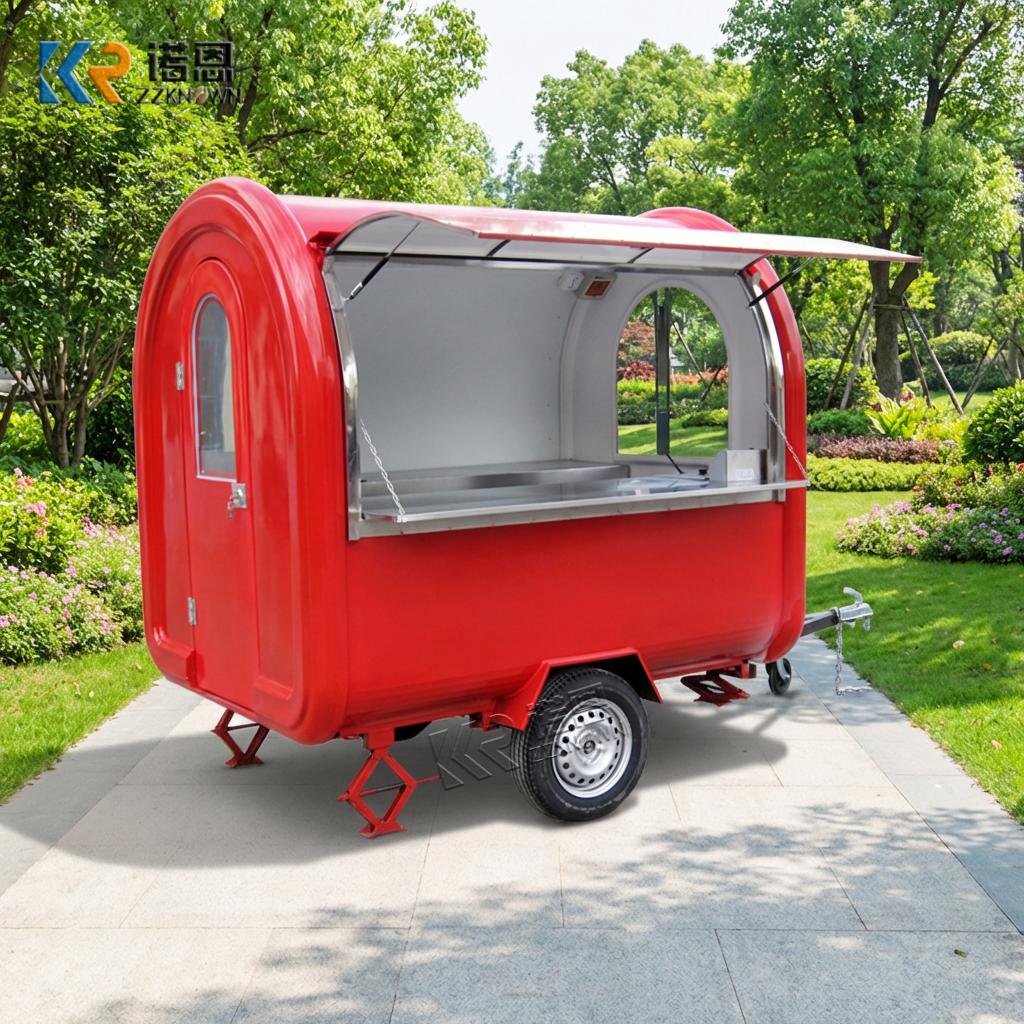
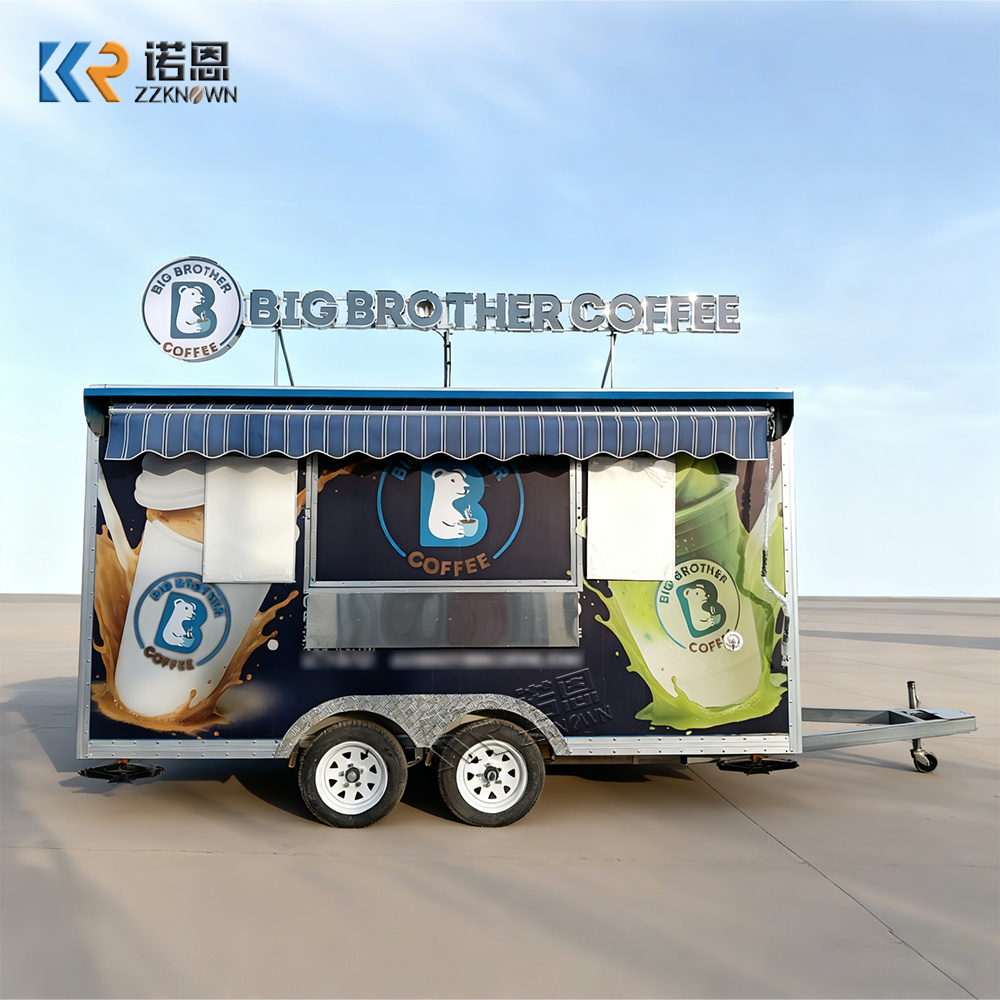
Step 7: Design an Attractive Trailer Appearance
Your trailer design plays a major role in attracting customers.
Important design elements include:
-
bright colors
-
large service windows
-
clear menu boards
-
strong logo branding
-
LED lighting
An eye-catching trailer can attract attention even in crowded events.
Professional manufacturers like ZZKNOWN often help entrepreneurs design visually appealing beverage trailers that stand out and attract more customers.
Step 8: Create a Profitable Drink Menu
Most successful beverage trailers offer 8 to 15 drink options.
A focused menu helps speed up service and reduce inventory costs.
High-profit drinks include:
Lemonade
Iced coffee
Bubble tea
Smoothies
Fruit refreshers
Simple menus often perform better because they allow staff to serve customers quickly.
Step 9: Choose the Right Locations
Location is one of the biggest factors influencing revenue.
Some of the best places to operate a beverage trailer include:
Music festivals
Outdoor markets
Tourist attractions
City parks
Beach areas
High-foot-traffic locations can generate hundreds or even thousands of drink sales per day.
Step 10: Promote Your Business
Marketing helps attract customers and build a loyal audience.
Effective marketing methods include:
Social media promotion
Instagram photos and videos
Google Maps listings
Local event partnerships
Encouraging customers to share photos of your drinks online can significantly increase brand visibility.
How Much Does It Cost to Start a Beverage Trailer Business?
Typical startup costs include:
Beverage trailer: $8,000 – $25,000
Equipment: $2,000 – $8,000
Permits and licenses: $500 – $2,000
Initial ingredients: $300 – $1000
Total startup investment usually ranges between:
$12,000 and $35,000
Compared with opening a traditional café or restaurant, this investment is relatively low.
How Much Can a Beverage Trailer Make?
Many beverage trailer businesses generate daily revenue between:
$300 and $3000, depending on location and event size.
Because drink ingredients are inexpensive, profit margins can reach 60% to 75%.
Some successful operators recover their startup investment within 6 to 12 months.
Final Thoughts
Starting a beverage trailer business is one of the most accessible ways to enter the food and beverage industry.
With relatively low startup costs, flexible locations, and high-margin products, beverage trailers offer strong potential for entrepreneurs.
By choosing the right drink concept, selecting a good location, and investing in a professionally designed beverage trailer from experienced manufacturers like ZZKNOWN, you can build a successful and profitable mobile beverage business in 2026 and beyond.