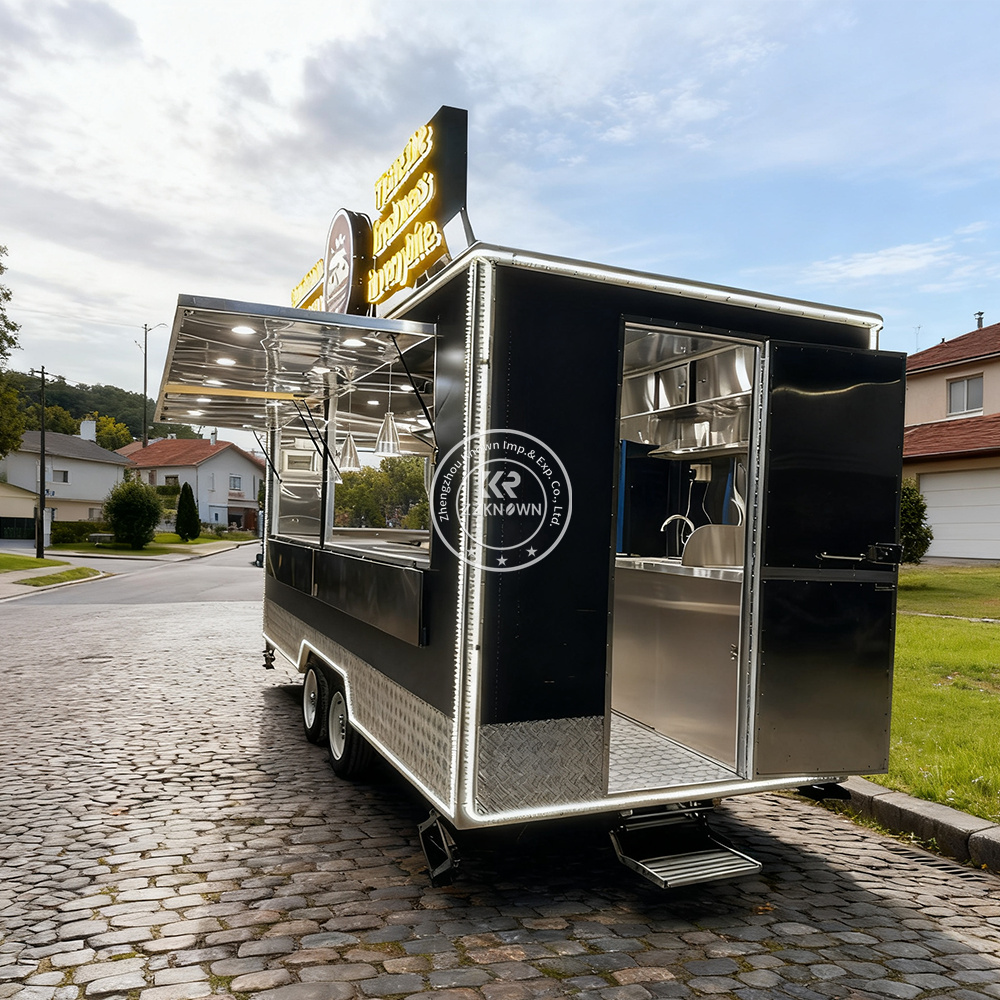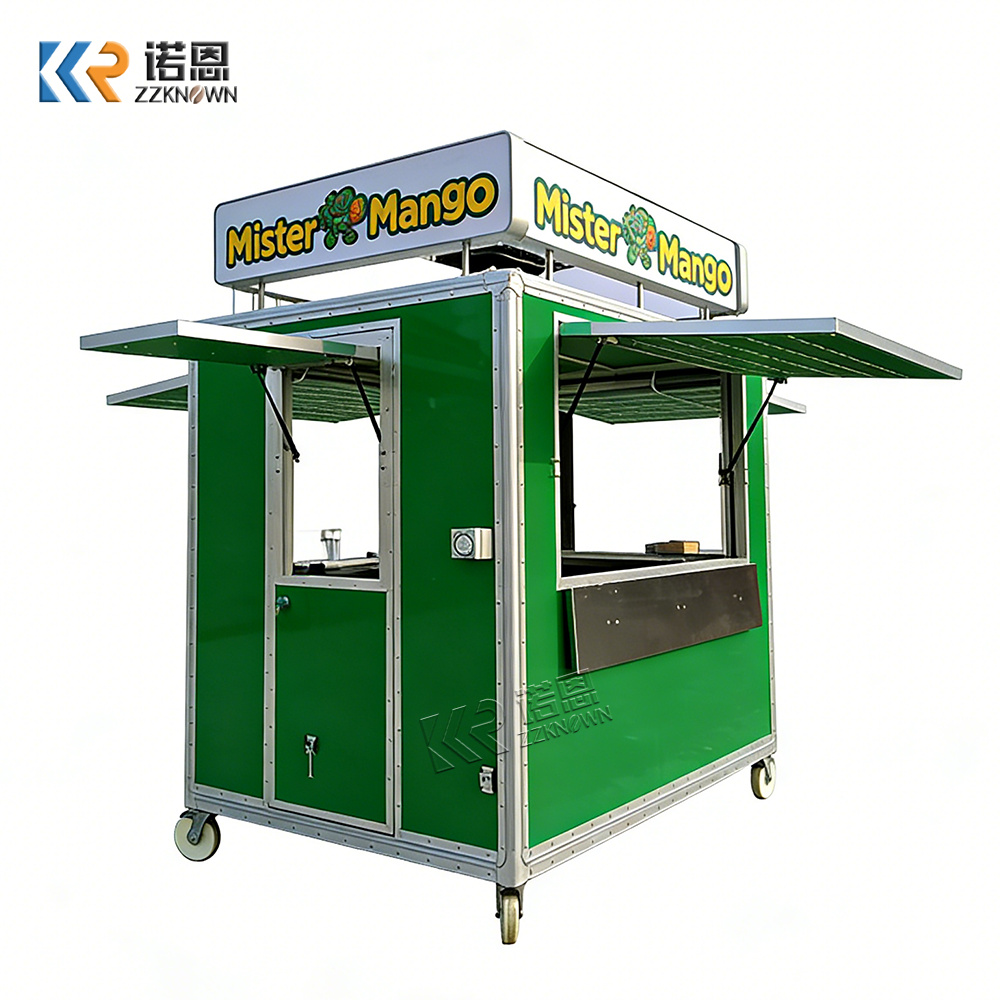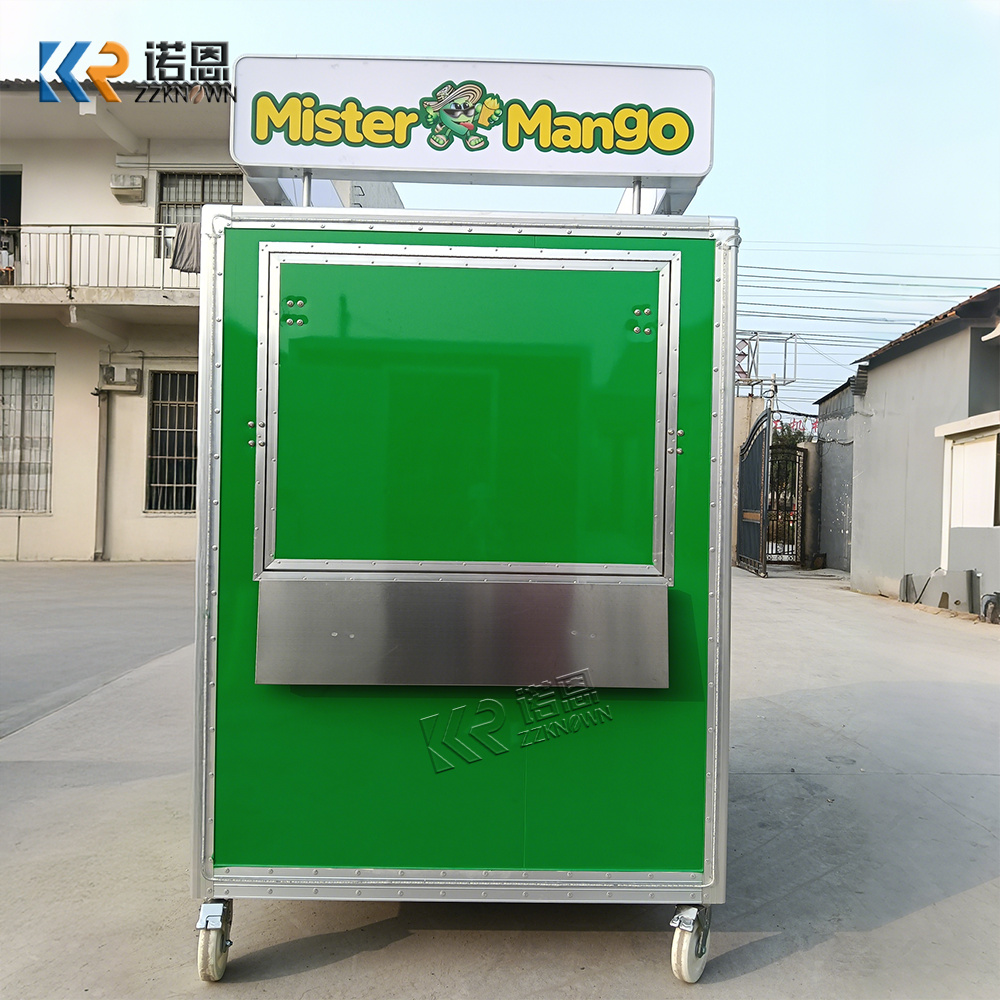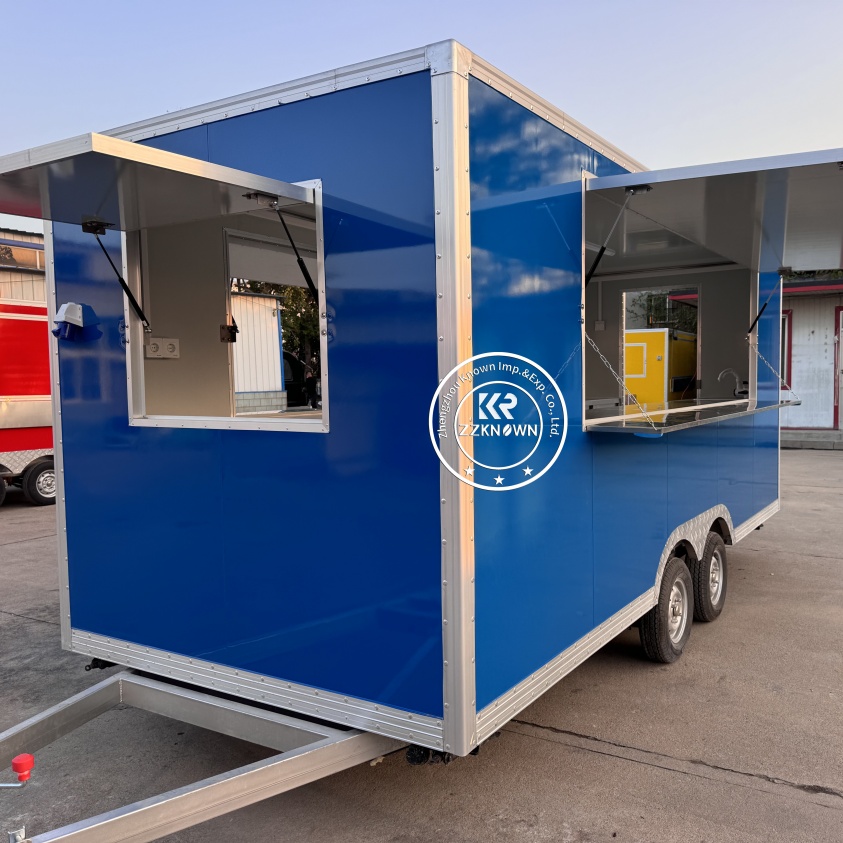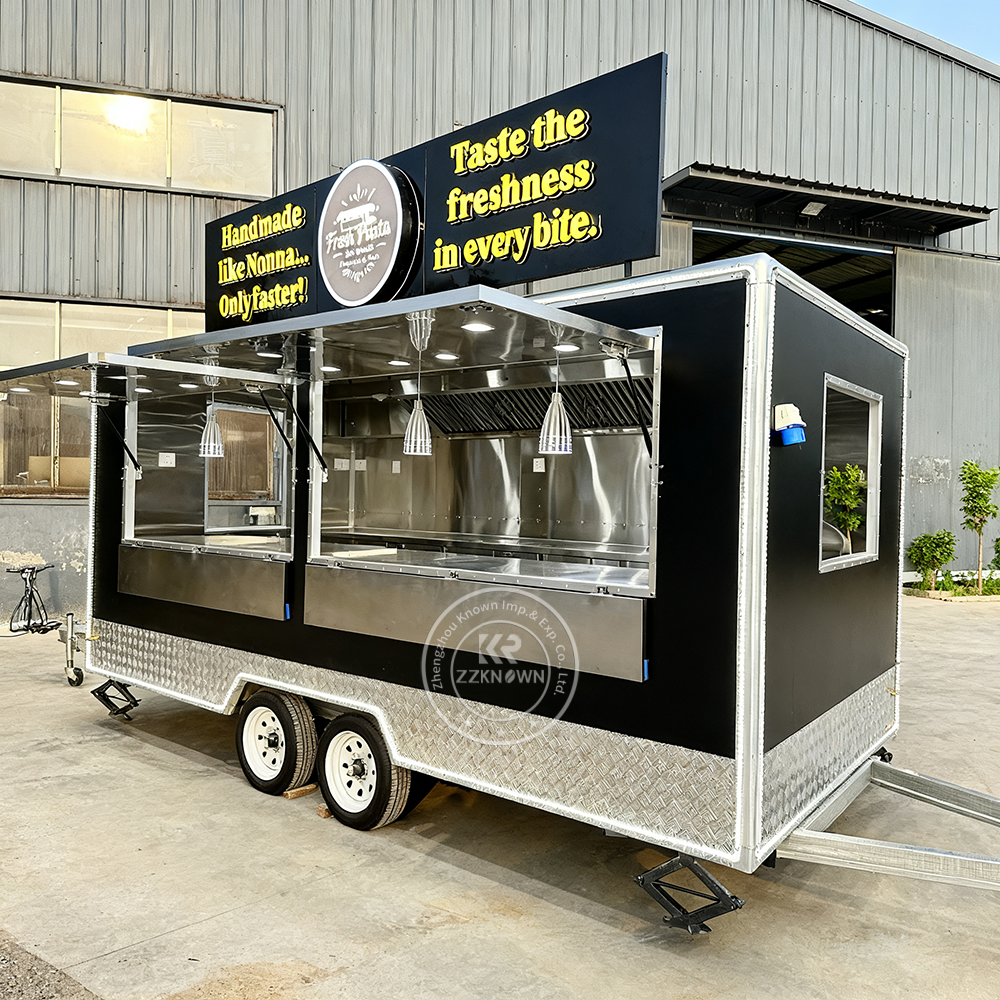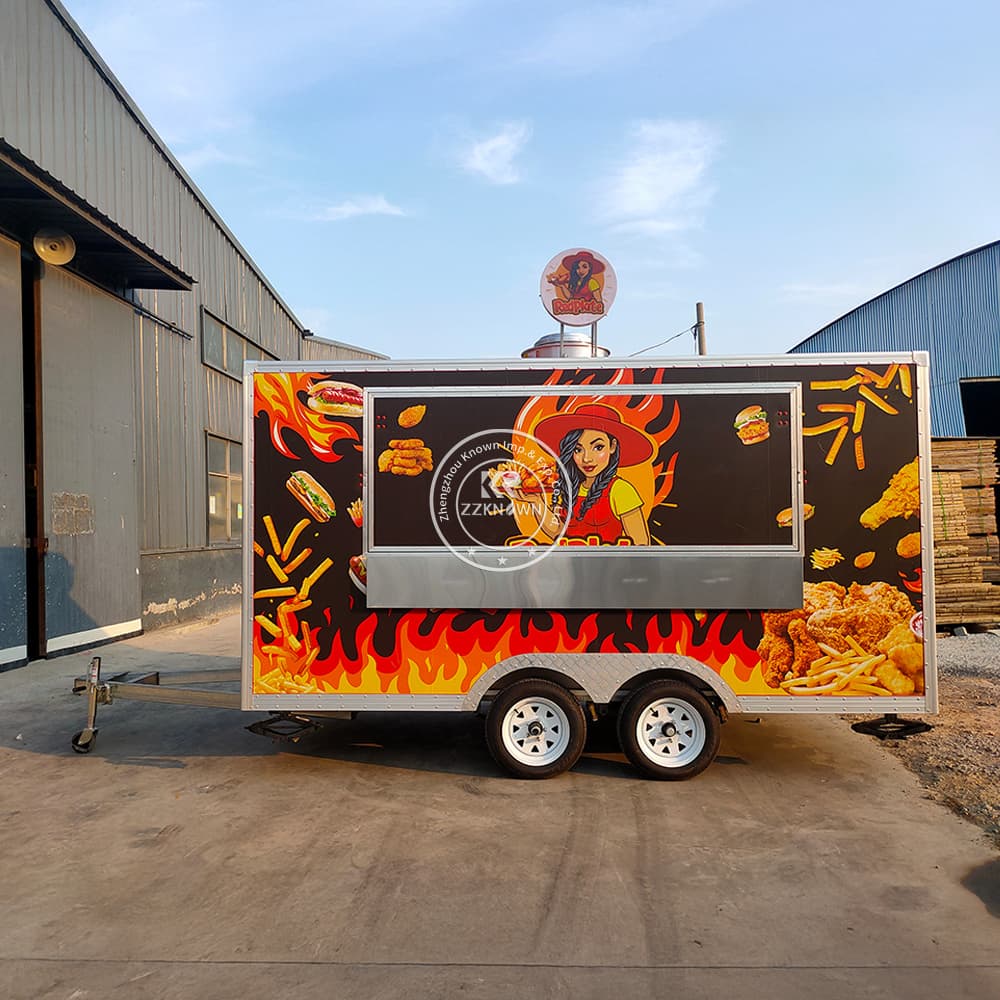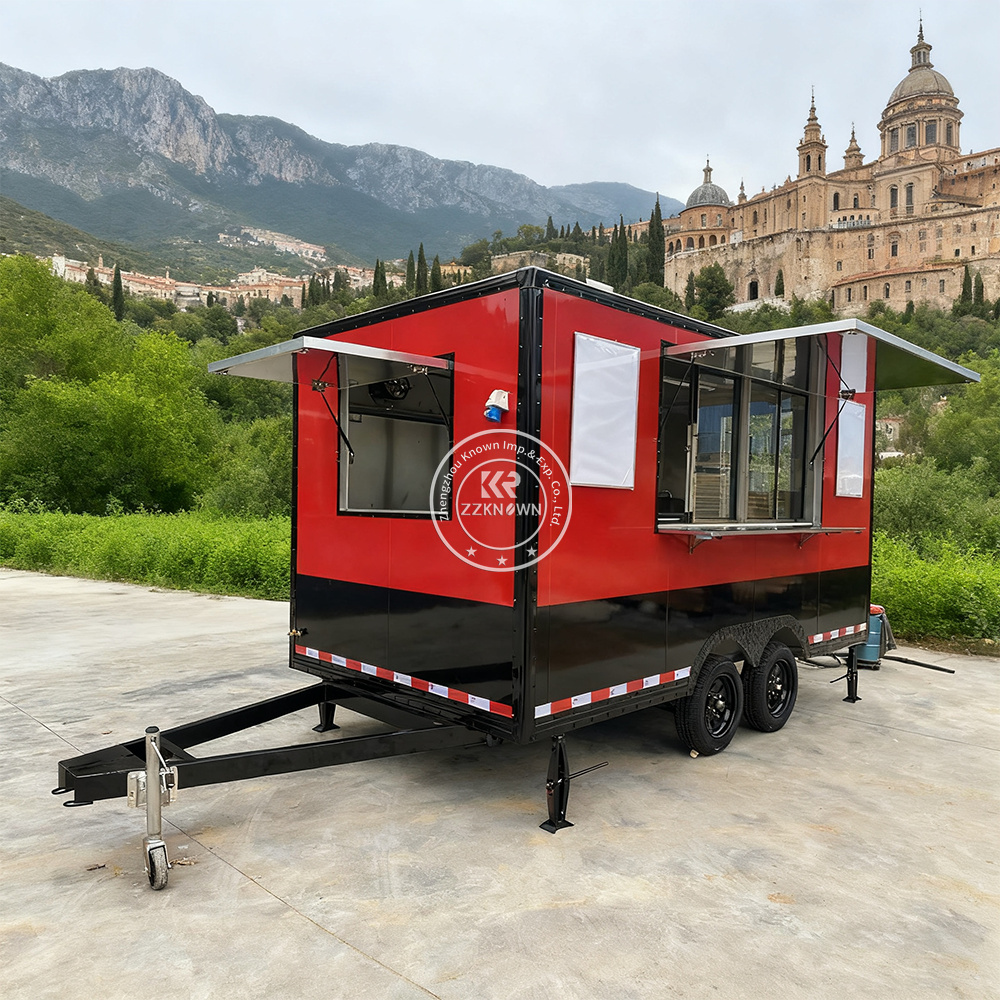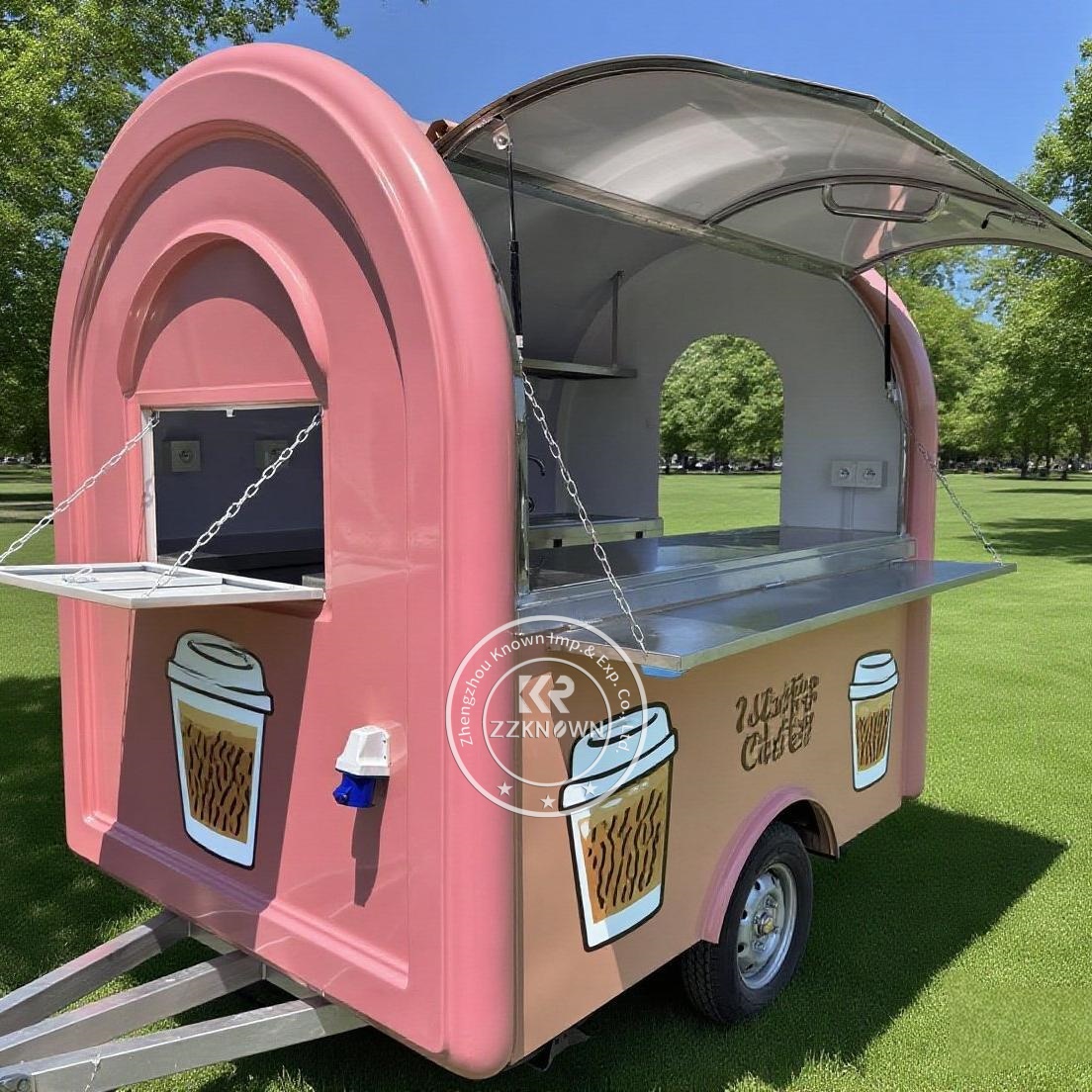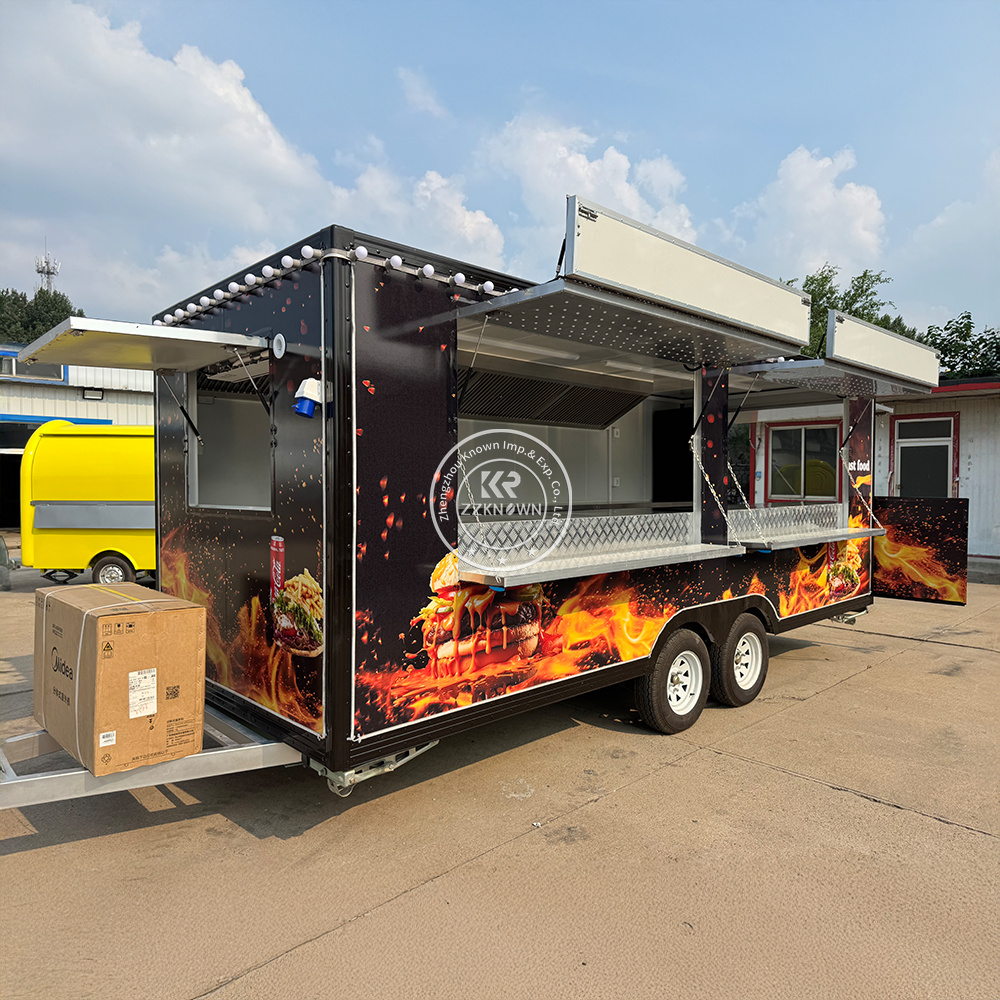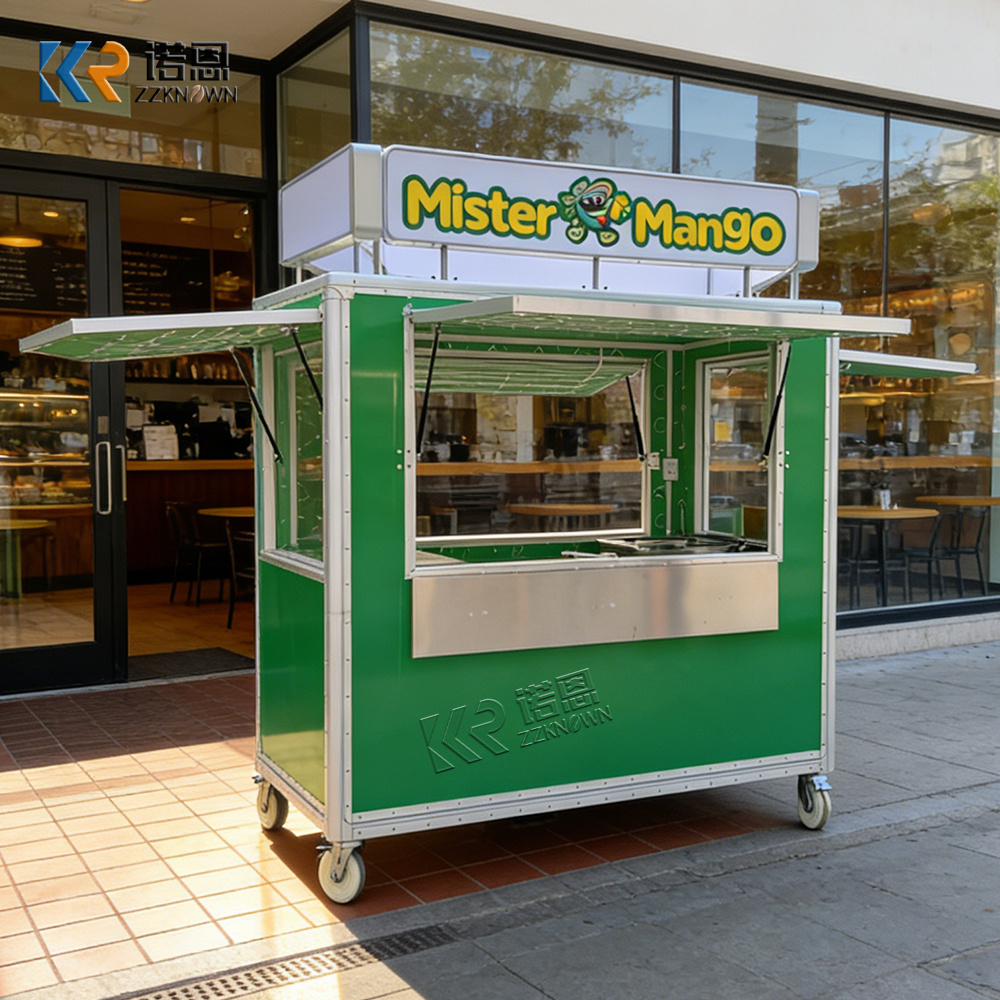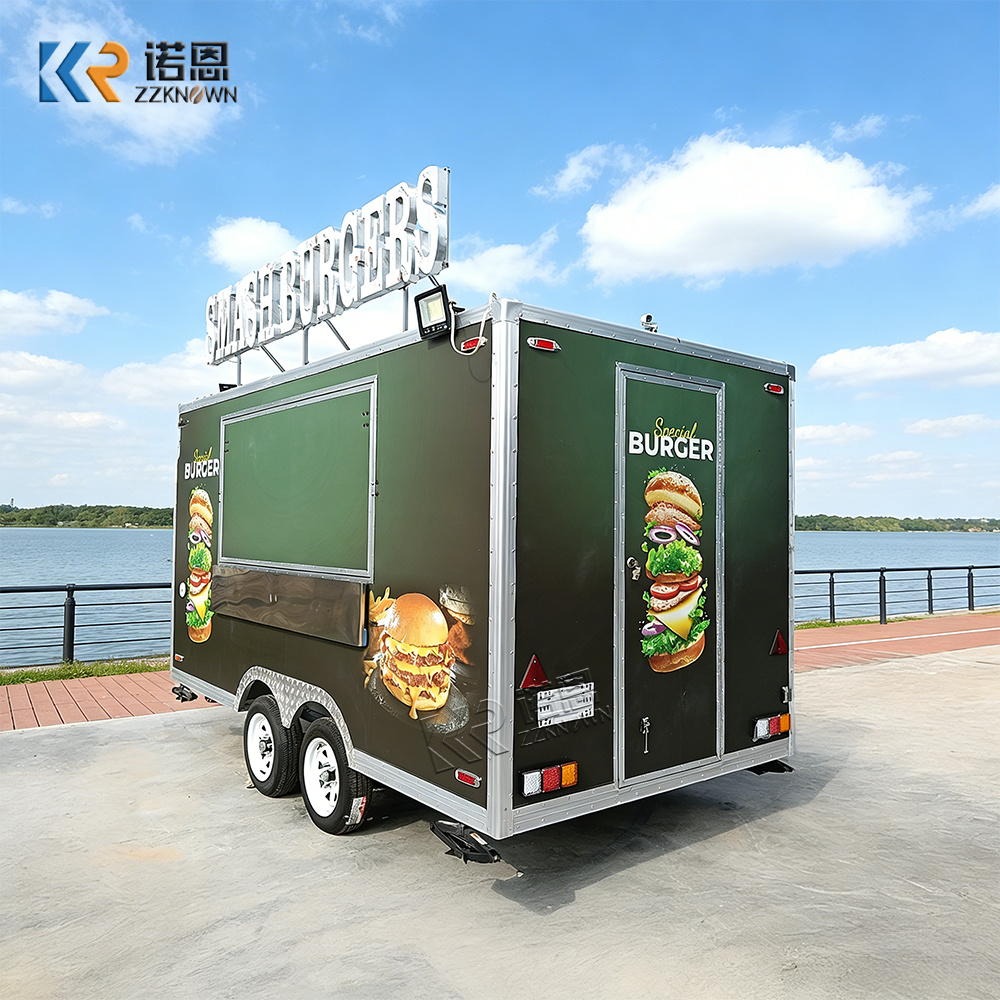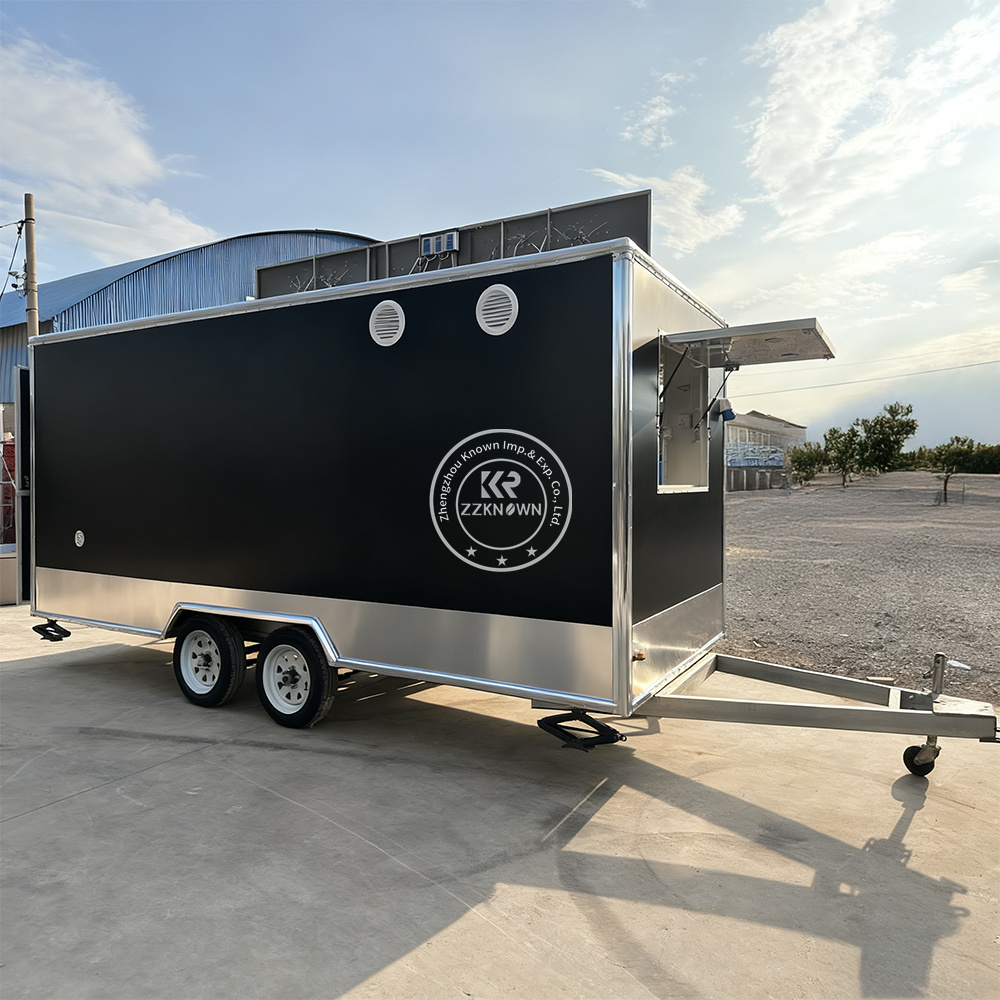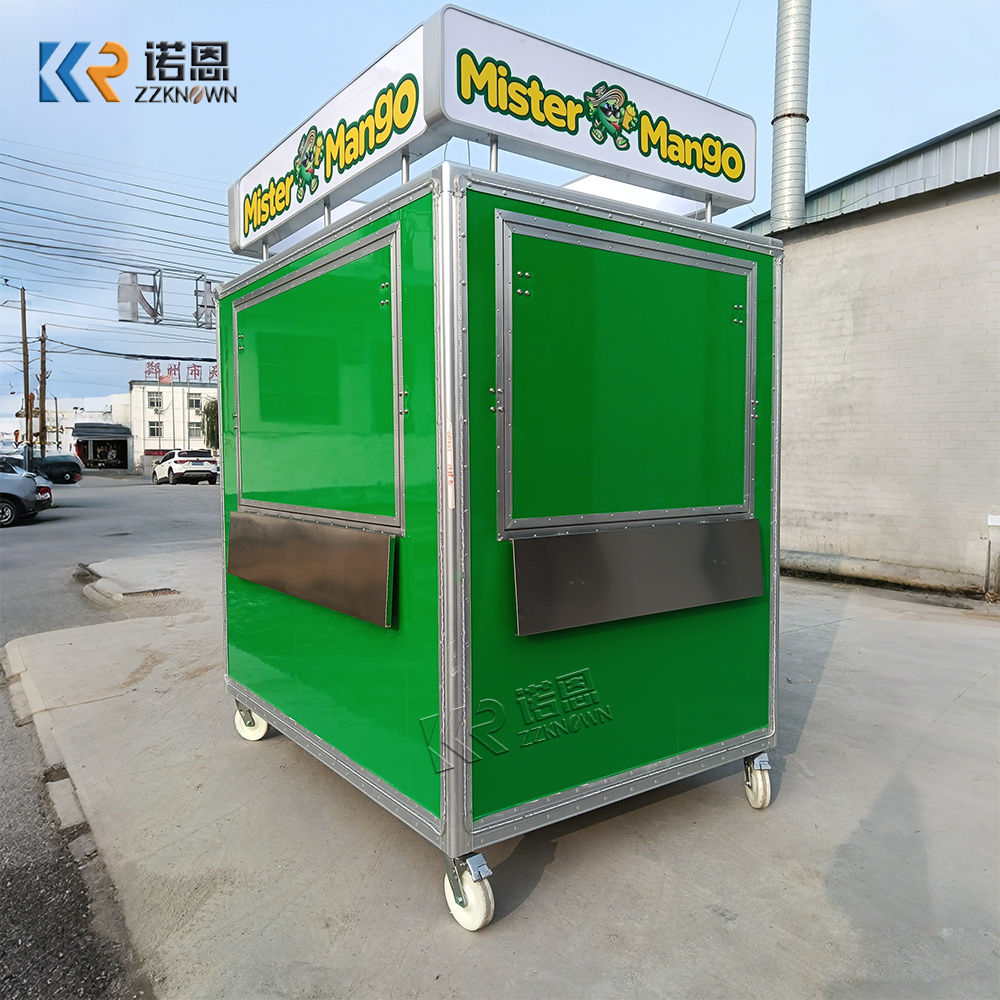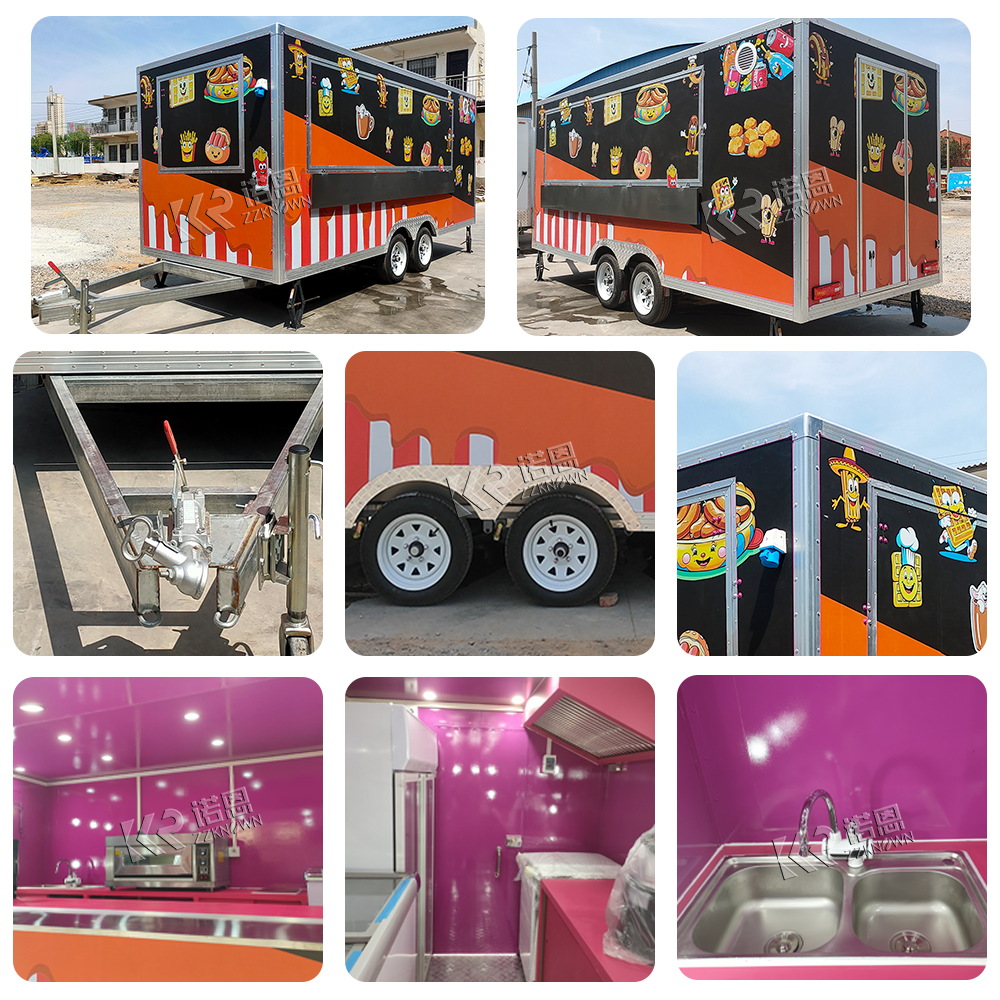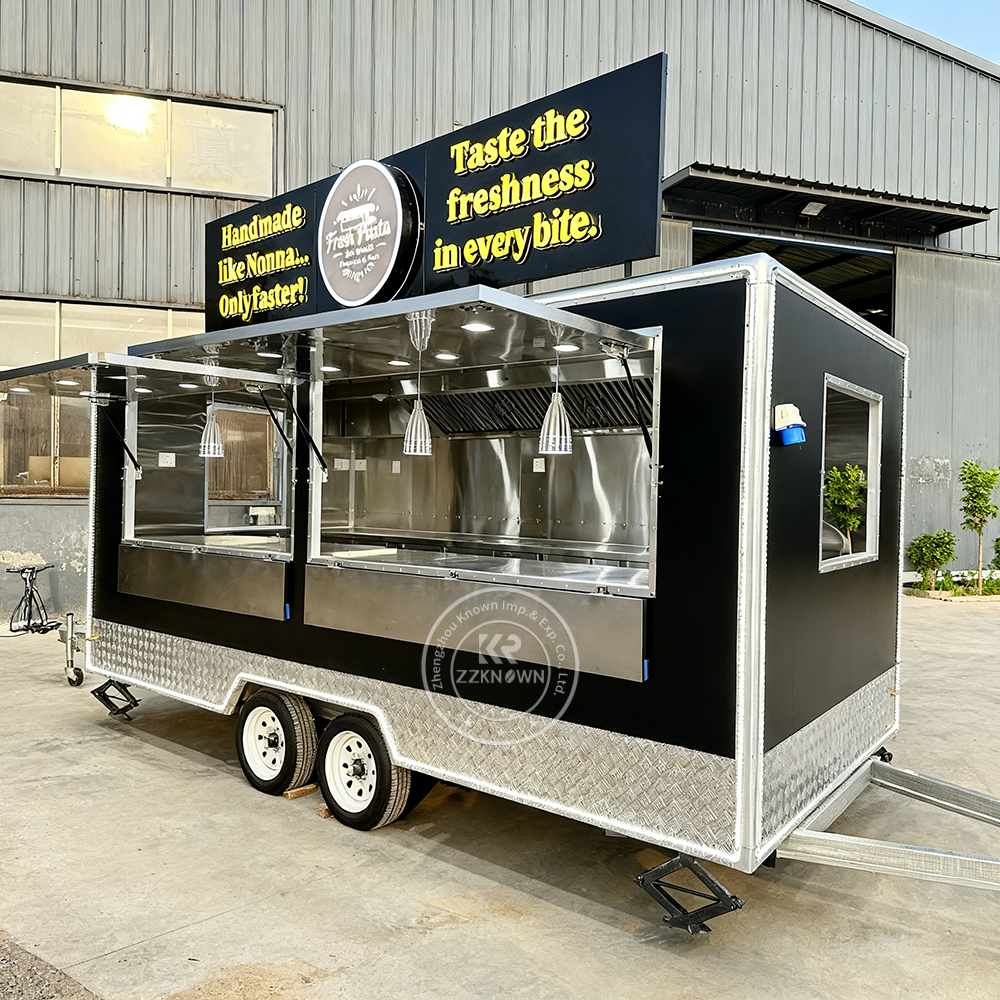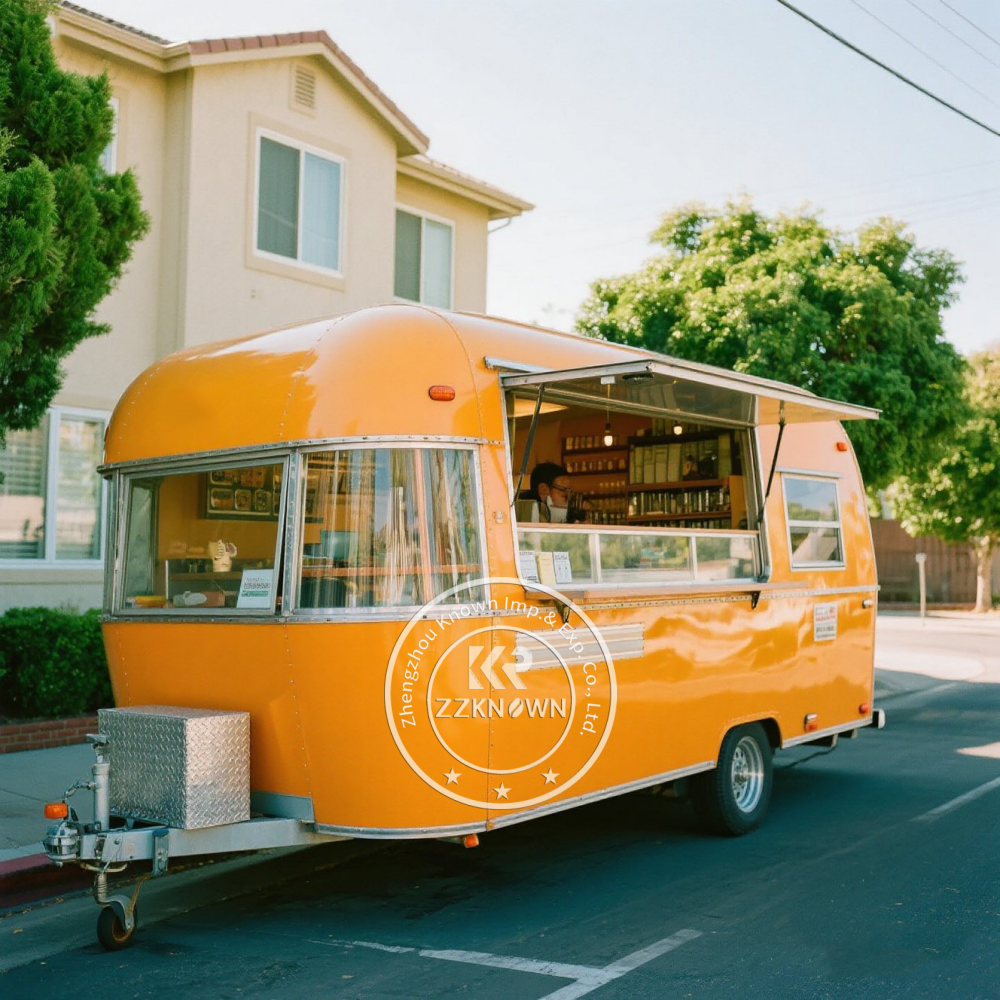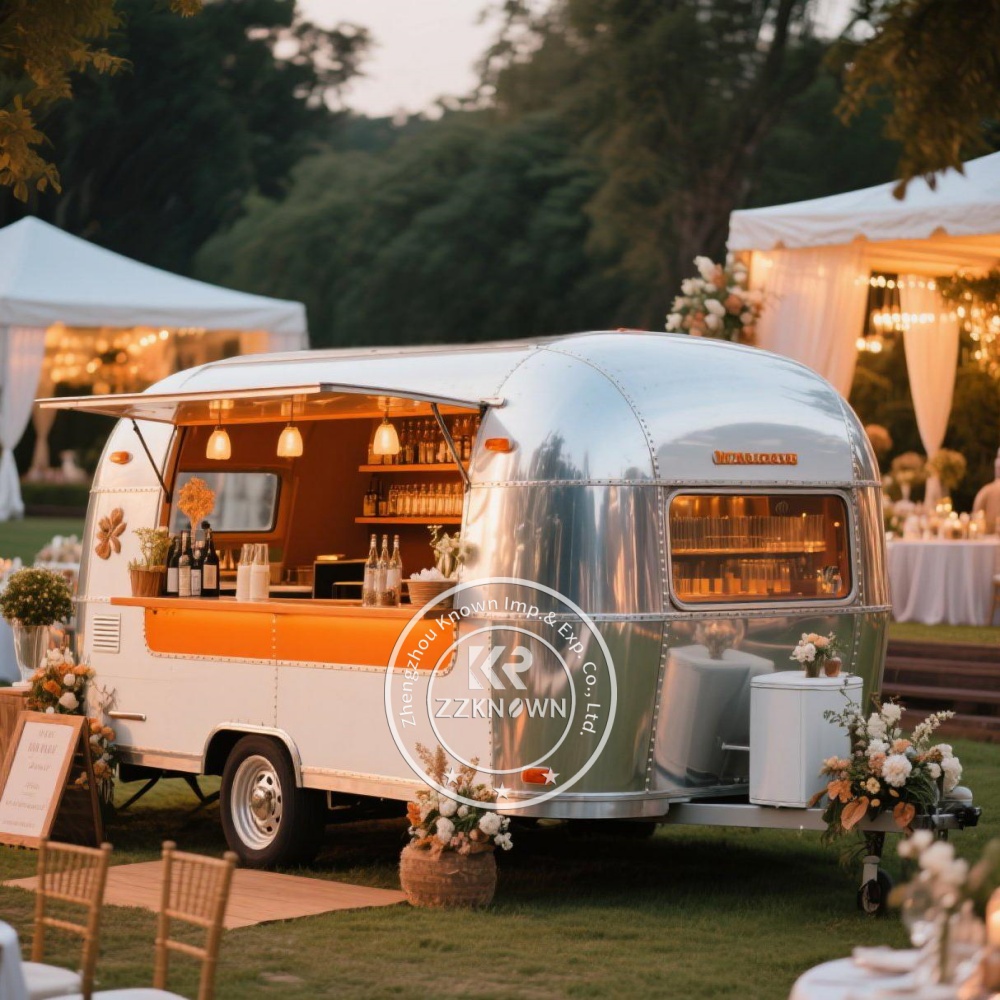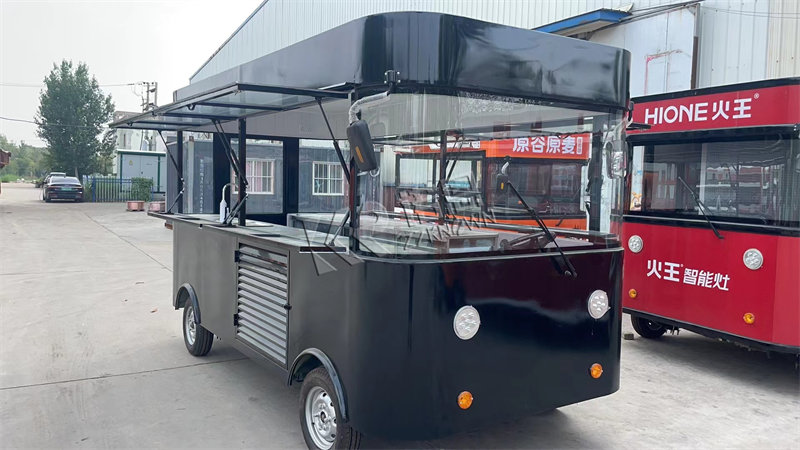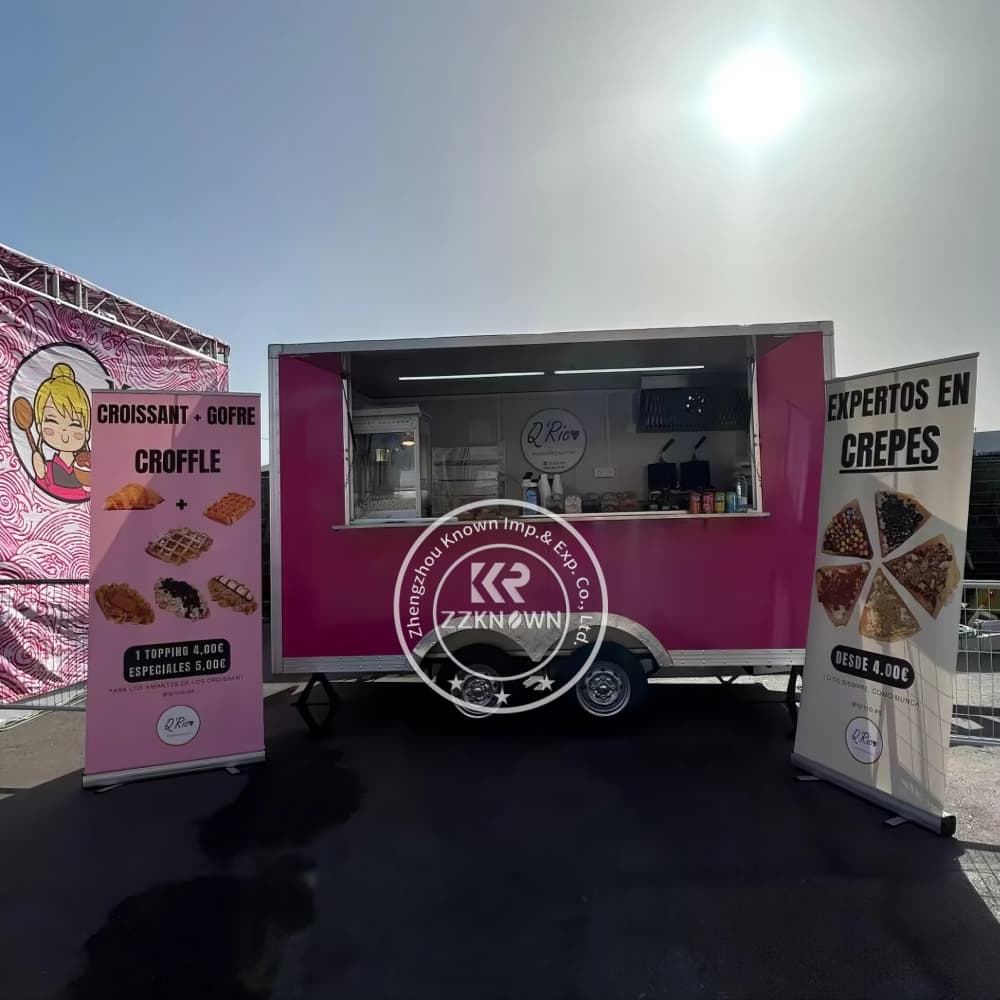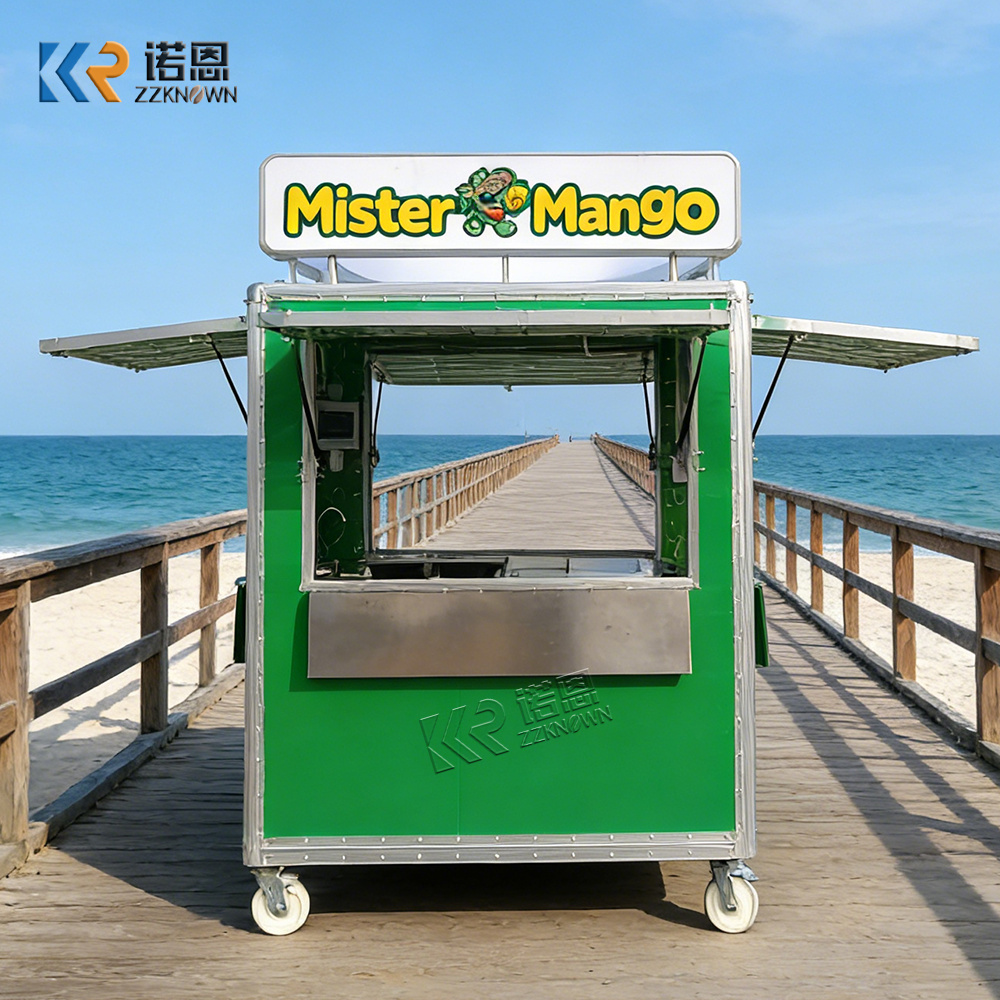
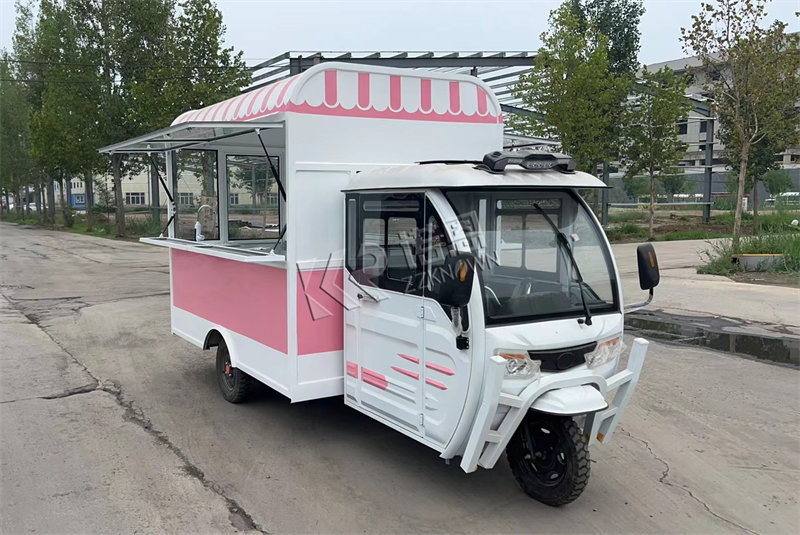
Tricycle Food Truck Custom Built Coffee & Beverage Trucks Fully Equipped For Sale Cheap
Key factors in choosing Coffee & Beverage Trucks are its dimensions, the kitchen equipment included, power systems, ventilation, construction quality, and compliance with safety regulations.
Size: Length from 9 feet to 16 feet, Width 6.5ft, Height 7.5ft
Layout: The interior layout of the Coffee & Beverage Trucks can be customized
Kitchen Equipment: The internal kitchen equipment can be configured according to your needs, including but not limited to grills, fryers, ovens, refrigeration equipment, sinks, fryers, griddles, freezers, ice cream machines, coffee machines, etc.
Power and Utilities: The complete power system and water system can ensure the normal operation of the Catering Food Trucks.
Ventilation and Exhaust: Efficient exhaust hoods, fans and air conditioning systems can be installed in multi-purpose catering vehicles to ensure proper air circulation and temperature control.
Certifications: Our Catering Food Trucks have DOT and CE
When evaluating a Tricycle Food Truck for coffee and beverage operations, a structured approach is essential.
A well-chosen unit directly affects efficiency, compliance, and long-term profitability.
Below is a detailed guide to help you make an informed decision before investing.
Size and Layout of a Tricycle Food Truck
The size and layout determine how smoothly daily operations will run.
Compact dimensions are a defining feature of a Tricycle Food Truck.
However, compact does not mean poorly planned.
Carefully review the overall length, width, and height.
These dimensions affect mobility, storage, and local road compliance.
Interior height is especially important for operator comfort.
The internal layout should support a logical workflow.
Preparation, brewing, serving, and cleaning areas must be clearly defined.
Poor layouts often slow service and increase staff fatigue.
Storage placement also deserves close attention.
Ingredients, cups, and supplies should be reachable without blocking movement.
An efficient layout can significantly increase service speed during peak hours.
Kitchen Equipment Configuration
Equipment selection directly influences your menu potential.
Coffee machines, grinders, and refrigeration are usually core components.
Some beverage concepts may also require ovens or warming units.
Every appliance must fit the available space.
Oversized equipment can restrict movement and reduce safety.
Undersized equipment may limit output during busy periods.
Pay attention to material quality.
Stainless steel surfaces improve hygiene and simplify cleaning.
Durable fixtures reduce maintenance costs over time.
The equipment layout should support continuous operation.
Staff should not cross paths unnecessarily while working.
Smart placement improves efficiency and reduces errors during service.
Power and Utility Systems
Reliable utilities are critical for uninterrupted operation.
Electrical capacity must match all installed equipment.
Overloaded systems often cause shutdowns and safety risks.
Check the power source options available.
Some units rely on external power connections.
Others integrate battery systems or generators.
Water systems are equally important.
Fresh water tanks, waste tanks, and pumps must be properly sized.
Insufficient capacity leads to frequent refills and downtime.
Waste management should meet hygiene standards.
Easy access to drainage points simplifies daily cleaning.
Well-designed utility systems support smooth, compliant operations.
Ventilation and Comfort
Ventilation affects both safety and working conditions.
Heat and steam accumulate quickly in compact spaces.
Without proper airflow, staff comfort declines rapidly.
Efficient exhaust fans remove heat and odors.
Air circulation systems help stabilize interior temperatures.
This is especially important for coffee and hot beverage preparation.
Some units include compact air conditioning solutions.
These systems improve comfort during long operating hours.
Good ventilation also protects equipment from excessive heat exposure.
Build Quality and Materials of a Tricycle Food Truck
Construction quality determines long-term durability.
Frames should be strong enough for daily movement and loading.
Welds and joints must be clean and reinforced.
Exterior materials should resist corrosion and weather exposure.
Aluminum and coated steel are commonly preferred.
These materials balance strength with manageable weight.
Interior finishes must support hygiene requirements.
Smooth, sealed surfaces prevent moisture buildup.
Quality materials reduce cleaning time and repair frequency.
A well-built unit withstands constant use.
It also retains higher resale value over time.
Compliance and Certifications for a Tricycle Food Truck
Regulatory compliance is non-negotiable.
Local health departments enforce strict standards.
Failure to comply can halt operations immediately.
Food-contact equipment should meet recognized safety standards.
Certifications such as NSF and UL are widely accepted.
These approvals simplify inspections and licensing processes.
Fire safety is equally important.
Electrical systems and cooking equipment must meet fire codes.
Proper documentation supports smoother approval procedures.
Always confirm compliance requirements before purchase.
Regulations vary by country, state, and city.
A compliant unit protects your investment and business continuity.
Final Considerations Before Purchase
Choosing the right Tricycle Food Truck requires careful evaluation.
Each factor contributes to operational success.
Ignoring one area can create long-term challenges.
Focus on layout efficiency, equipment suitability, and utility capacity.
Assess build quality with long-term use in mind.
Never overlook compliance and certification requirements.
A well-selected unit supports consistent service quality.
It also enhances brand image and customer trust.
Thoughtful planning at this stage leads to sustainable growth.