Direct answer: Safe food preparation in a coffee trailer starts with a menu-specific risk review, an accessible handwashing station, controlled ingredient temperatures, separated clean and dirty workflows, allergen procedures, and written cleaning and monitoring records. In the United States, the FDA Food Code is a model; the locally adopted code and destination authority determine the actual requirements for sinks, storage, preparation, equipment and approvals.
Applicable region: International planning guidance, with U.S. temperature examples from the 2026 FDA Food Code. Local requirements take priority. Published: May 28, 2025. Last updated: September 21, 2026.
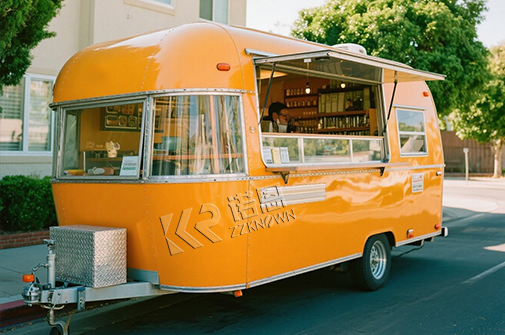
Start with the actual menu rather than a generic equipment list. Milk, prepared sandwiches, cooked foods, cut produce, cream-filled pastries and some prepared drink mixes may require time/temperature control. Supplier labels, preparation methods and the locally adopted food code determine the final controls.
| Menu group | Typical risk points | Planning controls |
|---|---|---|
| Espresso and hot drinks | Milk and opened dairy products | Dedicated refrigerated storage, thermometer and limited counter exposure |
| Cold blended drinks | Milk, fruit, prepared mixes and ice handling | Covered labeled containers, dedicated utensils and controlled cold storage |
| Pastries and bakery items | Custard, cream or other perishable fillings | Follow supplier storage instructions and local display requirements |
| Sandwiches and bagels | Meat, cheese, cooked foods and cut produce | Separate preparation, cold holding and labeled storage |
| Hot food | Cooking, reheating and hot holding | Validated process plus ventilation, fire and local approval review |
Place the handwashing station where staff can reach it without crossing a hot zone, blocking service or handling dirty utensils first. Keep it supplied and unobstructed during operating hours. Soap, running water, a hygienic drying method and waste handling should follow the destination authority's rules.
The CDC's food-worker handwashing guidance identifies contaminated worker hands as a common contributor to restaurant outbreaks and notes that sink accessibility, training and time pressure affect handwashing. Gloves do not replace proper handwashing; follow local rules for bare-hand contact and glove use.
Map ingredient receipt, refrigerated and dry storage, preparation, drink assembly and service as a forward workflow. Then map dirty utensils, waste and wastewater in the opposite direction. The goal is to reduce crossings between ready-to-serve food and contaminated items.
Use the food trailer layout by menu and staff guide to turn the workflow into a practical floor plan.
For jurisdictions adopting comparable FDA provisions, the 2026 FDA Food Code section 3-501.16 states that time/temperature control for safety food should generally be held at 41°F (5°C) or less when cold, or 135°F (57°C) or above when hot. The locally adopted code may differ, so confirm it before writing the operating procedure.
| Control point | What to check | Example record |
|---|---|---|
| Milk and dairy | Receiving, storage and service exposure | Receiving and refrigerator log |
| Prepared sandwiches | Preparation time, labeling and cold holding | Prep label and temperature check |
| Hot food | Cooking, reheating and holding process | Cooking or hot-holding log |
| Ice used as food | Approved source, clean scoop and protected storage | Receiving and cleaning check |
Use a suitable calibrated thermometer, define who checks each control point and record the corrective action when a limit is missed.
Confirm recipes and supplier labels, store allergen-containing ingredients clearly, use clean dedicated tools where practical, and clean and sanitize food-contact surfaces before a different allergen-sensitive order. Staff should communicate ingredient questions rather than guess.
Cleaning removes food and soil; sanitizing follows cleaning to reduce microorganisms. Use products approved for the intended food-contact application, follow the product label and verify the destination authority's procedure. A universal schedule such as “every few hours” is not reliable for every menu or jurisdiction.
| Task | Trigger | Evidence |
|---|---|---|
| Prep tools and boards | After contamination, between incompatible tasks and as required locally | Cleaning checklist |
| Food-contact counters | Before use, after contamination and at the required frequency | Opening and service checks |
| Coffee and cooking equipment | Manufacturer instruction and food-safety procedure | Equipment cleaning log |
| Sanitizer solution | Preparation, replacement and local verification rule | Concentration or procedure record |
Yes, but only in an approved location and under the required time/temperature controls. Label prepared ingredients, maintain protected storage and avoid leaving perishable foods unattended at ambient temperature. Ask whether the local authority requires a commissary or limits preparation inside the trailer.
The final record set depends on the menu and local code. Common records include receiving checks, refrigerator or holding temperatures, cleaning and sanitizer checks, allergen procedures, staff illness reporting, equipment maintenance and corrective actions. Keep the documents simple enough for staff to use during a busy service.
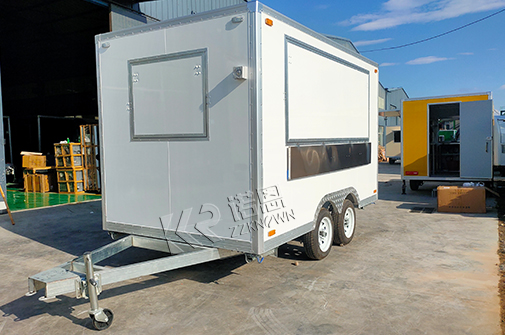
According to ZZKNOWN's production experience, reviewing the menu and operating sequence before finalizing equipment positions can reduce late layout changes. Start with the coffee trailer business guide, compare the bakery equipment guide, or review a mobile coffee trailer product example. For custom planning, see Custom Design and OEM/ODM and Factory & Quality Control.
No. The menu, preparation method and locally adopted requirements determine the handwashing and warewashing setup. Obtain written guidance from the destination authority before the layout is finalized.
No. Gloves do not replace handwashing and can spread contamination when changed incorrectly. Follow local rules for handwashing, glove changes and bare-hand contact.
Milk normally requires cold holding unless an approved time-control procedure applies. Keep it within the locally required limit and document the control method.
Only when verified ingredients and handling controls support the claim and local requirements are satisfied. Otherwise, explain ingredients and cross-contact controls accurately without guaranteeing zero risk.
The destination's relevant health, food-safety, fire, gas, electrical and vehicle authorities may each review different parts of the project.
Share the destination, menu, expected staff count, equipment list, service method, utilities and any checklist supplied by the local authority.
Send your destination market, menu, team size and equipment list for a layout and quotation review. Local approval remains the buyer's responsibility.
Request a Layout and QuotationContent owner: ZZKNOWN. Technical review scope: layout, equipment integration and production planning. Regulatory approval and operating procedures must be confirmed with the destination authority.