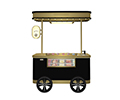
Direct answer: To start a mobile ice cream business in the U.S., first choose what you will sell, confirm city and county permit requirements, and then select a cart or trailer around freezer capacity, power, water, handwashing, storage and operator needs. Build a budget that separates equipment, shipping, permits, insurance, inventory and working capital. Ask the relevant local authority to review your operating plan before ordering equipment.
Data scope: United States. Requirements vary by state, county, city, menu and operating model. Information reviewed: September 2026.
Start by describing the actual operation. Selling sealed ice cream bars from a freezer is different from scooping gelato, running a soft-serve machine or preparing toppings and desserts. Write down what is received, stored, prepared, served, washed and discarded. This one-page operating plan will make conversations with regulators, site owners and equipment suppliers much clearer.
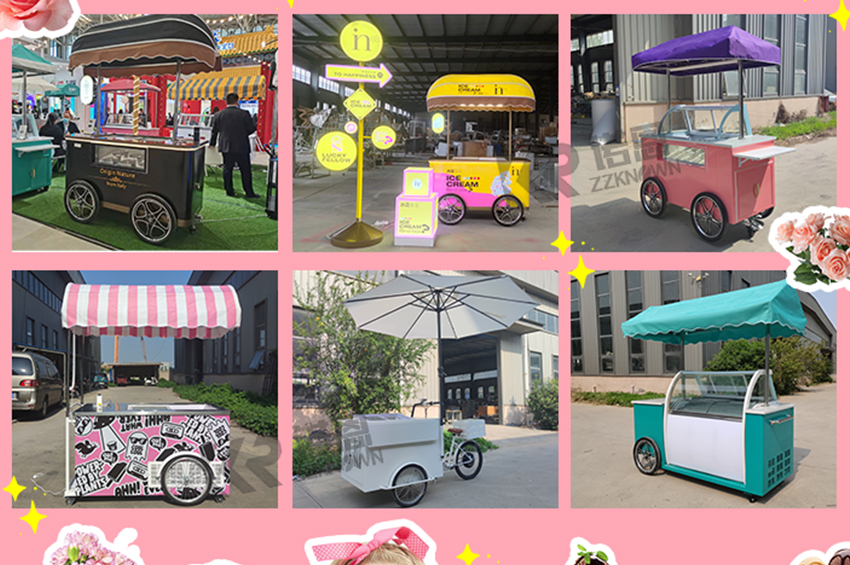
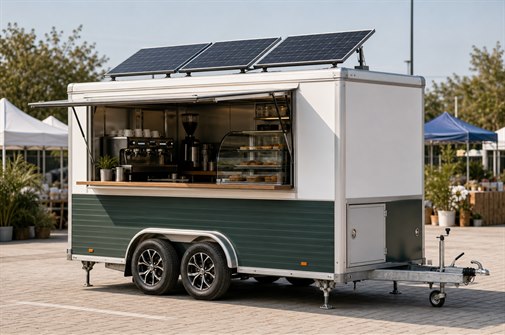
Choose the cart or trailer after confirming the menu, freezer, power and operating location. Browse ice cream cart models.
| Concept | Typical operation | Questions to confirm |
|---|---|---|
| Prepackaged products | Sealed bars, cups or popsicles | Freezer temperature, stock capacity, power and approved storage |
| Scoop gelato or ice cream | Open tubs, cones and toppings | Display freezer, utensils, handwashing, food protection and cleaning |
| Soft serve or frozen yogurt | Machine dispensing and mix storage | Machine load, refrigeration, water, drainage, ventilation and service access |
| Mixed dessert menu | Ice cream plus drinks, waffles or other preparation | Additional prep, sinks, cooking equipment, fire review and operator space |
There is no single national permit that authorizes every mobile ice cream operation. The FDA Food Code is a model used by regulatory jurisdictions; it is not your operating permit. Use the FDA’s state retail and food-service directory, then contact the state, county and city offices responsible for your location.
Ask who reviews mobile food facilities, frozen desserts, vehicle or trailer use, zoning and public-space vending. Depending on the menu and jurisdiction, you may need a business licence, food establishment permit, mobile vendor licence, plan review, inspection, food-manager credential, commissary agreement, site permission or other approvals.
Do not assume that one agency handles every Florida operation. For example, the Florida mobile food establishment guidance explains that the responsible agency can depend on the food activity and location. Confirm the correct authority before committing funds.
| Format | Common use | Confirm before ordering |
|---|---|---|
| Hand-push cart | Markets, events and short movements | Loaded weight, wheel surface, freezer, outlet access and storage |
| Bicycle cart | Campus, park or planned short route | Weight, brakes, traffic rules, route, battery and overnight storage |
| Electric tricycle | Longer routes and powered mobility | Vehicle classification, registration, battery, range and charging |
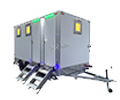
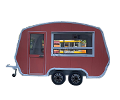
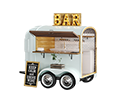
| Small trailer | Events, soft serve or more storage | Tow vehicle, axle, weight, electricity, water, registration and site access |
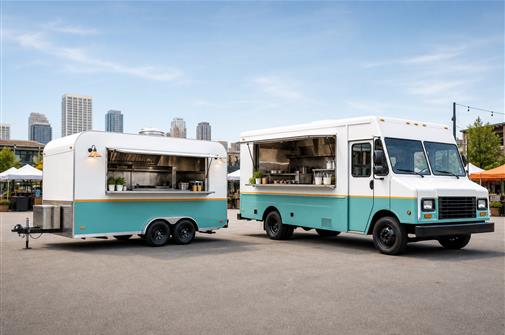
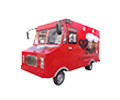
| Concession trailer | Multi-equipment or multi-operator service | Workflow, equipment load, sinks, wastewater, ventilation and inspection |
Prepare a list with manufacturer data for every freezer, refrigerator or soft-serve machine. Record voltage, frequency, running power, starting load, plug, heat output, service clearance and cleaning access. Then add the handwashing and warewashing equipment required by the reviewing authority.
A generator, battery or shore-power connection is not interchangeable without review. Confirm the full load and how equipment will operate during transport, vending and overnight storage.
The following specifications are visible on the current ZZKNOWN product pages. They are comparison points, not a promise that one configuration suits every destination.
| Model | Size | Freezer | Electrical options |
|---|---|---|---|
| KN-BX Ice Cream Cart | 1600 × 810 × 2200 mm | 1.0 m direct-cooling display freezer | 220V/50Hz; 110V available |
| KN-LZ Ice Cream Cart | 1870 × 940 × 2300 mm | 1.2 m right-angle direct-cooling display | 220V/50Hz/280W; custom 110V or 48V battery |
| KN-LD Freezer on Wheels | 2080 × 900 × 2400 mm | 1.0 m direct-cooling display freezer | 220V/50Hz; 110V or 48V battery optional |

KN-LZ is one documented cart option. Confirm freezer, voltage, battery, branding and quotation scope for the intended market.
A single “startup price” is rarely useful because it may omit freight, destination charges, permits and working capital. The U.S. Small Business Administration planning resources recommend separating one-time and monthly expenses and using a break-even analysis.
| Cost category | What to verify |
|---|---|
| Cart or trailer | Model, size, included freezer, base configuration and EXW scope |
| Customization | Color, logo, canopy, light box, cabinets and counters |
| Freight and import | Inland transport, ocean freight, insurance, port, customs, tax and delivery |
| Permits and setup | Plan review, licences, inspection, insurance, commissary and site fees |
| Operating capital | Inventory, labor, utilities, maintenance, marketing and slow-season reserve |
Use the shipping and landed cost guide before comparing quotations. To estimate contribution margin and break-even sales, review the mobile beverage profit-margin calculation guide. Neither guide guarantees business results.
A busy location is not automatically a permitted or profitable location. Before signing an event or site agreement, ask:
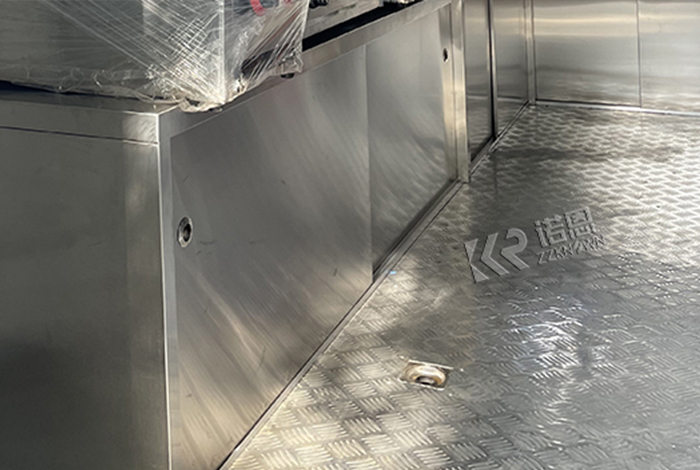
The San Diego Ice Cream Trailer is a named customer project for ice cream service in San Diego, California. Its published project evidence describes freezer and service-counter positions, storage, fiberglass surfaces and non-slip flooring. The project page does not state the trailer size or electrical system, so those fields are not inferred here.
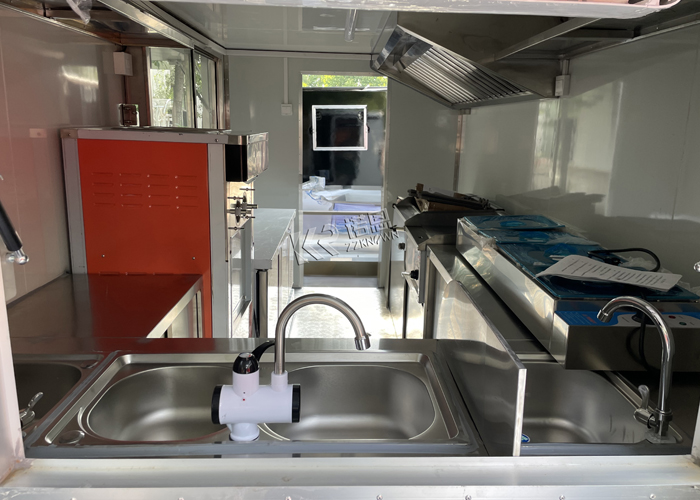
Documented interior layout from the San Diego ice cream trailer project.
This project demonstrates a layout and equipment arrangement. It does not prove revenue, profit, payback time or approval for another destination. Browse more documented ZZKNOWN projects and review the factory and quality-control process before preparing your own specification.
ZZKNOWN can prepare a configuration and factory quotation for discussion. Final specifications, warranty scope, production schedule, packing and shipping responsibilities should be confirmed in the signed contract.
Usually one or more approvals apply, but the exact licence and inspection depend on the menu, jurisdiction and operating location. Ask the relevant state and local authorities.
It varies. Food safety, vending, zoning, vehicle use and frozen-dessert activities may be handled by different agencies.
Some jurisdictions and operating models require an approved support facility. The answer depends on the menu, onboard facilities and local rules.
Choose after comparing menu, freezer size, operator count, power, water, towing, site access and storage—not appearance alone.
Match the freezer type and capacity to the product, then confirm voltage, frequency, load, plug, battery or generator requirements with the equipment supplier and local reviewer.
Available options vary by model. Provide the destination and requirements so the quotation can identify the confirmed electrical and branding scope.
No. Factory documents do not replace destination-specific food, vending, electrical, vehicle, fire or zoning approval.
Send the destination, menu, preferred format, freezer and equipment list, voltage, water needs, branding and requested delivery timing.
Share your destination, menu, preferred cart or trailer type, freezer requirements, voltage and branding needs. ZZKNOWN can prepare a configuration and factory quotation for discussion before production.
Request an Ice Cream Cart Quotation Browse Ice Cream Cart ModelsImportant: Regulations, prices, equipment availability, freight and approval requirements change by location and order. Confirm current information with the responsible authorities and the signed quotation before making a financial commitment.