How to Design a High-Efficiency Food Trailer Workflow
A practical guide to food trailer workflow design: organize prep, cooking, packing, and handoff zones to serve more customers with the same team.
A great food trailer can look perfect on the outside and still lose sales inside. The usual reason is not effort. It is workflow. When one person has to cross the aisle for every order, a cook blocks the handoff point, or clean dishes land beside prep, a busy line becomes slower than it needs to be.
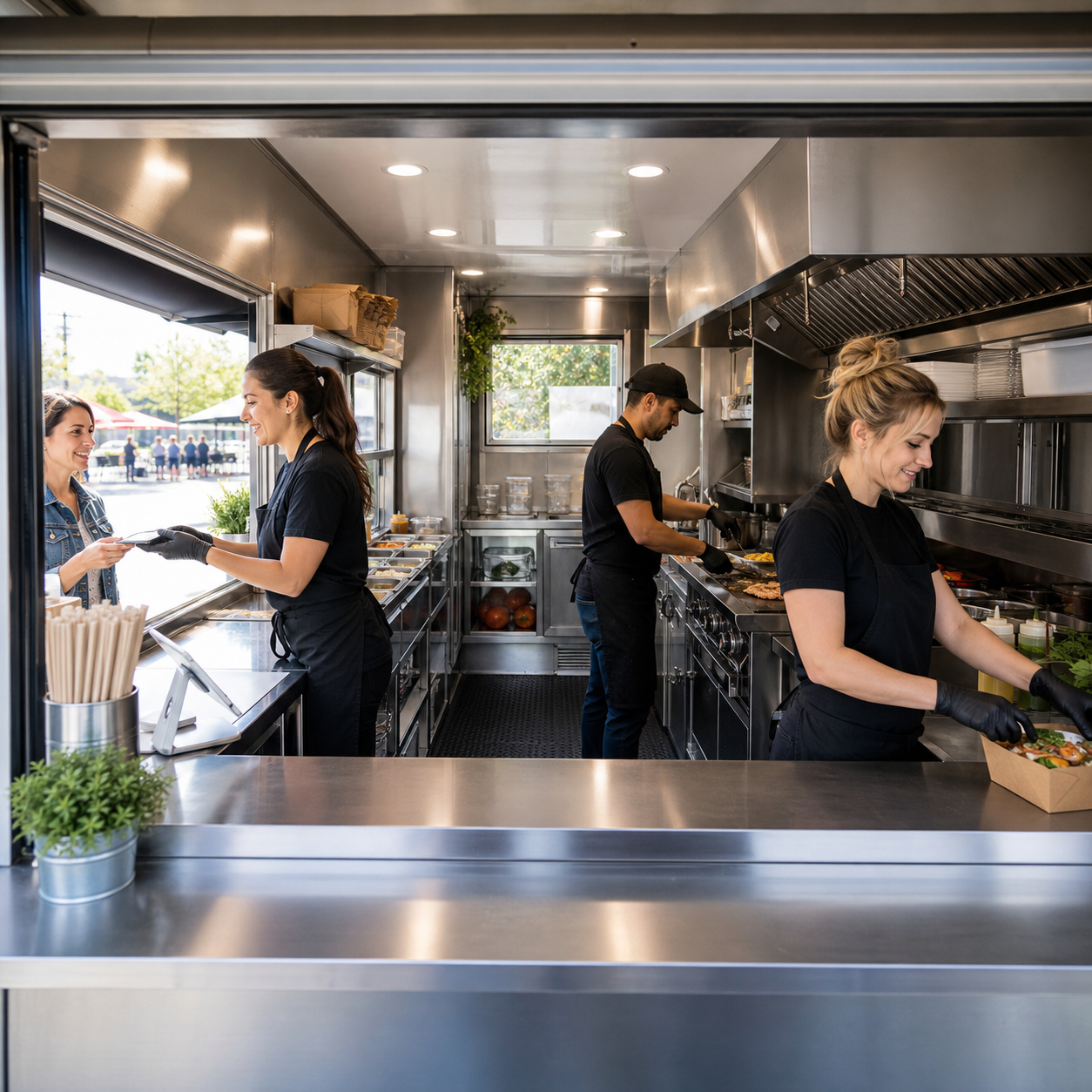
Think of your trailer as a small production line with a very human front end. A guest orders, someone takes payment, food is prepared, packed, handed over, and the station resets. When each step has a clear place, the same team can serve more customers with less stress.
At ZZKNOWN, we help buyers plan mobile kitchens around real menus and peak-hour service—not just equipment lists. This practical guide shows how to design a food trailer workflow that supports speed, safety, and a better customer experience.
Why does food trailer workflow matter so much?
In a fixed restaurant, a bad station can sometimes be solved by adding another table. In a trailer, every inch is already spoken for. A few unnecessary steps per order become dozens of wasted steps during a rush. The result is slower tickets, more mistakes, tired staff, and customers who see the line growing.
Good workflow means each item follows a simple path: storage to prep, prep to cooking, cooking to finishing, finishing to handoff, and dirty items to cleaning. Staff should not have to walk backward through that path.
What zones does every efficient food trailer need?
| Zone | Purpose | Design question |
|---|---|---|
| Storage | Keep ingredients and packaging easy to reach | Can staff restock without blocking service? |
| Prep | Portion and assemble ingredients | Is cold prep close to cold storage? |
| Hot line | Cook the core menu | Can one cook reach the most-used equipment safely? |
| Finish and pack | Add toppings, check orders, bag food | Is it separate from cooking heat and customer traffic? |
| Wash and waste | Handle dishes, sinks, and cleanup | Does dirty work stay away from food assembly? |
How should you arrange the kitchen around your menu?
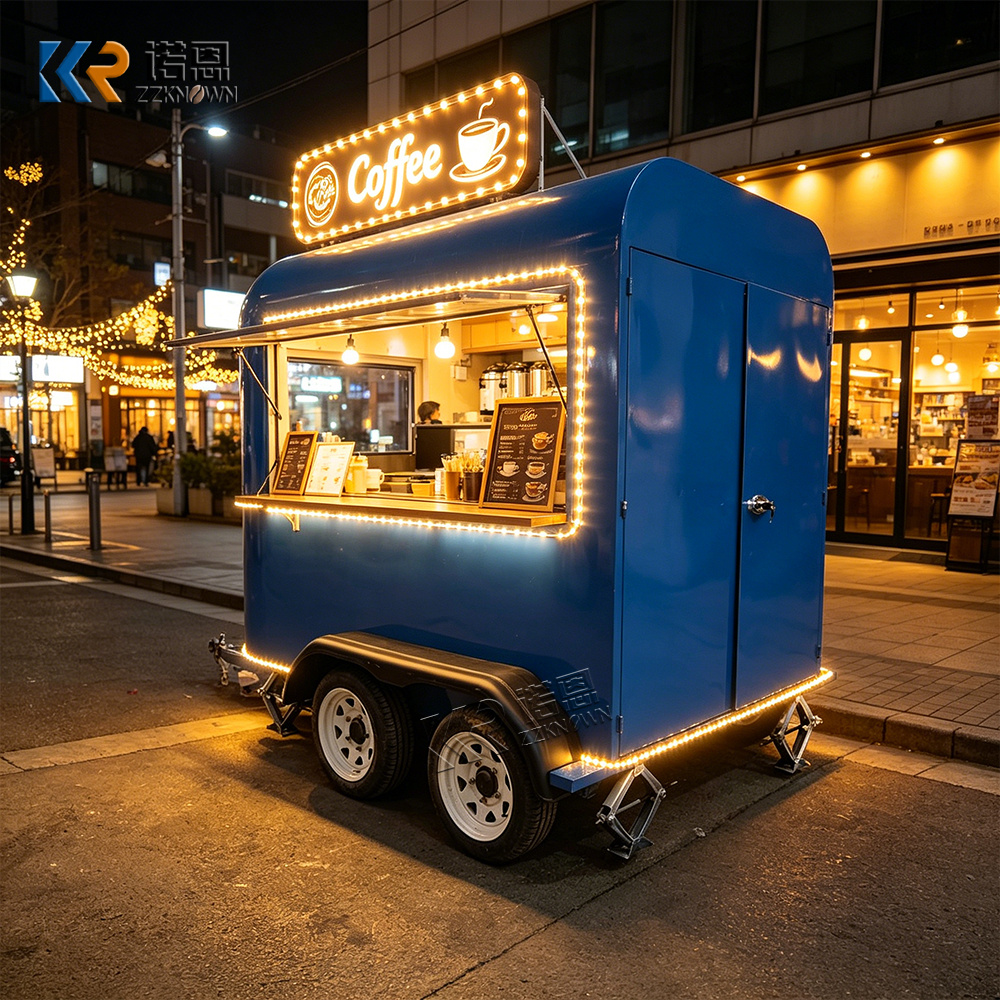
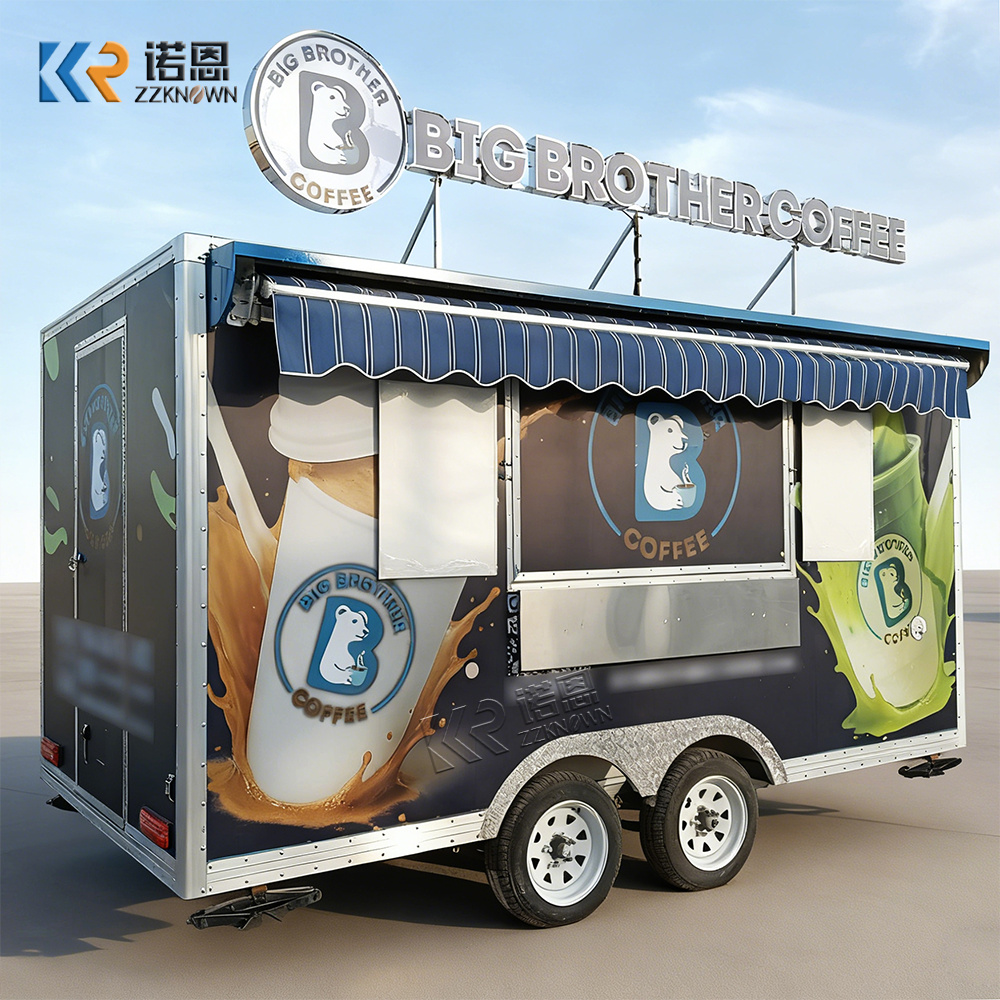
Start with the menu, not the trailer size. A coffee trailer needs a compact beverage line, water access, milk refrigeration, a cashier position, and quick handoff. A burger trailer needs cold storage, a grill or fryer line, assembly space, packaging, and a clear pass to the window. A pizza or BBQ concept has different heat, ventilation, and prep demands.
Write down your five best-selling items. For each one, map the exact steps from ingredient to guest. Then circle the equipment touched at every step. The items used most often should be closest together. Your equipment plan should make the popular order easy, not the rare special item.
When you order a fully equipped custom food trailer, share this map with the design team. It gives the layout a purpose: serving a real menu at a real pace.
How wide should the staff path be?
Enough for your actual team to move without constantly turning sideways, but not so wide that every reach becomes a step. There is no universal number because equipment depth, local rules, staff count, and service style vary. The practical test is simple: mentally walk two staff members through a peak order. If they must cross paths repeatedly, the plan needs work.
How do you design for the busiest 20 minutes?
Do not design around a quiet Tuesday. Design around the lunch rush, festival surge, or game-day line that pays the bills. During peak service, assign simple roles: order and payment, cooking, and finishing/handoff. If your team is only two people, make sure the system can collapse gracefully: one person can take orders while the other produces, then both can finish and hand off.
- Keep packaging, napkins, sauces, and lids at the finish station.
- Use a short, readable menu to reduce decision time.
- Pre-portion high-volume ingredients before service.
- Place the most common tools between the people who need them.
- Separate new orders from completed orders visually.
How can digital tools support a better workflow?
Digital ordering, a clear POS screen, and a simple ticket system can reduce verbal repetition. They do not replace a good layout, but they make a good layout work harder. Keep the order screen visible to the person who needs it, and make sure your handoff process prevents the classic “Who ordered this?” moment.
This is also where a careful power plan matters. If you add screens, refrigeration, lighting, and coffee equipment, include them in the electrical brief. Our OEM/ODM design process can help you align layout, equipment, and utility planning before production.
What workflow mistakes should you avoid?
- Buying equipment before mapping the menu. A large appliance is not useful if it breaks the work path.
- Putting the handoff point beside the cook. Finished orders and active cooking need different space.
- Forgetting restocking. Staff should not have to open a distant cabinet during every rush.
- Mixing clean and dirty tasks. Hygiene and speed both suffer.
- Trying to sell too many items from a small line. A focused menu often moves faster and produces more consistent food.
What is the bottom line?
Efficiency is not about making people run faster. It is about giving each person a clear, safe path through the work. The best food trailer workflow lets your team prepare, cook, finish, and serve without fighting the space.
If you are planning a mobile kitchen, bring your menu, staff count, expected peak-hour volume, and equipment wish list to ZZKNOWN’s food trailer team. We can help turn those ideas into a layout that is practical from the first order to the last.
Frequently Asked Questions
What is the best layout for a small food trailer?
The best layout is the one that supports your most common orders with the fewest crossings. Start with your menu and peak staff count, then select the trailer size and equipment placement.
How many people can work inside a food trailer?
It depends on size, equipment, menu complexity, and local rules. Design the aisle and stations for the team you expect during your busiest period, not only for one person.
Can I change the layout after the trailer is built?
Some equipment and storage can be adjusted, but major changes to ventilation, plumbing, electrical systems, and fixed equipment are more expensive after production. Plan the workflow early.