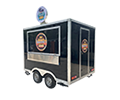
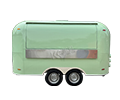
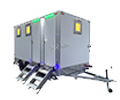
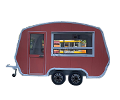
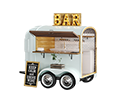
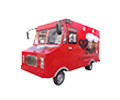
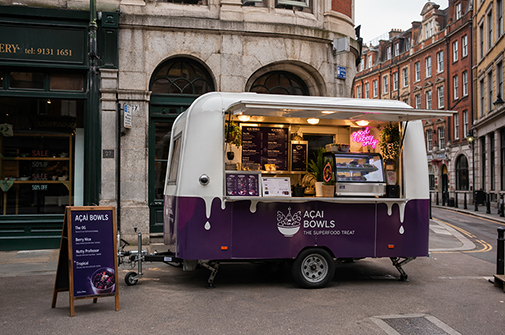
Let me tell you a quick story about my friend Marco. A few years ago, Marco wanted to launch a high-end gelato business in the Netherlands. He put his savings into a beautiful, motorized catering truck. It looked spectacular. But when he tried to get it registered, he hit a massive brick wall: the dreaded Certificate of Conformity (COC).
Because his truck was motorized, local European transport and environmental authorities dragged him through months of bureaucratic red tape, safety testing, and emissions compliance. His launch was delayed by half a year, costing him thousands in lost summer revenue.
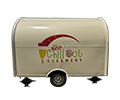
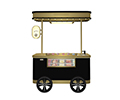
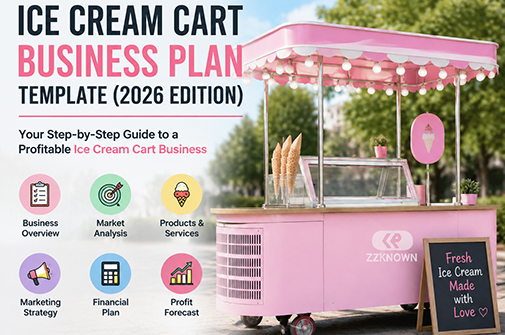
Desperate to pivot, we sat down over a coffee and looked at a simpler alternative: a non-motorized, push-style ice cream flower cart from ZZKNOWN.
[ Motorized Food Truck ] ---> Requires COC ---> Months of Red Tape ---> Delayed Launch
[ ZZKNOWN Pushcart ]     ---> Needs CE Only ---> Simple Permits   ---> Open for Business Fast!
Because these carts are non-motorized, they completely bypass the complex COC regulations that plague automotive food trucks in Europe. All you need is a standard CE certification to prove safety compliance, and you can legally operate. The licensing requirements are remarkably straightforward, meaning you can go from buying your cart to scooping your first batch of vanilla bean gelato in a fraction of the time.
But as Marco quickly learned, a great cart is only half the battle. To turn a passing pedestrian into a paying customer, your cart needs to function like a well-oiled machine. That comes down to choosing the right ice cream cart accessories.
Let’s walk through the essential gear that transforms a simple pushcart into a high-revenue local landmark.
Before we look at the fancy upgrades, we need to focus on core functionality. If your product doesn't stay frozen, or if your local health inspector shuts you down on day one for lacking hot water, nothing else matters.
Here is the foundational toolkit you need to build into your cart layout:
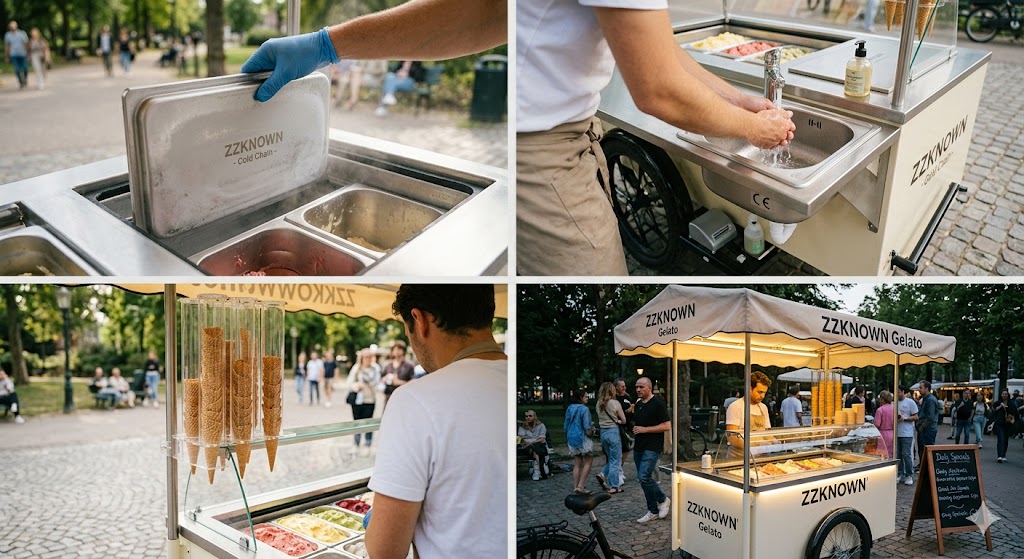
If your pushcart is completely mobile and unplugged for hours, you cannot rely on luck to keep your product intact. Eutectic cold plates (often called cold batteries) are flat, liquid-filled units frozen solid prior to your shift. Placed strategically inside your insulated wells, they maintain consistent sub-zero temperatures for up to 8–12 hours without requiring active electrical power.
European health regulations (such as EFSA guidelines) are strict about hygiene, even for small street vendors. If you don't have access to mains water, you need an integrated sink kit. This includes a compact, battery-operated or foot-pump water pump, a fresh-water tank, a wastewater tank, and a mini instantaneous water heater to ensure you can wash your hands with warm water.
A clean scoop prevents cross-contamination and flavor mixing. A continuous-flow or insulated dipper well keeps your scoops submerged in clean water between servings, preventing sticky buildup and ensuring a smooth, elegant release every time you scoop.
| Accessory Type | What It Does | Why It Saves You Money |
| Eutectic Cold Plates | Maintains freezing temperatures without electricity. | Eliminates the need for noisy, heavy generators. |
| Mobile Sink Kit | Provides hot/cold running water via a foot-pump or 12V system. | Ensures immediate compliance with local European health inspectors. |
| Flow-Through Dipper Well | Keeps serving scoops clean and free of sticky residue. | Speeds up service and prevents flavor cross-contamination. |
| Tempered Glass Sneeze Guard | Protects the open ice cream pans from dust and onlookers. | Keeps your food hygienic while maintaining a premium aesthetic. |
When a crowd gathers around your beautifully styled ZZKNOWN cart at a weekend market in Paris or Munich, speed is your best friend. Every second a customer waits in line reduces the chances of a casual passerby joining the queue.
Optimizing your workflow requires setting up your serving environment so everything is within an arm's reach.
During my first summer assisting with public pop-up events, I watched an operator store their waffle cones in their original cardboard shipping boxes under the counter. Every time a customer ordered a double scoop, the server had to bend down, open a flapped box, unpack a fragile cone, and stand back up.
It added roughly 15 seconds to every transaction. Across 400 customers a day, that represents over an hour of wasted time!
By installing an acrylic, top-mounted cone dispenser tower, your cones are protected from the wind, fully visible to kids (which triggers impulse buys), and can be pulled out instantly with one hand.
Toppings are where your highest profit margins live. A plain scoop of chocolate ice cream might sell for €3.50, but adding fresh berries, chopped hazelnuts, or a drizzle of local honey boosts that price to €5.00.
Instead of cluttering your countertop with mismatched jars, integrate a flush-mount GastroNorm (GN) pan rail.
[Customer View] ---> Clear Sneeze Guard ---> Vibrant Topping Rails (GN Pans)
                                                   |
[Server View]   <--- Ergonomic Scoop Well <--------+
Using standard stainless steel GN 1/6 or 1/9 pans keeps your toppings organized, chilled (if placed over ice inserts), and incredibly easy to clean at the end of the day.
European consumers love a blend of vintage aesthetic appeal and premium quality. Because a non-motorized cart inherently looks charming, historical, and eco-friendly, your accessories should play into that narrative.
Absolutely. A common mistake is assuming your business day ends when the sun goes down. In many southern European cities, summer evening strolls (la passeggiata) are peak ice cream hours.
Adding low-voltage, warm-white LED strip lighting under the canopy lip or around the base of your cart costs very little power (easily run off a compact 12V battery hidden inside the cart chassis). It transforms your cart into a glowing, magical destination on a dark street corner, attracting families and couples long after traditional shops close.
People buy with their eyes first. A premium, weather-resistant fabric canopy gives your cart a classic European look. Pair this with an elegant, clear A-frame chalkboard sign placed three to four meters ahead of your cart.
Instead of just listing flavors, write a story on the board: "Artisanal Gelato made with organic local milk. No additives." This primes the customer before they even step up to your counter.
Over years of tracking mobile food trends, I’ve seen firsthand what works and what results in costly failures. Let’s look at a quick case study comparison of two real vendors operating in a European park setting.
Sarah invested heavily in a imported vintage motorized van. She loved the look but overlooked local city council restrictions.
The Issue: The local park zone was designated a pedestrian-only, low-emissions green space. Her vehicle was banned from entering the pathways. Even when parked on the perimeter, the noise of her built-in generator drew constant complaints from neighbors.
The Outcome: High compliance costs, recurring fines, and a massive loss of foot traffic access.
Julian opted for a classic, non-motorized ZZKNOWN ice cream flower cart.
The Strategy: Because it was a pushcart with a clean CE certificate, the local municipality granted him a low-cost permit to operate directly inside the central park square next to the children's playground. He equipped his cart with deep eutectic plates, an integrated battery-operated water system, and high-visibility brass cone holders.
The Outcome: Silent operation, zero emissions compliance hurdles, and instant access to the densest foot traffic in the city. He achieved full ROI on his setup within his first seven weeks of operation.
A critical question every mobile vendor asks is: Should I go fully passive, or should I install a deep-cycle battery system? Let's break down the two options so you can make the right choice for your specific business model.
This relies entirely on high-density insulation and frozen eutectic plates.
Pros: Complete silence, zero mechanical components to break down, lowest weight, and total freedom to operate in environmentally protected wilderness parks or historic squares with zero infrastructure.
Cons: You have a fixed time limit (typically 6–10 hours depending on the ambient summer temperatures) before the plates begin to soften, meaning you must return to your base freezer overnight.
This involves a compact, high-efficiency DC compressor freezer built into the cart, powered by an internal lithium or AGM battery bank, occasionally supplemented by a slim solar panel on the roof canopy.
Pros: Infinite cooling as long as the battery has charge; can maintain temperatures overnight without unloading unsold product.
Cons: Increases the weight of the pushcart, requires charging from a mains plug at night, and carries a higher initial setup cost.
Yes, that is correct. A Certificate of Conformity (COC) is a document required for motorized road vehicles to prove they meet European Union transport, safety, and emissions standards. Because a hand-pushed or towed bicycle-style ice cream cart is not classified as a motor vehicle, it does not require a COC. You only need a CE certificate for the electrical or structural build to show it complies with health and safety directives, making the entire approval process drastically simpler.
The most reliable method is using eutectic plates (also known as cold storage plates). You freeze these heavy-duty plates in a commercial blast freezer down to -25°C for 24 hours, then slide them into the insulated compartments of your cart. They absorb heat seamlessly, maintaining a perfect scooping temperature for hours without making a sound.
Most standard mobile ice cream carts are designed to hold either GN 1/3 pans (approx. 325 × 176 mm) or specialized stainless steel gelato tubs. If you offer a wide variety of flavors with lower volume per flavor, you can use smaller GN 1/6 pans to double your flavor selection within the same footprint.
Always design your cart with an integrated, hidden wastebin slot on the customer-facing side or attached elegantly to the rear frame. European streets are highly regulated against littering; providing a clear, stylized bin attached to your cart encourages customers to dispose of their wrappers and napkins responsibly, keeping you in the good graces of local city clean-up crews.
Starting a mobile ice cream business doesn't have to mean drowning in vehicle registration forms and high-cost mechanical repairs. By selecting a classic, non-motorized ZZKNOWN ice cream flower cart, you sidestep the toughest regulatory hurdles in Europe right from the start.
By focusing your investment on high-quality ice cream cart accessories—from reliable eutectic cooling plates to high-visibility cone towers and beautiful, warm lighting—you ensure your daily operations run smoothly, safely, and highly profitably.
Keep your workflow clean, make your presentation unforgettable, and enjoy the freedom of running a nimble, compliant business on the most beautiful streets in the world.