Most empanada food truck businesses don’t start with spreadsheets or permits.
They start in a kitchen—usually someone’s home kitchen—where a family recipe has been passed down, adjusted, argued over, and perfected. Friends ask for more. Neighbors ask when you’ll start selling them. Someone eventually says, “You should open a food truck.”
That’s when excitement meets reality.
Starting an empanada food truck business in the United States is absolutely achievable—but only if you understand what comes next. Costs, regulations, equipment, trailer vs truck decisions, branding, and daily operations all matter more than most first-time owners expect.
At ZZKNOWN, we work with U.S. buyers every day who are at different stages of this journey—from idea to first sale to expansion. This guide pulls everything together into one clear, practical roadmap.
If you’re serious about turning empanadas into a business, this is where to start.
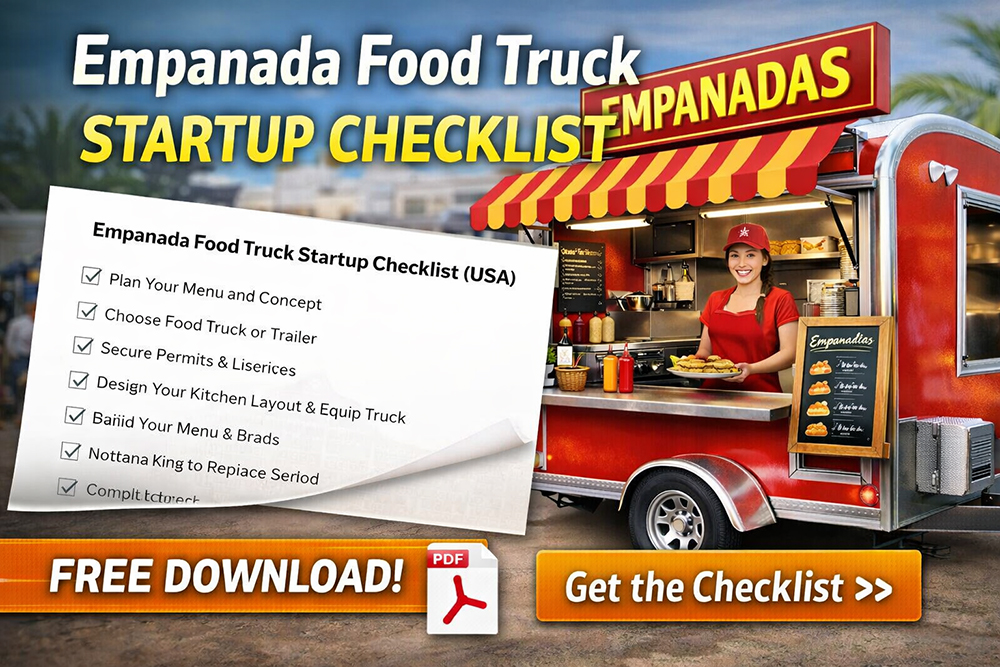
Before diving into the “how,” let’s talk about the “why.”
Empanadas are uniquely suited to mobile food businesses.
Low ingredient cost
Simple cooking process (fried or baked)
Fast service speed
Easy portion control
Strong cultural appeal
Works for lunch, dinner, and events
Empanadas also travel well and can be adapted to:
Latin American flavors
Fusion menus
Vegetarian or vegan trends
Dessert empanadas
This flexibility makes the empanada food truck business one of the most resilient mobile food models in the U.S.
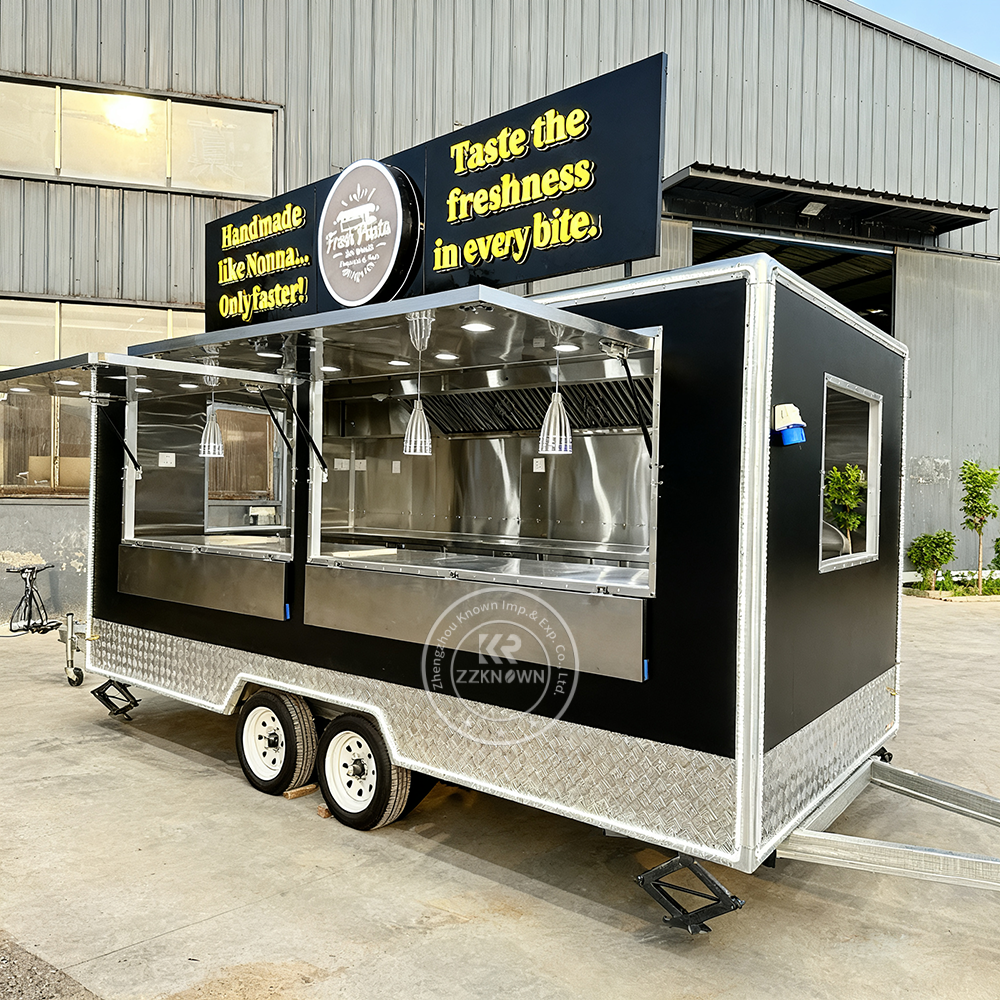
Before buying anything, answer one critical question:
What kind of empanada business are you building?
Fried, baked, or both?
Traditional or fusion flavors?
Savory only, or sweet empanadas too?
Street vending, events, catering, or all three?
Solo operation or small team?
Your answers will directly affect:
Equipment needs
Trailer or truck size
Startup cost
Daily workflow
At ZZKNOWN, we always recommend defining the menu first—then designing the kitchen around it.
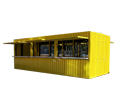
One of the biggest decisions in an empanada food truck business is whether you actually need a “truck.”
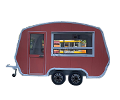
Food Truck
Self-driving
Higher upfront cost
More vehicle maintenance
Good for daily route-based vending
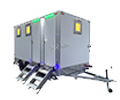
Food Trailer
Towed by a separate vehicle
Much lower startup cost
Easier maintenance
More flexible for events and catering
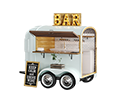
For many first-time owners, a custom empanada trailer offers:
Lower risk
Faster break-even
Easier expansion later
ZZKNOWN builds both—but most U.S. startups choose trailers for their first unit.
.png)
Many online articles underestimate costs. Let’s be realistic.
| Item | Estimated Cost |
|---|---|
| Empanada trailer or food truck | $7,000 – $60,000 |
| Kitchen equipment | $3,000 – $10,000 |
| Permits & licenses | $1,000 – $5,000 |
| Branding & wrap | $800 – $2,500 |
| Initial inventory | $500 – $1,500 |
| Insurance | $1,000 – $3,000 |
The good news? Compared to brick-and-mortar restaurants, the empanada food truck business has a much lower barrier to entry.
Your kitchen layout determines:
Speed of service
Food consistency
Staff comfort
Inspection success
Most empanada kitchens include:
Single or double fryer
Convection oven (optional)
Undercounter refrigerator
Freezer or combo fridge/freezer
Stainless steel prep table
Handwash sink
Double or triple sink
Range hood and exhaust
At ZZKNOWN, we provide 2D and 3D layout drawings to ensure everything fits, flows, and meets U.S. requirements before production begins.
This step scares many new owners—but it’s manageable.
Business license
Food handler certification
Mobile food vendor permit
Health department inspection
Fire department approval
Commissary kitchen agreement
Vehicle or trailer registration
Insurance
Rules vary by city and county, but most empanada businesses follow a similar path.
Pro tip: Always talk to your local health department early. Their input can save time and money later.
Branding is not optional—it’s how customers choose you.
Communicates what you sell instantly
Builds trust
Makes your truck memorable
Helps you stand out at events
Drives social media engagement
Trailer color
Logo design
Menu board clarity
Lighting
Service window style
ZZKNOWN supports full customization—color, logo placement, layout—so your empanada business looks as good as it tastes.
Location strategy can make or break your business.
Breweries
Food truck parks
Farmers markets
Festivals
College campuses
Office districts
Private catering events
Many successful owners start with events and catering, then expand into regular weekly locations.
Running an empanada food truck business is physical—but rewarding.
Prep ingredients in advance
Keep menu focused
Track inventory closely
Monitor oil quality
Maintain consistent portion sizes
Clean as you go
Efficiency behind the window is invisible to customers—but they feel it in faster service and better food.
Marketing doesn’t need to be expensive.
Instagram & TikTok (short cooking videos)
Google Business Profile
Event listings
Local food truck groups
Customer reviews
Empanadas are visually appealing—use that to your advantage.
Once you’re profitable, scaling becomes the next question.
Add a second trailer
Expand catering services
Introduce seasonal menus
Partner with breweries
Open a brick-and-mortar later
Because trailers are modular, many ZZKNOWN customers scale faster with multiple units rather than one large truck.
ZZKNOWN is a direct manufacturer with over 15 years of export experience.
Custom empanada food trucks & trailers
Menu-based kitchen design
U.S.-ready electrical & plumbing
DOT / CE / ISO compliant builds
One-unit minimum order
OEM / ODM services
Full support from design to delivery
We don’t just build equipment—we help build sustainable food businesses.
Every successful empanada food truck business started exactly where you are now—with a decision.
The path isn’t complicated, but it does require:
Planning
Smart equipment choices
Realistic budgeting
The right manufacturing partner
If you take those steps seriously, empanadas can take you further than you imagine.