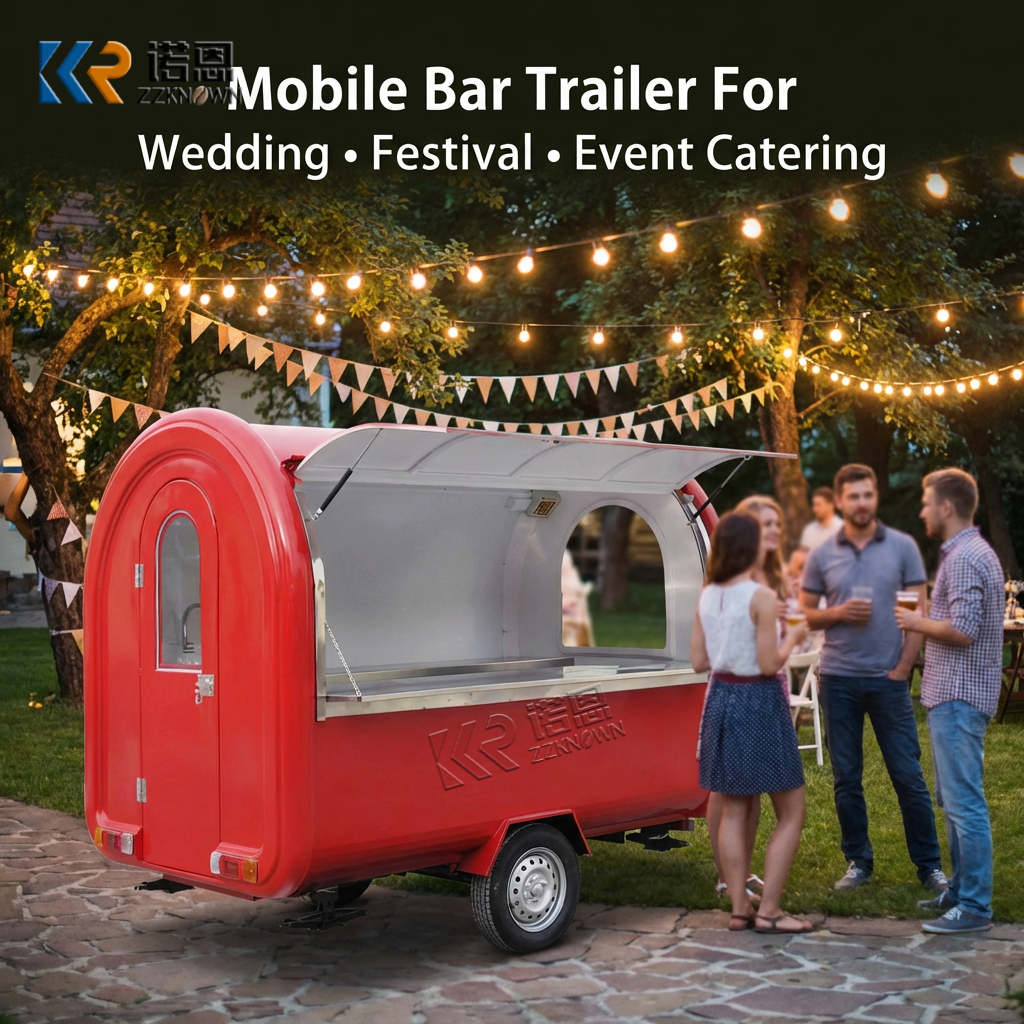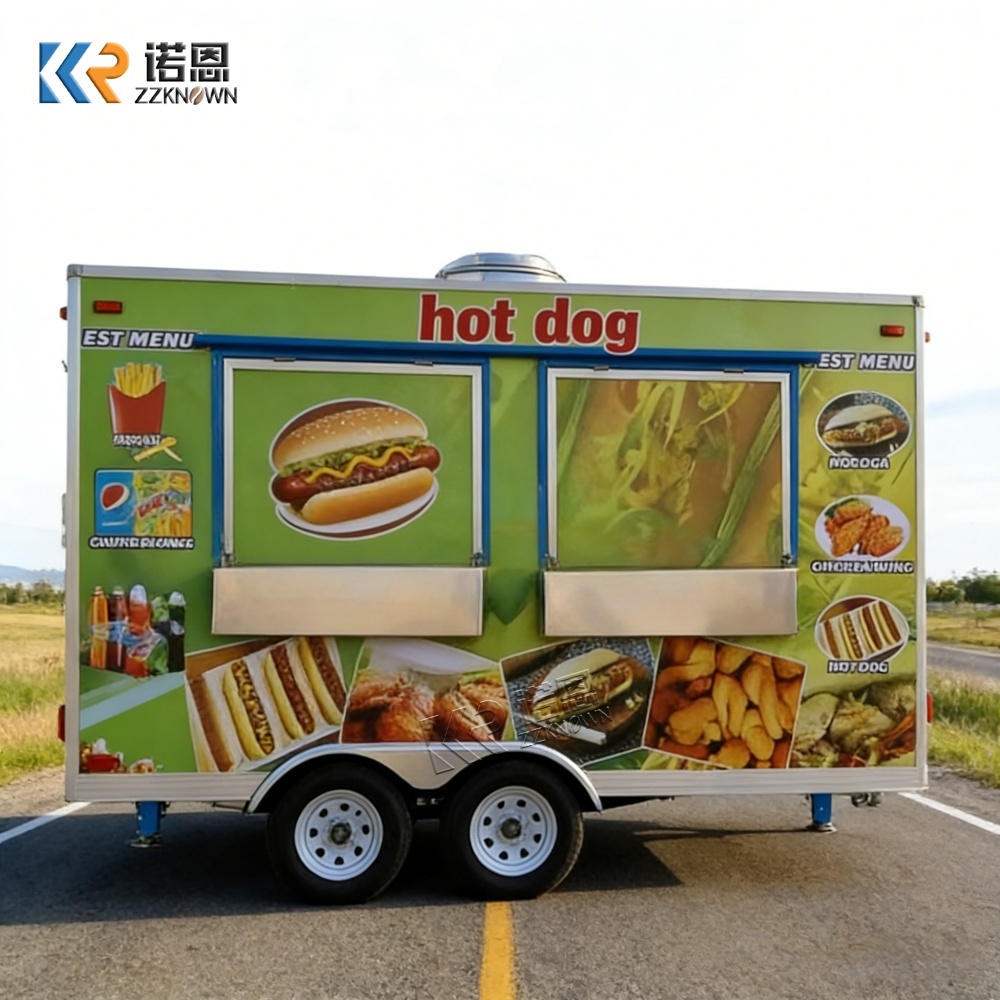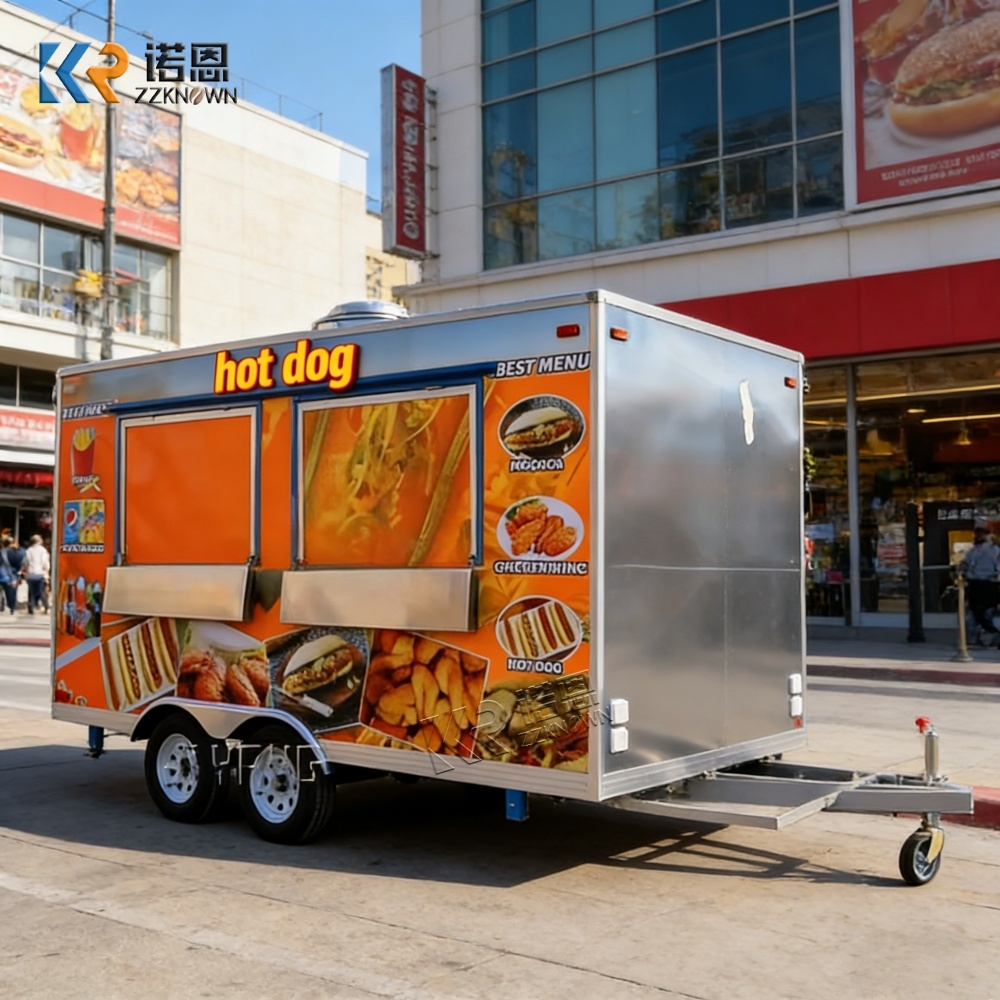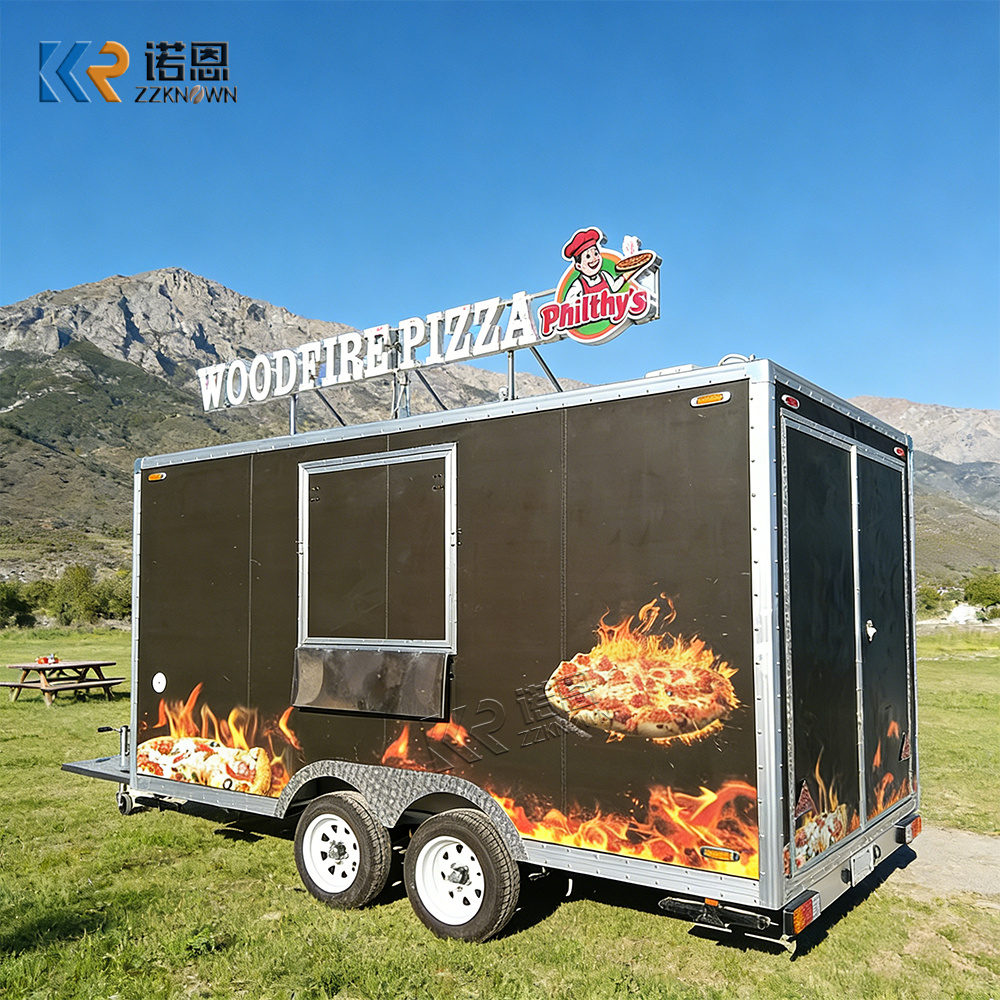
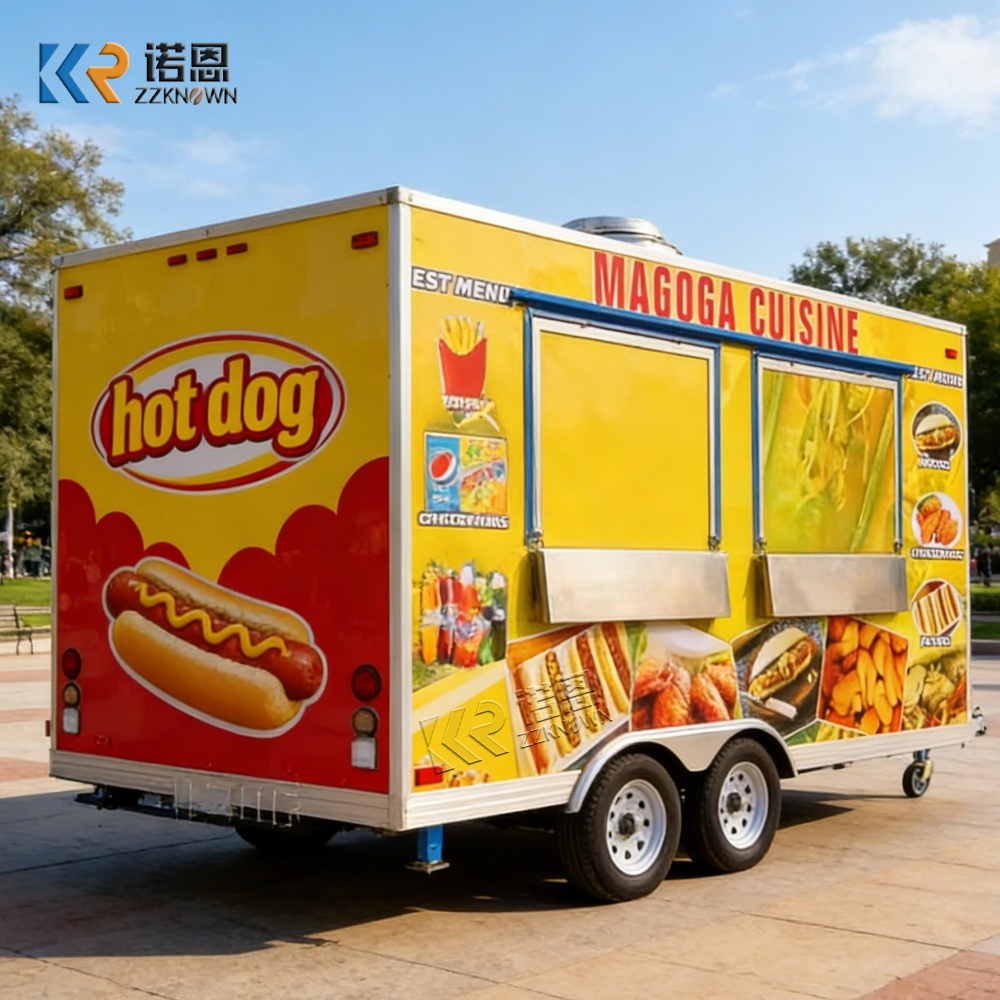
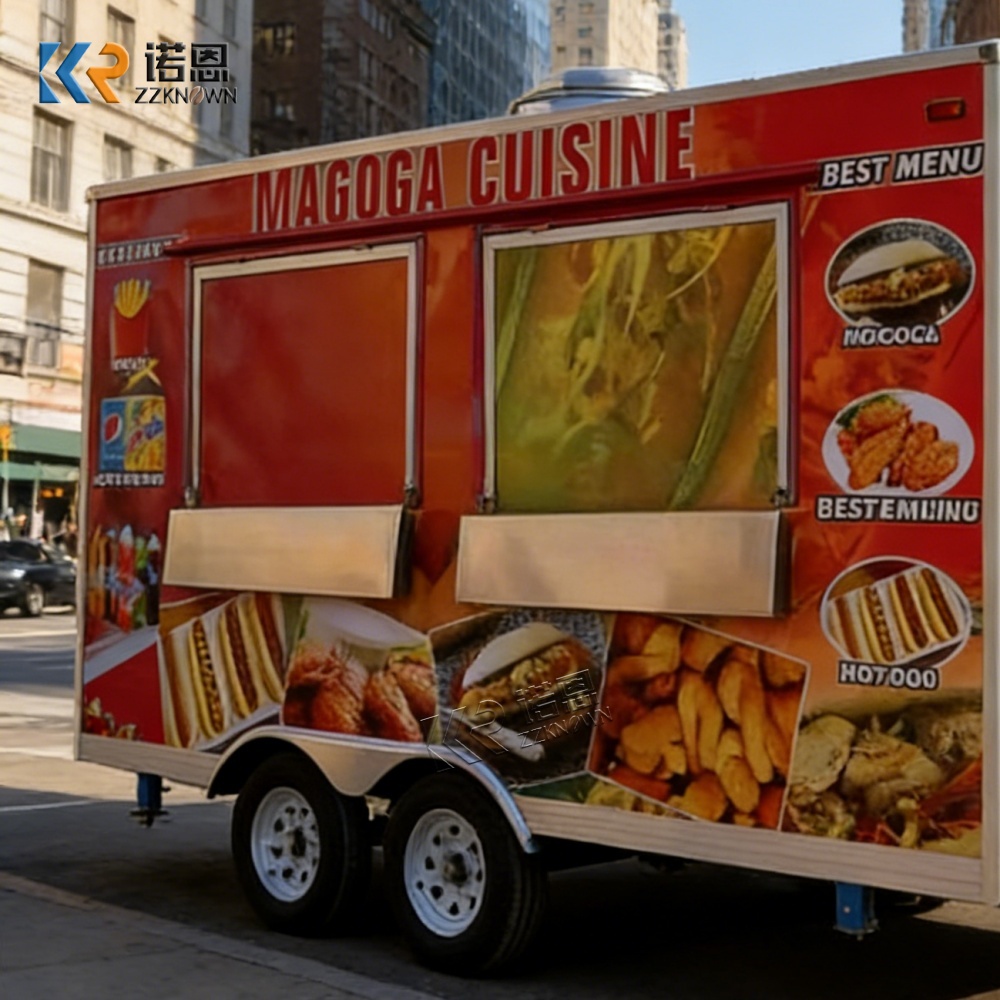
Starting a hot dog food trailer business in Australia is a strong opportunity in 2026 — but only if your trailer meets Australian compliance standards.
Australia has stricter structural, electrical, and food safety requirements than many other markets. Importing or purchasing a non-compliant trailer can result in:
-
Registration refusal
-
Council permit rejection
-
Costly rewiring or plumbing modification
-
Operational delays of 3–6 months
This guide explains:
-
Australian Design Rules (ADR) requirements
-
Food Standards Australia New Zealand (FSANZ) regulations
-
Local council approvals
-
Gas and electrical certification
-
Plumbing and sink requirements
-
Registration and roadworthiness
-
Import considerations
If you are targeting Sydney, Melbourne, Brisbane, Perth, or regional markets, this guide will help you launch legally and efficiently.
1. What “Australia Compliant” Actually Means
Compliance in Australia involves multiple layers:
-
Road compliance (ADR)
-
Food safety compliance (FSANZ + local council)
-
Gas compliance (AS/NZS standards)
-
Electrical compliance (AS/NZS 3000 wiring rules)
A trailer must satisfy all four.
2. Australian Design Rules (ADR) – Road Compliance
ADR refers to the national standards governing vehicle safety.
Your hot dog trailer must meet ADR standards to be registered and legally towed.
2.1 VIN & Identification
Requirements:
-
17-digit VIN
-
Compliance plate
-
Manufacturer details
-
ATM (Aggregate Trailer Mass) clearly stated
Without proper VIN documentation, state registration authorities (e.g., RMS in NSW, VicRoads in Victoria) will refuse registration.
2.2 Braking System Requirements
Trailers over 750kg ATM must have:
-
Mechanical or electric braking system
-
Breakaway system (for trailers over 2,000kg ATM)
-
Safety chains compliant with Australian standards
Improper braking systems are one of the most common import issues.
2.3 Lighting Requirements
ADR mandates:
-
Tail lights
-
Brake lights
-
Turn signals
-
Reflectors
-
License plate light
Lighting must match Australian wiring configuration.
3. Food Safety Compliance (FSANZ)
Food safety is governed nationally by Food Standards Australia New Zealand (FSANZ), but enforcement happens at local council level.
To operate legally, you must register as a food business with your local council.
3.1 Sink Requirements
Typical Australian requirements:
-
Double or triple sink (depending on menu complexity)
-
Separate handwash basin
-
Hot and cold running water
-
Water heater capable of maintaining temperature
-
Freshwater tank
-
Wastewater tank (usually larger than freshwater tank)
Water system must be permanently installed.
3.2 Surfaces & Construction
Interior must include:
-
Stainless steel food prep surfaces
-
Smooth, non-absorbent walls
-
Easy-clean flooring
-
Proper ventilation
Wood or porous materials will likely fail inspection.
3.3 Food Storage
Requirements include:
-
Commercial-grade refrigerator
-
Temperature monitoring
-
Separation of raw and ready-to-eat foods
-
Proper dry storage
4. Electrical Compliance (AS/NZS 3000)
Australia uses 230V/50Hz electrical systems.
Trailer electrical systems must:
-
Be installed by licensed electrician
-
Meet AS/NZS 3000 wiring rules
-
Include RCD (Residual Current Device) protection
-
Have certified switchboard
Imported 110V systems are not compliant and require full conversion.
5. Gas Compliance (AS/NZS 5601)
If using LPG for hot dog steamers or grills:
Requirements include:
-
Certified gas installation
-
Gas compliance plate
-
Approved gas regulator
-
Secured cylinder mounting
-
Ventilated gas storage area
Gas installations must be inspected and certified by a licensed gas fitter.
6. Council-Level Permits
Even with ADR and FSANZ compliance, you must:
-
Apply for mobile food vendor registration
-
Submit layout drawings
-
Provide equipment list
-
Pass health inspection
-
Obtain public liability insurance
Permit cost range:
AUD $300 – $1,500 annually depending on state
7. Registration Process (By State)
Each state manages registration separately.
Common process:
-
Obtain VIN documentation
-
Pass roadworthy inspection
-
Register trailer with state authority
-
Receive license plate
States include:
-
NSW
-
Victoria
-
Queensland
-
Western Australia
-
South Australia
Regulations vary slightly, but ADR compliance is mandatory nationwide.
8. Importing a Food Trailer into Australia
Importing from overseas requires additional steps:
-
Ensure ADR-compliant axle and braking system
-
Convert electrical system to 230V
-
Modify plumbing if necessary
-
Meet gas certification requirements
-
Provide engineering certification if requested
Non-compliant imports often require $5,000–$15,000 modification.
Working with a manufacturer experienced in Australian builds, such as ZZKNOWN, can reduce retrofit risk if they customize according to ADR and AS/NZS standards before shipment.
Always request detailed technical specifications before purchase.
9. Cost of Compliance in 2026 (Australia)
If purchasing locally compliant trailer:
Included in build cost.
If modifying imported non-compliant trailer:
| Upgrade | Estimated Cost (AUD) |
|---|---|
| Brake system modification | $1,500 – $4,000 |
| Electrical conversion | $3,000 – $8,000 |
| Gas certification upgrade | $1,500 – $4,000 |
| Plumbing modification | $2,000 – $6,000 |
Compliance retrofitting can exceed AUD $15,000.
10. Total Startup Budget in Australia (2026 Estimate)
Budget Trailer Model
| Category | Estimated Cost (AUD) |
|---|---|
| Compliant trailer | $15,000 – $30,000 |
| Permits & council fees | $1,000 – $3,000 |
| Inventory | $1,500 |
| Insurance | $1,000 – $2,000 |
| Working capital | $10,000 |
Estimated total:
AUD $30,000 – $45,000
11. Revenue Potential in Australia
Average hot dog price:
AUD $6 – $10
High-demand environments:
-
Beach locations
-
Markets
-
Sporting events
-
Festivals
-
CBD lunch districts
Monthly revenue potential:
AUD $12,000 – $25,000 depending on traffic and event participation.
12. Common Compliance Mistakes in Australia
Entrepreneurs often:
-
Import non-ADR axle trailers
-
Forget voltage conversion
-
Skip licensed gas installation
-
Underestimate council approval timelines
-
Assume compliance transfers between states
Compliance must be verified before operation.
13. Timeline to Launch
Typical timeline:
-
Trailer build: 4–10 weeks
-
Shipping (if imported): 4–6 weeks
-
State registration: 1–3 weeks
-
Council approval: 2–6 weeks
Total average:
3–5 months
Planning ahead prevents seasonal revenue loss.
14. Compliance Checklist
Before launch confirm:
-
ADR-compliant VIN and plate
-
Registered with state authority
-
Electrical certified (AS/NZS 3000)
-
Gas certified (AS/NZS 5601)
-
Water system approved
-
Council food business registration approved
-
Insurance active
If all items are satisfied, you are legally operational in Australia.
Conclusion
Launching a hot dog food trailer in Australia in 2026 is profitable — but only if compliance is prioritized.
Australian authorities enforce:
-
Road safety standards
-
Electrical certification
-
Gas installation rules
-
Strict food safety compliance
Cutting corners leads to operational shutdown and financial loss.
Investing in a properly built, Australia-compliant trailer from the beginning:
-
Reduces delays
-
Avoids costly retrofits
-
Protects insurance validity
-
Accelerates revenue
Compliance is not a barrier — it is your business foundation.