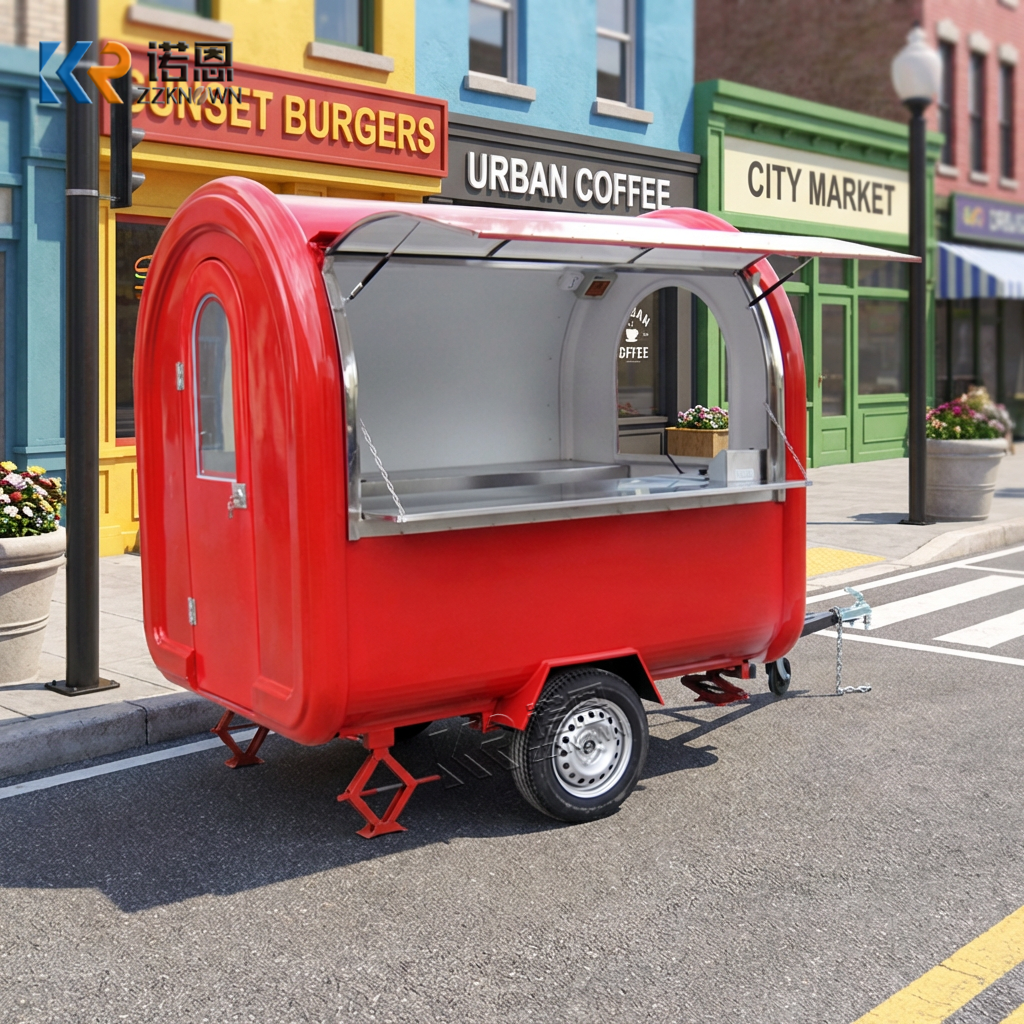


Hot Dog Food Truck for Sale: The Complete 2026 Global Buying Guide (Cost, Compliance & ROI)
Buy a high-quality hot dog food truck for sale from ZZKNOWN. Custom-built mobile kitchen trailers for USA, Europe, Australia & global markets. Affordable pricing, full certification support, and fast delivery. Start your profitable street food business today.
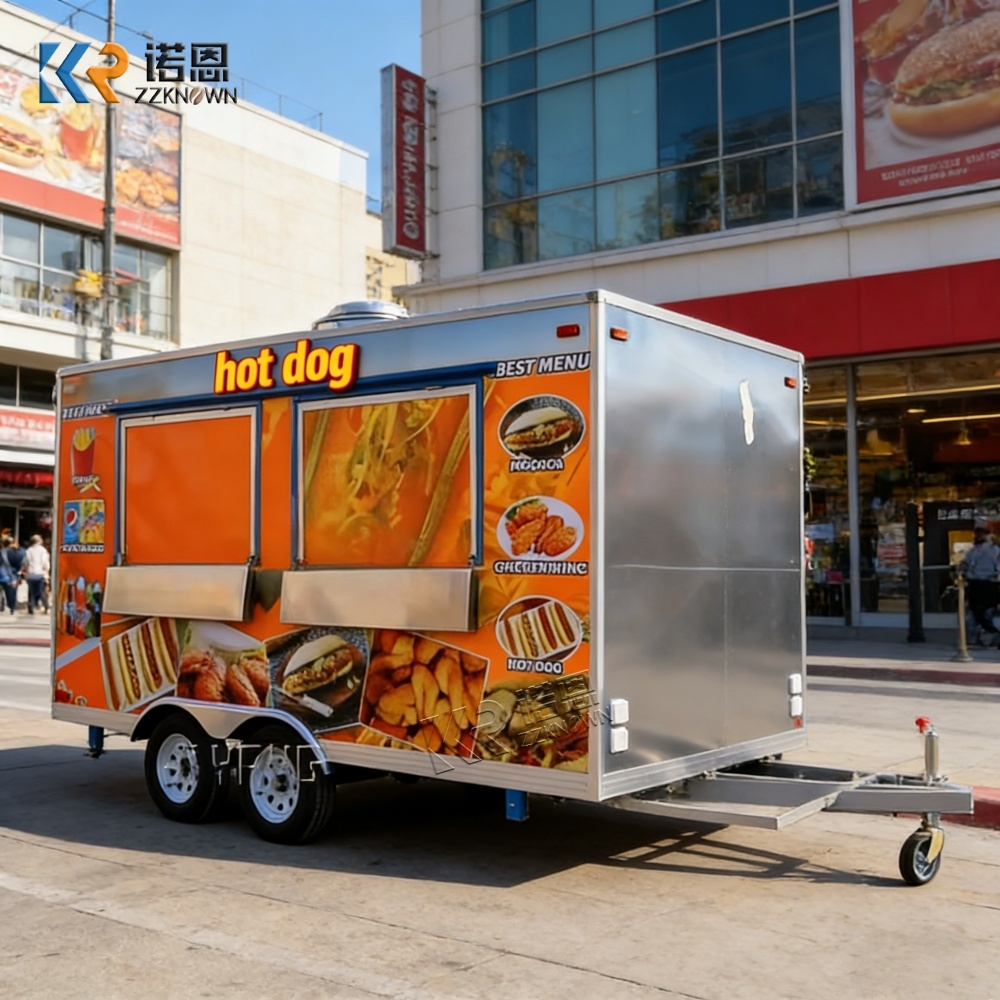
If you’re searching for a hot dog food truck for sale, you’re not casually browsing. You’re planning a business.
And in 2026, the mobile food industry is no longer a trend — it’s a mature, scalable business model across the United States, Australia, Canada, Europe, and emerging markets.
But here’s the truth:
Most first-time buyers choose the wrong trailer.
They focus on price instead of compliance.
They underestimate local regulations.
They ignore workflow design.
And many end up spending more fixing mistakes than they would have spent buying the right unit from the beginning.
This guide walks you through everything:
-
Real cost breakdowns by region
-
Certifications required in different countries
-
New vs used comparison
-
Equipment essentials
-
Design strategies that increase daily revenue
-
ROI expectations
-
Common buying mistakes
-
How to choose the right manufacturer
Let’s start with the numbers.
1. How Much Does a Hot Dog Food Truck Cost in 2026?
The price depends heavily on country compliance requirements and customization level.
United States
-
Used basic trailer: $5,000–$40,000
-
New custom-built compliant trailer: $5,000–$45,000
-
High-end fully branded unit: $10,000+
Australia
-
AUD $6,000–$45,000
-
Compliance upgrades (240V + gas certification) increase cost
Canada
-
CAD $6,000–$55,000
-
Winter insulation packages add to total investment
Europe
-
€6,000–€40,000
-
CE certification and HACCP layout required
What Actually Drives the Price?
-
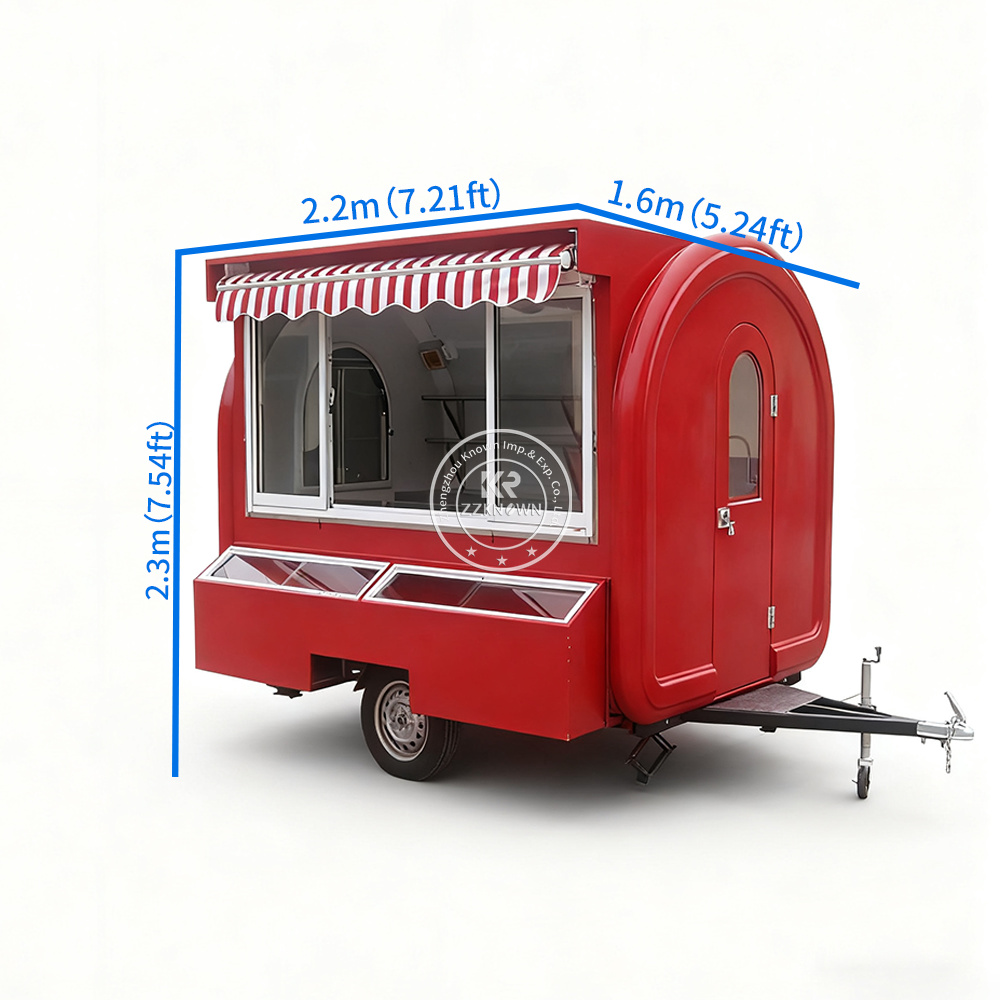
Trailer size (2m / 3m / 4m)
-
Single vs double axle
-
Electrical system (110V vs 240V)
-
Stainless steel quality
-
Equipment package
-
Water tank capacity
-
Branding & custom exterior wrap
-
Certification documentation
The biggest mistake buyers make?
Buying a cheap non-compliant trailer that fails inspection.
2. Hot Dog Cart vs Full Food Trailer: Which Should You Buy?
| Feature | Hot Dog Cart | Full Food Trailer |
|---|---|---|
| Startup Cost | Low | Medium |
| Staff Capacity | 1 person | 2–3 people |
| Menu Options | Limited | Expandable |
| Storage Space | Minimal | Commercial-grade |
| Branding Area | Small | Large |
| Long-Term Scalability | Low | High |
If you’re testing the market with minimal capital, a cart works.
If you want real daily revenue and scalability, a full trailer is the smarter long-term investment.
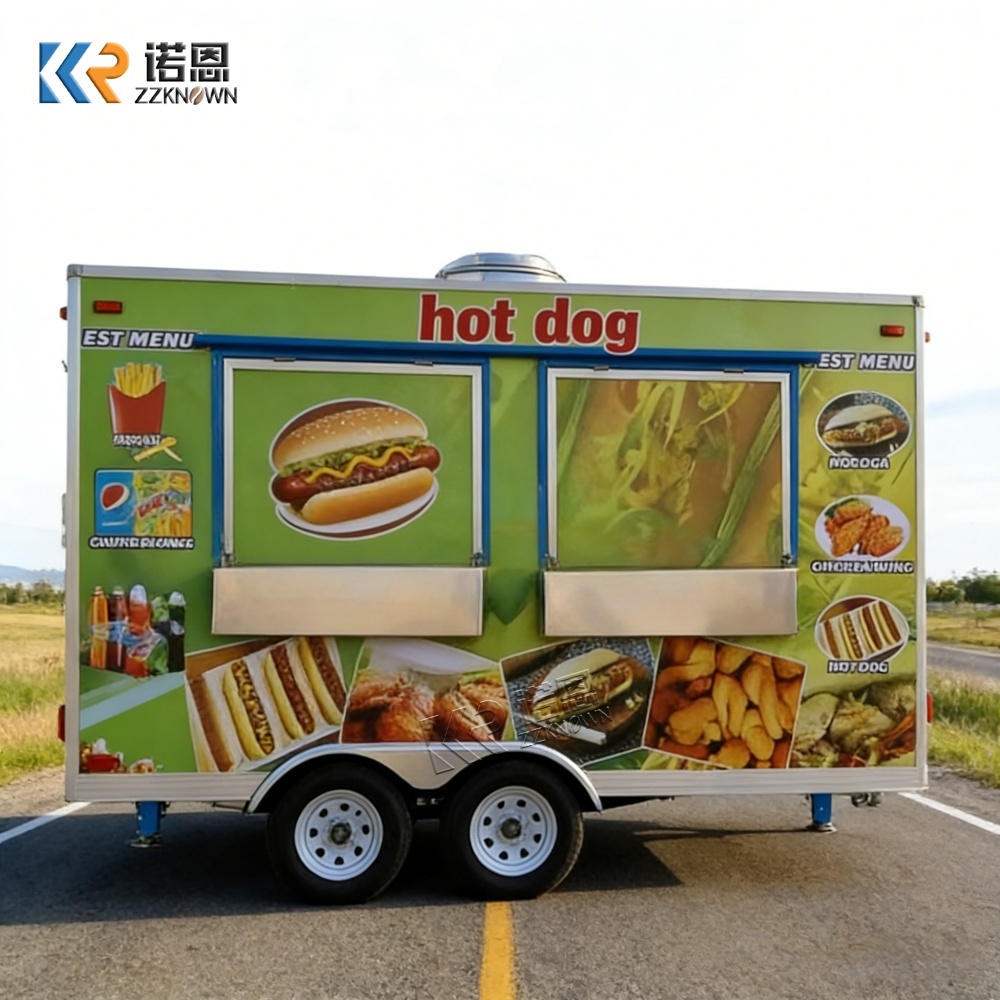
Most serious operators now choose 3m–3.5m trailers because they allow menu expansion (sausages, fries, drinks, combo meals).
3. Compliance Requirements by Region (Critical Section)
This is where many overseas buyers fail.
United States
Your trailer must meet:
-
DOT compliant chassis
-
VIN number
-
Proper brake system
-
110V / 60Hz wiring
-
NSF-style stainless food surfaces
-
Local health department sink configuration
Without DOT compliance, you cannot register the trailer.
Australia
You’ll need:
-
240V / 50Hz electrical system
-
Gas safety compliance
-
RCD protection
-
Stainless interior
-
Adequate ventilation
Australia also has strict local council food safety inspections.
Europe
Requirements include:
-
CE certification
-
HACCP-ready layout
-
Dual axle stability for larger units
-
EU standard power system
Canada
Additional considerations:
-
Insulation against cold weather
-
Heating systems
-
CSA-compliant electrical components
A professional manufacturer like ZZKNOWN builds units specifically for destination markets, ensuring wiring, braking, and structural standards match the importing country.
This prevents customs and inspection issues.
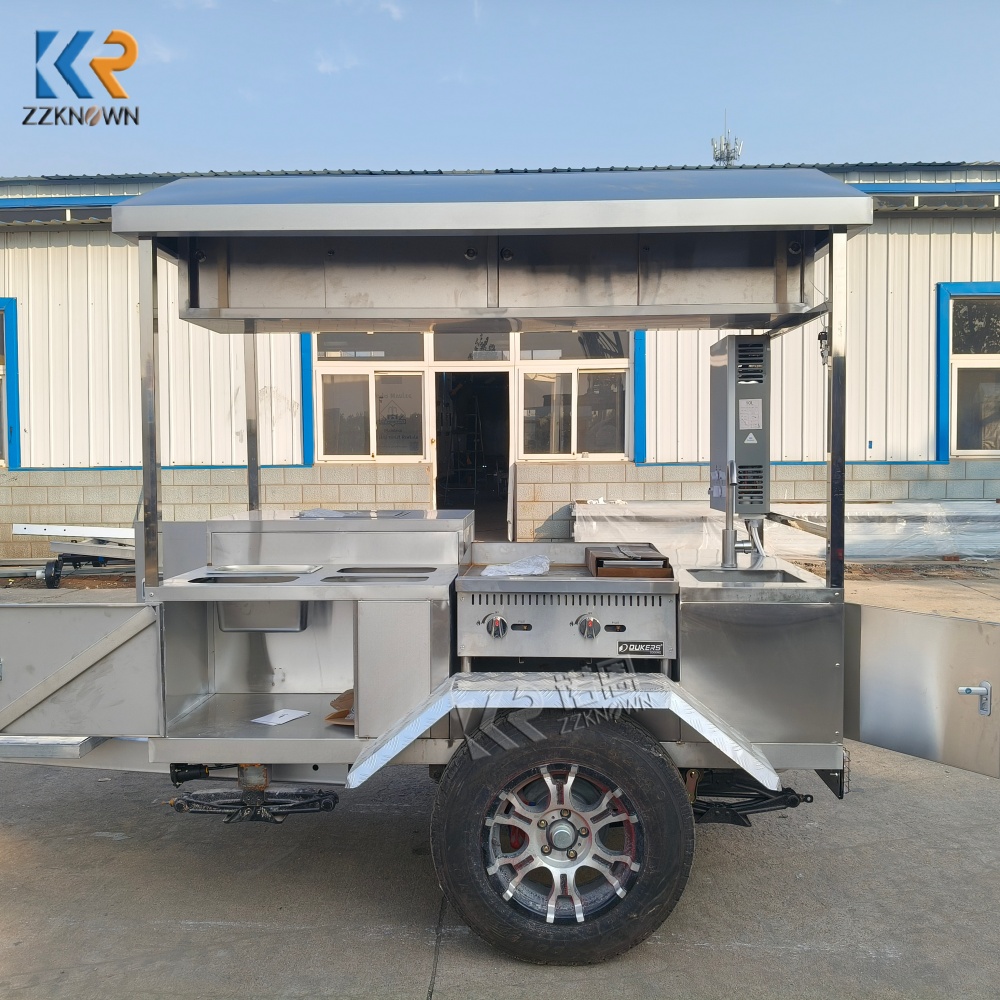
4. Essential Equipment for a Profitable Hot Dog Trailer
Must-Have Equipment
-
Hot dog steam table or roller grill
-
Double sink (wash + rinse)
-
Hand wash sink
-
Refrigerator
-
Exhaust hood system
-
Fresh water tank
-
Waste water tank
-
Commercial stainless workbench
Optional (But Revenue-Boosting)
-
Deep fryer (for fries or sides)
-
Flat grill
-
Beverage fridge
-
LED digital menu screen
-
POS system
-
Storage cabinets
If you plan to expand your menu, choose a layout that allows adding equipment later.
Workflow matters more than size.
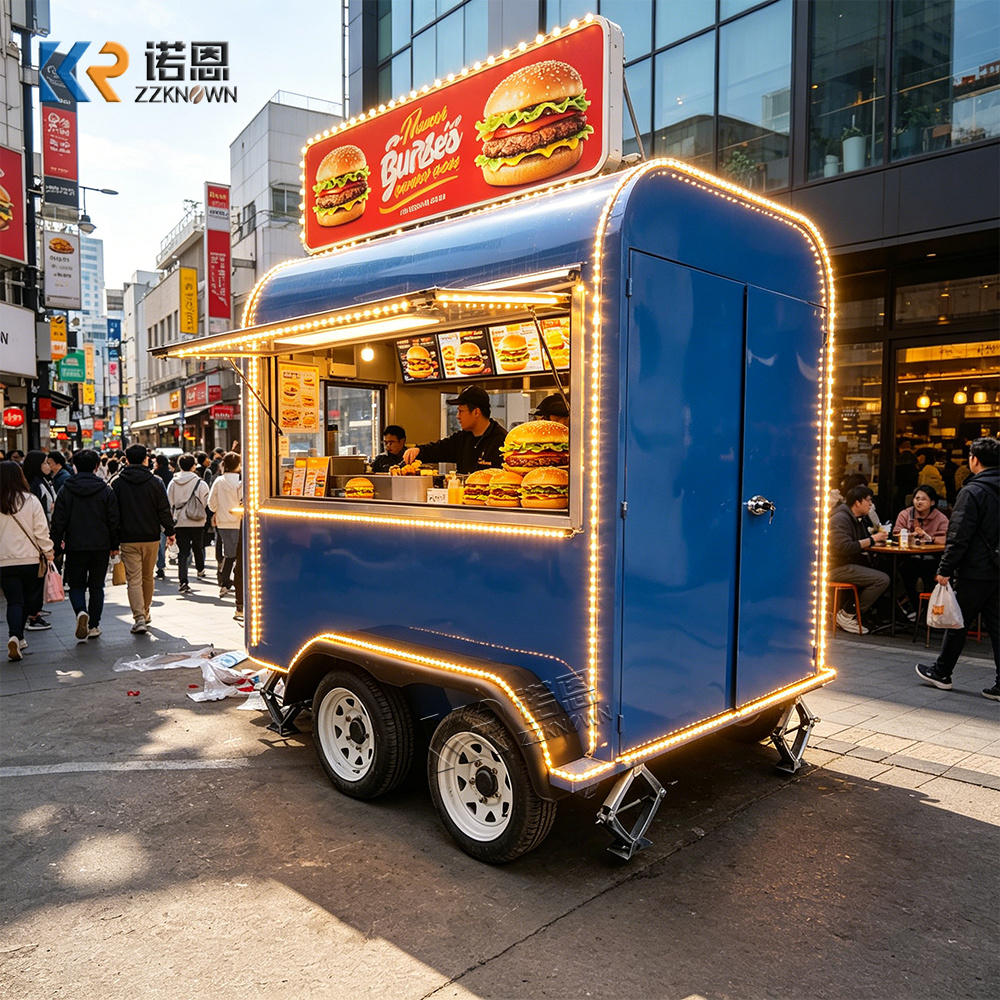
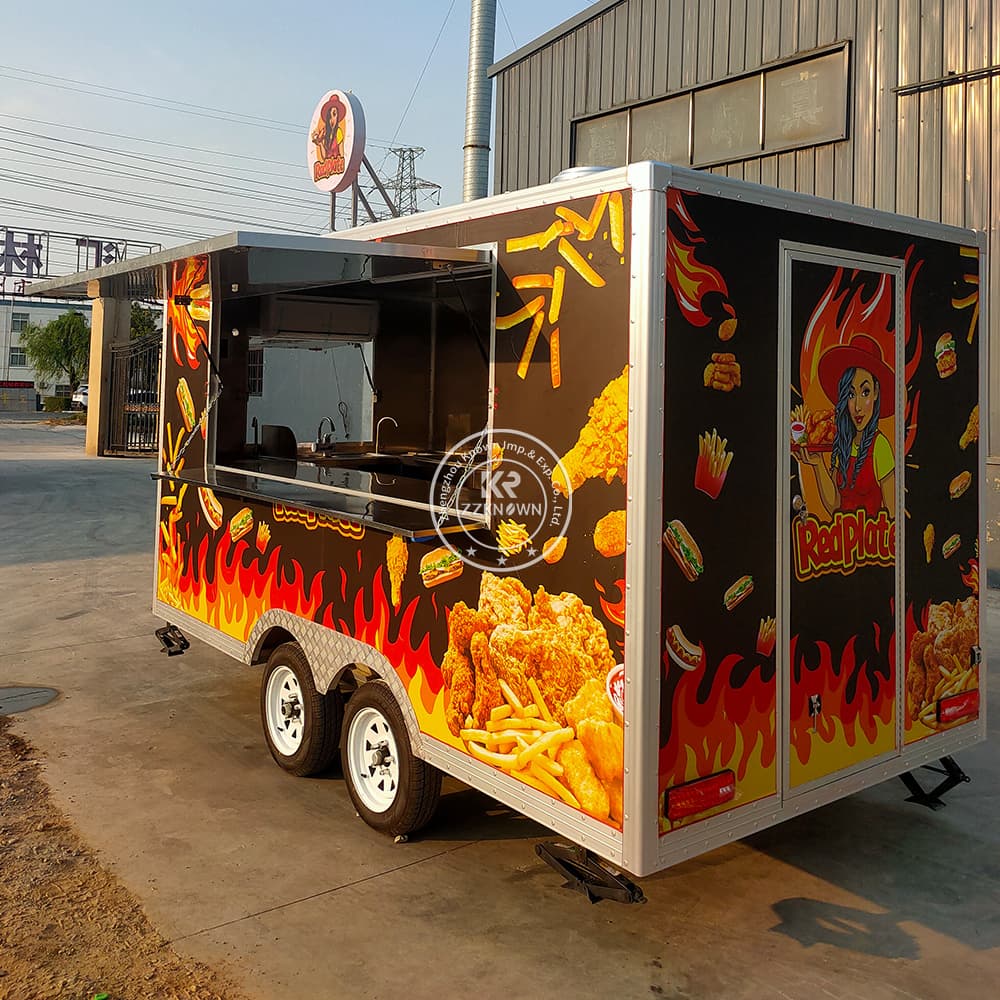
5. Design That Increases Sales
Many people think equipment makes money.
It doesn’t.
Design does.
High-performing trailers usually include:
-
Large serving window
-
Clear menu board
-
Bright but clean color scheme
-
Visible cooking process (attracts crowds)
-
Efficient internal workflow
Branding psychology matters.
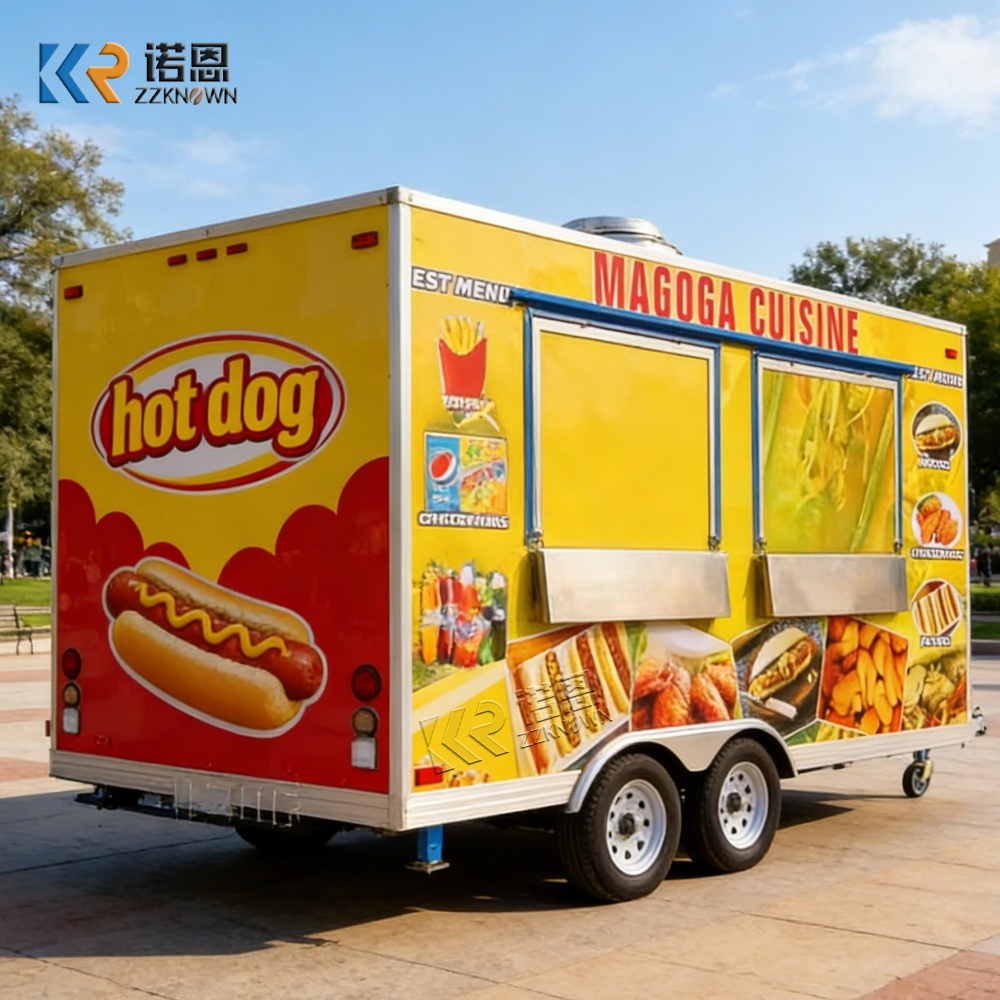
Red and yellow are common in fast food for a reason — they stimulate appetite.
6. Real ROI Expectations
Let’s break it down.
Average hot dog:
Cost to produce: $1–2
Selling price: $5–8
Average daily sales (moderate location): 120–200 units
Conservative scenario:
150 hot dogs × $6 average = $900/day revenue
Even after ingredient, labor, and overhead, margins are strong.
Most operators recover investment within:
-
6–12 months (busy urban markets)
-
12–18 months (smaller cities)
7. Used vs New: Which Is Better?
Used Pros:
-
Lower upfront cost
-
Immediate availability
Used Cons:
-
Hidden mechanical issues
-
Outdated wiring
-
Health code non-compliance
-
No warranty
New Pros:
-
Built to local standards
-
Custom layout
-
Warranty protection
-
Long-term durability
For international buyers, used trailers are rarely practical due to compliance differences.
8. Common Buying Mistakes
-
Buying without checking local regulations
-
Ignoring electrical compatibility
-
Choosing insufficient water tank capacity
-
Underestimating storage needs
-
Not planning for business growth
-
Working with inexperienced exporters
9. Why Manufacturing Quality Matters
Lower-cost trailers often use:
-
Thin steel panels
-
Weak chassis
-
Non-commercial wiring
-
Poor insulation
Over time, these issues cost more in repairs.
A reliable supplier like ZZKNOWN focuses on:
-
Reinforced chassis structure
-
Commercial stainless steel interiors
-
Destination-specific electrical systems
-
Custom 2D/3D layout design before production
-
International export experience
Manufacturing detail directly affects durability and resale value.
10. Shipping & Import Considerations
Before ordering:
-
Confirm shipping method (LCL vs full container)
-
Understand import duty in your country
-
Verify certification documents
-
Request production photos
-
Confirm packaging standards
Professional exporters provide full documentation.
11. Is 2026 a Good Time to Start?
Yes — but strategically.
Street food remains recession-resistant.
Hot dogs are:
-
Low ingredient cost
-
Simple to prepare
-
Universally recognized
-
High margin
In uncertain economic times, affordable food performs well.
Frequently Asked Questions
How long does production take?
Usually 25–35 working days after layout confirmation.
Can I customize the layout?
Yes. Size, color, equipment, window placement, and branding can all be customized.
What’s the minimum order?
Most manufacturers allow 1 unit MOQ.
Can I finance it?
Many buyers use bank loans or equipment financing.
Final Thoughts
Buying a hot dog food truck for sale is not just purchasing a trailer.
You’re investing in:
-
Compliance
-
Efficiency
-
Brand image
-
Scalability
-
Long-term durability
The cheapest trailer is rarely the most profitable.
If you want a compliant, export-ready, customizable hot dog food trailer designed for your country’s regulations, request detailed layout drawings and a full equipment list before production begins.
A well-built trailer pays for itself.
A poorly built one costs you twice.