Direct answer
Menu engineering helps a food trailer earn more from the menu it already has. You compare each item’s popularity and contribution margin, then adjust placement, descriptions, bundles, portions, prep methods, or kitchen workflow. The goal is not to trick customers or blindly raise prices. It is to make profitable choices easier to see while removing items that slow service, create waste, or occupy valuable trailer space.
Last updated: August 14, 2026
Author: ZZKNOWN Editorial Team
Technical review: ZZKNOWN Food Trailer Engineering Team
What should you know before changing your menu?
What are the key takeaways?
- Measure contribution margin, not only food-cost percentage. A higher-cost item can still put more money toward labor, fuel, rent, and profit.
- Analyze comparable categories separately. Compare burgers with burgers and drinks with drinks before combining the whole menu.
- Include operational pressure. An item that looks profitable on paper may be weak if it blocks the fryer, adds five ingredients, or slows the service window.
- Use design as a guide, not a magic trick. Clear naming, readable groups, honest descriptions, and limited highlights are more useful than unsupported “menu psychology” myths.
- Test one change at a time. Use at least several comparable service periods and account for weather, location, promotions, and event mix.
- Design the trailer around the menu. Menu engineering should influence refrigeration, cooking capacity, prep space, storage, signage, and the serving-window workflow.
Where does this guide apply, and how current are the sources?
This guide is written for global food trailer buyers and operators. The financial examples are illustrative calculations in U.S. dollars, not market averages or promised results. Research and official sources were checked on August 14, 2026. Regulatory examples cover the United States, the European Union, and England because menu information rules differ by market and business size.
Menu engineering is a business-analysis method, not an accounting standard or legal approval. Local tax, allergen, price-display, calorie-labeling, consumer-protection, and advertising rules may change what you must show. Confirm the current requirements where you operate.
| Region | Official source checked | Why a mobile operator should care |
|---|---|---|
| United States | FDA Menu Labeling Requirements | Federal menu-labeling rules generally cover chains with 20 or more locations operating under the same name and offering substantially the same menu items. State and local requirements can also matter. |
| European Union | Regulation (EU) No 1169/2011 | Food information, including allergen communication for non-prepacked food, must be planned into printed, digital, and staff-assisted ordering systems as applicable. |
| England | Official out-of-home calorie-labeling guidance | Qualifying businesses with 250 or more employees must display calories at the point of choice. Smaller operators should still design a menu that can accommodate required information if the business scales. |
What does menu engineering actually measure?
Imagine a Saturday festival. Your line is long, the fryer is full, and the burger that everyone orders has a respectable food-cost percentage. You finish the night feeling busy. Then you look at the numbers and discover that a simpler loaded-fries item produced more contribution dollars per minute, while a slow specialty sandwich used six ingredients, created waste, and delayed every order behind it.
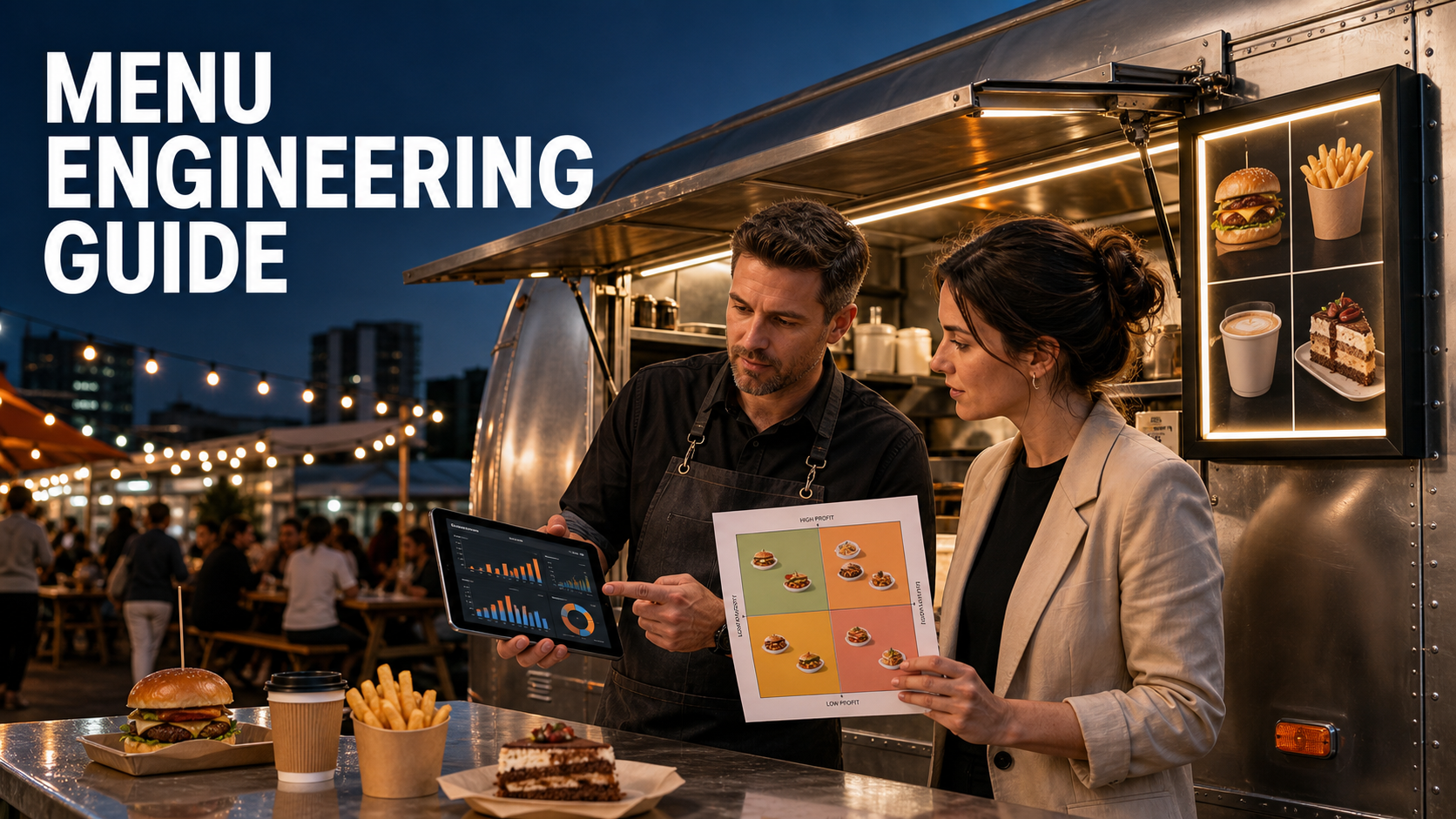
That is the problem menu engineering is built to expose. The classic method, associated with Kasavana and Smith, compares two signals:
What is popularity?
Popularity is the item’s share of units sold inside a comparable menu category during the analysis period.
What is contribution margin?
Contribution margin per item is the selling price minus the variable food and packaging cost assigned to that sale.
Contribution margin per item = selling price – variable food and packaging cost
Why not rank products only by food-cost percentage? Because percentages can hide contribution dollars. A $12 item with $4 of variable cost contributes $8, while a $7 item with $2.10 of variable cost contributes $4.90. The second item has the better cost percentage, but the first contributes more dollars before labor and overhead. You need both operational context and actual contribution.
How do the four menu categories work?
Why are Stars worth protecting?
High popularity + high contribution. Keep quality consistent, make them visible, and protect the equipment capacity that produces them.
What should you do with Plowhorses?
High popularity + lower contribution. Review portions, packaging, add-ons, prep labor, and supplier cost without damaging the reason customers love the item.
How can Puzzles become easier to order?
Lower popularity + high contribution. Test a clearer name, better description, more logical placement, a small photo, staff prompt, or pairing.
When should Dogs leave the menu?
Lower popularity + lower contribution. Simplify, reprice, make seasonal, or remove them unless they serve a strategic purpose such as a dietary need.
What would a simple food trailer analysis look like?
The table below is a teaching example. It represents 400 items sold inside one “main food” category over a defined test period. Ingredient and packaging costs are illustrative. Labor, card fees, event commissions, fuel, taxes, and fixed overhead are not included in the per-item contribution calculation.
| Illustrative item | Units sold | Price | Variable cost | Contribution/item | Likely action |
|---|---|---|---|---|---|
| Classic Burger | 150 | $12.00 | $4.00 | $8.00 | Star: protect quality and visibility |
| Chicken Basket | 130 | $10.00 | $4.20 | $5.80 | Plowhorse: review portion and fryer load |
| Loaded Fries | 70 | $9.00 | $2.40 | $6.60 | Puzzle: test placement or a bundle |
| Specialty Sandwich | 50 | $11.00 | $5.20 | $5.80 | Dog: simplify or remove after testing |
Example only. Classification thresholds depend on the category, item count, chosen method, and analysis period. Do not treat these sales volumes or prices as ZZKNOWN customer results.
How should you collect clean data?
Start with POS sales by item, recipe-level ingredient quantities, current supplier prices, packaging, sauces, garnishes, and waste. Use the same period for all items in the category. If a festival weekend was unusually rainy, a delivery app promoted one item, or a product was unavailable for three days, note it.
- Choose a stable analysis period. Four to eight representative weeks may be more useful than one exciting event day, but a seasonal business should also compare like-for-like events or months.
- Standardize the recipe. Cost the portion actually served, including oil absorption assumptions, condiments, cup lids, napkins, and packaging where material.
- Group comparable items. Analyze mains, sides, drinks, and desserts separately before reviewing the whole basket.
- Calculate popularity and contribution. Keep the raw worksheet so another person can reproduce the result.
- Add operational notes. Record prep minutes, cooking station, holding limits, allergen complexity, storage space, waste, and service bottlenecks.
- Change one variable. If you rename, reprice, reposition, photograph, and bundle an item at the same time, you will not know what worked.
- Review the result. Compare similar days, locations, weather, opening hours, and promotions. Repeat before making a costly equipment decision.
What does research really say about menu design?
Research supports careful menu design, but it also tells us to be skeptical of universal tricks.
A six-week field experiment involving 140 customers reported that descriptive labels increased sales of the tested items by about 27% and improved post-consumption attitudes. Read the original descriptive-menu-label study. The useful lesson is to use specific, truthful, appetizing language sparingly. The limitation is equally important: the study is old, small, and context-specific. A name will not rescue slow service or disappointing food.
A 2019 eye-tracking analysis of a restaurant menu found attention patterns around the middle and upper-left areas, with color influencing some early eye movements. Another 2021 eye-tracking study of 13 participants reported no reliable universal “sweet spot” that guaranteed orders. That is why this guide does not promise that one corner of a menu always sells best.
For food stands, a laboratory eye-tracking study involving 36 participants found differences in attention to storefront and menu-board information. Again, the sample was limited. Your own queue, viewing distance, lighting, language, and service-window height matter. Test the real board from the customer’s approach path.
How can you make profitable choices easier to notice?
- Use plain category names. Customers should understand Burgers, Sides, Drinks, and Combos in seconds.
- Write one useful description. Name the cooking method, defining ingredient, portion, or flavor. Avoid a paragraph of adjectives.
- Limit visual highlights. If every item has a box, icon, photo, and bright color, none of them is highlighted.
- Show a clean price hierarchy. Keep prices readable and legally compliant without turning the board into a spreadsheet.
- Use photos selectively. A strong image can explain an unfamiliar signature item. Too many photos add clutter and raise the risk that the delivered product looks different.
- Offer logical add-ons. A drink, side, topping, or dessert should fit the workflow and improve the basket, not create a second production system.
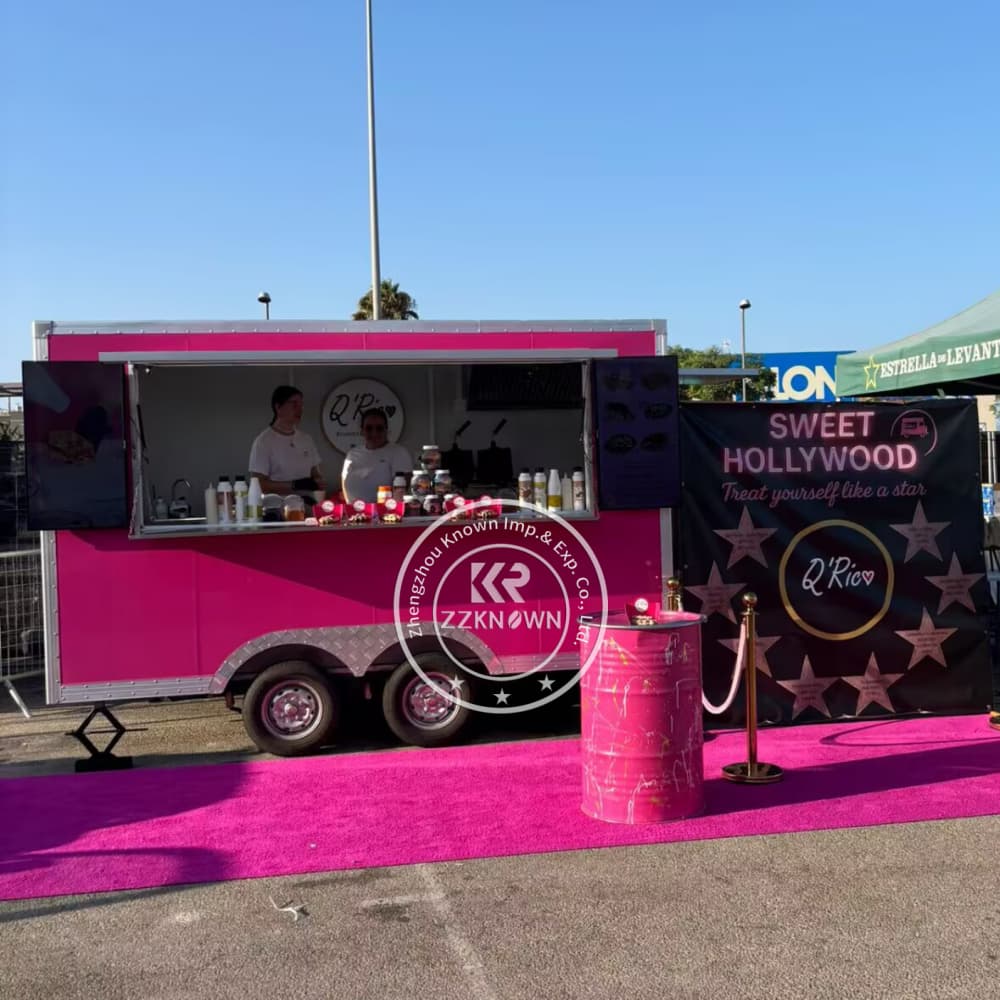
- Design for the queue. Put the core offer where a customer can decide before reaching the payment point.
Why must the kitchen layout be part of the menu decision?
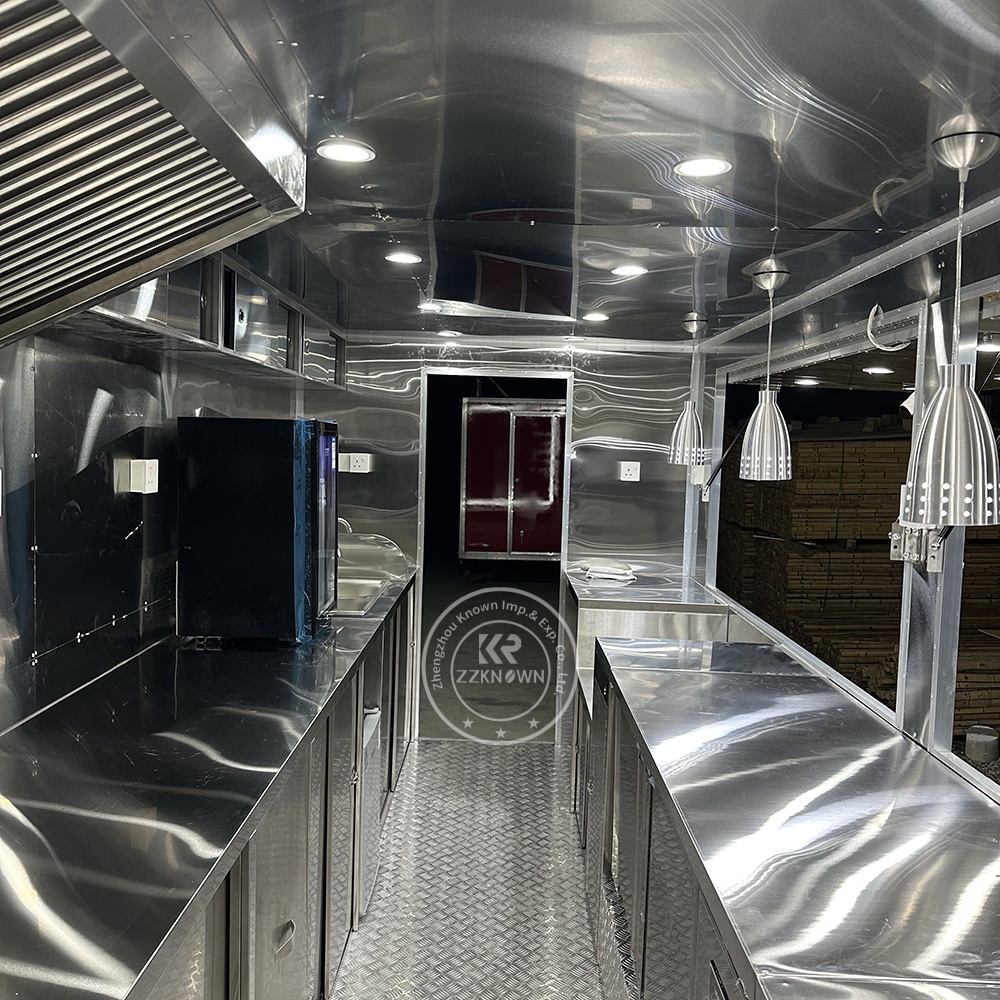
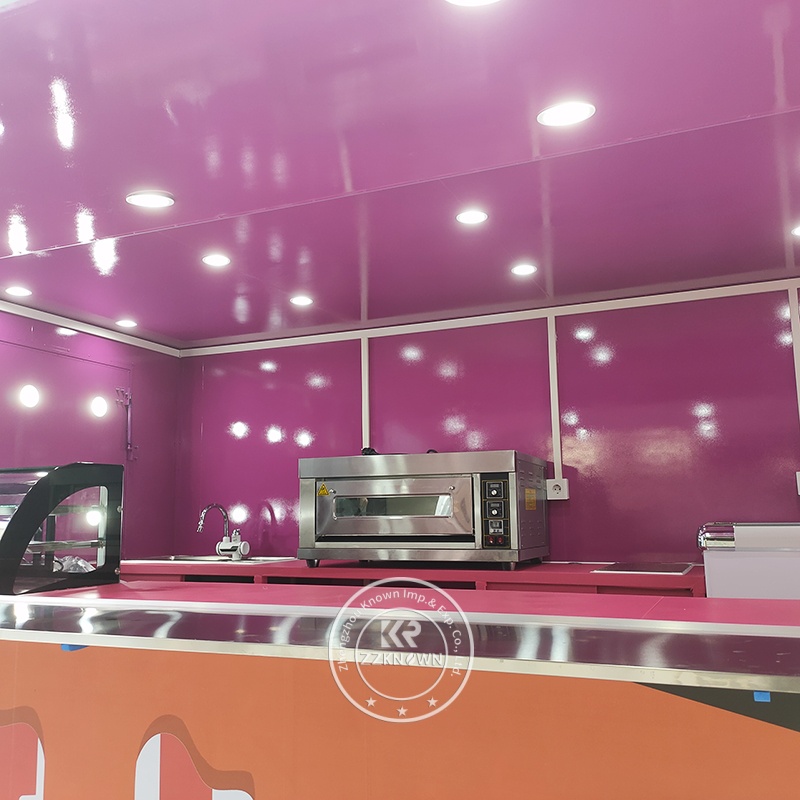
According to ZZKNOWN’s production experience, buyers often begin with an equipment wish list. A better conversation begins with the menu, expected orders per hour, staffing, and service sequence. Those answers determine how many cold drawers are needed, whether the fryer becomes a bottleneck, where finished orders land, and how the menu board should sit relative to the service window.
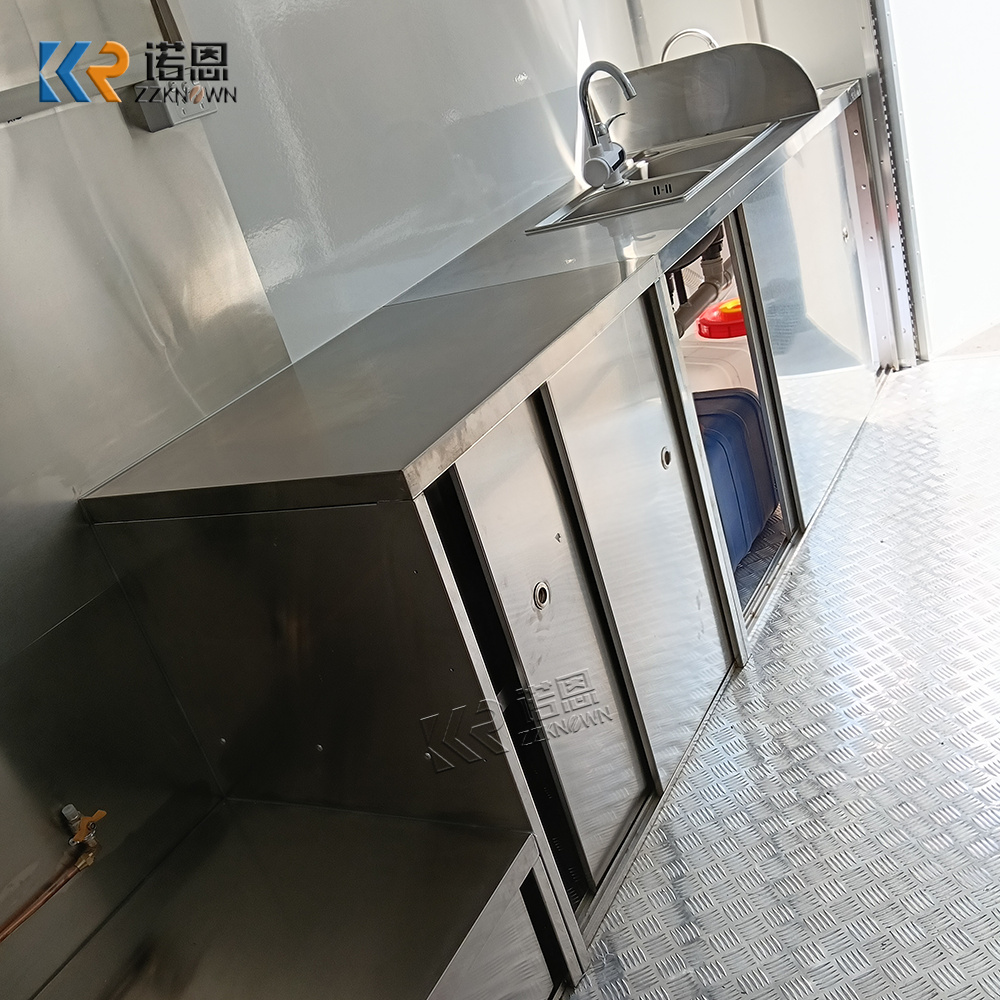
A product may have a strong contribution margin and still be a poor fit for a compact trailer if it requires a dedicated appliance, separate allergen tools, extra refrigeration, long cooling, or one employee’s full attention. Menu engineering should therefore add a third practical question: How much constrained trailer capacity does this item consume?
Engineer’s note: Before a ZZKNOWN layout is frozen, send the proposed menu, recipes or process outline, equipment cut sheets, order-volume target, staff count, power/gas standard, service style, packaging, and destination requirements. The engineering team can map the cooking line and service window, but the operator must validate recipes, costs, food-safety procedures, and local approvals.
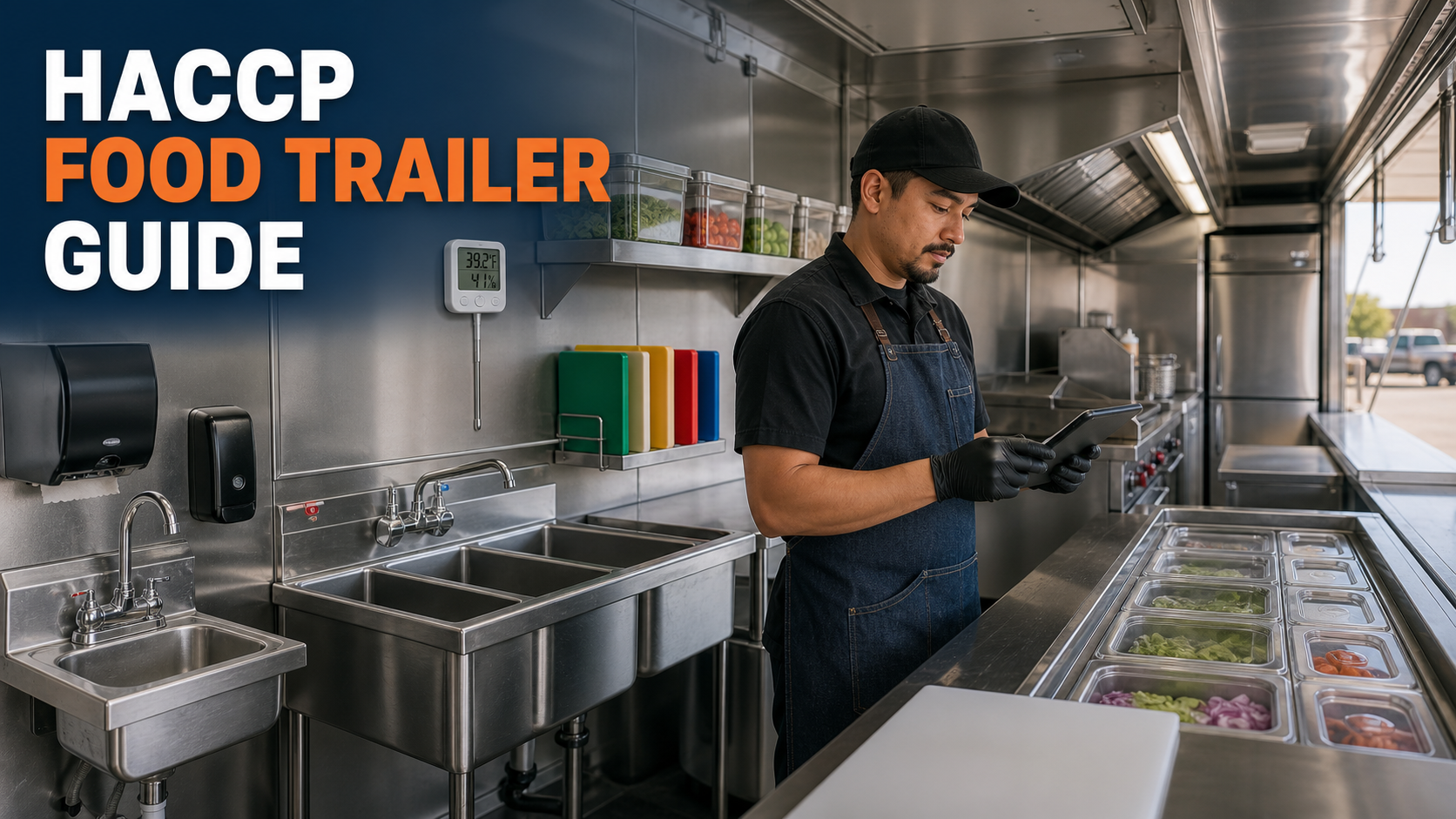
For a practical planning sequence, read the ZZKNOWN food trailer layout guide and the HACCP-ready food trailer kitchen guide.
Which real ZZKNOWN models illustrate different menu strategies?
| Verified model | Published configuration | Menu-engineering implication |
|---|---|---|
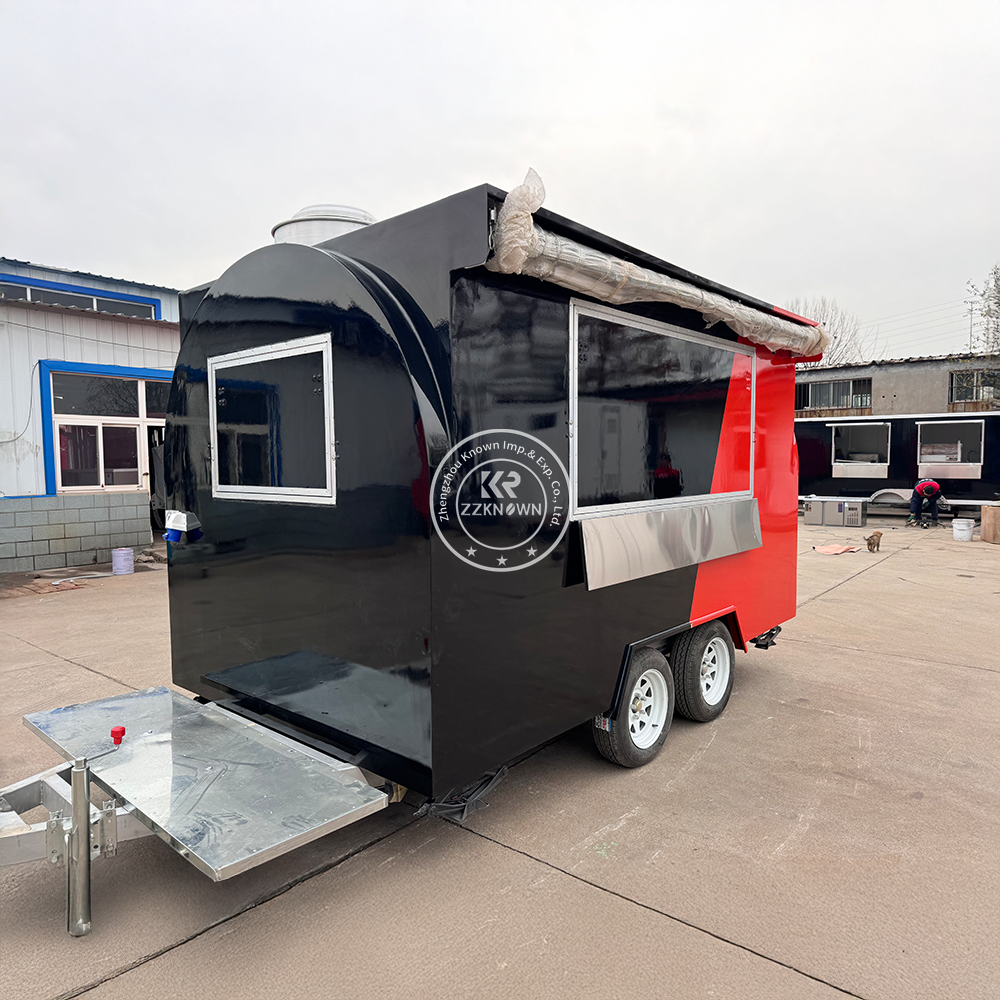
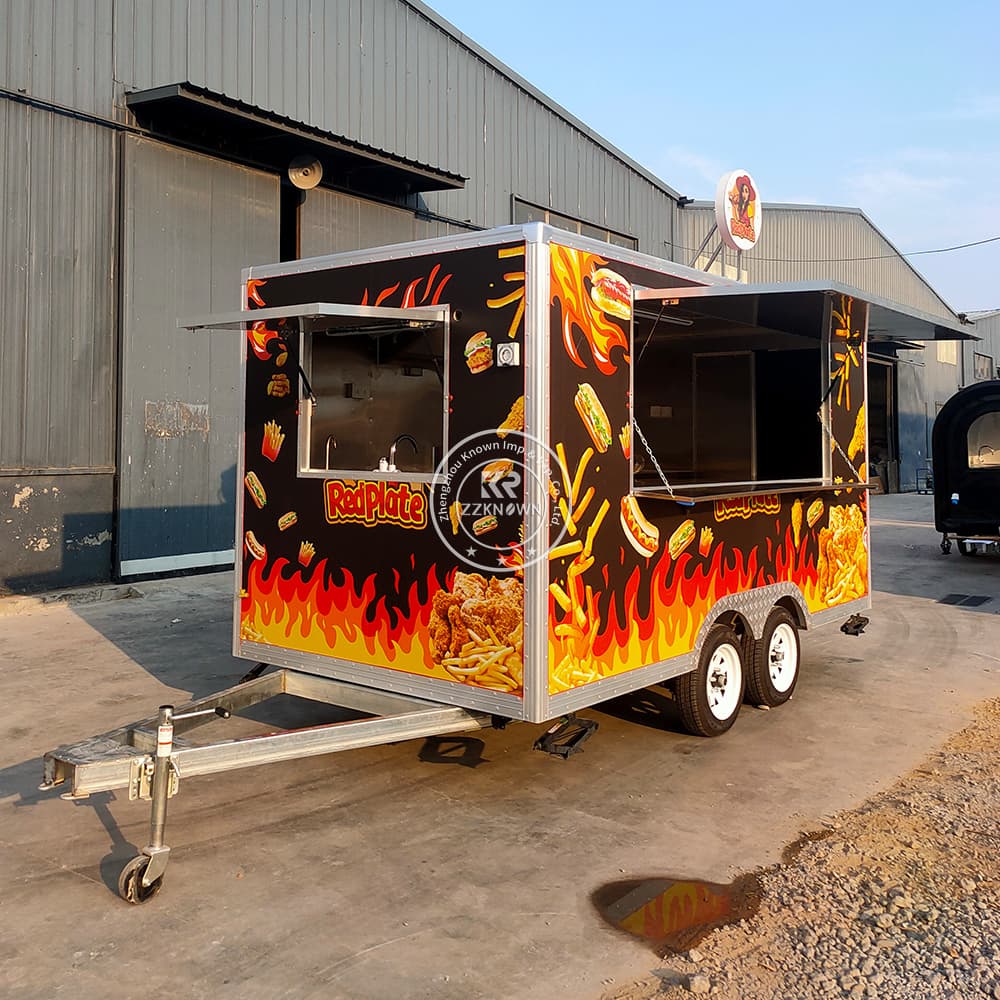
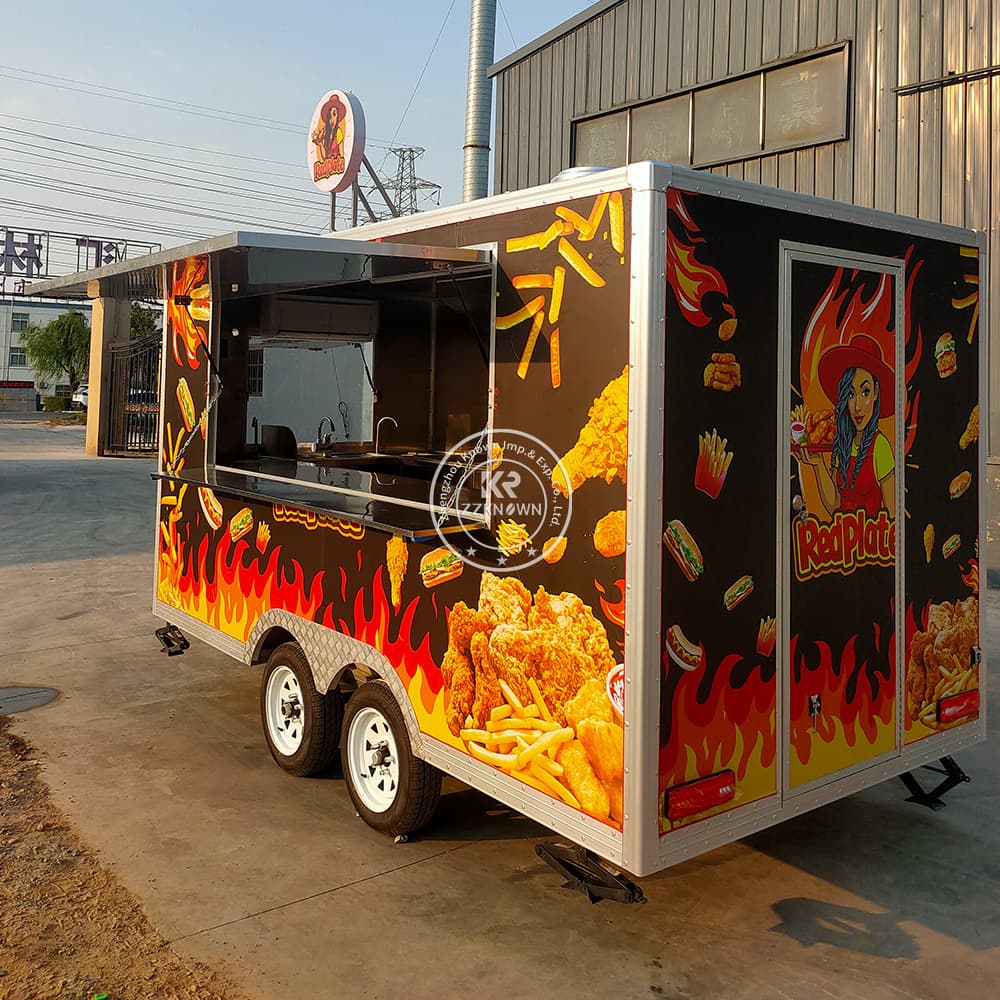
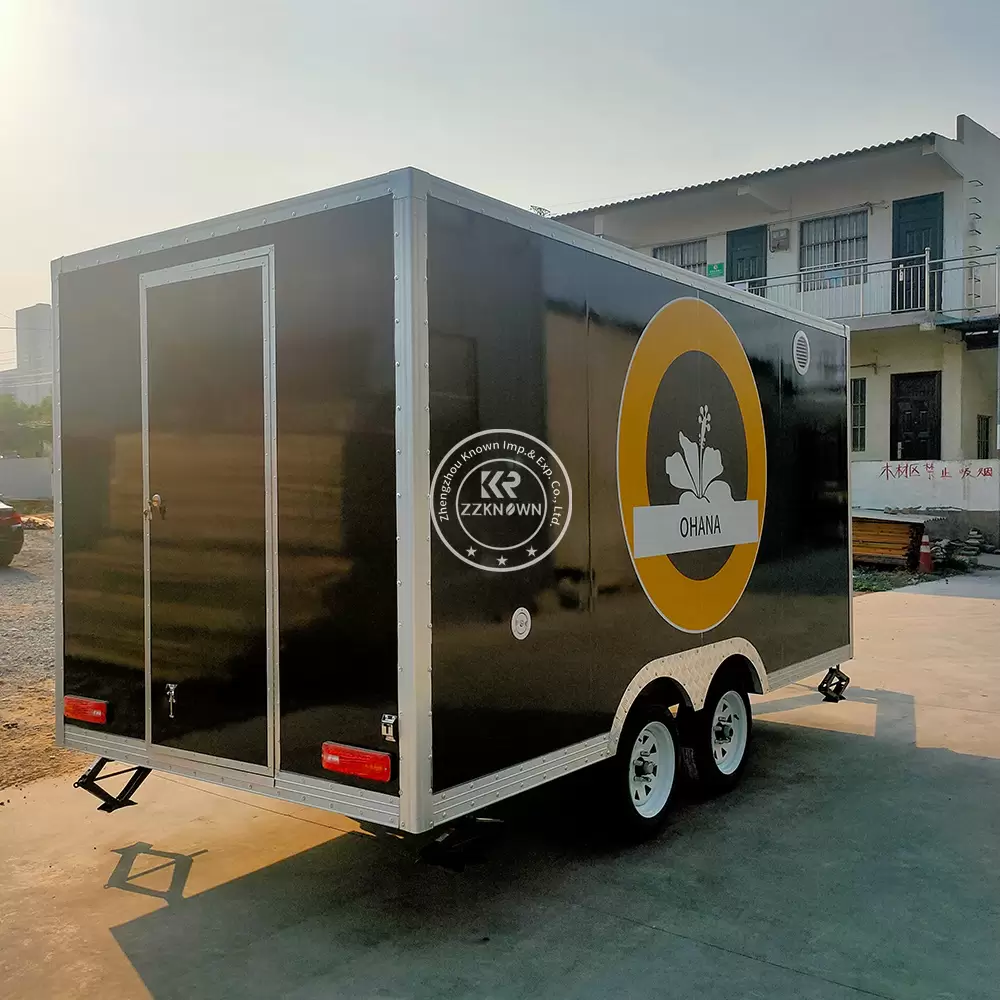
| KN-FR220B burger trailer example | Published 2.2 m model reference; the linked 4 m burger project includes fryer, flat-top grill, refrigerated counter, hood, service shelf, and branding. | A focused burger, fries, and drink menu can share ingredients and stations. The menu should protect grill/fryer throughput and make combos easy to understand. |
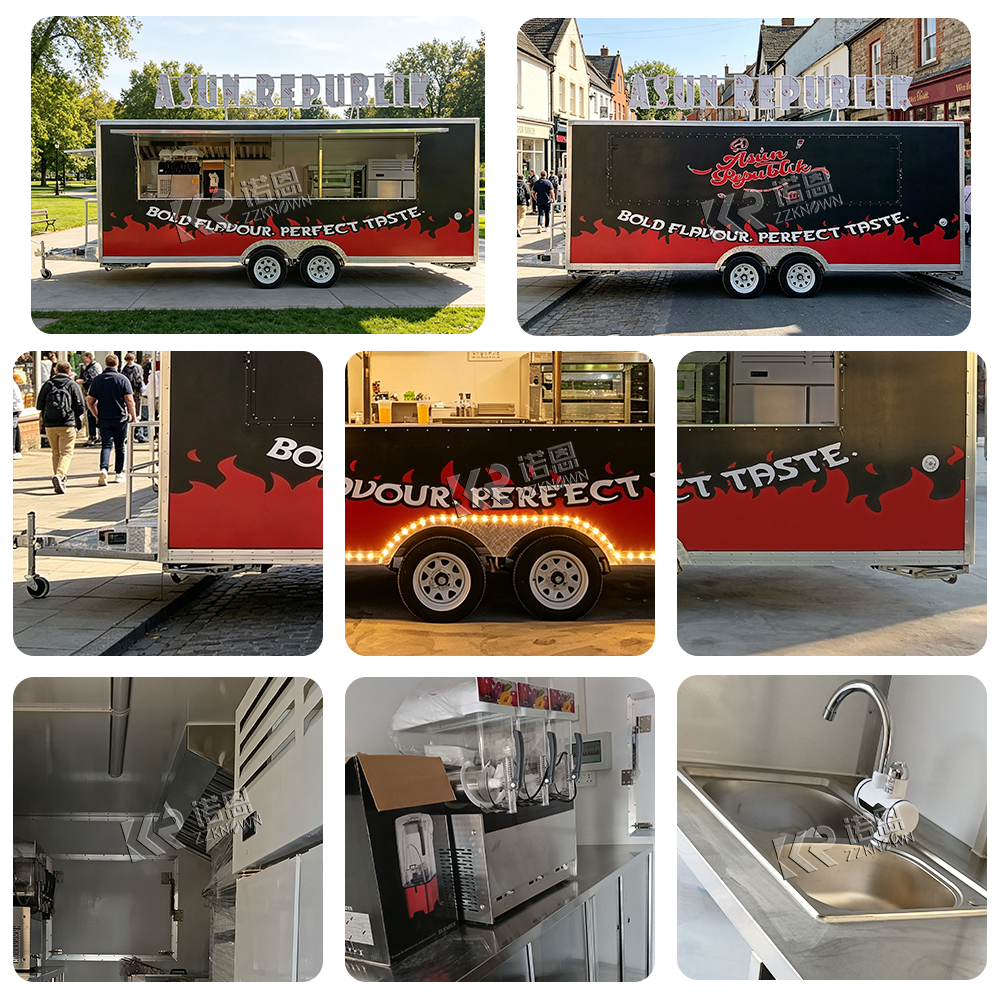
| KN-QF400 aluminum food trailer | 4000 x 2000 x 2300 mm; U.S.-style 110 V/60 Hz example with eight outlets, 3+1 sink, refrigeration fitment, 3 m hood, gas line, awning, and lightbox signs. | More menu capacity and visible signage can support a larger offer, but categories and equipment still need limits. Added space is not permission to keep every weak item. |
.png)
.png)
Which mistakes make menu-engineering reports misleading?
Did you use one weekend as a permanent truth?
A festival, weekday lunch spot, wedding, and late-night market can produce different winners. Analyze comparable periods and segment locations when the customer mix changes.
Did you ignore sold-out time?
An item cannot appear popular while it is unavailable. Record stockouts and equipment downtime before labeling it a Dog.
Did you forget packaging and waste?
A low ingredient cost can be offset by premium packaging, over-portioning, oil, garnish, spoilage, and a half-used specialty ingredient.
Did you compare drinks directly with entrees?
Different categories have different buying roles. A drink can increase basket contribution even if customers rarely buy it alone.
Did you optimize margin while breaking service speed?
A high-contribution item that adds four minutes during peak service may reduce total orders. Measure tickets per hour, queue abandonment, and station load alongside item margin.
Did you remove an item customers need?
A gluten-free, vegetarian, children’s, or culturally important option may earn its place strategically. Document the reason instead of forcing every item into the same rule.
How were the facts and product data collected?
We used the following source method:
- The four-quadrant method was checked against academic menu-engineering literature describing popularity and contribution margin.
- Menu-description evidence was traced to the original 2001 field study and reported with its sample and limitations.
- Visual-attention claims were checked against published eye-tracking studies rather than repeated “golden triangle” advice.
- U.S. federal menu-labeling information was checked against the FDA’s official page.
- EU food-information rules were checked against the current consolidated EUR-Lex text of Regulation (EU) No 1169/2011.
- England’s calorie-labeling threshold and point-of-choice guidance were checked against GOV.UK.
- ZZKNOWN dimensions, equipment examples, claims, and images were taken from the linked first-party product and article pages.
- Every price and sales figure in the worked example was created only to demonstrate the calculation. No customer revenue or profit was invented.
What do real food trailer buyers usually ask?
1. How often should I review my menu?
Review it whenever ingredient prices, recipes, locations, seasons, equipment, service hours, or customer mix change. A monthly dashboard can catch cost movement, while a deeper quarterly or seasonal review may reveal durable patterns.
2. Do I need expensive software?
No. A POS export and a well-built spreadsheet can be enough for a small operation. The hard part is clean recipes, current costs, and consistent product naming. Software cannot repair unreliable inputs.
3. Should I remove every Dog?
No. First check stockouts, seasonality, placement, description, price, recipe, and strategic value. Remove or simplify an item only after you understand why it underperforms and what happens to its customers and ingredients.
4. Can I increase profit without raising prices?
Often you can improve contribution through portion control, supplier choices, shared ingredients, lower waste, better bundles, simpler packaging, faster service, or more visibility for existing high-contribution items. None is guaranteed; test and measure.
5. How many items should a food trailer menu have?
There is no universal number. Use the smallest menu that satisfies the concept, target customer, dietary needs, and revenue goals without overloading storage or stations. Every item should have a clear job.
6. Should I use a printed board, digital screen, or QR menu?
Use the combination that fits viewing distance, weather, power, queue behavior, accessibility, update frequency, and local rules. The main offer should remain easy to understand even if a customer’s phone has no signal.
7. Can ZZKNOWN design equipment around my engineered menu?
Yes. ZZKNOWN can translate a finalized menu and process plan into a custom layout, equipment zones, utilities, storage, service-window position, and exterior branding concept. The operator remains responsible for recipe validation, local approvals, pricing, and business results.
8. What should I send before requesting a layout?
Send the menu, expected orders per hour, staff count, destination, cooking methods, appliance preferences, packaging, power/gas needs, storage days, allergen plan, and local plan-review checklist. If possible, include a POS category report and identify your current bottleneck.
What should you do next?
Export your last representative sales period, cost every recipe, and place each item on the popularity/contribution matrix. Then stand outside your trailer as a customer would. Can you understand the offer before reaching the window? Finally, stand inside during a simulated rush. Can the kitchen produce the items you want to promote without crossing or blocking the line?
When the menu and the kitchen tell the same story, marketing becomes easier, service becomes calmer, and your numbers become more useful.
Would you like ZZKNOWN to turn your menu into a trailer layout?
Send us your menu, destination, equipment list, staffing plan, and target service volume. Our engineering team can prepare a custom 2D/3D kitchen and serving-window concept before fabrication.
Editorial note: This article is educational and does not replace accounting, legal, food-safety, nutrition-labeling, allergen, tax, or local permitting advice. Results vary by menu, market, location, execution, and cost structure.