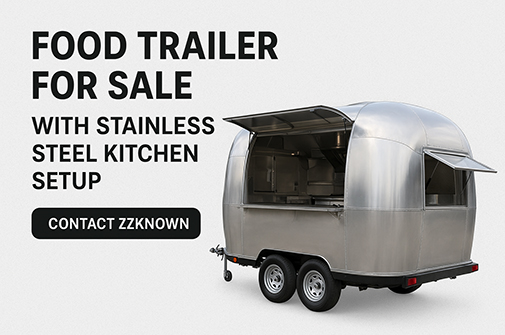
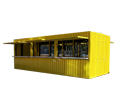
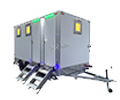
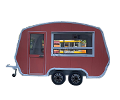
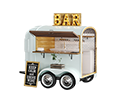
Starting a mobile beverage business is one of the most affordable ways to enter the food and drink industry. Instead of renting an expensive storefront, many entrepreneurs choose a beverage trailer to sell lemonade, coffee, bubble tea, smoothies, or cold drinks at festivals, parks, beaches, and events.
But one of the most common questions new entrepreneurs ask is:
How much does a beverage trailer cost in 2026?
The answer depends on several factors including trailer size, equipment, materials, and customization options. In this guide, we’ll break down the real costs of buying and operating a beverage trailer so you can plan your business investment with confidence.
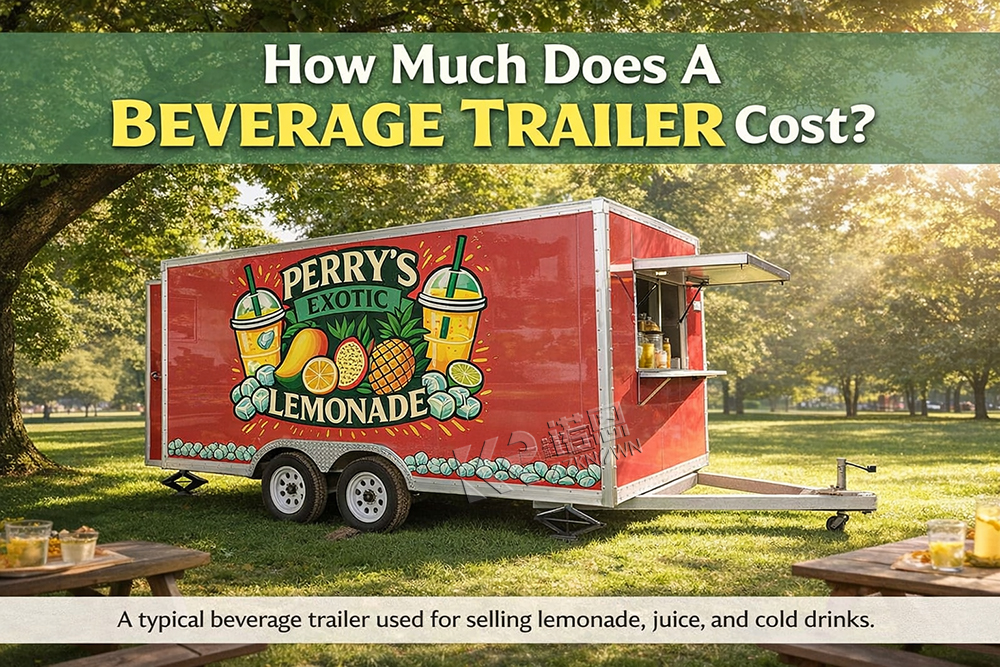
In most international markets, the cost of a beverage trailer usually ranges between $3,500 and $25,000+.
| Trailer Type | Average Price |
|---|---|
| Basic beverage trailer | $3,500 – $7,000 |
| Standard commercial beverage trailer | $7,000 – $15,000 |
| Fully equipped beverage concession trailer | $15,000 – $25,000 |
| Luxury custom beverage trailer | $25,000+ |
For many startups, the sweet spot is around $8,000–$12,000, which typically includes essential equipment like sinks, work tables, refrigeration, and electrical systems.
Several key elements determine the final price of a beverage trailer.
Larger trailers provide more workspace and equipment capacity, but they also increase cost.
| Trailer Size | Typical Price |
|---|---|
| 2–3 m (6–10 ft) | $3,500 – $8,000 |
| 3–4 m (10–13 ft) | $6,000 – $12,000 |
| 4–5 m (13–16 ft) | $10,000 – $18,000 |
For lemonade or drink businesses, 3–4 meters is the most popular size because it balances cost and workspace efficiency.
The equipment you install inside the trailer significantly affects the price.
Common beverage trailer equipment includes:
Stainless steel work tables
Double or triple sinks
Refrigerators or freezers
Commercial juicers
Ice makers
Blenders
Water tanks and pumps
Electrical system and sockets
A fully equipped beverage trailer may add $2,000–$8,000 to the base trailer cost.
The material used for the trailer body also affects the price.
| Material | Advantages |
|---|---|
| Fiberglass | Lightweight, corrosion-resistant |
| Steel | Strong and durable |
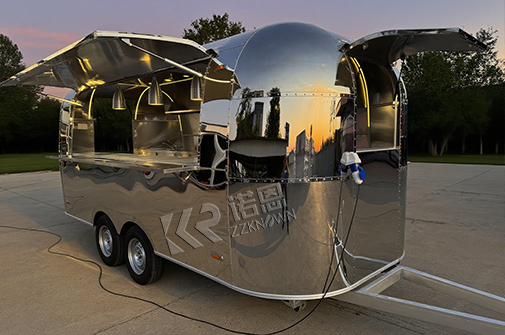
| Aluminum | Rust-proof and lightweight |
High-quality manufacturers often use fiberglass or aluminum composite panels because they are easier to clean and last longer in outdoor environments.
Many beverage trailer buyers request custom features such as:
Bright brand colors
LED lighting
Menu boards
Large serving windows
Custom logos
Unique trailer shapes
Customization typically adds $500 – $5,000 depending on complexity.
However, a unique design can significantly increase customer attraction and sales.
Buying the trailer itself is only part of the investment. Entrepreneurs should also budget for other startup expenses.
| Expense | Estimated Cost |
|---|---|
| Business license | $100 – $500 |
| Food safety permits | $100 – $1,000 |
| Generator | $500 – $2,000 |
| Ingredients & supplies | $300 – $1,000 |
| Marketing & signage | $200 – $800 |
Total startup investment for a beverage trailer business is typically $5,000 – $20,000 depending on equipment and location.
Another common question is whether to buy new or used.
Pros:
Lower price
Immediate availability
Cons:
Unknown maintenance history
Outdated equipment
Possible health code issues
Pros:
Custom design
New equipment
Warranty support
Cons:
Slightly higher cost
Many serious entrepreneurs choose new trailers from manufacturers because they are easier to customize and meet local regulations.
One of the biggest advantages of a beverage trailer business is the high profit margin.
Typical drink pricing:
| Drink Type | Price |
|---|---|
| Fresh lemonade | $4 – $7 |
| Smoothies | $5 – $9 |
| Bubble tea | $6 – $8 |
| Fresh juice | $5 – $10 |
At busy locations like festivals or parks, beverage trailers can sell 100–300 drinks per day.
Example:
200 drinks × $6 average price = $1,200 daily revenue
Many beverage trailer owners recover their initial investment within 3–6 months.
The success of a beverage trailer depends heavily on location.
Popular locations include:
Music festivals
Food truck parks
Beaches
Farmers markets
Theme parks
Outdoor events
University campuses
Cold drinks and lemonade businesses perform especially well during summer events and tourist seasons.
Mobile beverage businesses are becoming more popular because they offer several advantages:
Lower startup cost than restaurants
Flexible locations
High drink profit margins
Fast setup time
Ability to attend events and festivals
For entrepreneurs who want to start a business with relatively low risk, a beverage trailer is often one of the best entry points in the food industry.
A small beverage trailer usually costs $3,500–$7,000 depending on equipment and build quality.
Most beginners choose a 3–4 meter (10–13 ft) trailer, which provides enough workspace without being too expensive.
Yes, many beverage trailers use a generator to power refrigerators, blenders, and lights, especially at outdoor events.
Yes. Manufacturers typically offer customization for:
size
color
interior layout
equipment
branding and logos
A beverage trailer is one of the most accessible and profitable ways to start a mobile food or drink business.
With a startup investment typically between $5,000 and $20,000, entrepreneurs can launch a flexible business that operates at festivals, parks, beaches, and private events.
If you are planning to start a drink business in 2026, investing in a well-designed beverage trailer can be the first step toward building a successful mobile brand.