It’s a Saturday evening in Austin.
There’s live music, food trucks lined up, and the usual buzz of a weekend crowd. Burgers, tacos, pizza—everything you’d expect.
But the longest line isn’t at a grill.
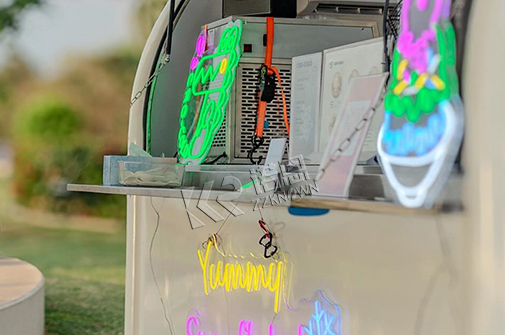
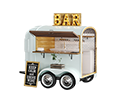
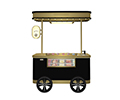
It’s at a mobile bar cart, compact and stylish, serving craft cocktails and cold brew. A small sign on the side reads: Low-energy setup. No generator. Solar-assisted.
People notice. They ask questions. They take photos.
This isn’t just about drinks—it’s about how the business operates.
Across the U.S., buyers are actively searching for sustainable food trailers, and more specifically, mobile bar cart for sale options that align with low-carbon values, lower operating costs, and modern consumer expectations.
In the past, sustainability was a “nice extra.”
In 2025 and beyond, it’s a business advantage.
American consumers are paying attention to:
Energy use
Waste reduction
Local sourcing
Brand values
And mobile food operators are responding—because sustainability doesn’t just feel good, it makes financial sense.
Sustainable setups often mean:
Less fuel consumption
Smaller equipment footprints
Reduced reliance on generators
Lower maintenance costs
For mobile businesses, especially bars and beverage concepts, that’s a game changer.
Many festivals, private venues, and city events now:
Limit generator use
Favor electric or low-noise setups
Prioritize eco-friendly vendors
A sustainable trailer or bar cart opens doors that traditional setups can’t.
Among all mobile food formats, mobile bar carts are uniquely suited for low-carbon operation.
That’s why searches for mobile bar cart for sale continue to rise.
Here’s what makes them different.
A mobile bar cart:
Uses less material to build
Requires less power to operate
Takes up minimal space at events
Smaller scale naturally equals lower emissions.
Unlike hot food operations, bar carts often rely on:
Refrigeration
Lighting
Small pumps or blenders
No grills. No fryers. No heavy exhaust systems.
That’s ideal for low-carbon design.
Bar carts generate strong margins:
Premium pricing
Fast service
Minimal waste
This means profitability doesn’t depend on volume alone—another sustainability win.
Sustainability isn’t about one feature—it’s a system.
A truly sustainable food trailer or bar cart includes multiple low-impact design choices.
Common options include:
Shore power (plug-in)
Battery systems
Solar-assisted setups
Low-consumption LED lighting
Many mobile bar carts can operate without generators at all.
Using lighter materials means:
Less fuel during transport
Easier towing
Lower emissions over the trailer’s lifetime
ZZ KNOWN focuses on efficient structural design, not unnecessary bulk.
Good design reduces:
Energy waste
Staff movement
Equipment overload
Sustainability starts with smart planning.
A sustainable trailer should adapt:
Bar by night, coffee by day
Cocktail service at events, mocktails at markets
Multi-use designs reduce the need for multiple units.
Search intent shows that buyers looking for mobile bar cart for sale are often:
Event entrepreneurs
Wedding and private event vendors
Beverage brand founders
Hospitality professionals testing new concepts
They’re not just buying equipment—they’re buying flexibility.
Bar carts can operate at:
Weddings
Corporate events
Rooftop venues
Indoor locations
Pop-ups with strict noise rules
This expands earning opportunities dramatically.
Customers increasingly ask:
Is this electric?
Is there a generator?
How much waste do you produce?
Eco-friendly answers build trust.
Low-carbon design pairs especially well with these beverage models:
Premium drinks, controlled portions, minimal waste.
Efficient refrigeration, no heavy cooking equipment.
Often paired with battery or solar systems.
Juices, kombucha, infused waters—perfect for eco-focused events.
Low equipment needs, high perceived value.
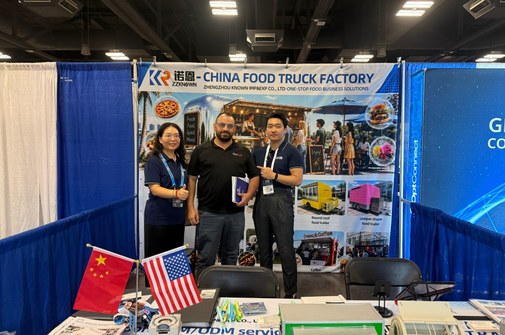
ZZ KNOWN has extensive experience manufacturing food trailers, bar carts, and mobile beverage units for export markets including the United States.
Every project begins with:
Clear use-case definition
Power requirement planning
Equipment efficiency evaluation
This avoids overbuilding.
ZZ KNOWN focuses on:
Right-sized frames
Lightweight yet durable materials
Efficient interior layouts
Less material, less waste, better performance.
Depending on the project, bar carts can be configured for:
Shore power only
Battery + solar assist
Hybrid systems
All designed to minimize carbon impact.
Sustainability also means longevity.
Well-built trailers:
Last longer
Require fewer replacements
Reduce lifecycle emissions
Typical pricing (USD estimates):
| Type | Estimated Price |
|---|---|
| Basic Mobile Bar Cart | $4,500 – $7,500 |
| Custom Sustainable Bar Cart | $7,500 – $15,000 |
| Multi-Function Eco Food Trailer | $15,000 – $30,000 |
Prices vary by materials, power systems, and customization level.
Revenue potential depends on usage model:
Weddings & private events: $800 – $3,000 per event
Corporate functions: High flat-rate bookings
Festivals & markets: $1,000+ per day
Many operators break even in one strong season.
Eco-friendly operations are easier to promote:
Strong brand story
Clear differentiation
Positive press and social media coverage
Customers don’t just buy drinks—they support the mission.
Bigger isn’t better for sustainability.
Know what you actually need.
Flexibility reduces future purchases.
Longevity is part of sustainability.
Mistakes cost more than good planning.
Looking ahead:
Cities are tightening environmental rules
Event organizers are raising sustainability standards
Consumers reward eco-conscious brands
Mobile bar carts and sustainable food trailers sit at the center of these shifts.
Sustainability in the mobile food world isn’t about sacrifice—it’s about smart design, lower costs, and better opportunities.
For U.S. buyers looking for a mobile bar cart for sale that aligns with low-carbon values while still delivering strong returns, a thoughtfully built solution from ZZ KNOWN offers a practical, future-ready path forward.