If there's one thing experienced mobile food operators learn quickly, it's this:
A beautiful trailer can attract customers.
A smart menu can generate repeat business.
But the right equipment determines whether your business actually runs profitably.
That is especially true for an Açaí bowl food truck.
Unlike many hot-food concepts, Açaí businesses depend on cold-chain reliability, speed of service, ingredient freshness, and efficient prep flow. One weak link—an undersized freezer, poor blender performance, or bad refrigeration—can create delays, melted product, unhappy customers, and lost revenue.
And in 2026, buyers are asking smarter questions before purchasing:
This guide covers the best acai bowl food truck equipment for building a profitable mobile dessert business, whether you're buying a new custom trailer or planning your own equipment package.
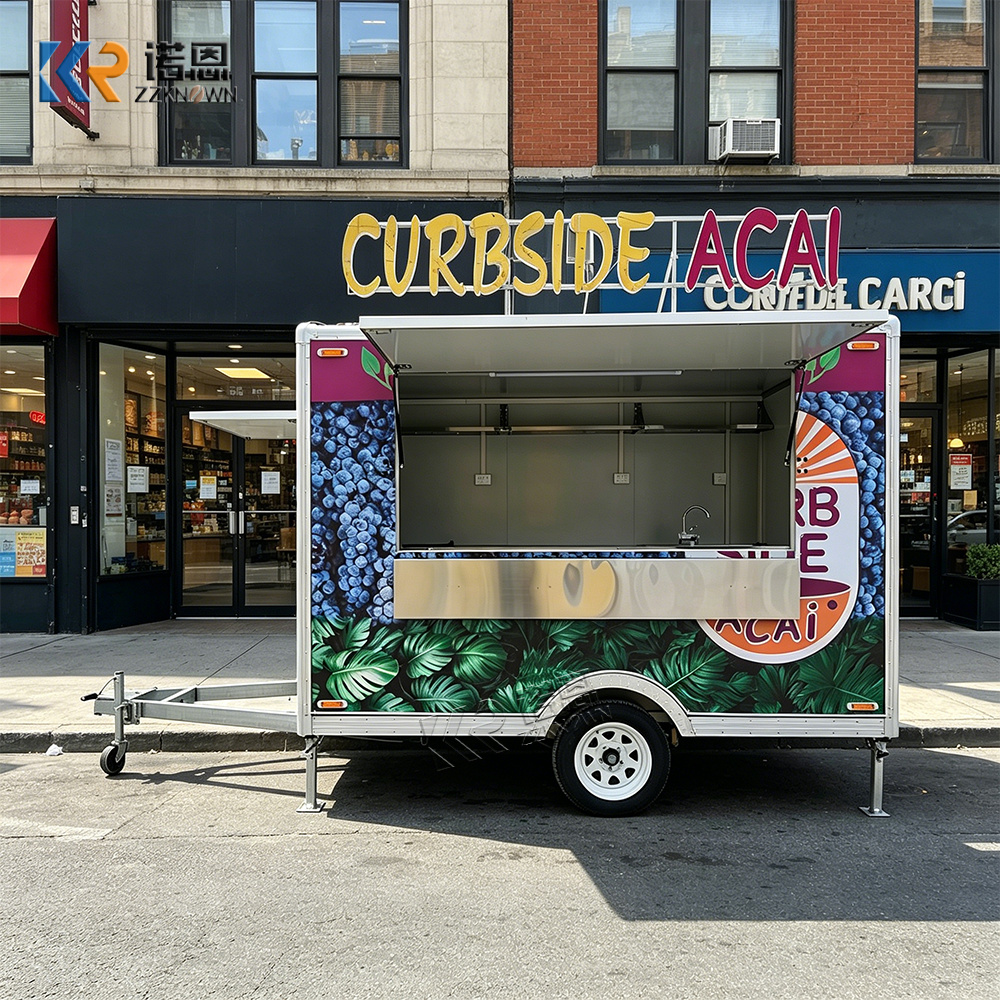
Açaí may look simple to customers:
Frozen base.
Fresh fruit.
Granola.
Toppings.
Serve.
But operationally, it requires a surprisingly specialized setup.
Your equipment affects:
Can you serve 40 customers in a rush?
Or only 12?
That depends on your blender power, prep station layout, refrigeration access, and workflow.
Poor equipment leads to:
Customers notice.
Frozen and refrigerated ingredients require proper temperature control.
That means:
Better equipment reduces:
That directly affects profit.
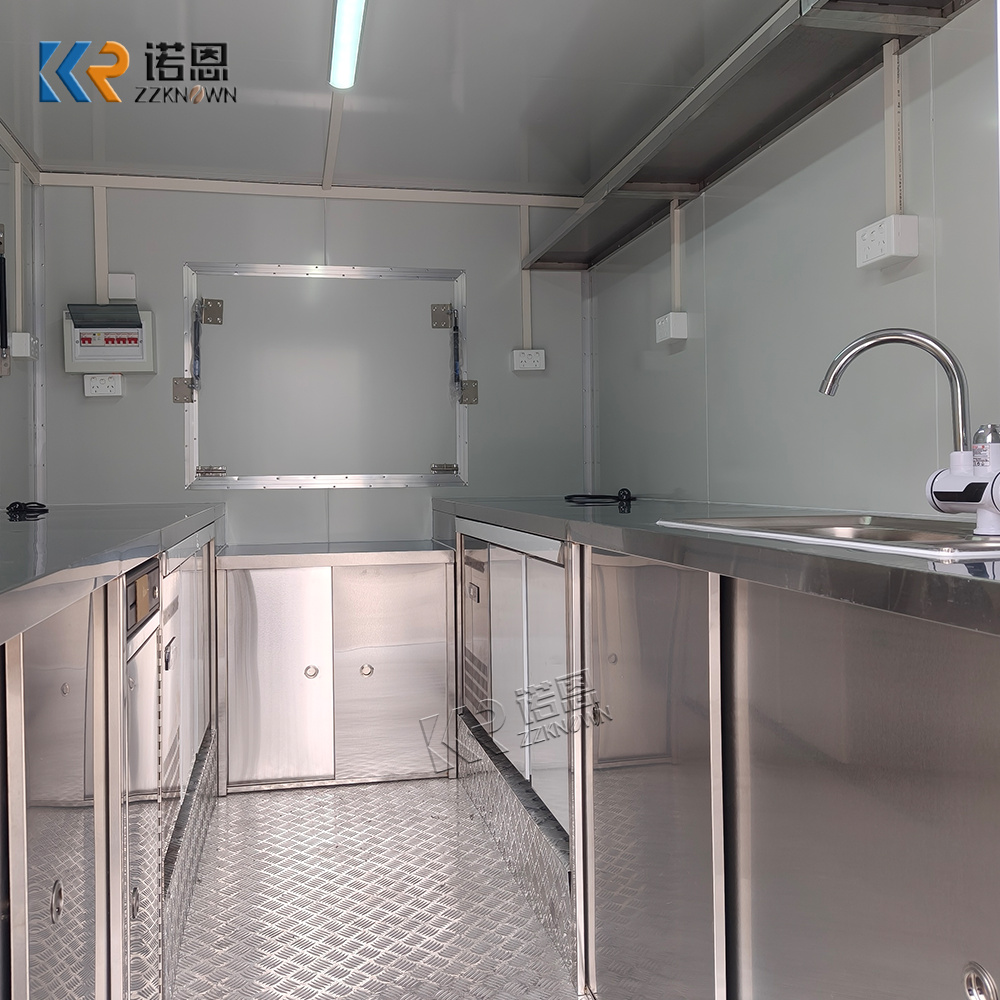
Let’s break this into must-have equipment first.
This is the heart of your business.
Without reliable frozen storage—
you don’t have an Açaí business.
Best for:
Pros:
Best for:
Pros:
Small trailer:
10–15 cu ft
Medium trailer:
20–25 cu ft
High-volume trailer:
30+ cu ft
Your blender makes your product.
Do not underinvest here.
This is one of the biggest mistakes new operators make.
Industry favorite.
Excellent for:
Excellent alternative.
Often preferred for:
Minimum:
2
One active.
One backup.
Never run a food truck with only one blender.
This may be the most overlooked equipment in many Açaí trailers.
But it is critical.
You need chilled access to:
A prep table combines:
Storage + workspace.
Huge efficiency boost.
Usually required by health departments.
For:
Often mandatory.
Check local regulations.
Also typically required.
Must be separate.
Usually includes:
Typical sizes:
30–50 gallons
Larger if events are your focus.
Often must be larger than fresh water tank.
Check code.
Needed for:
Use commercial-grade only.
Often required.
Especially for permits.
Never underestimate workspace.
You need room for:
Now let’s talk upgrades.
These often increase revenue significantly.
Huge upsell opportunity.
Many Açaí operators add:
Same customer.
Higher ticket.
Game changer for speed.
Keeps toppings organized:
Speeds service dramatically.
Great for bottled add-ons:
Adds impulse sales.
Use:
Mobile businesses need fast POS.
Critical if operating:
Power demand matters.
Typical:
Blenders:
1500–3000 watts each
Freezer:
500–1500 watts
Prep fridge:
600–1200 watts
Water heater:
1000+ watts
POS:
minimal
Typical trailer often needs:
30–50 amp system
Sometimes more.
Do not guess.
Calculate loads properly.
For 3-meter trailers:
Rear:
Freezer
Center:
Prep station
Front:
Service window
Opposite wall:
Sinks
Compact but efficient.
Huge mistake.
Use commercial only.
Disaster waiting to happen.
Always have backup.
You will outgrow it.
Fast.
Very common.
Causes breaker problems.
Equipment matters—
but layout matters too.
Typical ranges:
$8,000–15,000
Basic essentials.
$15,000–30,000
Most buyers fall here.
$30,000–50,000+
High-volume custom setup.
If starting simple:
That covers most businesses.
Add:
Better for:
This is a major buyer question.
Pros:
Cons:
Pros:
This is why many buyers prefer custom-built Açaí trailers from experienced manufacturers like ZZKNOWN.
When the trailer and equipment are designed together—
everything works better.
If combining concepts:
Add:
Hybrid dessert trailers can be very profitable.
Interesting trends emerging:
Lower fuel use.
Growing rapidly.
Lower operating cost.
Especially for small trailers.
Must-have:
Optional:
The best Açaí food truck businesses are not built around just attractive trailers.
They're built around smart equipment decisions.
Good equipment means:
Better product.
Faster service.
Lower waste.
Higher profits.
If you are planning to invest in an Açaí bowl food truck in 2026, start with the equipment first—
then build the trailer around it.
That is usually the difference between a trailer that merely looks good…
and a business that actually works.