
The Ultimate Guide to Starting a Profitable Hot Dog Food Truck Business in the USA (2026)
Learn how to start and scale a profitable hot dog food truck business in the USA. Full cost breakdown, permits, ROI analysis, compliance guide, and expert insights for global buyers.
If you’ve ever stood in line at a packed baseball game, music festival, or downtown lunch rush in America, you’ve seen it happen:
A simple hot dog stand serving customers nonstop.
No complicated kitchen. No 20-page menu.
Just speed, volume, and margin.
And you probably thought:
“Is this actually profitable?”
The answer is yes — extremely profitable — if structured correctly.
This pillar guide is built for serious global entrepreneurs who want to enter the U.S. mobile food market with a clear plan, realistic numbers, and long-term scalability.
We’re going to cover:
-
Market demand data
-
Real startup costs
-
Licensing requirements
-
Equipment planning
-
Compliance pitfalls
-
Profit modeling
-
Scaling strategy
-
Real-world case examples
-
Frequently asked questions
By the end, you’ll know exactly what it takes to build a profitable hot dog food truck business in the United States.
Let’s begin.
Why Is the Hot Dog Business Still So Strong in America?
You might assume burgers or tacos dominate street food. But hot dogs remain one of the most consistent, recession-resistant products in U.S. food culture.
Key Market Data
-
Americans consume over 20 billion hot dogs annually
-
Food truck industry revenue exceeds $1.5 billion per year
-
Outdoor event spending continues to rise post-pandemic
-
Low-cost comfort food performs well in inflationary periods
Hot dogs win because they are:
-
Fast to prepare
-
Low ingredient cost
-
Easy to standardize
-
High impulse purchase item
-
Universally recognized
The business model works because it is operationally efficient.
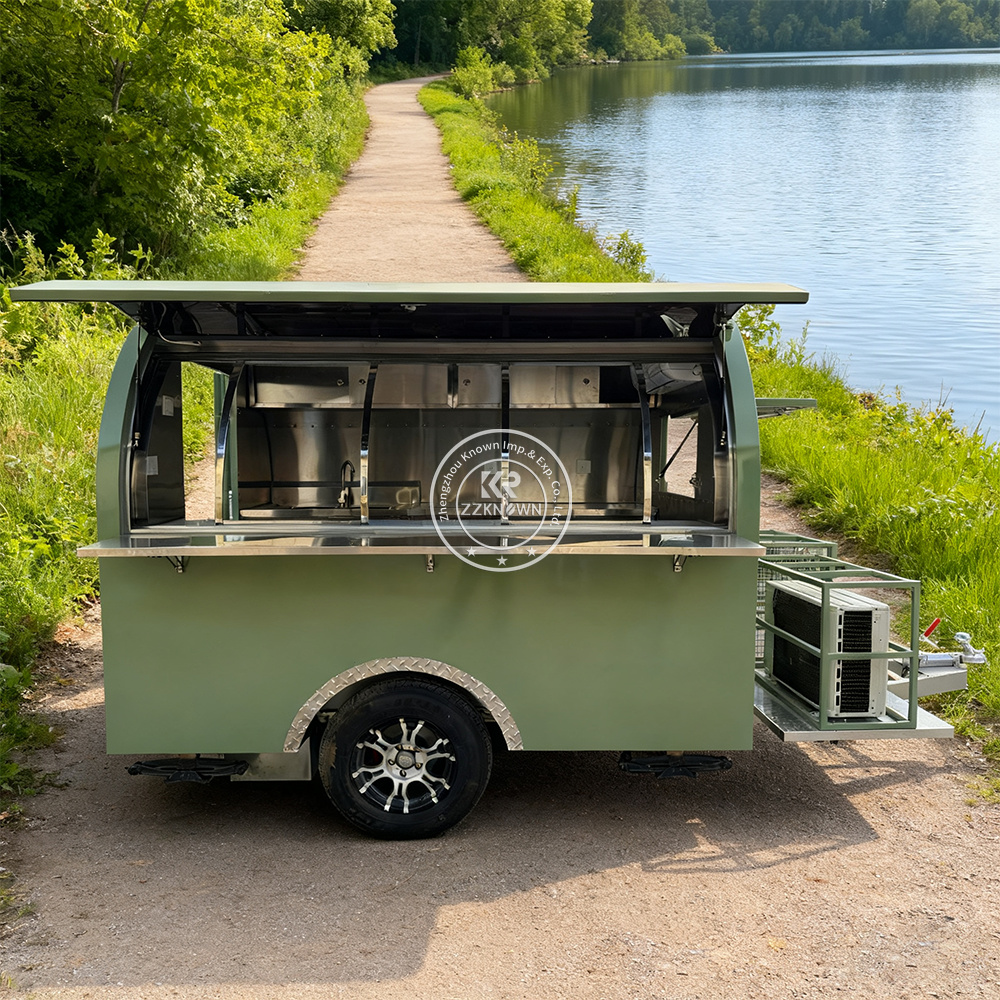
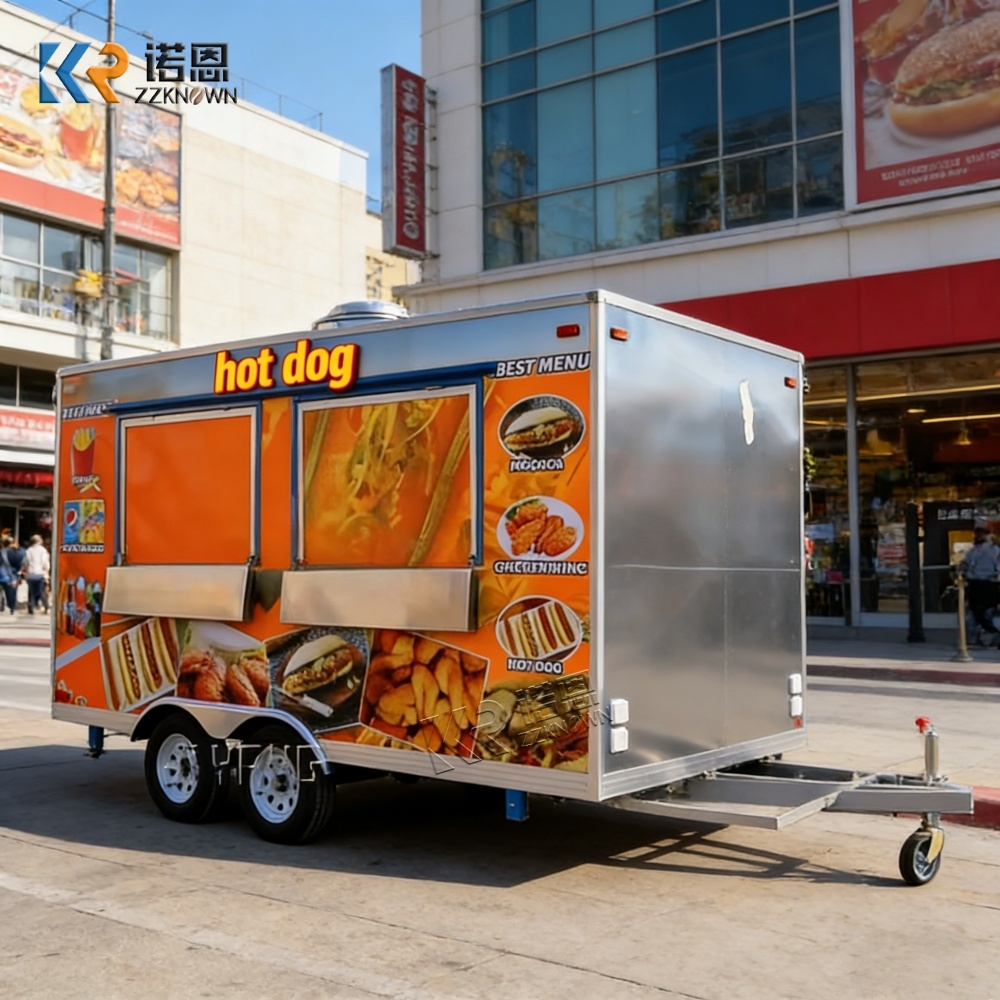
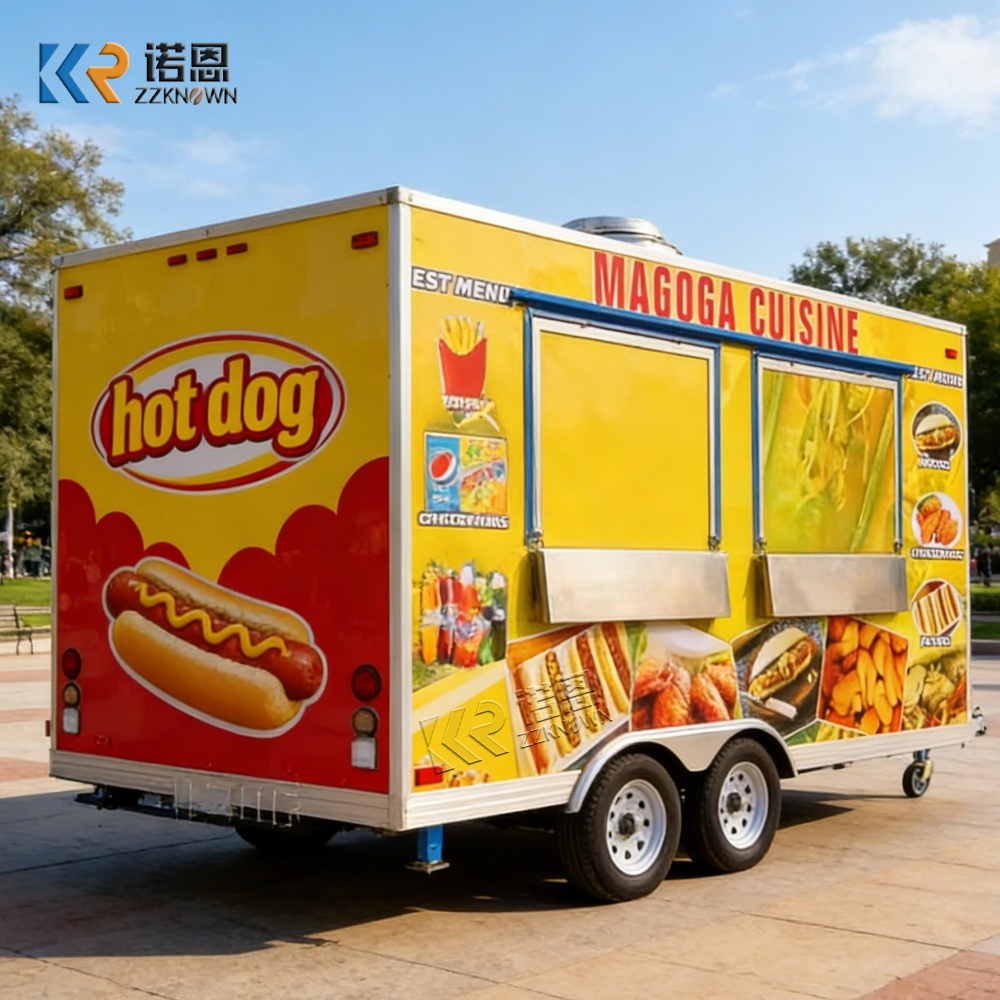
Is a Hot Dog Food Truck or Trailer Better for Beginners?
This is the first major decision.
What’s the Difference?
| Factor | Food Truck | Hot Dog Trailer |
|---|---|---|
| Purchase Cost | $35,000–$120,000 | $8,000–$25,000 |
| Mechanical Risk | Engine + kitchen | Kitchen only |
| Insurance | Higher | Lower |
| Maintenance | Complex | Simple |
| ROI Speed | Slower | Faster |
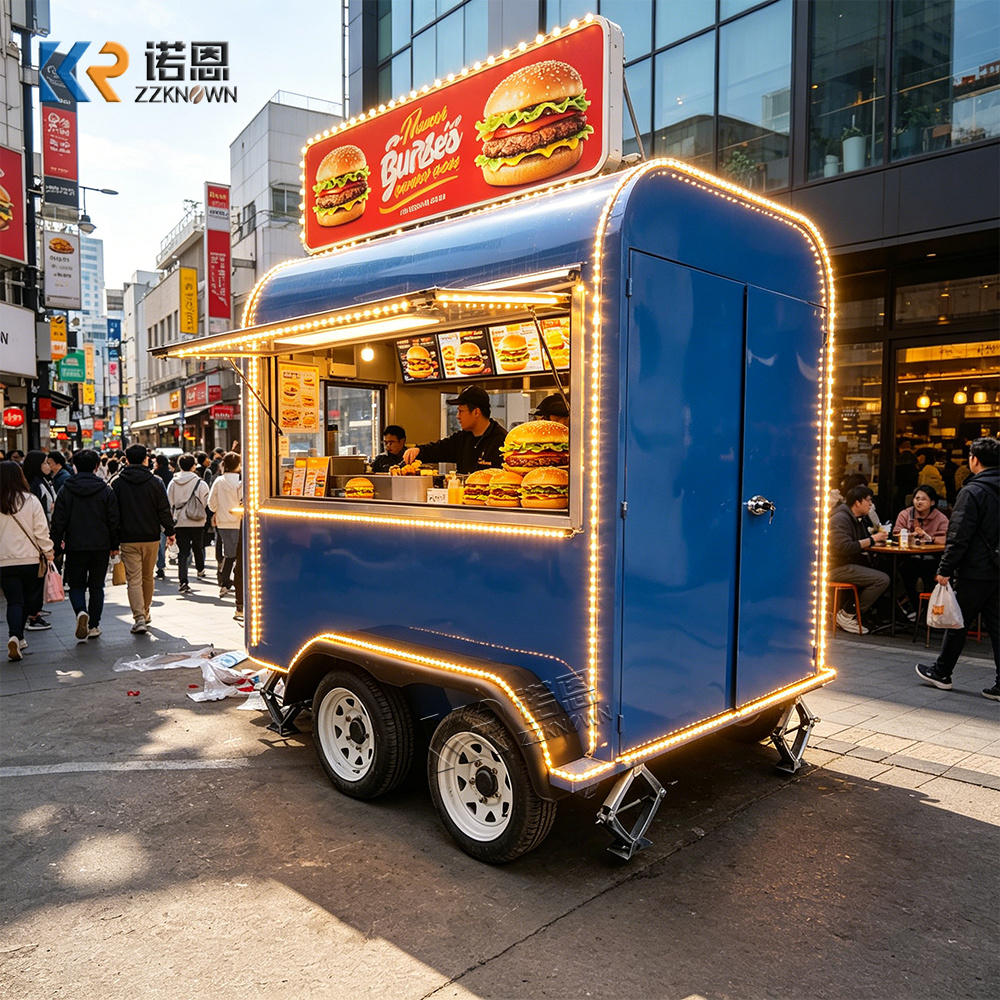
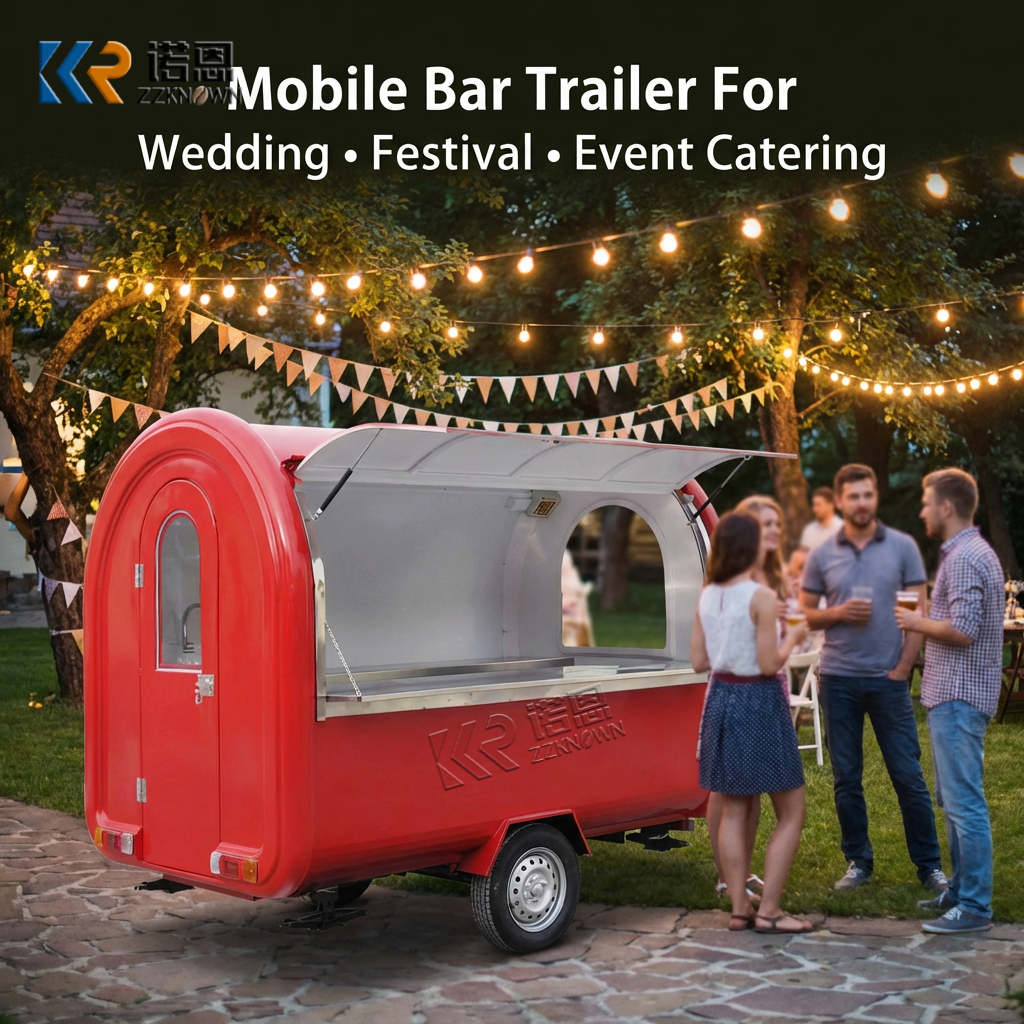
For first-time and international buyers, trailers often make more financial sense.
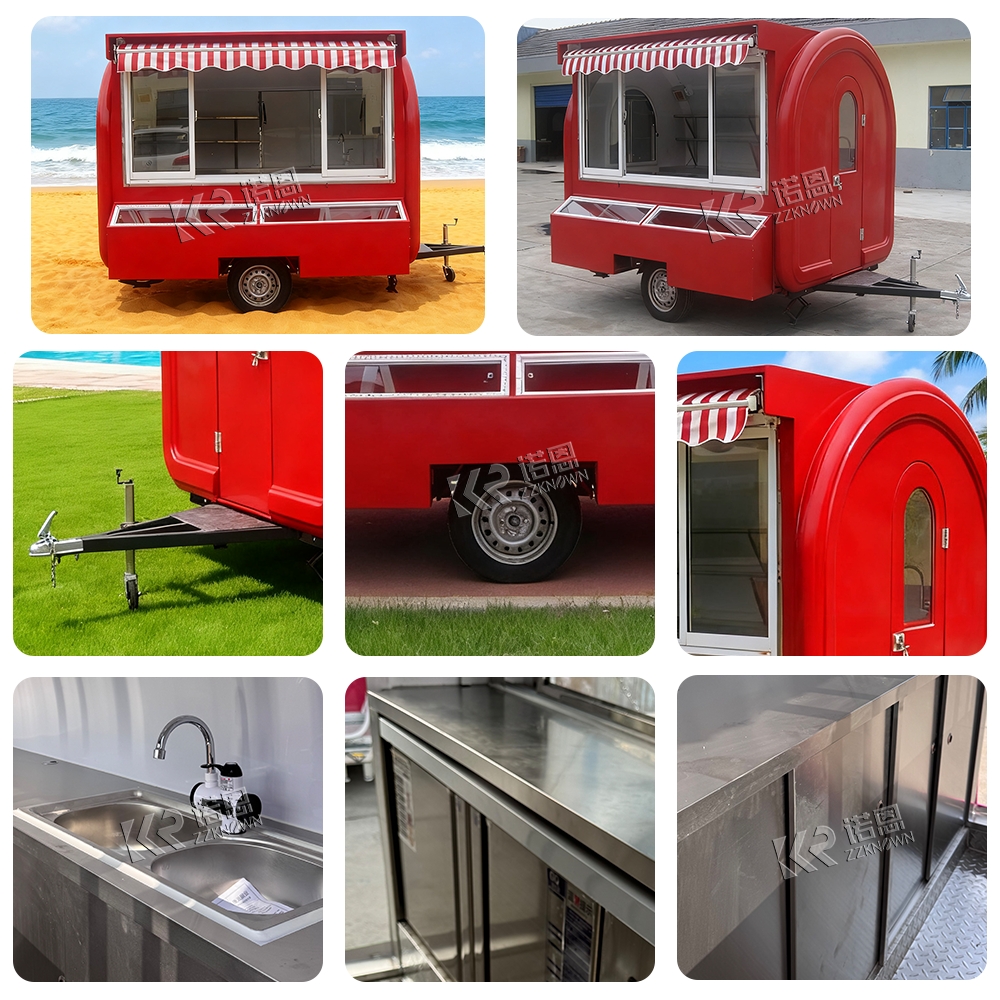
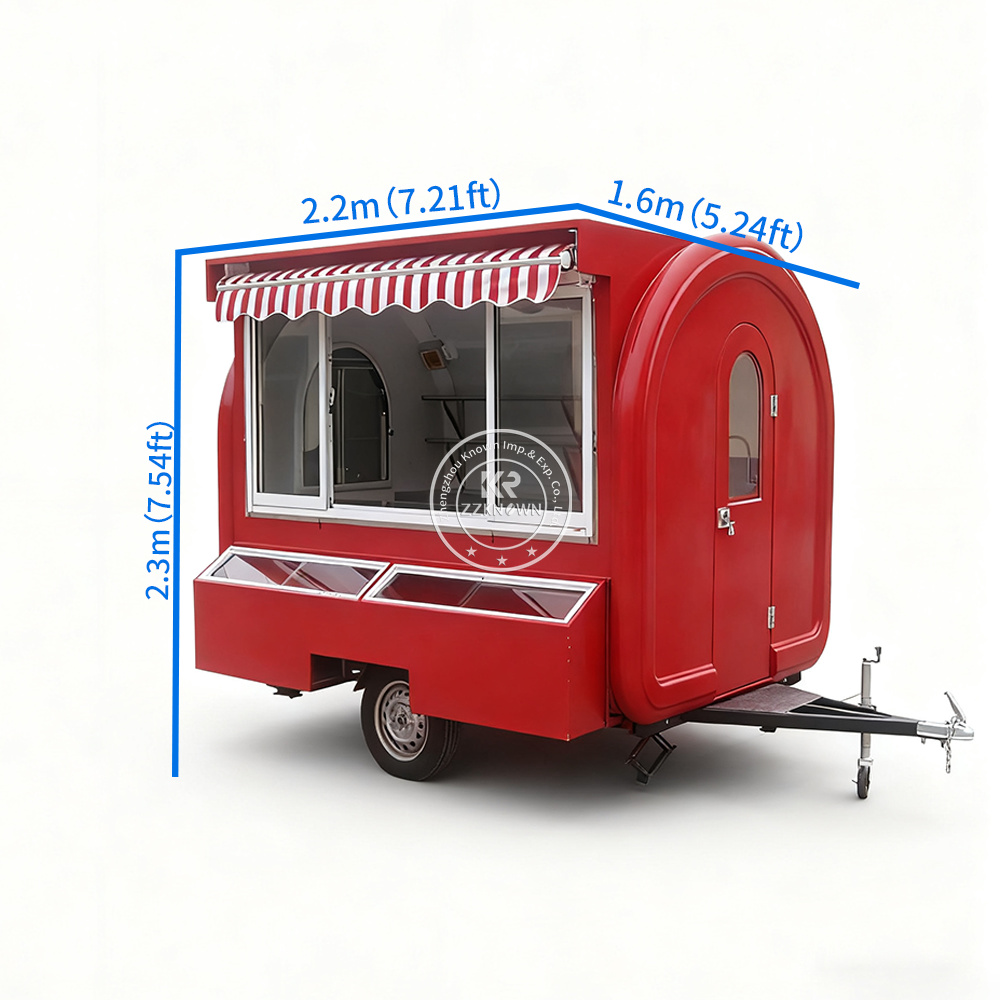
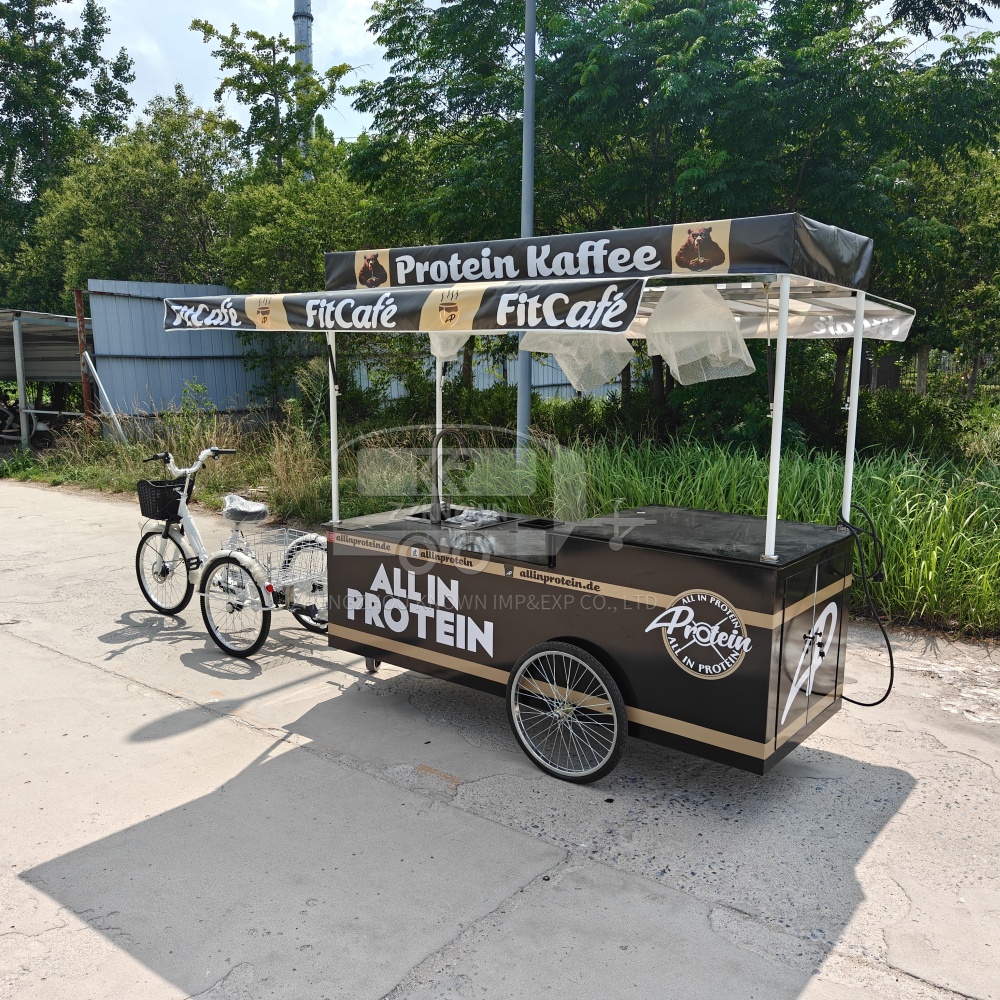
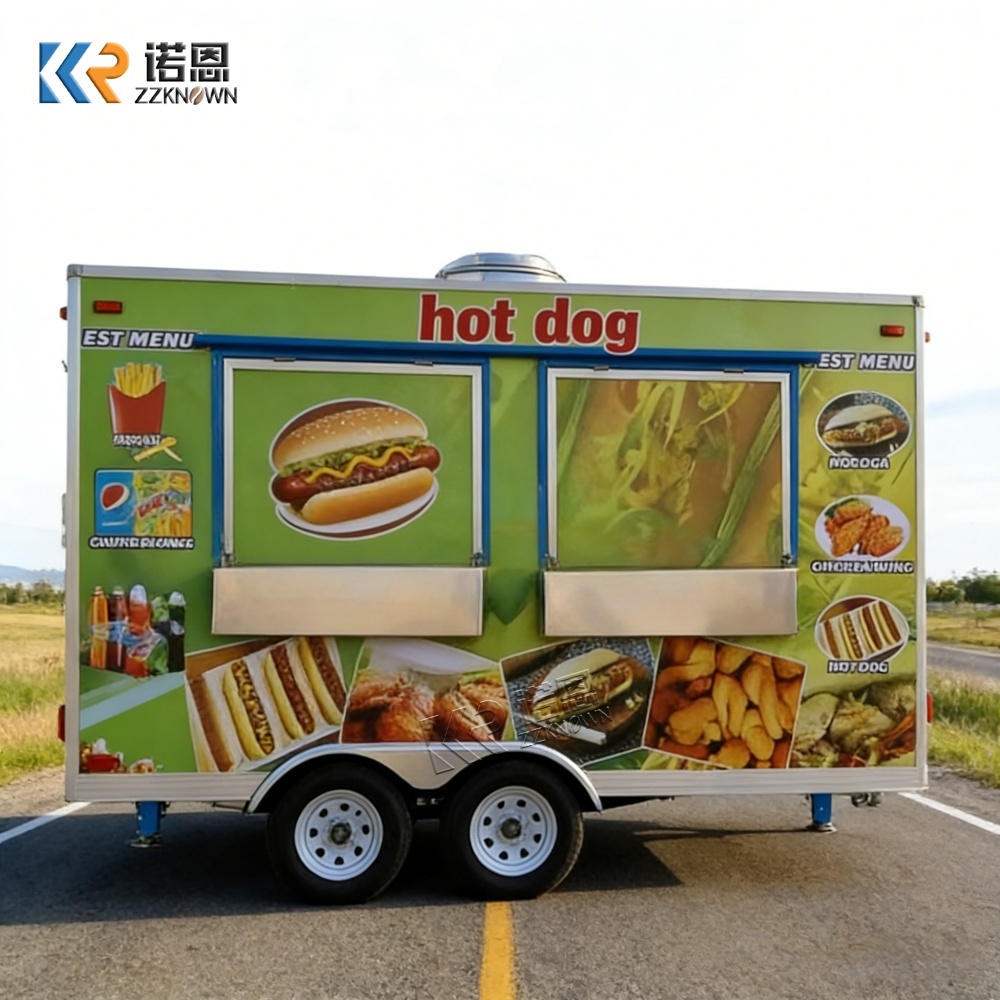
At ZZKNOWN, most new operators begin with 8–12 ft hot dog trailers because:
-
Lower capital exposure
-
Faster break-even
-
Easier international export
-
Easier to upgrade later
Unless you need daily mobility in dense urban areas, a trailer is often the smarter first step.
How Much Does It Really Cost to Start?
Let’s break down realistic U.S. startup costs.
Equipment Investment
| Item | Cost Range |
|---|---|
| Trailer or truck | $12,000–$45,000 |
| Generator | $1,000–$2,500 |
| Branding wrap | $2,000–$4,000 |
| Smallwares | $500–$1,000 |
| Initial inventory | $1,000–$2,000 |
Legal & Compliance Costs
| Item | Cost Range |
|---|---|
| Business registration | $100–$500 |
| Food handler certifications | $100–$300 |
| Health inspection | $200–$1,000 |
| Fire inspection | $100–$500 |
| Mobile vending permit | $300–$3,000 |
Total Estimated Startup Range
Lean model: $20,000–$30,000
Premium custom truck: $50,000–$80,000
For comparison, a brick-and-mortar restaurant in the U.S. averages $150,000–$300,000 to launch.
Mobile food dramatically lowers risk.
How Profitable Is a Hot Dog Truck in Reality?
Let’s model conservative numbers.
Example Revenue Scenario
-
150 customers/day
-
Average ticket: $6
-
15 days/month
Monthly revenue:
150 × $6 × 15 = $13,500
Food Cost Estimate
Hot dog + bun + condiments cost: $1.50 average
150 × $1.50 × 15 = $3,375
Gross Margin
Revenue: $13,500
Food cost: $3,375
Gross profit: $10,125
Even after propane, labor, and event fees, operators often retain 20–35% net profit if managed correctly.
Break-even timeline: 4–8 months in strong markets.
What Equipment Is Required for U.S. Compliance?
This is where many international buyers make mistakes.
U.S. health departments typically require:
-
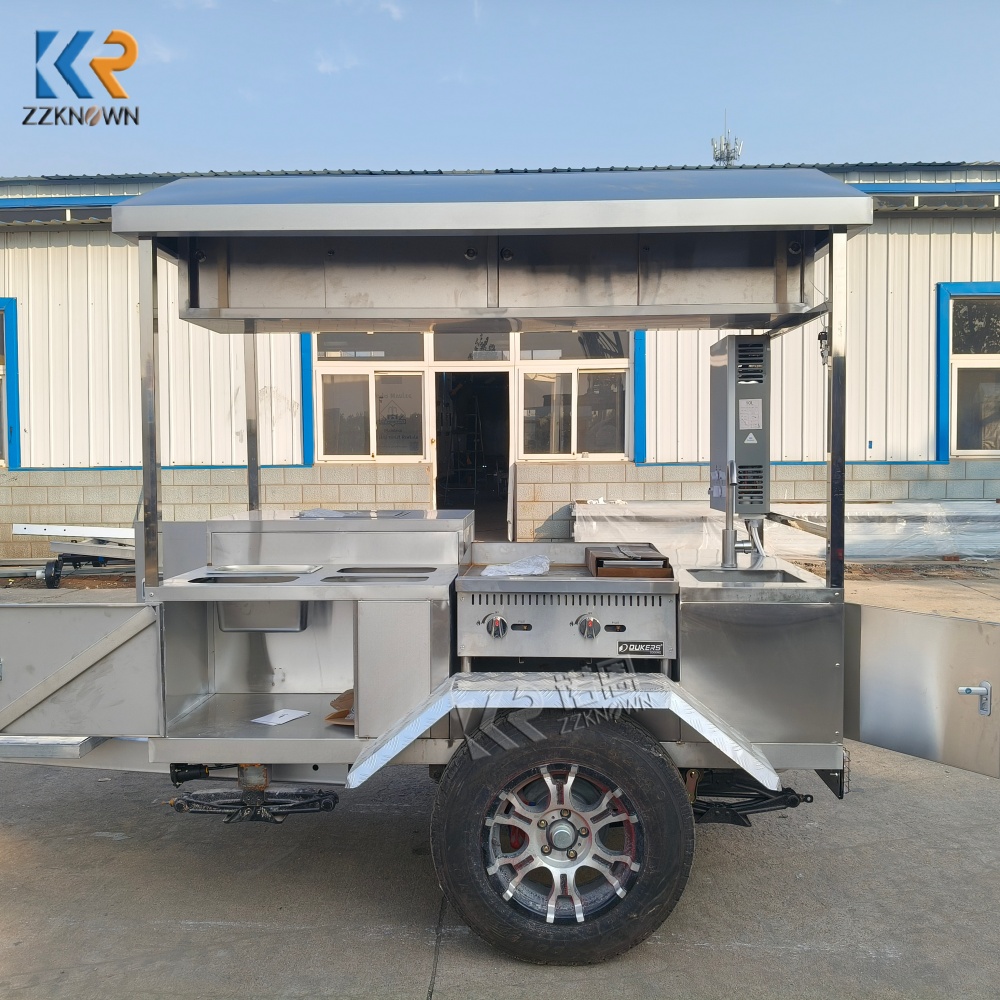
3-compartment sink (wash, rinse, sanitize)
-
Separate handwash sink
-
Fresh water tank (30–50 gallons common)
-
Grey water tank (15% larger than fresh tank)
-
NSF-certified surfaces
-
Commercial refrigeration
-
Exhaust hood
-
Fire suppression system
Skipping compliance details leads to:
-
Failed inspections
-
Costly retrofits
-
Delayed openings
At ZZKNOWN, we design units according to U.S. standards from the start — not as an afterthought.
How Do You Choose the Right Location?
Location is the single most important profit factor.
High-performing environments:
-
Sports stadiums
-
Fairs and carnivals
-
Music festivals
-
Downtown business districts
-
College campuses
-
Night markets
-
Corporate events
Weekend festivals alone can generate $2,000–$5,000 per day.
A mediocre menu in a strong location beats a gourmet menu in a weak location.
How Should You Structure Your Menu for Maximum Profit?
Keep it simple.
Core items:
-
Classic hot dog
-
Chili dog
-
Bacon-wrapped dog
-
Combo meal (dog + drink)
Add-ons with high margin:
-
Fries
-
Nachos
-
Lemonade
-
Bottled drinks
Limiting menu complexity:
-
Speeds service
-
Reduces inventory waste
-
Simplifies staffing
-
Increases throughput
Throughput drives revenue.
What Permits Do You Need in the USA?
While rules vary by state and city, most jurisdictions require:
-
Business license
-
Food handler certification
-
Mobile food vending permit
-
Health department inspection
-
Fire department inspection
-
Commissary kitchen agreement (in many areas)
Approval timelines can range from 30 to 90 days.
Always verify local codes before purchasing equipment.
What Mistakes Should You Avoid?
From real-world cases, common pitfalls include:
-
Underestimating permit timelines
-
Choosing oversized trucks without market validation
-
Ignoring local electrical standards (110V vs 220V)
-
Buying used trucks with hidden compliance issues
-
Operating without event contracts secured
One California operator purchased a $90,000 truck before securing vending rights. It took 14 months to recover the investment.
Contrast that with a Texas operator who started with a 10ft trailer, focused only on weekend events, and recovered investment in 5 months.
Lean strategy wins.
How Can You Scale Beyond One Truck?
Once profitable, expansion paths include:
-
Adding a second trailer
-
Booking private catering
-
Securing corporate event contracts
-
Partnering with breweries
-
Building a recognizable brand identity
Many operators expand from one unit to three within two years.
The key is systemization:
-
Standard recipes
-
Standard workflow
-
Standard pricing
-
Repeatable event booking model
What About Branding and Marketing?
Branding increases perceived value.
Strong strategies:
-
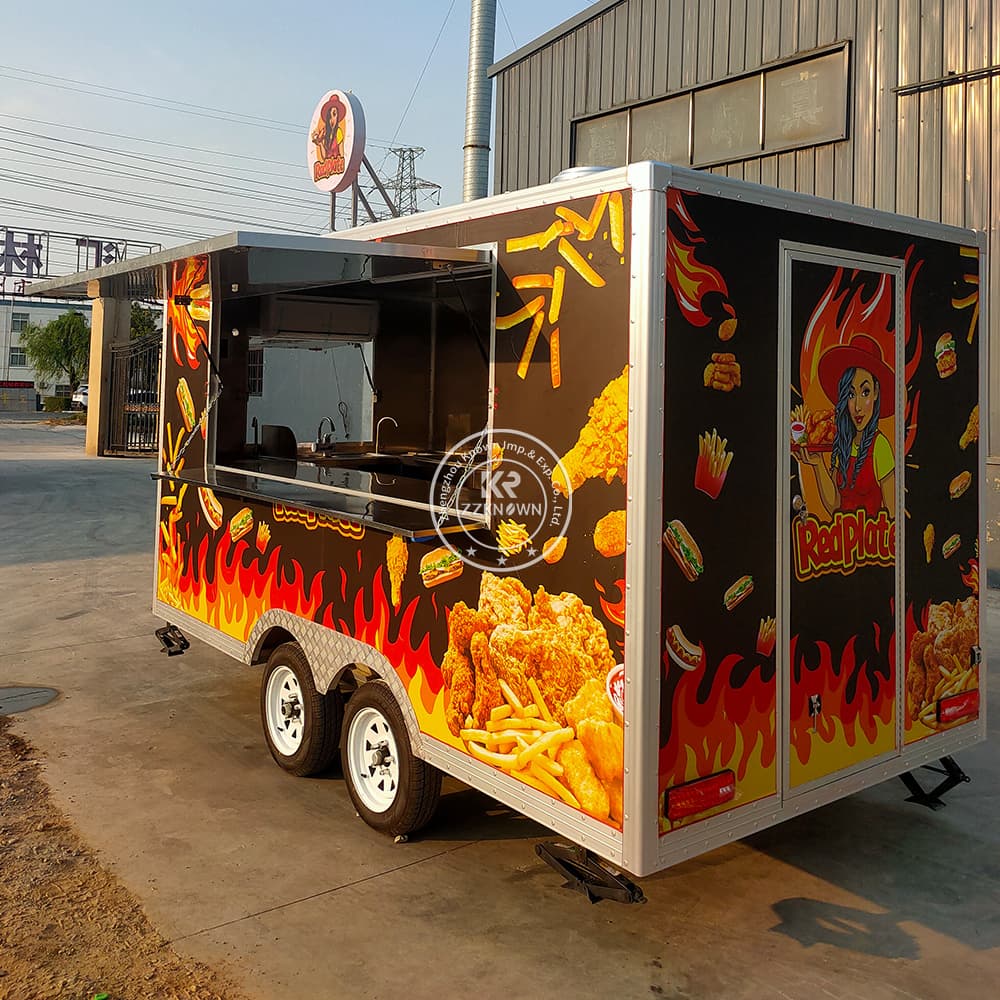
Bold trailer wrap
-
Clean logo
-
Instagram presence
-
Event-focused promotions
-
Google Business Profile listing
Word-of-mouth spreads quickly in event communities.
How Long Does Manufacturing Take?
Custom builds typically take:
4–8 weeks depending on complexity.
Shipping time varies by destination.
Working with experienced manufacturers like ZZKNOWN reduces redesign risk and compliance mistakes.
What Is the Realistic Timeline From Purchase to First Sale?
Week 1–4: Manufacturing
Week 5–6: Shipping
Week 6–12: Permit approvals
Month 3–4: Launch
Proper planning allows launch within 3–4 months.
Is This Business Recession-Proof?
Hot dogs are:
-
Affordable
-
Comfort food
-
High-demand at events
Lower ticket price products often perform well during economic downturns.
Compared to gourmet trucks with high ingredient cost, hot dog vendors have stronger margin protection.
Frequently Asked Questions (FAQ)
How much can I earn per year?
$70,000–$200,000 gross depending on scale and event frequency.
Do I need prior restaurant experience?
Not necessarily. Operational discipline matters more.
Can foreigners operate a food truck in the U.S.?
Yes, with proper legal structure and visa compliance.
Is it better to start with a used truck?
Used may reduce cost but increases mechanical and compliance risk.
What’s the biggest profit driver?
Location and event access.
If I Were Starting Again Today
Here’s exactly what I would do:
-
Choose a strong mid-sized U.S. city.
-
Start with a 10ft compliant hot dog trailer.
-
Focus only on weekend festivals first.
-
Keep menu under 6 items.
-
Track daily profit carefully.
-
Reinvest into second unit within 12 months.
Hot dog businesses don’t look glamorous.
But they are:
-
Repeatable
-
Scalable
-
Margin-strong
-
Low-risk compared to restaurants
And in the U.S., consistency beats complexity.
Final Thoughts
Starting a profitable hot dog food truck business in the United States is absolutely achievable — even for global entrepreneurs — if you approach it strategically.
It’s not about the sausage.
It’s about:
-
Location strategy
-
Compliance precision
-
Smart equipment selection
-
Operational efficiency
-
Controlled expansion
Do it right, and you build predictable cash flow.
Rush it, and you build expensive lessons.
The opportunity is real. The numbers work. The market demand is strong.
The only question is how well you execute.