Compare cost, mobility, kitchen space, maintenance, and customization before choosing the right platform for your mobile food business.
When starting a mobile food business, one of the first decisions you need to make is whether to choose a food trailer or a food truck. Both options can help you sell coffee, burgers, pizza, BBQ, ice cream, juice, and many other foods in different locations. However, they are different in cost, maintenance, kitchen space, mobility, and customization.
For many startups, the best choice depends on budget, menu, local regulations, and long term business plans. This guide will help you compare food trailers and food trucks clearly so you can choose the right solution for your mobile food business.
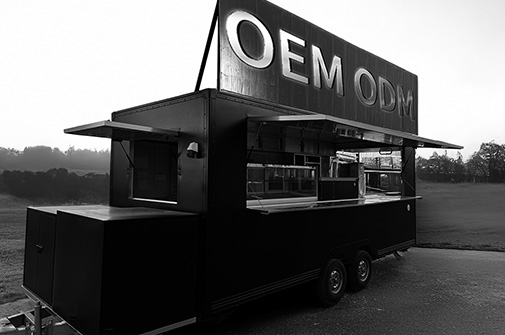
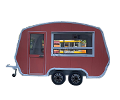
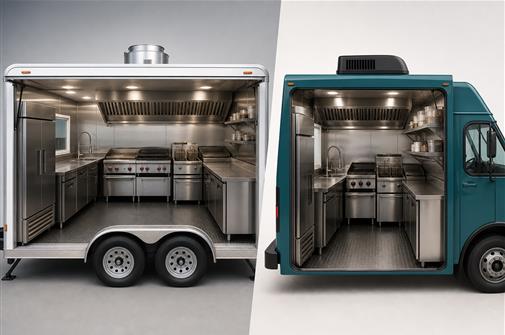
A food trailer is a mobile kitchen built on a trailer chassis. It does not have its own engine, so it needs to be pulled by a tow vehicle such as a pickup truck or SUV.
Food trailers are popular because they usually offer more kitchen space at a lower investment cost. They can be customized with cooking equipment, refrigerators, sinks, water tanks, serving windows, storage cabinets, ventilation systems, and electrical systems.
A food trailer is a good choice for business owners who want a flexible kitchen layout and do not need to move many times during the day. Once the trailer is parked at a market, event, street location, campus, park, or festival, it can work like a complete mobile restaurant.
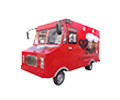
A food truck is a self driving vehicle with a built in kitchen. It combines the driving system and cooking area into one unit. Because it has an engine, the operator can drive it directly from one location to another without using a separate tow vehicle.
Food trucks are often used in busy city areas, business districts, events, and street vending locations. They are convenient for operators who need to move frequently or follow different crowds during the day.
However, because a food truck includes both the vehicle and the kitchen, the purchase cost is usually higher. Maintenance can also be more complex because you need to take care of both the engine system and the kitchen equipment.
For many new business owners, cost is one of the biggest factors. A food trailer is usually more affordable than a food truck because it does not include an engine or driving system.
| Item | Food Trailer | Food Truck |
|---|---|---|
| Purchase Cost | Lower | Higher |
| Maintenance | Easier | More Complex |
| Kitchen Space | Larger | Smaller |
| Mobility | Requires Tow Vehicle | Self Driving |
| Customization | High | Medium |
A food trailer can help reduce the starting investment. If you already have a tow vehicle, the total cost can be much lower than buying a complete food truck. This makes food trailers attractive for startups, small business owners, and first time mobile food operators.
Food trucks may cost more at the beginning, but they are convenient for businesses that need high mobility and want one complete driving and cooking unit.
Different menus require different kitchen layouts. Before choosing between a food trailer and a food truck, you should think about your product type, equipment needs, storage space, and serving speed.
A coffee business usually needs an espresso machine, grinder, refrigerator, water system, sink, counter space, and storage cabinets.
A food trailer is a great option if you want a stylish mobile coffee shop with more space for equipment and branding. A food truck is suitable if you want to drive between office areas, campuses, and events more frequently.
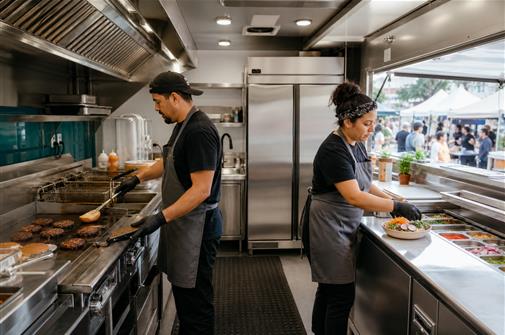
A burger business usually needs a flat top grill, fryer, refrigerator, freezer, preparation table, exhaust hood, and storage area.
Food trailers are often better for burger businesses because they can provide more kitchen space and a better equipment layout. This is helpful when several workers need to cook, prepare, and serve at the same time.
A pizza business may need a pizza oven, dough preparation area, refrigerator, freezer, sink, and serving counter.
A food trailer is often preferred because pizza equipment can take up a lot of space. A larger trailer can make it easier to place the oven, prep table, and storage area in a comfortable layout.
BBQ businesses need enough space for grills, smokers, preparation tables, ventilation, and cold storage.
A food trailer is usually a strong choice for BBQ because it can support heavy equipment and larger cooking areas. It is also suitable for festivals, outdoor events, and fixed vending locations.
An ice cream business may need a display freezer, soft serve machine, refrigerator, sink, topping station, and serving window.
Both food trailers and food trucks can work well. A food trailer is suitable for parks, events, beaches, and fixed seasonal locations. A food truck is better if you want to move between different neighborhoods or event areas during the day.
A juice business needs fresh fruit storage, washing space, juicers, blenders, ice storage, water system, and preparation counters.
A food trailer can provide more room for fruit storage and preparation. This is helpful for fresh juice, smoothie, and beverage businesses that need clean work areas and flexible equipment placement.
Many first time mobile food business owners choose food trailers because they offer a practical balance between cost, space, and customization.
Compared with food trucks, food trailers usually require a lower starting budget. Since there is no engine system, more of your investment can go directly into kitchen equipment, exterior design, branding, and business setup.
For startups, this can make the business easier to begin and reduce financial pressure in the early stage.
A food trailer is easier to maintain because it does not have a driving engine. Operators mainly need to maintain the trailer body, tires, axle, electrical system, water system, gas system, and kitchen equipment.
With a food truck, engine maintenance, vehicle repair, emissions checks, and mechanical problems may add extra cost and downtime.
Food trailers are highly customizable. A professional food trailer manufacturer can design the size, serving window, color, equipment layout, water system, electrical system, gas system, and storage space according to your menu.
For example, Zhengzhou Known Imp. & Exp. Co., Ltd. can customize food trailers, concession trailers, coffee trailers, burger trailers, pizza trailers, BBQ trailers, ice cream trailers, juice trailers, and container food shops for global buyers.
A food trailer usually gives you more freedom to arrange equipment. This is very important for daily operation.
A good layout can make cooking faster, reduce worker movement, improve safety, and create a better customer service experience. Whether you sell burgers, pizza, coffee, BBQ, ice cream, or juice, the equipment layout should match your real working process.
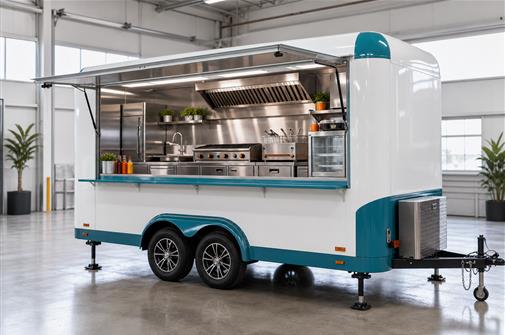
Choose a food trailer if you want lower investment, larger kitchen space, easier maintenance, and more customization. It is especially suitable for startups, event vendors, fixed locations, outdoor markets, and businesses with larger equipment needs.
Choose a food truck if you need to move frequently, serve different locations in one day, and prefer a self driving mobile kitchen. It is suitable for city vending, office areas, rotating routes, and businesses that depend heavily on mobility.
In many cases, a food trailer is the better choice for new mobile food business owners because it is more affordable, easier to customize, and more flexible for different menus.
There is no single answer for every business. The best choice depends on your budget, menu, location, equipment needs, and business model.
If your goal is to start with lower cost and build a professional customized kitchen, a food trailer may be the better option. If your business requires frequent movement and you want one complete driving unit, a food truck may be more suitable.
Before making a decision, compare your menu, local regulations, towing conditions, parking space, and expected daily sales. A well designed mobile food business can help you serve customers efficiently and grow your brand faster.
Yes. In most cases, a food trailer is cheaper than a food truck because it does not include an engine or driving system.
Yes. A food trailer needs a tow vehicle such as a pickup truck or SUV.
A food trailer usually has more usable kitchen space, especially when customized for a specific menu.
Yes. Many startups choose food trailers because they have lower investment, easier maintenance, and flexible customization.
Yes. Food trailers can be customized for coffee, burgers, pizza, BBQ, ice cream, juice, fast food, bakery, and many other food businesses.
A food truck is better for frequent movement because it is self driving. A food trailer is better for planned locations, events, markets, and semi fixed vending spots.