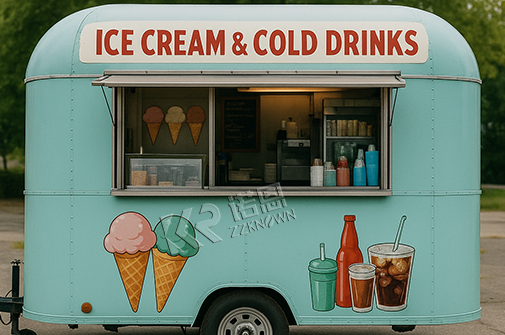
FTO Expo 2026 · Austin, Texas · August 4–5
Two days at Booth 215 gave our team a direct view of what U.S. food trailer owners, dealers and first-time operators need most: clearer landed-cost planning, practical kitchen layouts and a dependable path from factory build to local operation.
Thank you to everyone who visited ZZKNOWN at Booth 215 during FTO Expo 2026 at Palmer Events Center in Austin. We met experienced food trailer operators planning their next unit, dealers looking for repeatable supply, and entrepreneurs preparing concepts for food, beverages and barbecue.
The conversations were specific and practical. Visitors brought menu ideas, equipment requirements, target sizes and questions about importing from China. That made the show more than a product display—it became a working session about how to turn a mobile food concept into an executable trailer project.
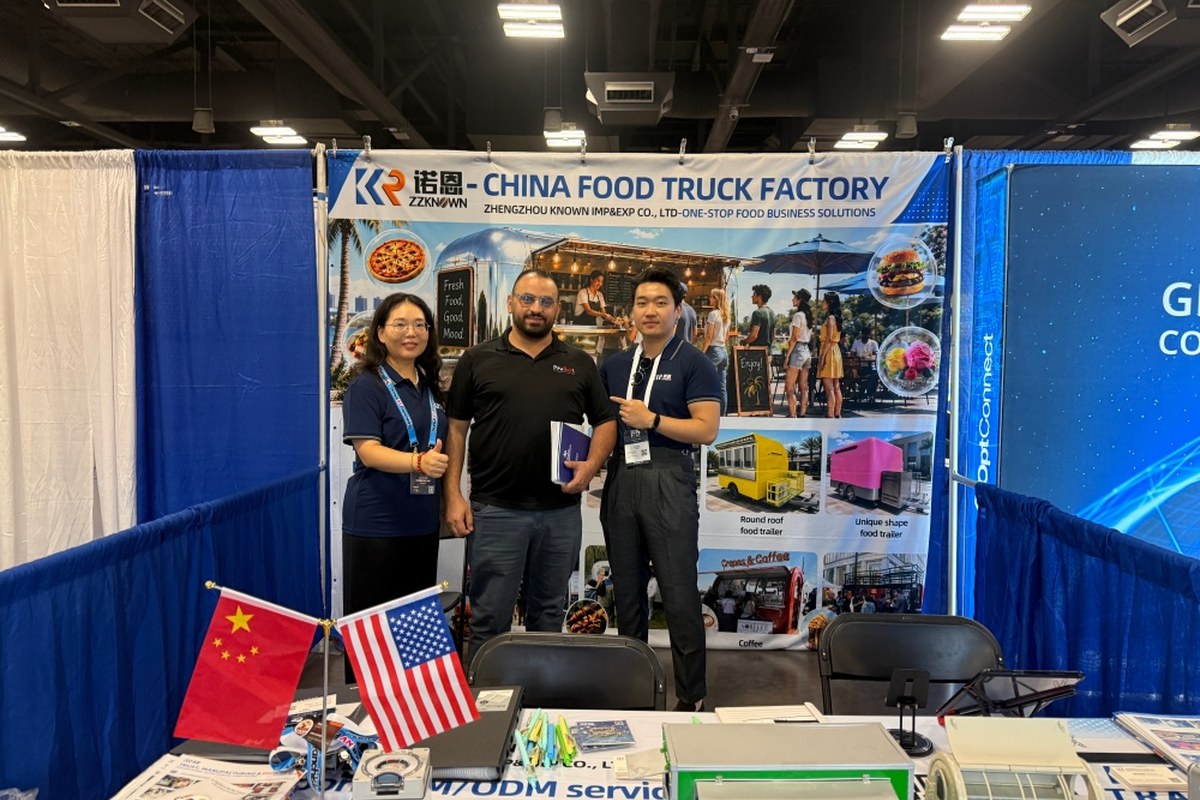
The audience was highly focused on the mobile food business. Three visitor profiles appeared repeatedly:
Compared with a general business event, these discussions began at a deeper level. Visitors wanted to talk about workflow, equipment placement, power, water, ventilation, service windows and the real steps between design approval and opening day.
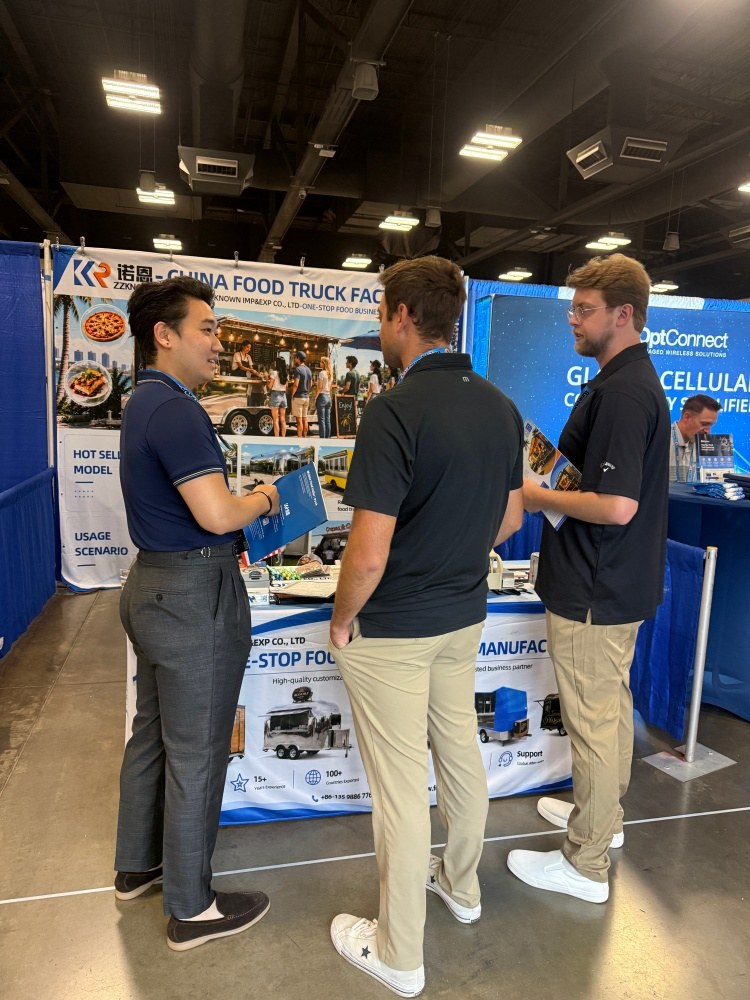
Shipping and import duties were the first concerns raised by many visitors. The useful comparison is not simply a factory price versus a local advertised price. Buyers need to compare the complete project scope on the same basis.
When the configuration is defined clearly, an imported custom trailer can offer strong value even after freight and import-related costs. The answer depends on trailer size, equipment, destination and local requirements, so we recommend a project-specific calculation rather than a generic promise.
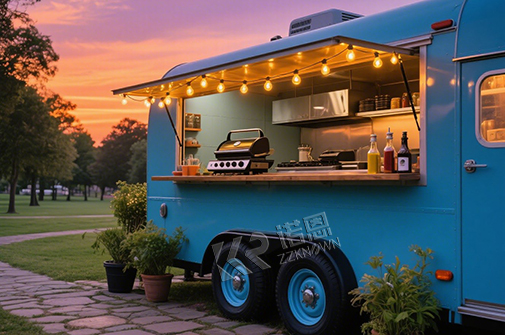
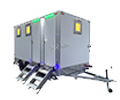
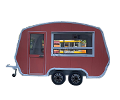
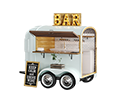
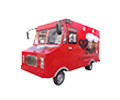
If you are still deciding on the base format, compare our square food trailers, round-roof food trailers and Airstream-style food trailers. Our guide to food trailers versus food trucks also explains the operating trade-offs.
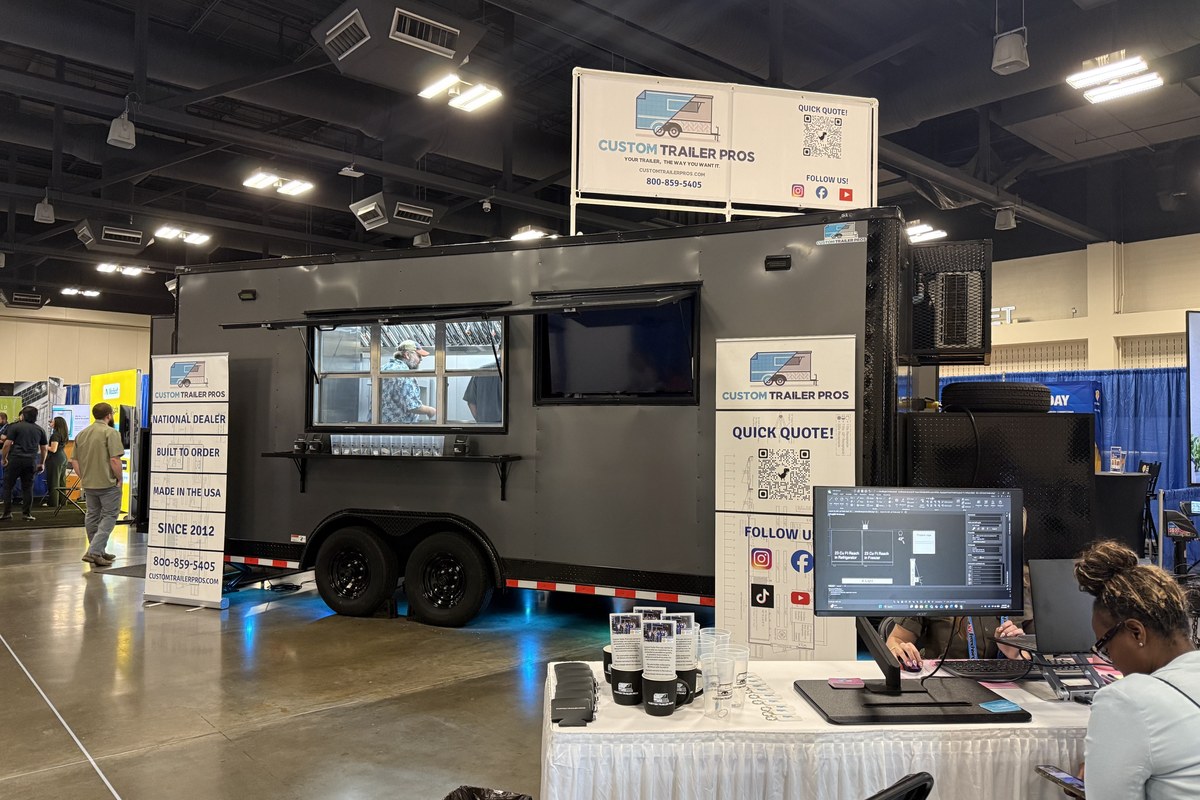
On the second day, our team reviewed local trailer displays and supporting suppliers. We saw both purchase and lease-to-own approaches, a wide range of trailer specifications, and a strong emphasis on local service. The market scan reinforced four priorities for international projects:
The expo also provided useful connections with refrigeration, generator, worktable and fire-suppression suppliers serving the U.S. market. Supplier displays referenced standards and certifications such as UL, NSF and ETL. Because acceptance depends on the exact component, installation and local authority, every project still requires specification review and local confirmation.
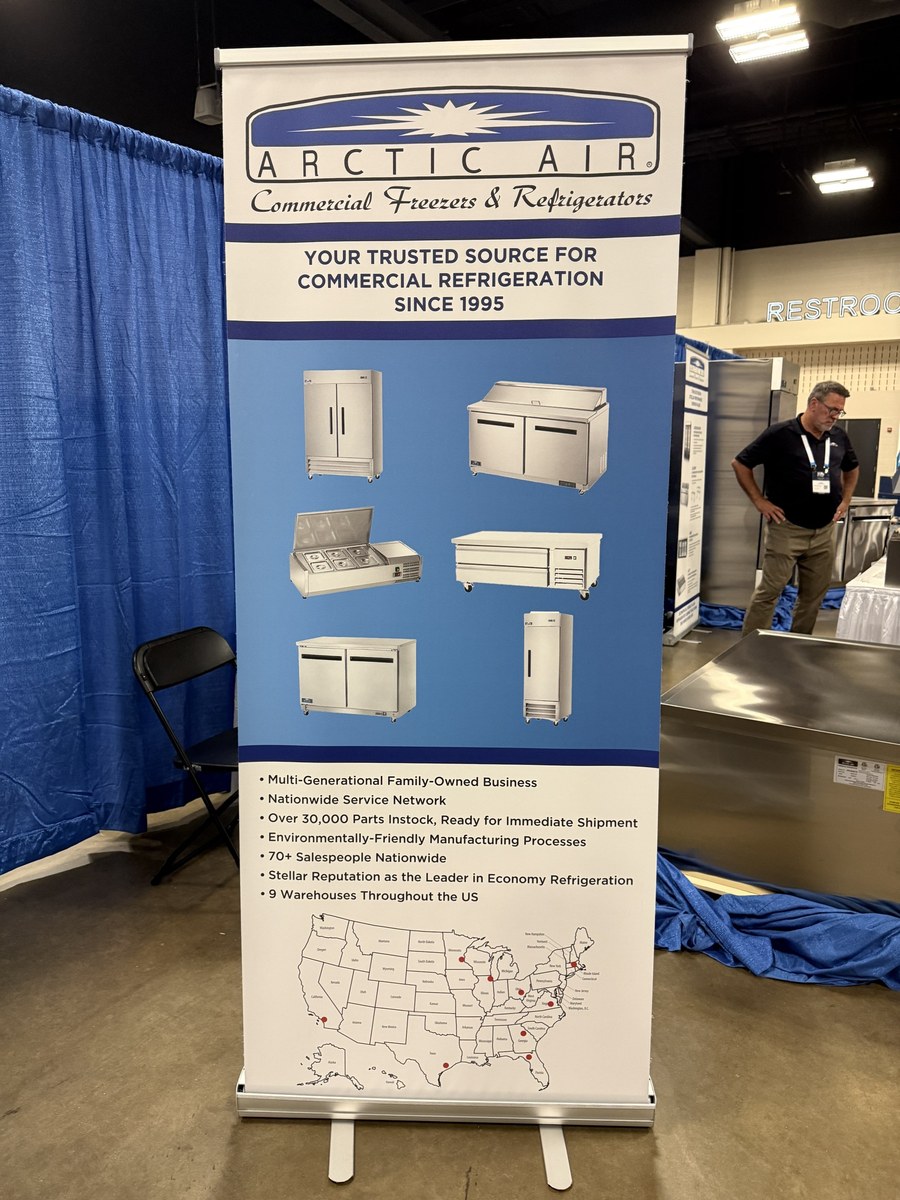
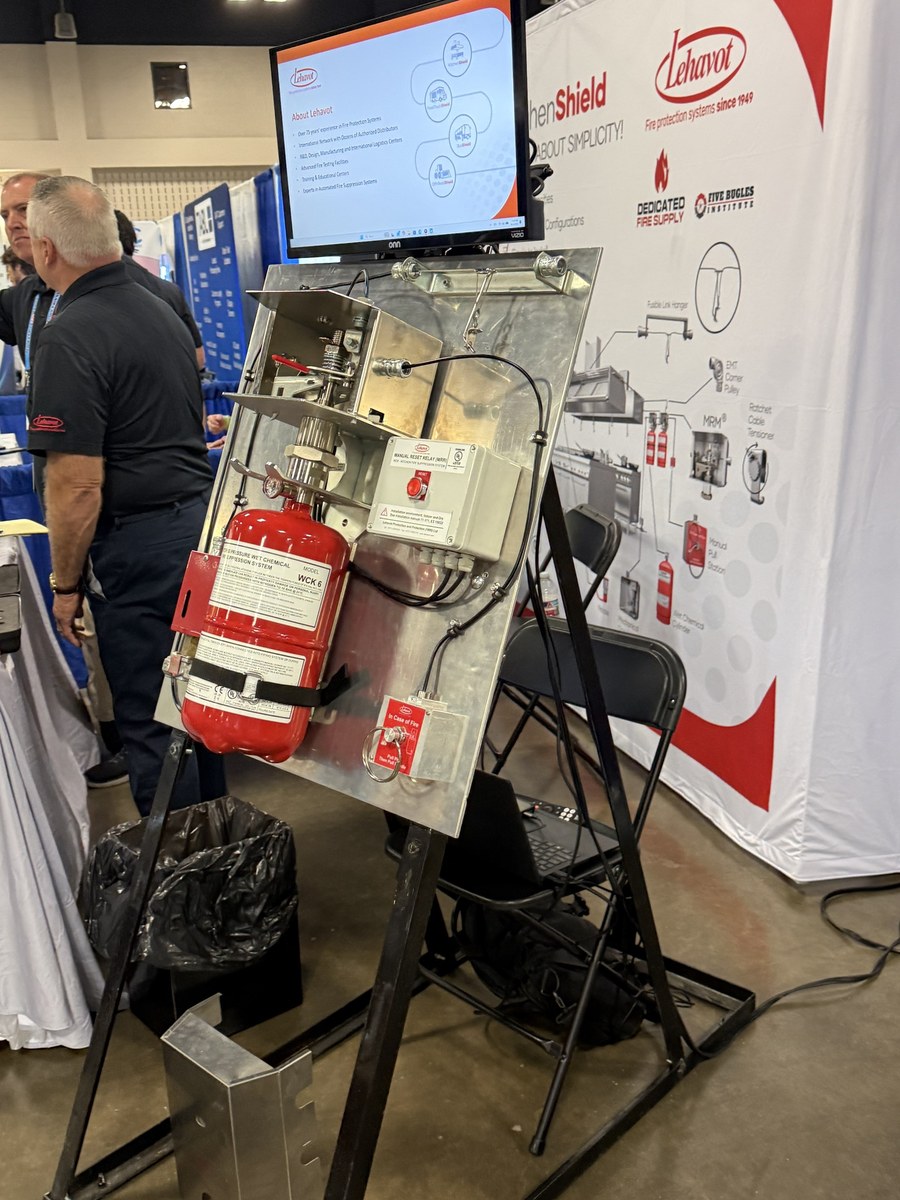
For a focused overview of this topic, read our food trailer fire safety guide.
The show confirmed that buyers do not need another one-size-fits-all catalog. They need a coordinated process. Our follow-up work will continue to emphasize:
Our OEM/ODM food trailer process explains how an idea moves from requirement collection and layout development to manufacturing and delivery.
Your destination city/state, menu, preferred trailer size, equipment list, reference images and target opening date. These details help us identify constraints early and make the first proposal more useful.
Yes, but the project should be planned around destination requirements, transport, import costs and the local inspection path. A detailed specification is essential for a meaningful comparison.
It may be possible depending on equipment availability, dimensions, utilities and certification requirements. The exact model and installation plan should be reviewed before production.
Start with the menu, production volume, destination, trailer size, equipment list and preferred service flow. Photos or sketches are helpful even when the concept is still early.
See our FTO Expo 2026 Booth 215 announcement or visit the official FTO Expo website.
Send us your menu, destination, preferred size and equipment list. We will help turn them into a practical custom food trailer starting plan.
Discuss your food trailer project