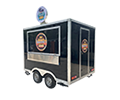
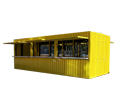
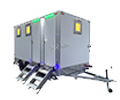
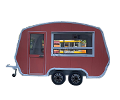
If you’re researching the cost of a hot dog food trailer in 2026, you’re not alone. Thousands of entrepreneurs are entering the mobile food industry every year because it offers lower startup costs than restaurants and faster return on investment.
But the real question is:
How much does a hot dog food trailer actually cost?
The answer depends on several factors including trailer size, equipment, customization, and local compliance requirements.
This guide breaks down real 2026 pricing, including:
Entry-level trailer costs
Professional hot dog trailer prices
Equipment costs
Licensing and permits
Hidden expenses most buyers miss
Total startup budget examples
By the end, you’ll know exactly what budget is needed to start a profitable hot dog trailer business.
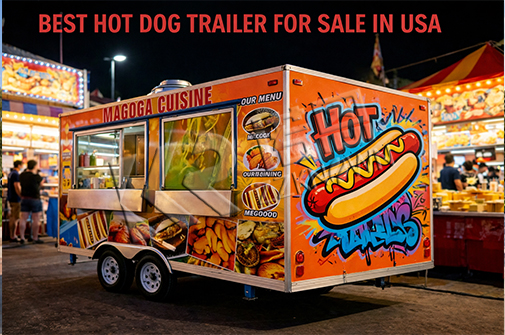
In 2026, the typical price of a hot dog food trailer falls within three main ranges.
| Trailer Type | Average Cost |
|---|---|
| Basic hot dog cart trailer | $3,000 – $8,000 |
| Standard hot dog food trailer | $8,000 – $15,000 |
| Fully customized food trailer | $15,000 – $25,000+ |
Most new vendors choose a mid-range professional trailer, which balances cost, equipment capacity, and regulatory compliance.
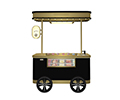
Budget trailers are designed for simple menus and small operations.
Typical features include:
Basic hot dog steamer
Small prep counter
Freshwater tank
Basic storage
Umbrella or small canopy
$3,000 – $8,000
Very low startup cost
Simple operation
Fast setup
Limited menu expansion
Smaller storage capacity
Less professional appearance
These are common for parks, beaches, and small street vending locations.
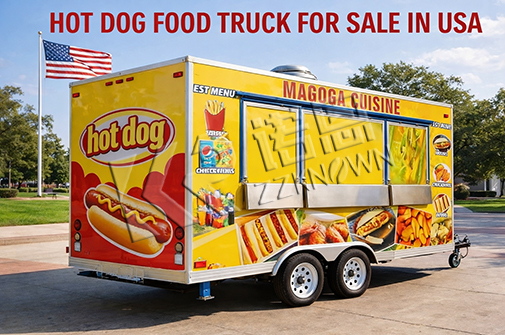
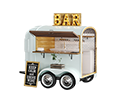
This is the most common setup for serious vendors.
Standard trailers usually include:
Stainless steel interior
Commercial hot dog steamer
Flat top grill or griddle
Refrigerator
Handwash sink
3-compartment sink
Freshwater and wastewater tanks
Electrical system
Lighting
Service window
$8,000 – $15,000
Trailer size typically ranges from 8 ft to 14 ft.
This category offers the best balance between cost and operational capability.
High-end trailers are designed for larger menus and higher customer volume.
These trailers may include:
Multiple cooking stations
Larger refrigeration systems
Custom branding wrap
Advanced electrical systems
Fire suppression system
Additional prep space
Generator integration
$15,000 – $25,000+
These are ideal for:
Large events
Festivals
Busy urban locations
Even when equipment is included in the trailer, understanding the value helps you evaluate pricing.
| Equipment | Typical Price |
|---|---|
| Commercial hot dog steamer | $400 – $1,500 |
| Flat top grill | $600 – $2,000 |
| Refrigerator | $500 – $2,500 |
| Freezer | $700 – $2,000 |
| Sink system | $400 – $1,200 |
| Water heater | $150 – $600 |
| Generator | $800 – $3,000 |
Total equipment value can range from $4,000 to $12,000.
Permits vary by country, state, or city.
Typical mobile food vendor requirements include:
| Permit Type | Cost Range |
|---|---|
| Business registration | $50 – $800 |
| Mobile food vendor license | $200 – $3,000 |
| Health department permit | $100 – $1,000 |
| Fire inspection | $100 – $500 |
| Food safety certification | $100 – $500 |
Estimated total permits:
$1,000 – $5,000
Always verify local regulations before purchasing a trailer.
Beyond the trailer itself, new vendors must budget for other expenses.
Includes:
Hot dogs
Buns
Condiments
Packaging
Cost:
$800 – $2,000
Professional branding increases customer trust.
Typical costs include:
Trailer wrap: $1,000 – $3,000
Logo design: $200 – $800
Website: $300 – $1,500
Food trailer operators typically need:
General liability insurance
Equipment coverage
Average annual cost:
$800 – $2,500
Let’s look at a realistic 2026 startup scenario.
| Category | Estimated Cost |
|---|---|
| Food trailer | $8,000 |
| Permits & licenses | $2,500 |
| Inventory | $1,200 |
| Branding | $2,000 |
| Insurance | $1,500 |
| Working capital | $10,000 |
$25,000 – $40,000
This level of investment is significantly lower than opening a restaurant, which often exceeds $200,000.
Typical monthly operating expenses include:
Food supplies (30–40% of sales)
Fuel or generator costs
Insurance
Maintenance
Event fees or location rent
Average monthly operating costs:
$3,000 – $8,000
Revenue varies based on location and foot traffic.
Example scenario:
Average hot dog price:
$4.50
Average daily sales:
120 hot dogs
Daily revenue:
$540
Monthly revenue (25 days):
$13,500
With proper cost control, many vendors achieve 60–70% gross margins.
Break-even depends on startup cost and sales volume.
Typical range:
| Business Model | Break-Even Time |
|---|---|
| Budget trailer | 2 – 5 months |
| Standard trailer | 5 – 10 months |
| Premium trailer | 10 – 16 months |
Choosing the right trailer size helps control this timeline.
Several variables influence final trailer cost.
Larger trailers require:
Stronger chassis
More materials
Larger equipment
More cooking appliances increase cost.
Features like:
Custom lighting
Extra refrigeration
Branding wraps
can add thousands to the final price.
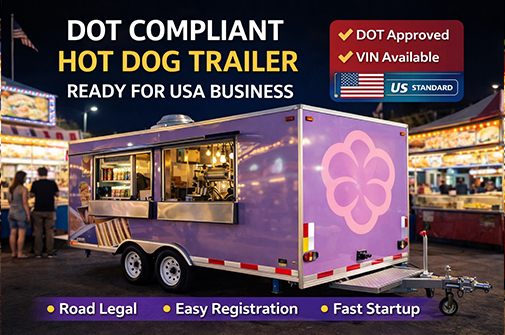
Different regions require different standards such as:
Electrical certifications
Gas system regulations
Road safety compliance
Manufacturers experienced in international standards, such as ZZKNOWN, often offer region-specific customization to help buyers meet local requirements before shipping.
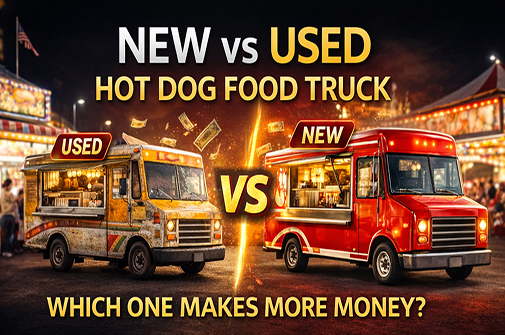
Many new vendors now prefer trailers.
Lower purchase cost
No engine maintenance
Easier repairs
Flexible towing vehicle
Food trucks offer mobility but are significantly more expensive.
For many hot dog businesses, trailers deliver better startup economics.
Smart strategies include:
Starting with a smaller trailer
Keeping the menu simple
Buying equipment bundles
Negotiating supplier discounts
Avoiding unnecessary customization early
You can always upgrade later once the business grows.
So, how much does a hot dog food trailer cost in 2026?
Most entrepreneurs spend:
$8,000 – $25,000 for the trailer itself
and
$20,000 – $45,000 for the total startup investment.
Compared to traditional restaurants, a mobile hot dog business offers:
Lower startup risk
Faster return on investment
Flexible operating locations
With the right location and strong branding, many vendors recover their investment within the first year.