(For First-Time U.S. Buyers Who Want to Do It Right)
If you're searching for a waffle truck for sale, chances are you're not just dreaming about waffles — you're thinking seriously about starting a business.
Maybe you've seen waffle trucks killing it at festivals.
Maybe you're tired of high rent and want something mobile.
Or maybe you're just looking for a food business that actually makes sense in 2026.
I've been on the manufacturing side of food trucks for years at ZZKNOWN, working with buyers across the U.S. Some succeed fast. Some struggle. And almost all of them tell me the same thing:
“I wish I knew this before I bought my waffle truck.”
This guide is exactly that — what I would tell a friend if they asked me how to buy a waffle truck the smart way in 2026.
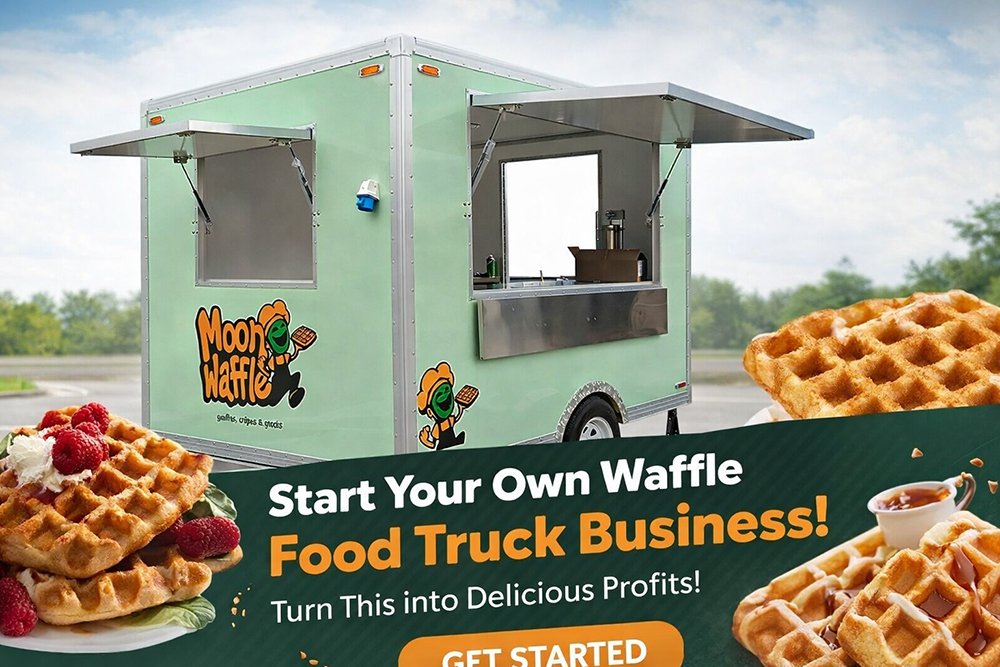
Short answer: simple menu, strong margins, and flexibility.
Waffles hit a rare sweet spot in the food truck world:
Low ingredient cost
Fast prep time
High perceived value
Easy customization (sweet, savory, seasonal)
According to IBISWorld and U.S. street food market data, dessert-focused food trucks continue to outperform complex hot-food concepts because they:
Require fewer staff
Have shorter service times
Generate higher impulse purchases at events
From what we see at ZZNOWN, waffle trucks perform especially well in:
Festivals and fairs
College towns
Night markets
Private catering (weddings, corporate events)
If you want a mobile business that doesn't rely on a huge kitchen or a 10-item menu, waffles are still one of the safest bets.
A waffle truck is a self-contained vehicle with:
Built-in engine
Driver's cabin
Fully installed kitchen
A waffle trailer is towed by another vehicle and has no engine of its own.
Here's a quick comparison most buyers find helpful:
| Feature | Waffle Truck | Waffle Trailer |
|---|---|---|
| Initial cost | Higher | Lower |
| Mobility | Drive anywhere | Requires towing |
| Permits | City-specific | Often easier |
| Custom layout | Limited by chassis | Highly flexible |
| Best for | Urban vending | Events & catering |
My honest advice:
If you're searching “waffle truck for sale,” you should also seriously consider trailers — many U.S. buyers end up choosing them once they see the cost difference.
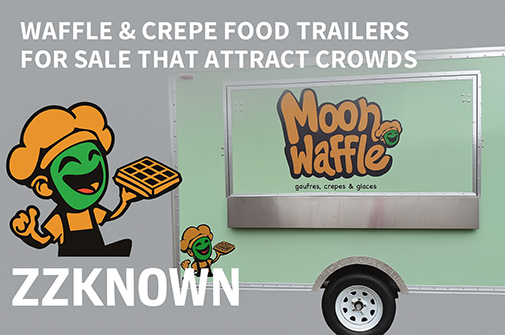
This is the first question everyone asks — and the one most sellers answer badly.
| Type | Estimated Cost (USD) |
|---|---|
| Used waffle truck | $10,000 – $30,000 |
| New waffle truck | $8,000 – $30,000+ |
| Custom waffle trailer | $8,000 – $45,000 |
From our factory experience, these factors matter more than brand name:
Size of the unit
Number of waffle makers
Electrical system capacity
Sink configuration (health compliance)
Customization level
A cheap truck that can't support your equipment will cost you more later — in downtime, upgrades, and lost events.
Forget the “nice-to-have” lists. This is what actually matters.
Commercial waffle makers (single or double)
Refrigerator or freezer
3-compartment sink (health code)
Hand wash sink
Fresh & waste water tanks
Ventilation or exhaust system
Stainless steel worktables
Proper electrical wiring and outlets
At ZZNOWN, we've seen buyers fail inspections simply because:
The sink spacing was wrong
Power capacity was underestimated
Workflow was poorly designed
Equipment is not about quantity — it's about compatibility.
.jpg)
This is where many first-time buyers make mistakes.
A good waffle truck layout follows one simple rule:
No step should be wasted.
Batter prep
Waffle cooking
Topping & plating
Serving window
Bad layouts force operators to:
Turn around too often
Cross paths with staff
Slow down peak service
As a manufacturer, we design layouts around menu flow, not just space.
Sometimes. Often, no.
Lower upfront cost
Faster availability
Hidden mechanical issues
Outdated wiring
Health code non-compliance
No customization
We've had customers buy used trucks, then come to us later for full rebuilds — spending more than a new custom unit would have cost.
If you go used, inspect carefully and budget for upgrades.
Let's talk real numbers.
From customer feedback:
Average waffle price: $6–$10
Average event sales: $800–$2,000/day
Ingredient cost: relatively low
Many waffle truck owners report breaking even within:
6–12 months, depending on usage and location
Profitability depends more on:
Where you operate
How often you book events
How fast you serve
The truck is the tool. The strategy is everything.
.jpg)
Here's the process we recommend to all first-time buyers.
Define your menu clearly
Estimate peak daily output
Choose truck vs trailer
Confirm equipment list
Approve layout design
Finalize production timeline
Plan delivery & local inspection
Rushing step 1 causes problems in steps 4–7.
Based on real cases we've seen:
Buying too small
Ignoring power requirements
Choosing looks over workflow
Not planning for inspections
Buying based on price alone
Every failed case we've seen had one thing in common:
The buyer didn’t think long-term.
At ZZKNOWN, we don't just sell food trucks — we help buyers avoid expensive mistakes.
Our role is to:
Design around your menu
Build for U.S. compliance
Optimize workflow
Support customization
Ship globally with experience
Many of our U.S. customers are first-time owners. Our job is to make sure their first truck doesn't become their last.
If purchased directly from a U.S. supplier, most new waffle trucks range from $30,000 to $120,000, while trailers are more affordable, ranging from $10,000 to $80,000. However, if sourced directly from a Chinese manufacturing factory like ZZKNOWN, the base vehicle price can be as low as $5,000 to $20,000 USD.
Yes. Many U.S. buyers choose trailers for lower cost and easier approval.
Absolutely. Layout should match your menu and workflow.
Typically 25–50 working days after design confirmation.
Yes, when built correctly with proper sink systems and materials.
Waffle trucks are one of the most beginner-friendly food truck businesses.
If you want:
A flexible business
Strong margins
A simple but scalable concept
Then yes — a waffle truck is still a solid choice.
Just make sure the truck works for you, not against you.
If you're evaluating a waffle truck for sale, focus less on price and more on design, compliance, and long-term usability.
That's the difference between a food truck that survives — and one that grows.