A real-world, no-panic guide to getting legal and actually opening your coffee truck
Let me start with a confession.
When most people dream about opening a coffee truck, they imagine:
the smell of fresh espresso
happy customers in line
posting opening-day photos on Instagram
Almost nobody dreams about permits.
But after working with coffee truck buyers from the USA, Europe, Australia, the Middle East, and Africa, I can tell you this with total honesty:
Coffee truck permits don’t kill businesses—confusion does.
At ZZKNOWN, we've seen amazing coffee trucks delayed for months, not because of bad equipment or poor coffee, but because someone didn't understand permits early enough.
So this guide is written the way I'd explain it to a friend sitting across the table:
No legal jargon overload
No country-specific rabbit holes
Just a clear, global framework you can actually use
Because permits decide three things that matter more than your logo:
Where you can operate
How fast you can open
How much unexpected money you'll spend
I've seen first-time owners buy a beautiful truck and then discover:
Their city doesn't allow street vending
Their trailer is 10 cm too wide
Their power setup isn't compliant
That's a painful way to learn.
Here's the simplest explanation:
Coffee truck permits are official permissions that prove your business, vehicle, food, and location are legally allowed to operate.
They usually fall into four core categories, no matter where you are in the world.
This confirms you exist as a legal entity.
Usually includes:
Business registration
Tax ID / VAT number
Commercial insurance
Good news:
This part is usually straightforward and fast.
This is the most important category everywhere.
Typical requirements:
Food handling license
Health department inspection
Hygiene certification
What inspectors usually check:
Sink setup (handwash + utensil wash)
Clean water & wastewater tanks
Food-grade materials
Temperature control
At ZZKNOWN, we design interiors specifically to pass food inspections more easily.
This depends on whether you use:
A coffee truck (engine included)
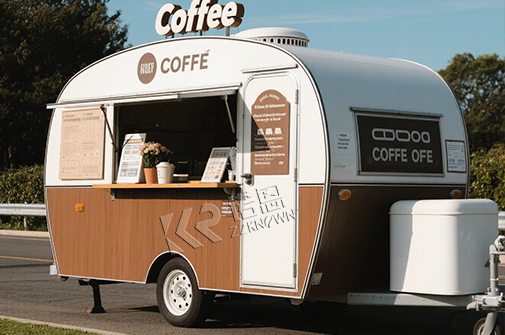
A coffee trailer (towed)
Possible requirements:
Vehicle registration
VIN / chassis number
Roadworthiness inspection
Towing compliance (for trailers)
This is where many international buyers get stuck if they buy without guidance.
This is the trickiest one.
Examples:
Street vending permits
Event licenses
Private land agreements
Market stall approvals
Some cities are very friendly.
Others… not so much.
Let's zoom out globally (without getting lost).
| Permit Type | Notes |
|---|---|
| Business license | City or county level |
| Health permit | Local health department |
| Mobile vending permit | Often location-specific |
| Fire inspection | Required if using gas |
| Vehicle registration | DOT, VIN |
Reality:
Rules vary by city more than by state.
| Permit Type | Notes |
|---|---|
| Business registration | National |
| Food hygiene certificate | EU-wide standards |
| CE compliance | Equipment & electrical |
| Vehicle homologation | Trailer/truck approval |
| Market permissions | City-specific |
Reality:
Strong standards, but predictable once you understand them.
| Permit Type | Notes |
|---|---|
| Food business registration | Council level |
| Food safety program | Mandatory |
| Trailer compliance | ADR standards |
| Public land permit | Council approval |
Reality:
Paperwork-heavy but very clear.
| Permit Type | Notes |
|---|---|
| Trade license | Often strict |
| Municipality approval | Key step |
| Food authority permit | Centralized |
| Import clearance | Critical for trucks |
Reality:
Import documentation matters as much as food permits.
Yes—and this is important.
Pros:
One integrated unit
Easier daily movement
Cons:
More vehicle regulations
Higher registration complexity
Engine compliance required
Pros:
Fewer vehicle rules
Easier import/export
Lower maintenance
Cons:
Needs approved towing vehicle
Parking permissions still apply
From our experience at ZZKNOWN:
First-time owners globally have a higher success rate with coffee trailers.
Short answer: earlier than you think.
| Stage | What to do |
|---|---|
| Idea stage | Research local rules |
| Design stage | Confirm size & layout |
| Production stage | Prepare documents |
| Pre-delivery | Apply for permits |
| Arrival | Schedule inspections |
Waiting until the truck arrives is the #1 mistake we see.
A client in Canada contacted us before ordering.
We:
Reviewed local food code
Adjusted sink placement
Selected compliant electrical specs
Result:
Passed inspection on the first visit. Opened in 10 days.
A buyer ordered a trailer elsewhere without asking.
Problems:
No handwash sink
Wrong water tank capacity
No CE documentation
Result:
3 months delay + redesign costs.
That's avoidable pain.
Keep these ready:
Trailer/truck technical drawings
Electrical & plumbing diagrams
Material certifications
Equipment manuals
VIN / chassis documents
Food safety plan
At ZZKNOWN, we provide documentation packages for this exact reason.
This varies, but here's a rough global estimate:
| Category | Typical Cost |
|---|---|
| Business registration | $50–$500 |
| Health permits | $100–$1,000 |
| Vehicle registration | $200–$2,000 |
| Location permits | $0–$2,500 |
Important:
Permit delays cost more than permits themselves.
Good ones can.
At ZZKNOWN, we:
Design for compliance
Provide certificates
Share regional experience
Flag red-flag issues early
But final approval always comes from local authorities.
If you remember only one thing, remember this:
Permits are not a barrier. They’re a checklist.
Once you treat them as part of the business—not an obstacle—the stress disappears.
Most successful owners:
Start early
Ask local questions
Choose compliant designs
Avoid shortcuts
Usually yes. Food safety permits almost always apply.
Rarely. Location permits are usually local.
Sometimes the vehicle, yes. Business permits, no.
Anywhere from 2 weeks to 3 months depending on region.
Yes—this is exactly what we do.
Opening a coffee truck is exciting.
Getting permits feels boring—until you realize they protect your coffee business.
Once permits are handled:
You operate confidently
You avoid fines
You scale faster
And that's when the fun part really starts.