(A practical, real-world guide for European coffee entrepreneurs)
If you've ever stood in a European city square at 8:30 a.m.—watching commuters queue for espresso—you already know one thing: coffee sells.
But here's the question most first-time buyers struggle with:
Should you invest in a coffee truck or a coffee trailer?
I've had this conversation hundreds of times with buyers across Germany, France, Italy, Spain, the UK, the Netherlands, and Scandinavia. Some were opening their very first mobile coffee business. Others were expanding from cafés into events, festivals, or seasonal pop-ups.
This guide is written as if we're sitting down with a coffee together. No sales fluff. No vague advice. Just real comparisons, real numbers, and real lessons learned from years of exporting mobile coffee units through ZZKNOWN to Europe.
Let's break it down properly.
Choosing between a coffee truck vs coffee trailer isn't just about price.
It affects:
Your licensing and compliance
Where you can legally operate
Daily operating costs
Staffing requirements
Scalability and resale value
Make the right choice, and your unit pays for itself quickly.
Make the wrong one, and you'll be stuck with something that looks great—but doesn't fit your market.
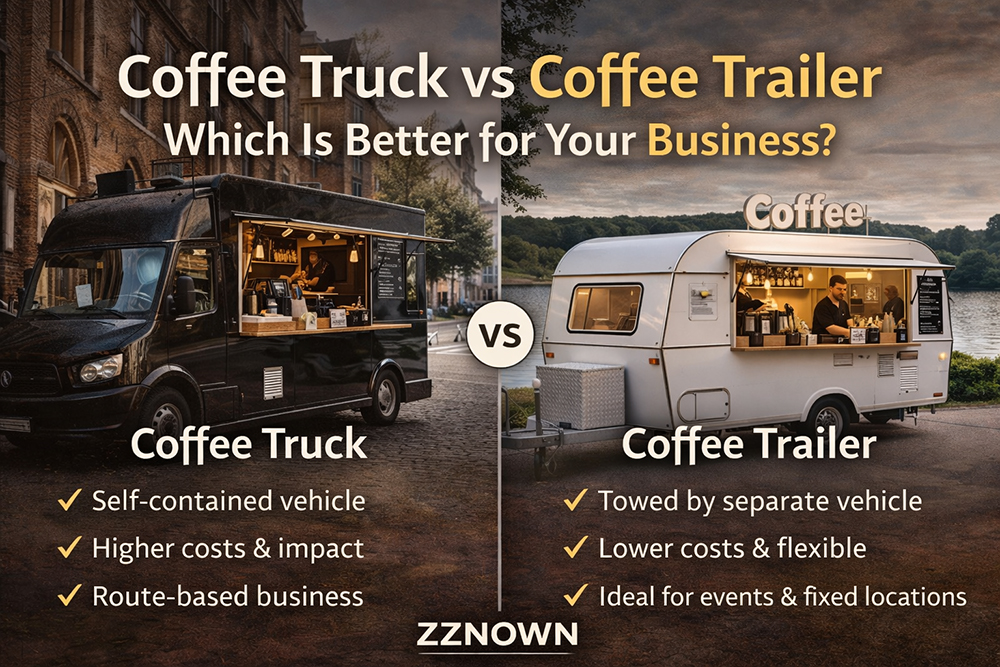
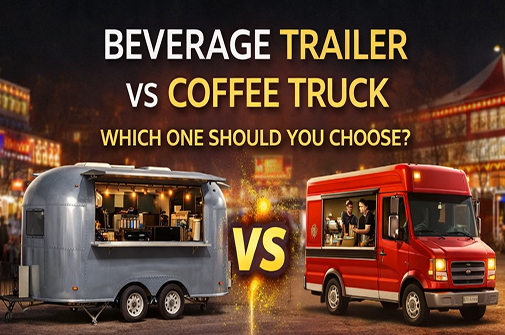
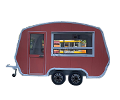
A coffee truck is a fully integrated vehicle. Engine, driving cabin, and coffee workspace are all in one unit.
You drive it like a van, park it, open the service window, and start selling.
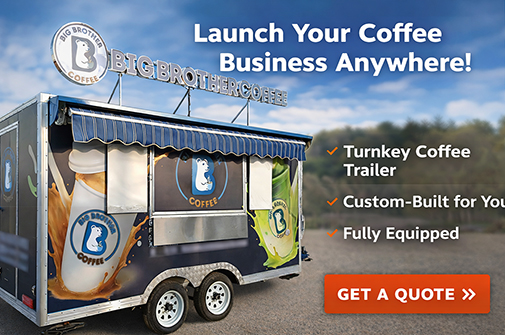
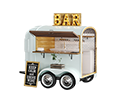
A coffee trailer has no engine. It's towed by a separate vehicle (car, van, pickup).
You unhitch it at the site, level it, connect utilities, and operate.
Simple difference—but massive implications.
| Factor | Coffee Truck | Coffee Trailer |
|---|---|---|
| Initial cost | Higher | Lower |
| Driving license | Commercial often required | Standard towing license |
| Maintenance | Engine + kitchen | Kitchen only |
| Fuel cost | High | Lower |
| Flexibility | High mobility | Best for fixed spots |
| Compliance | Stricter | Often simpler |
| Resale value | Depends on engine | Strong & stable |
| Ideal for | Urban routes | Events & fixed locations |
If you want a short answer:
Most first-time European buyers choose coffee trailers.
Now let's explain why.
This is where many non-European sellers get it wrong.
Europe isn't one market—it's 27+ regulatory environments with shared standards.
Key realities:
CE certification is mandatory
Vehicle emissions standards are strict (Euro 5 / Euro 6)
Urban access zones restrict engine vehicles
Health departments focus on interior layout & hygiene flow
A coffee truck must comply with:
Vehicle homologation
Emission standards
Road safety regulations
Food safety regulations
This increases:
Cost
Approval time
Paperwork
In some cities, it also limits where you're allowed to drive and park.
A coffee trailer usually needs:
CE certification
Food safety compliance
Trailer braking & lighting standards
No engine. No emissions testing.
This is one reason coffee trailers dominate festivals, markets, and seasonal locations across Europe.
Let's talk numbers.
| Unit Type | Average Cost (EUR) |
|---|---|
| Coffee truck | €35,000 – €70,000 |
| Coffee trailer | €12,000 – €30,000 |
(Prices vary by size, equipment, and customization)
Coffee trucks often require:
Higher insurance
Regular engine servicing
Commercial driver licensing
Fuel expenses
Coffee trailers require:
Towing vehicle (often already owned)
Basic trailer servicing
For startups watching cash flow, coffee trailers offer a safer entry point.
This is the most important question—and the one buyers often skip.
If your plan is:
Different streets daily
Morning rush routes
Mobile vending schedules
➡️ A coffee truck may make sense.
If your plan includes:
Weekend markets
Events & festivals
Business parks
Beachfronts
Seasonal tourism spots
➡️ A coffee trailer is usually the smarter choice.
In Europe, permits for fixed locations are easier to secure for trailers.
Here's a myth we need to kill:
“Coffee trucks have more space.”
Not true.
Because there's:
No driver cabin
No engine compartment
You often get:
More usable workspace
Better equipment layout
Cleaner hygiene separation
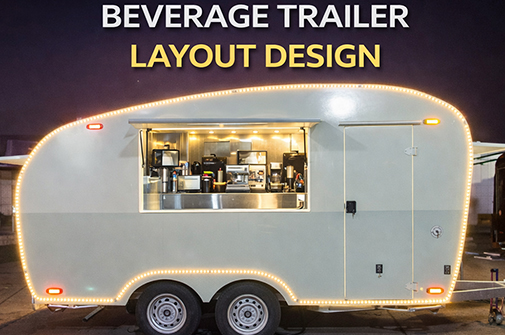
At ZZKNOWN, many of our 2.5–3.5m coffee trailers comfortably fit:
2-group espresso machine
Dual grinders
Under-counter fridge
Water tanks
Storage cabinets
Without feeling cramped.
Let's talk reality.
Location
Menu pricing
Foot traffic
Speed of service
Not whether it's a truck or trailer.
Spain, 3m coffee trailer
Fixed beach location
€4–€5 per coffee
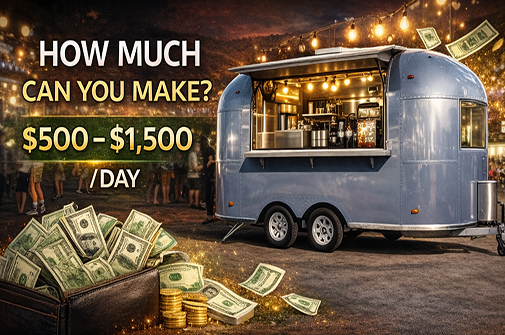
Summer peak: €800–€1,200/day
Paid off in under 6 months
Germany, coffee truck
Weekday urban routes
Higher permits & fuel costs
Strong brand visibility
Better for corporate catering
Both work—but in different models.
This surprises many buyers.
Often require a licensed driver
Sometimes need separate staff for driving + serving
Can be operated by one person
No driving during service hours
Easier to train staff
For small teams, trailers are operationally simpler.
This is subtle—but important.
Across Europe:
Trailers feel artisan
Retro designs attract attention
Less “commercial van” perception
In markets like:
France
Italy
Netherlands
Nordic countries
A well-designed coffee trailer often blends better into public spaces.
After exporting hundreds of units to Europe, here are a few honest lessons:
Coffee trailers for first-time buyers
Custom layouts designed after understanding local rules
CE-compliant electrical & water systems from day one
Over-sized trucks in historic city centres
Underestimating permit complexity
Buying “cheap” units without certification
That's why at ZZKNOWN we insist on:
Market-specific design
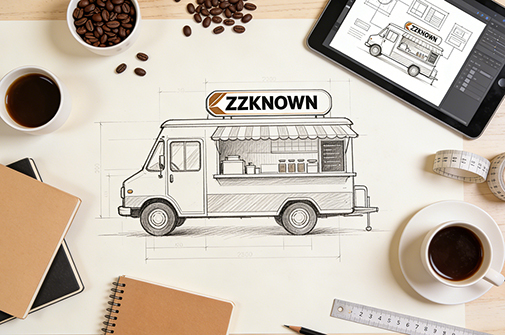
2D/3D layout confirmation
Clear compliance discussions before production
Ask yourself these 5 questions:
Will I move locations daily?
Do I already own a towing vehicle?
What permits are easiest in my city?
How much capital can I risk upfront?
Is this my first coffee business?
First business / events / fixed spots → Coffee Trailer
Route-based / catering-heavy / branding focus → Coffee Truck
Yes—if it's CE certified and meets local food safety regulations.
Absolutely. With proper power setup (external or generator), it's standard.
Trailers generally resell faster due to lower price and fewer regulations.
Yes. At ZZKNOWN, size, layout, color, logo, and equipment are fully customizable.
Typically 30–60 working days after design confirmation.
The coffee truck vs coffee trailer decision isn't about which looks cooler on Instagram.
It's about:
Compliance
Cash flow
Daily operations
Long-term sustainability
If you're honest about how you'll actually operate, the right choice becomes obvious.
And if you're still unsure? That's normal. Most successful operators were unsure too—until they asked the right questions.