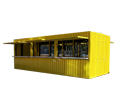
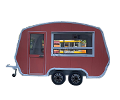
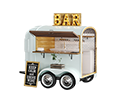
If you're starting a mobile coffee business, you've probably Googled:
coffee trailer equipment list
what equipment do I need for a coffee trailer
how much equipment is really necessary
And what you found was likely overwhelming.
Long lists. Conflicting advice. Forums arguing over brands.
Very little context about what actually matters for a startup.
Here's the honest truth:
You don’t need “everything.”
You need the right equipment, in the right layout, with the right level of customization.
This guide is written the way we explain things to real buyers at ZZKNOWN—step by step, no hype, no brand worship, and no unnecessary spending.
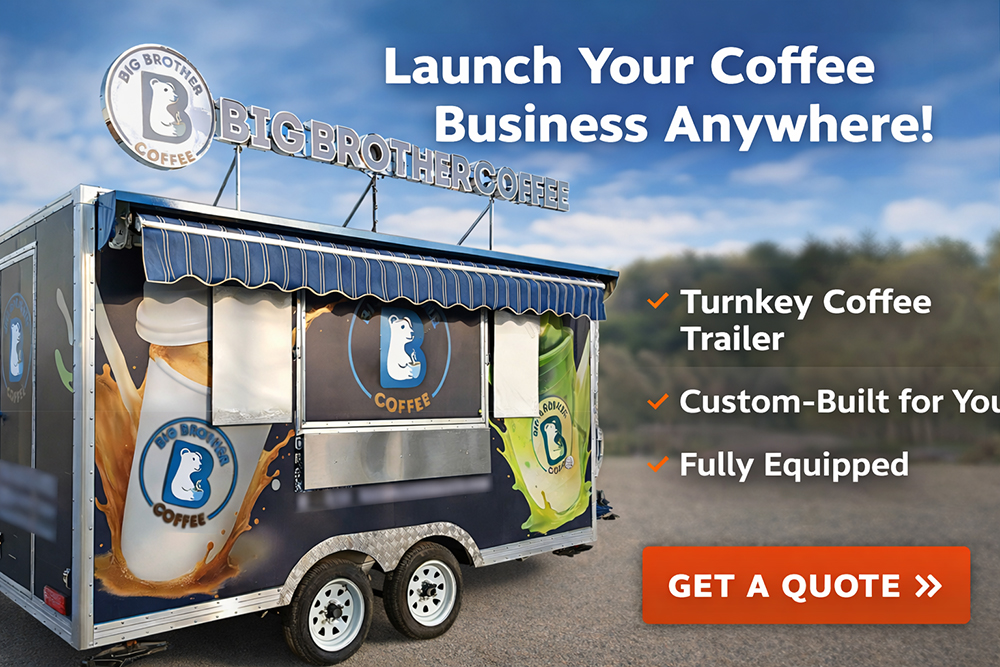
Before we list a single machine, let's define the goal.
A startup coffee trailer should:
Pass health inspection
Serve drinks fast and consistently
Support future growth
Avoid expensive rework later
If an equipment choice does not help at least one of these, it's optional—or unnecessary.
Every coffee trailer equipment list can be grouped into 5 core systems:
Coffee production equipment
Cold storage & ingredient handling
Water & plumbing system
Electrical & power system
Workflow, storage & support equipment
We'll go through each one and answer:
What is essential?
What is optional?
What should be customized?
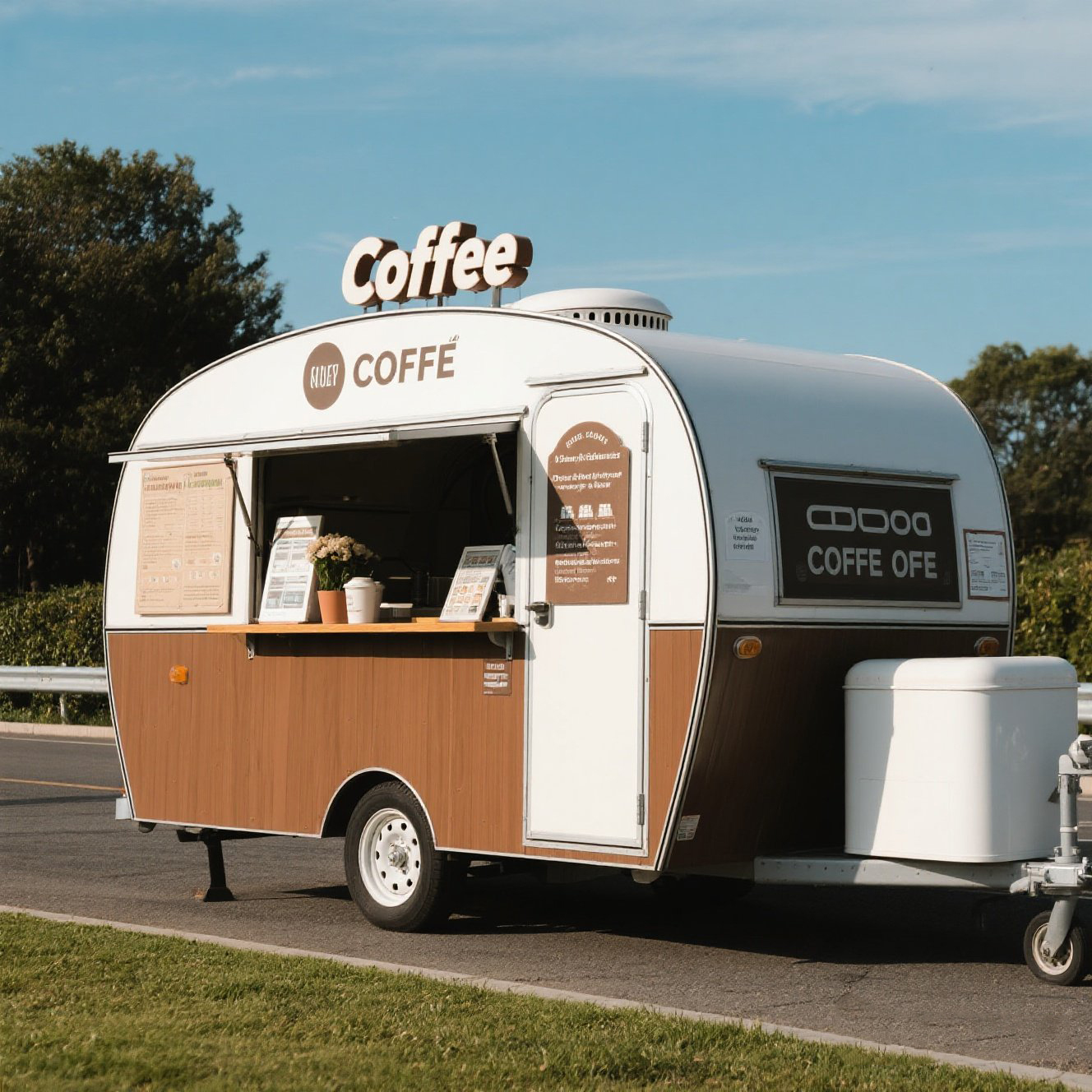
This is the heart of your business.
Essential? Yes
Typical Cost: $3,000 – $10,000+
| Option | Best For |
|---|---|
| 1-group | Solo operator, low volume |
| 2-group | Most startups (recommended) |
| 3-group | High-volume events |
ZZKNOWN Experience:
Most U.S. startups underestimate volume. A 2-group machine is the safest long-term choice.
Essential? Yes
Typical Cost: $800 – $2,500 each
1 grinder = possible, but risky
2 grinders = smoother workflow + backup
If your grinder goes down, your business stops.
| Equipment | Needed? | Why |
|---|---|---|
| Pour-over station | Optional | Adds premium appeal |
| Batch brewer | Optional | Faster service |
| Cold brew system | Optional | High-margin add-on |
Start simple. Add later.
Essential? Yes
Typical Cost: $1,200 – $3,000
| Type | Use Case |
|---|---|
| Undercounter fridge | Milk & daily use |
| Upright fridge | High volume |
| Dual-temp unit | Space saving |
Common mistake:
Buying a fridge too small → restocking slows service.
Essential? Depends
Typical Cost: $1,500 – $4,000
Options:
Built-in ice machine
External ice supply (commissary)
Many startups skip it at first—but regret it in summer.
This is where many trailers fail inspection.
| Item | Essential |
|---|---|
| Fresh water tank | Yes |
| Waste water tank | Yes |
| Water pump | Yes |
| Water heater | Yes |
| Filtration system | Strongly recommended |
Health Code Rule (Common):
Fresh water tank must be larger than waste tank.
Most U.S. health departments require:
✅ Dedicated handwash sink
✅ Utility / warewashing sink
❌ No shared sinks
Trying to “save space” here is the #1 inspection failure.
This system is invisible—but determines speed and reliability.
Electrical control panel
Breakers
Outlets
External power inlet (shore power)
Proper grounding
Typical Capacity:
30A–50A system for most coffee trailers
Even if you don't buy a generator immediately:
Design the trailer to support one
Include proper inlet and wiring
Retrofitting later costs more.
This is where customization matters most.
Essential? Yes
Prep table
Espresso work surface
Non-porous, easy to clean, inspector-approved.
| Storage | Why |
|---|---|
| Overhead cabinets | Cups & dry goods |
| Undercounter storage | Tools |
| Drawer systems | Speed |
Poor storage = slower service.
POS terminal
Receipt printer
Menu board (digital or static)
Exterior service window
These affect conversion, not just operation.
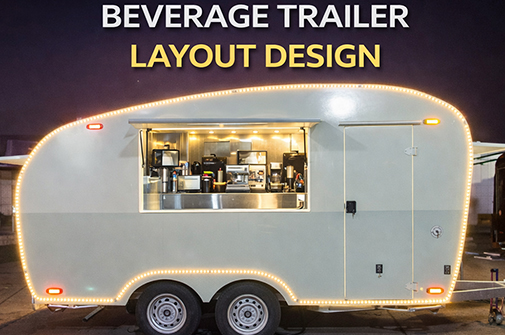
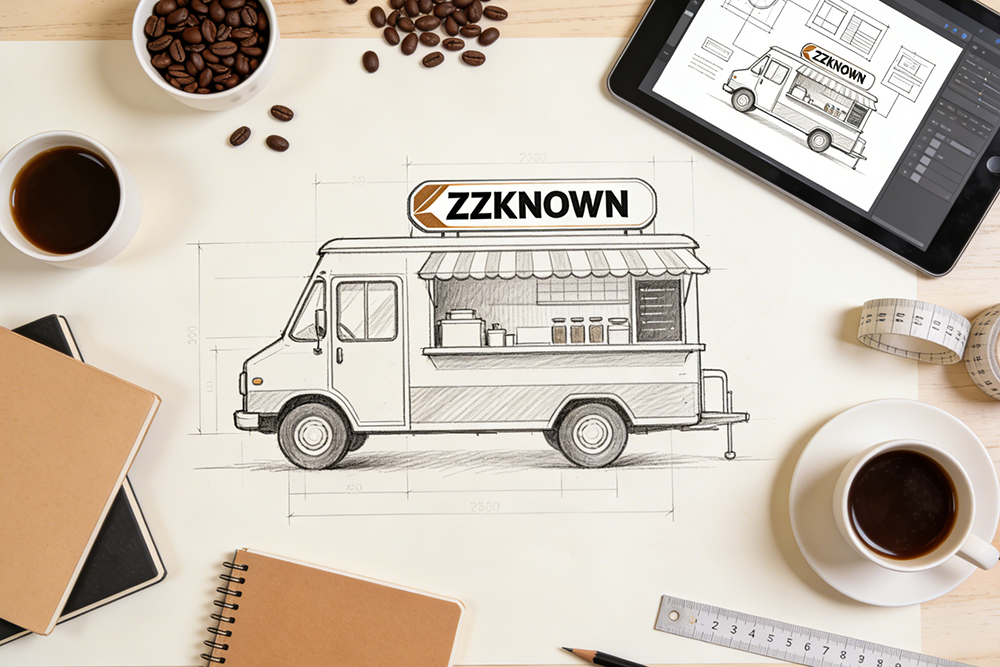
Here's where factory-level customization matters.
| Equipment Area | Reason |
|---|---|
| Sink layout | Local health codes |
| Electrical load | Equipment-specific |
| Worktop height | Barista comfort |
| Storage placement | Workflow speed |
Standard layouts rarely fit real operations.
Avoid:
Decorative lighting inside prep zone
Oversized menus
Rarely used machines
Overly complex plumbing
Customization should reduce friction, not add it.
Location: California
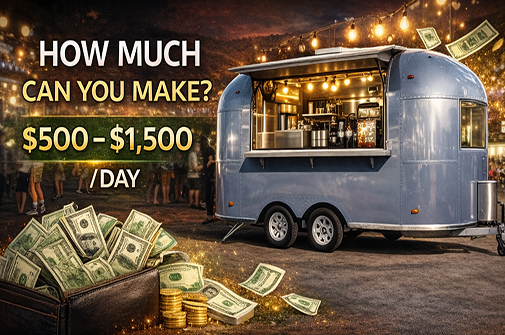
Trailer: 12-ft coffee trailer by ZZKNOWN
Equipment Strategy:
2-group espresso machine
Dual grinders
Undercounter fridge
No ice machine initially
Result:
Passed inspection first try
$900–$1,200 daily revenue
Added ice machine after 4 months
Smart sequencing saved money and enabled growth.
Spending:
$3,000 more on workflow
$2,000 more on power
$1,000 more on sinks
Can:
Increase drinks/hour by 30–50%
Shorten break-even by months
Equipment is not a cost—it's leverage.
Espresso machine (2-group recommended)
Coffee grinders (2)
Refrigerator
Handwash sink
Utility sink
Water tanks + heater
Electrical system
Stainless steel work surfaces
Ice machine
Cold brew system
Batch brewer
Generator
At ZZKNOWN, we don't sell “packages.”
We:
Review your menu
Analyze service speed
Design equipment placement
Customize layout for compliance
Build upgrade-ready trailers
Our goal is not to sell you more equipment—but to help you use equipment profitably.
Yes—but don't compromise on sinks, power, or layout.
No. Faster service means more profit.
Yes—if the trailer is designed for it.
Sometimes—but reliability matters more than savings.
Yes. That's part of our service.
Most failed coffee trailers didn't fail because of bad coffee.
They failed because:
Service was too slow
Equipment didn't match demand
Layout wasn't planned
Upgrades were impossible
A smart equipment list isn't about having more—it's about having the right things in the right places.
If you want help building a coffee trailer that works in real life—not just on paper—ZZKNOWN can help you design, customize, and build it the right way from the start.