Food Trailer GFCI Protection: Safer Electrical Outlets for Mobile Kitchens
A practical guide to GFCI protection, wet-zone outlets, shore power, wiring enclosures and electrical documentation for food trailers.
Does a food trailer need GFCI outlets? The exact requirement depends on the operating jurisdiction and the electrical system submitted for approval. As a concrete example, Austin Fire’s mobile food vending checklist calls for GFCI protection at all outlets on units it inspects. Buyers should identify every receptacle, sink, appliance circuit and external power connection before fabrication, then have a qualified electrician confirm the protection required at the destination.
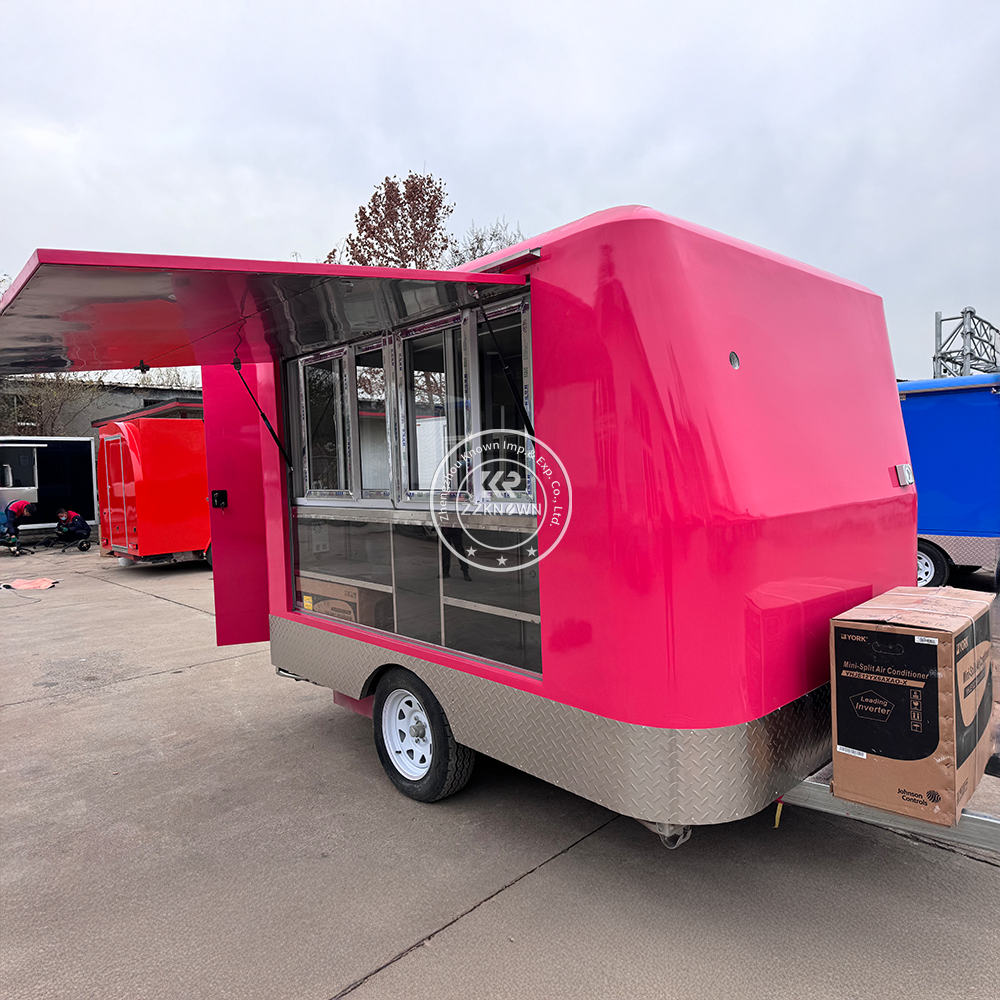
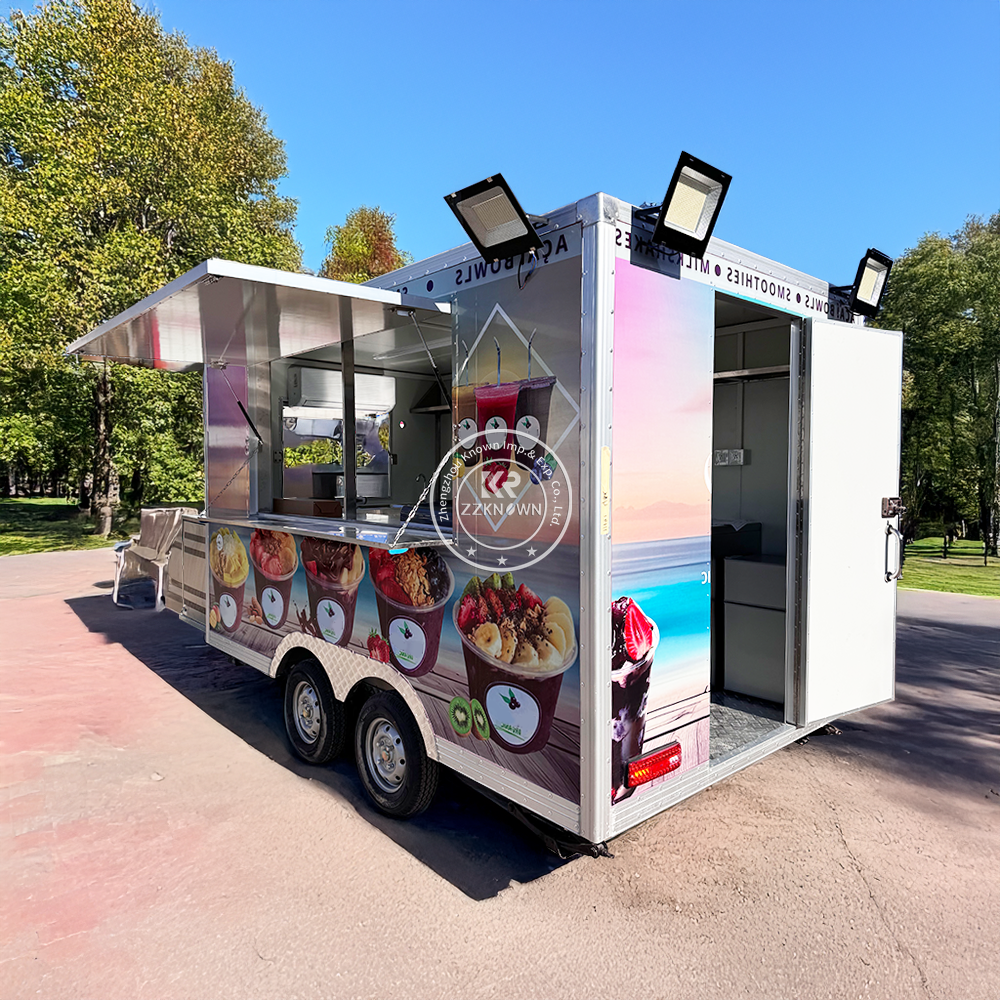
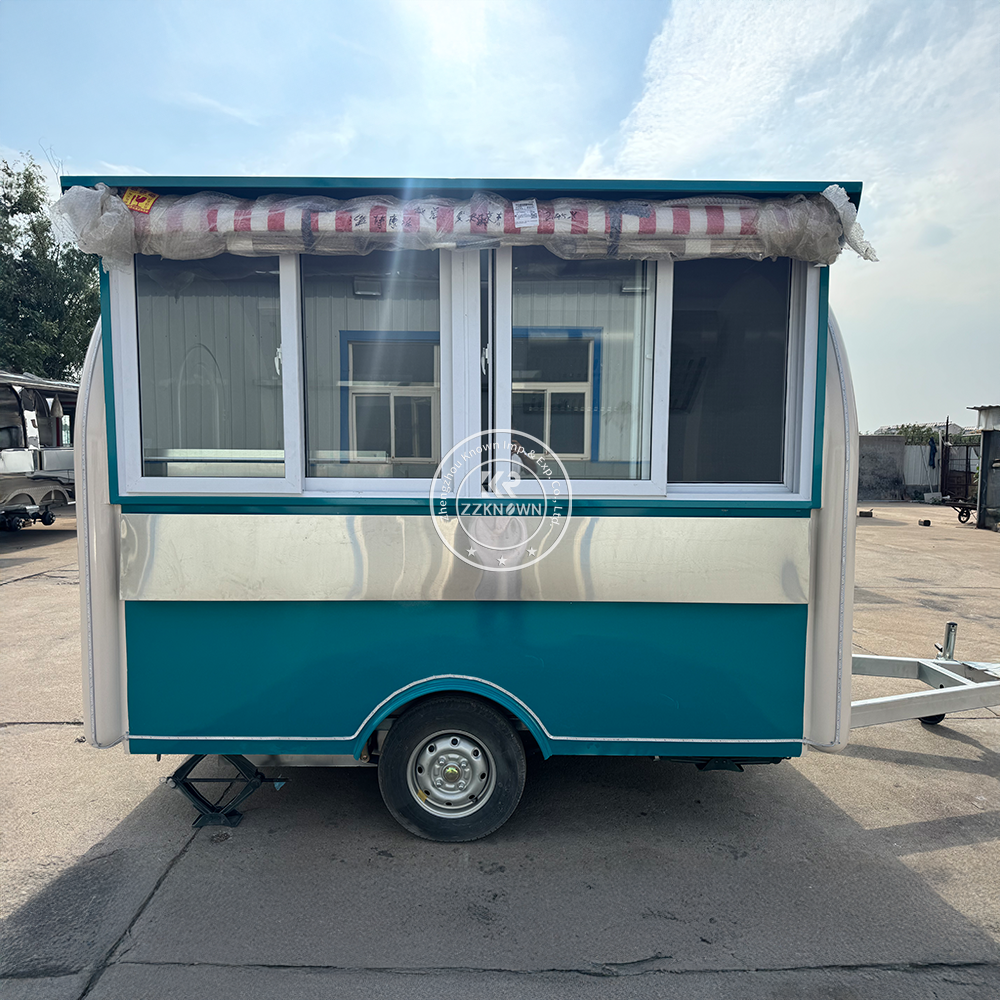
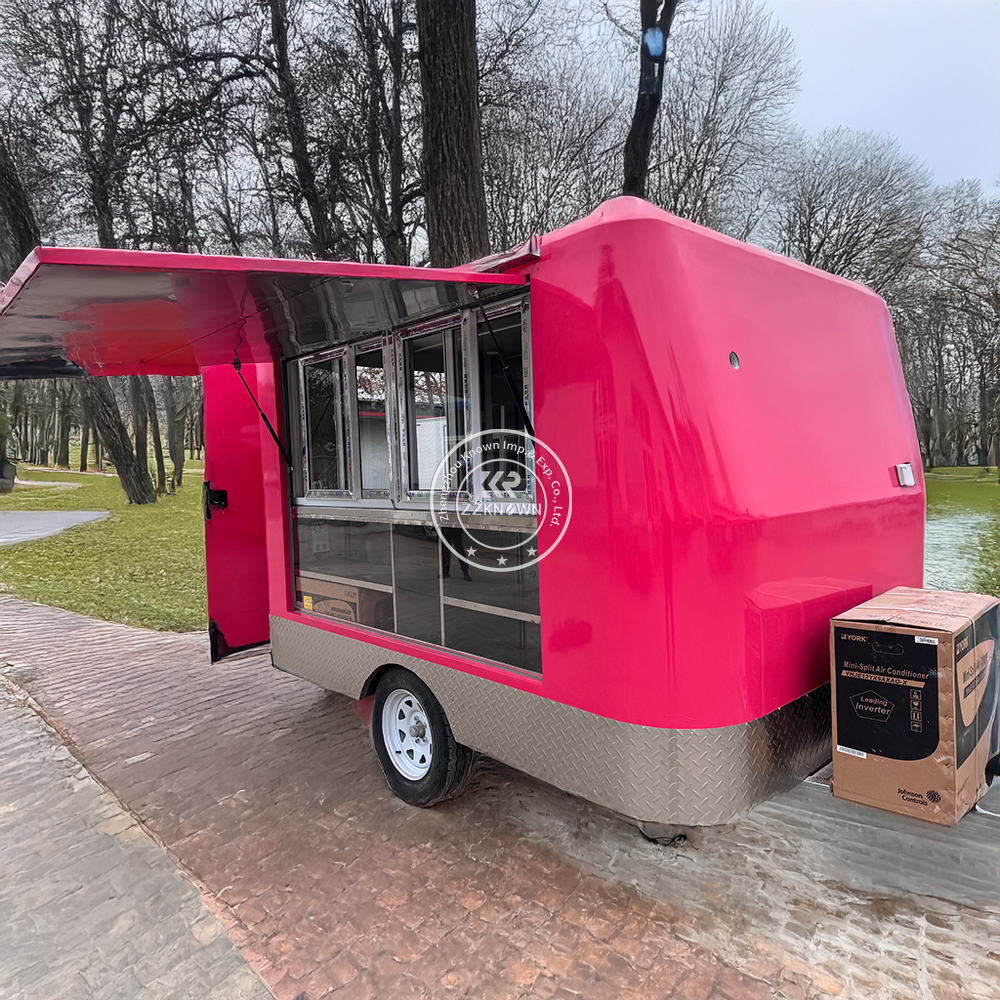
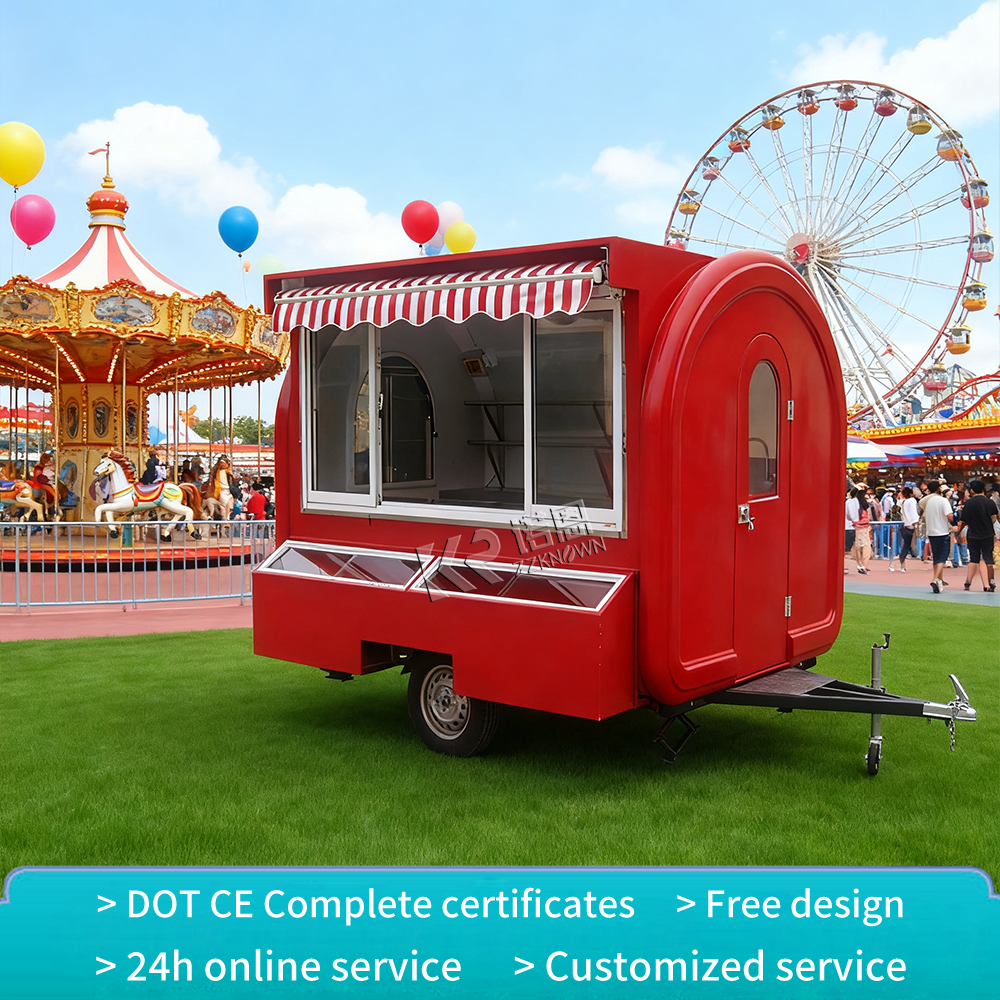
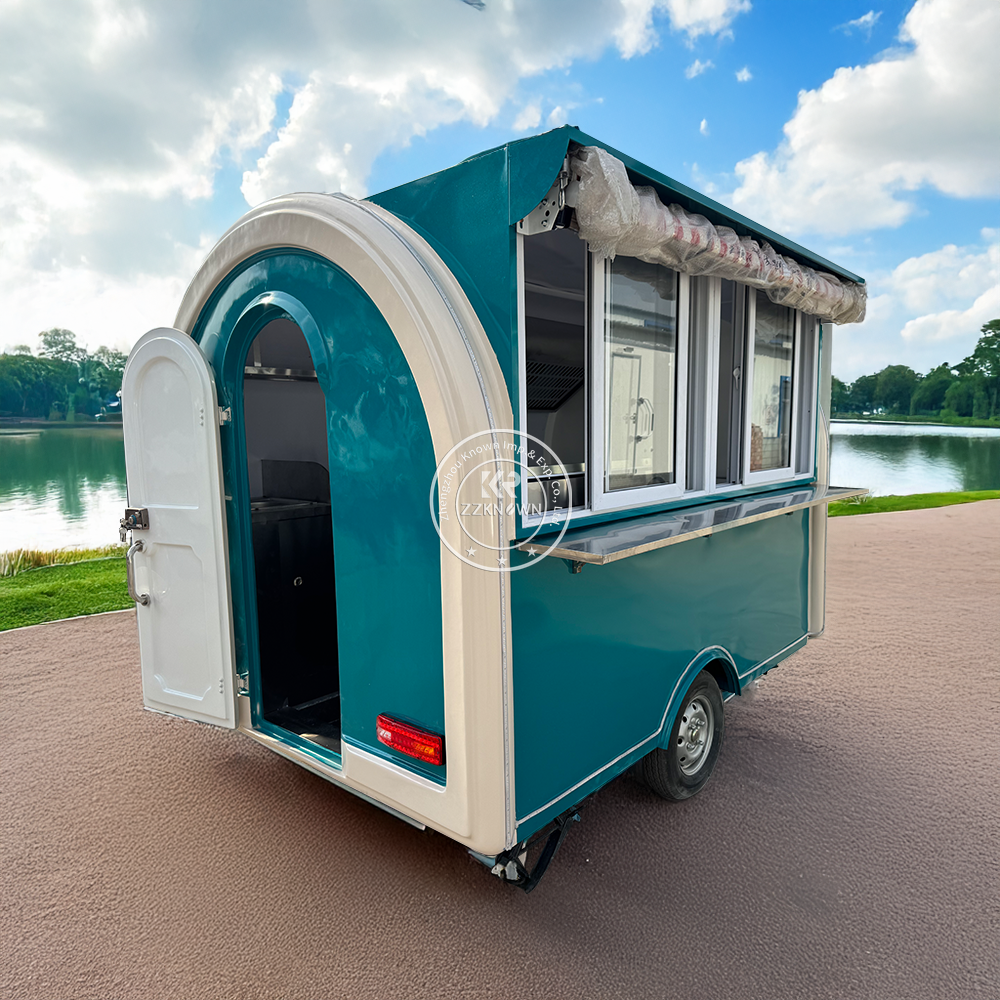
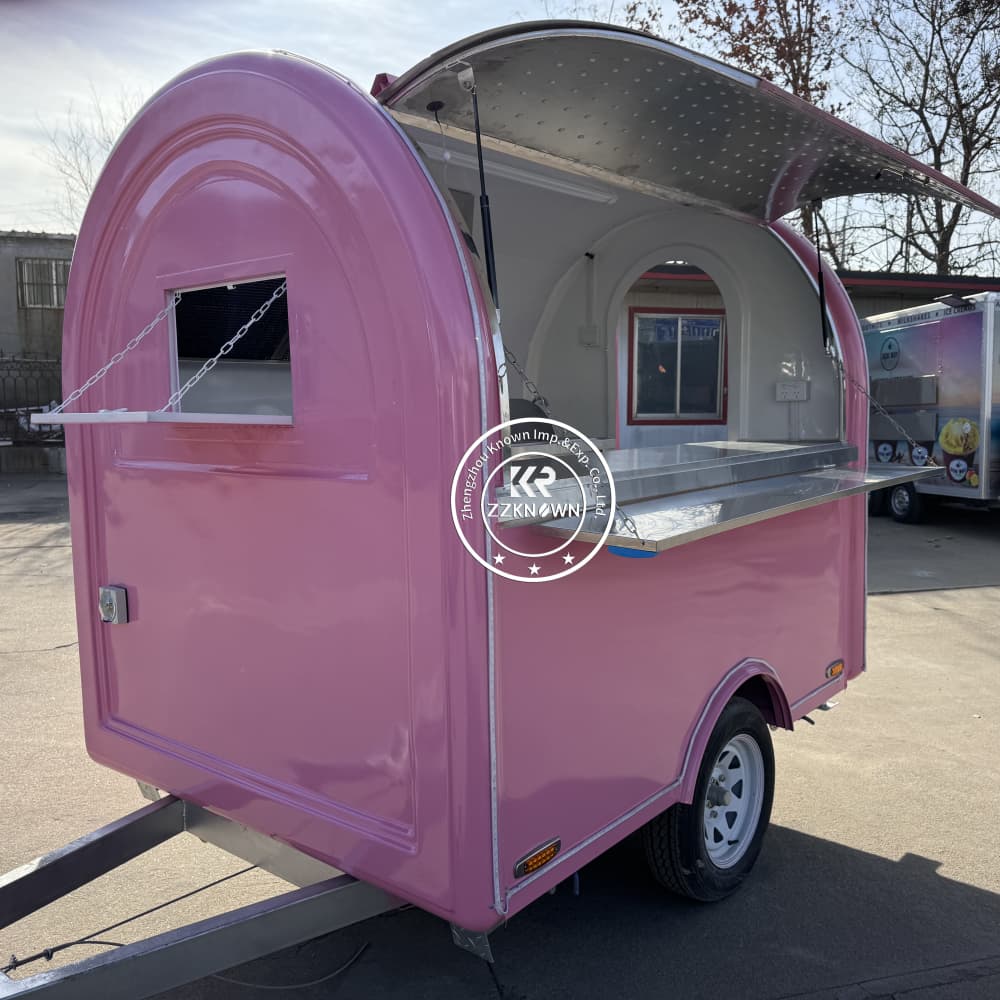
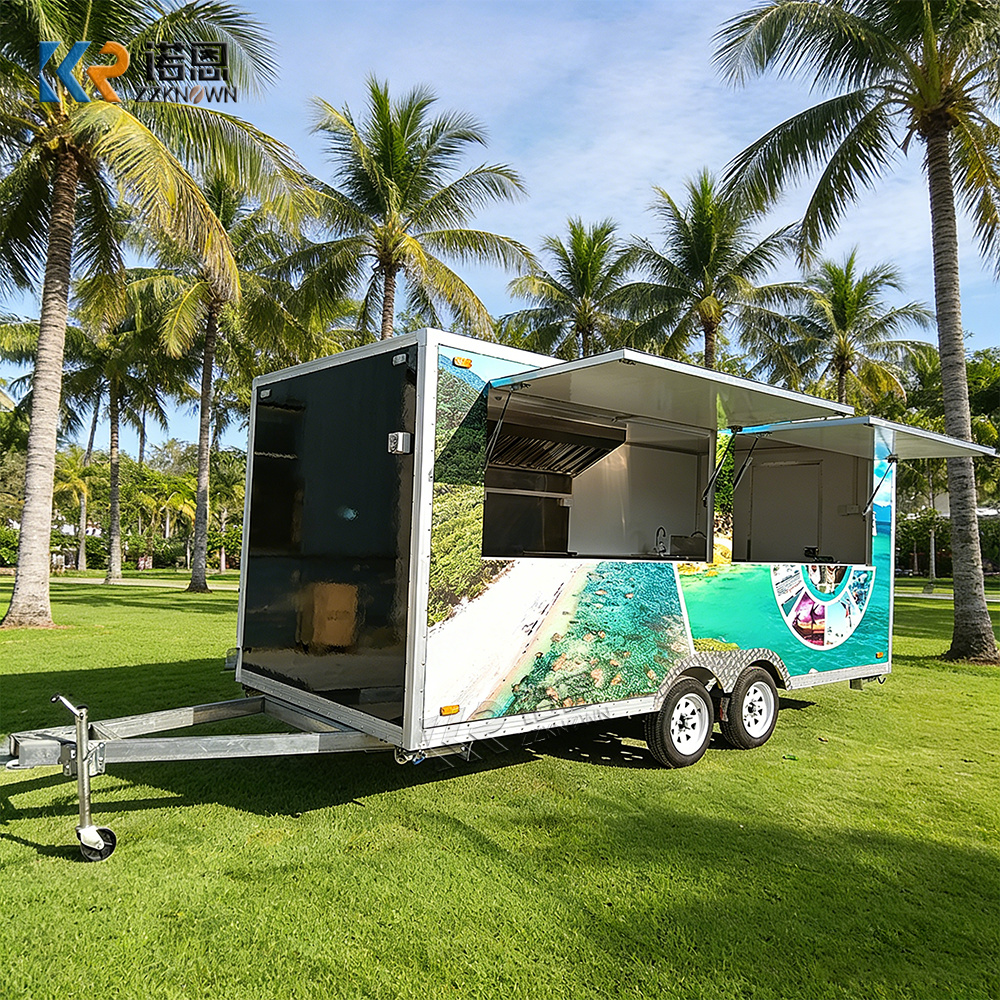
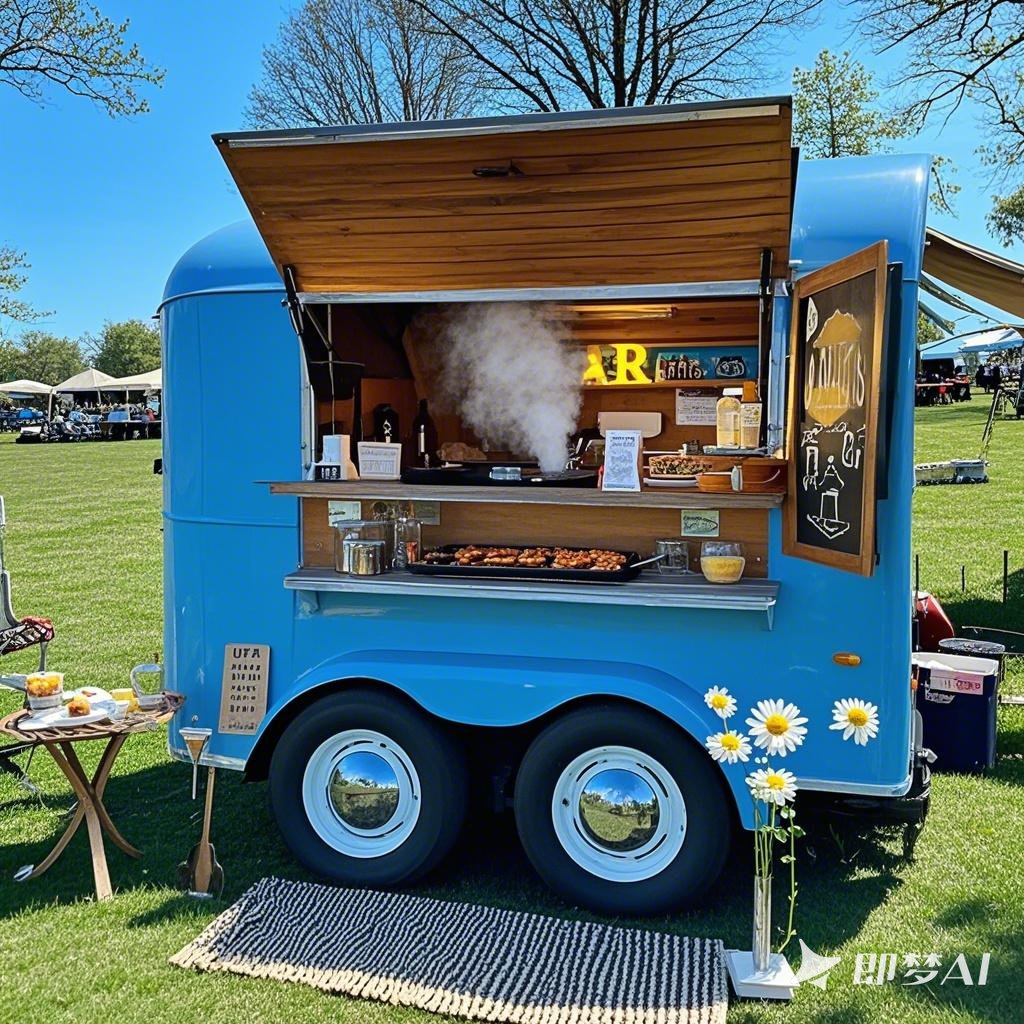
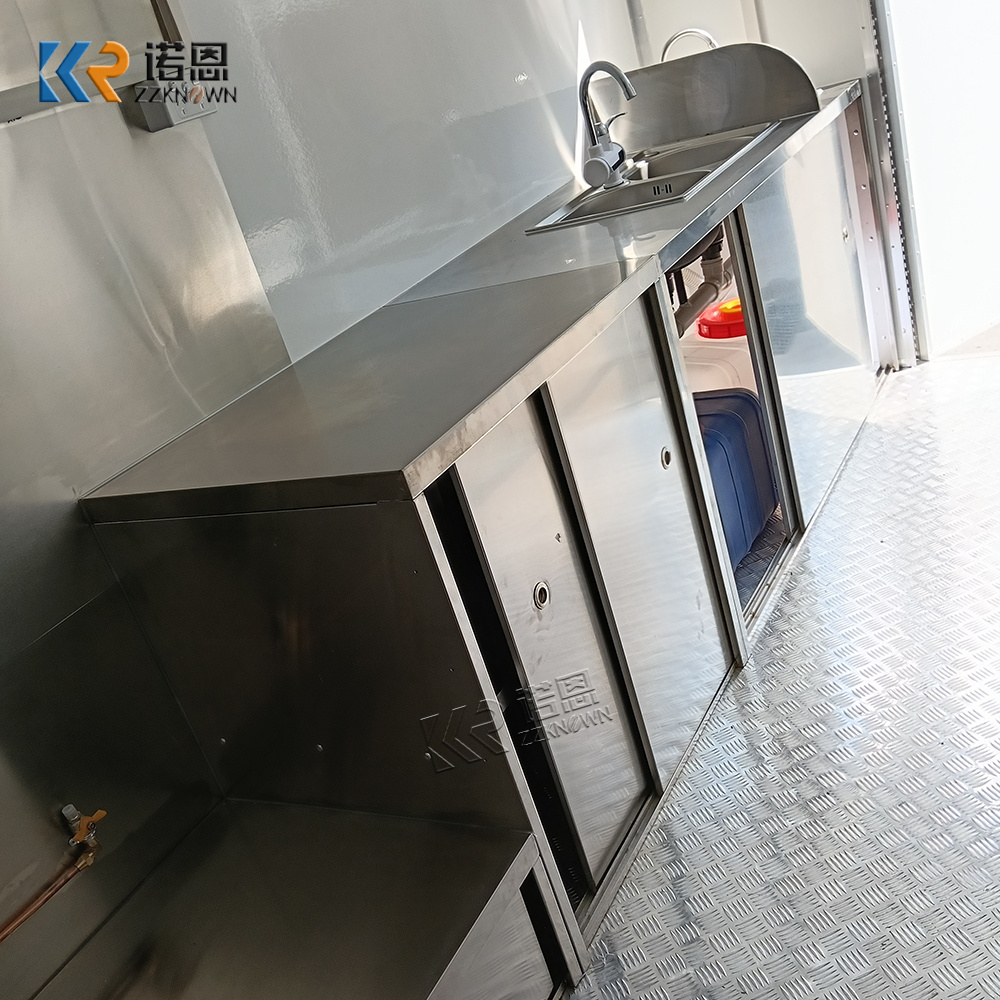
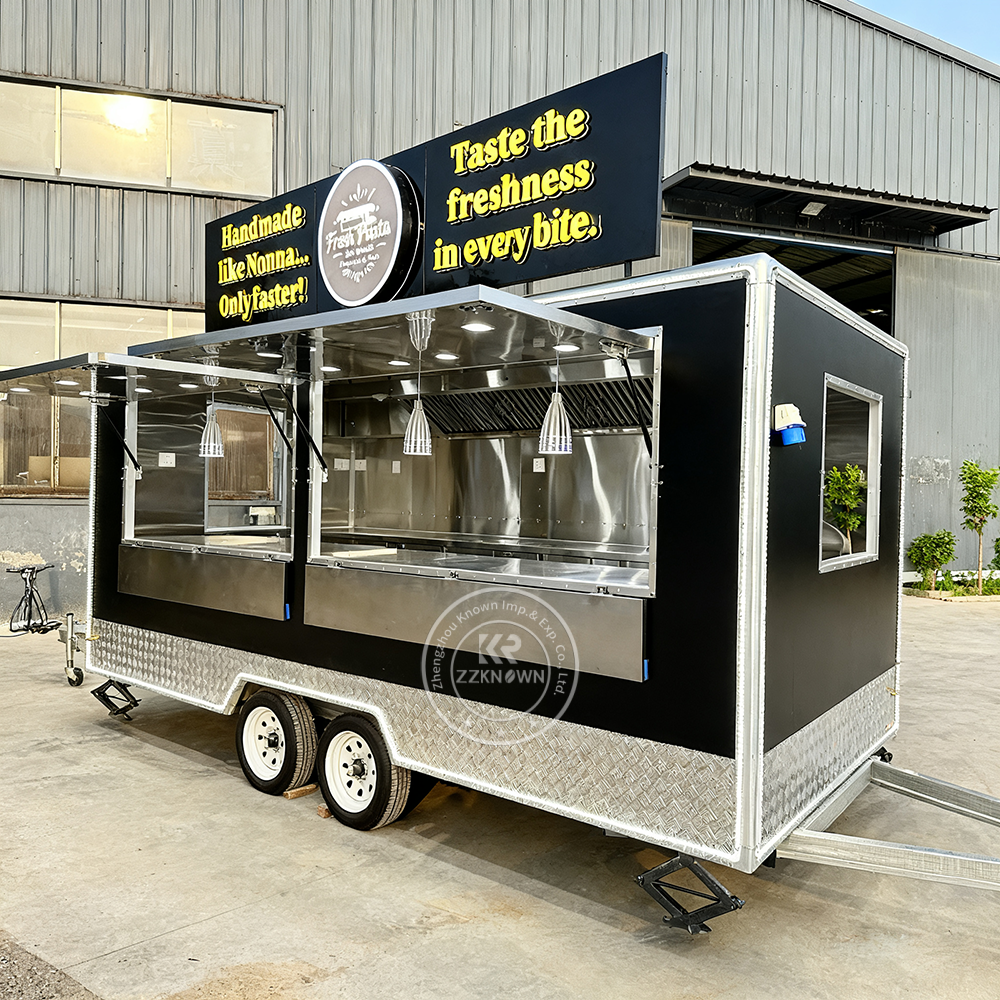
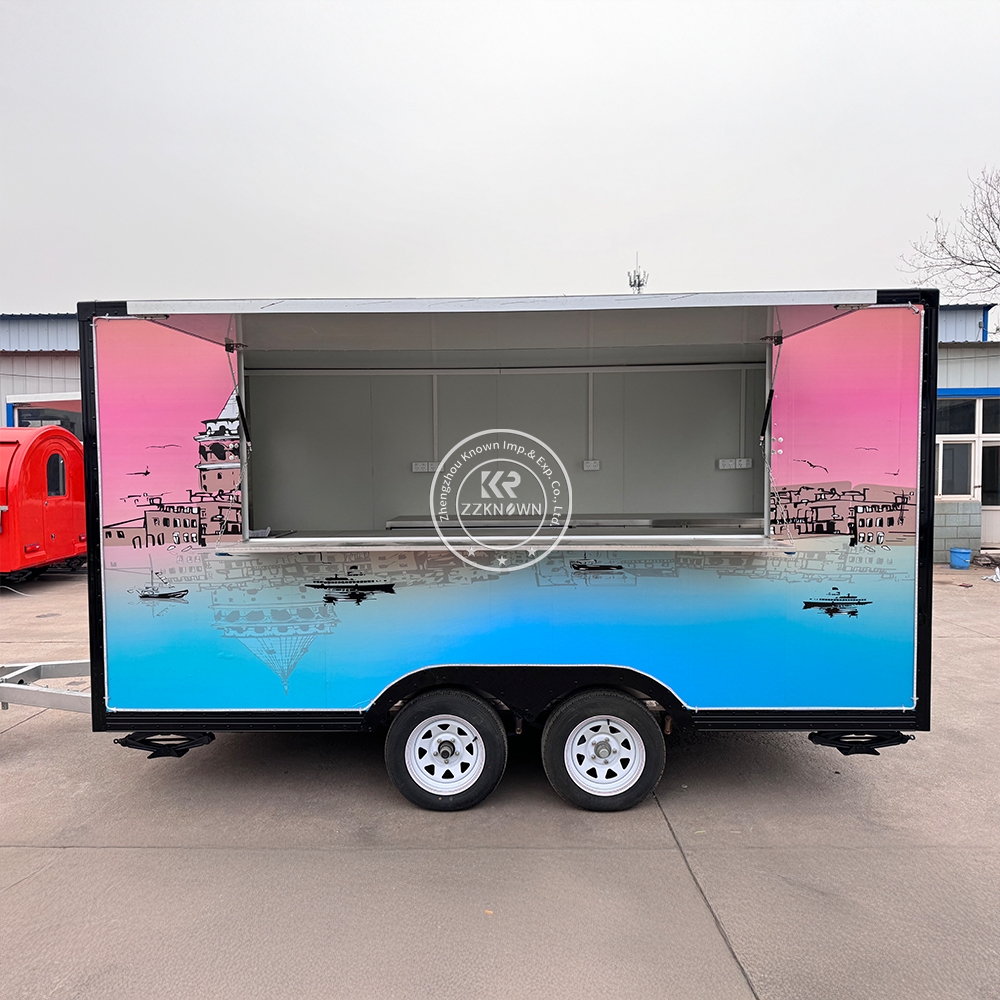
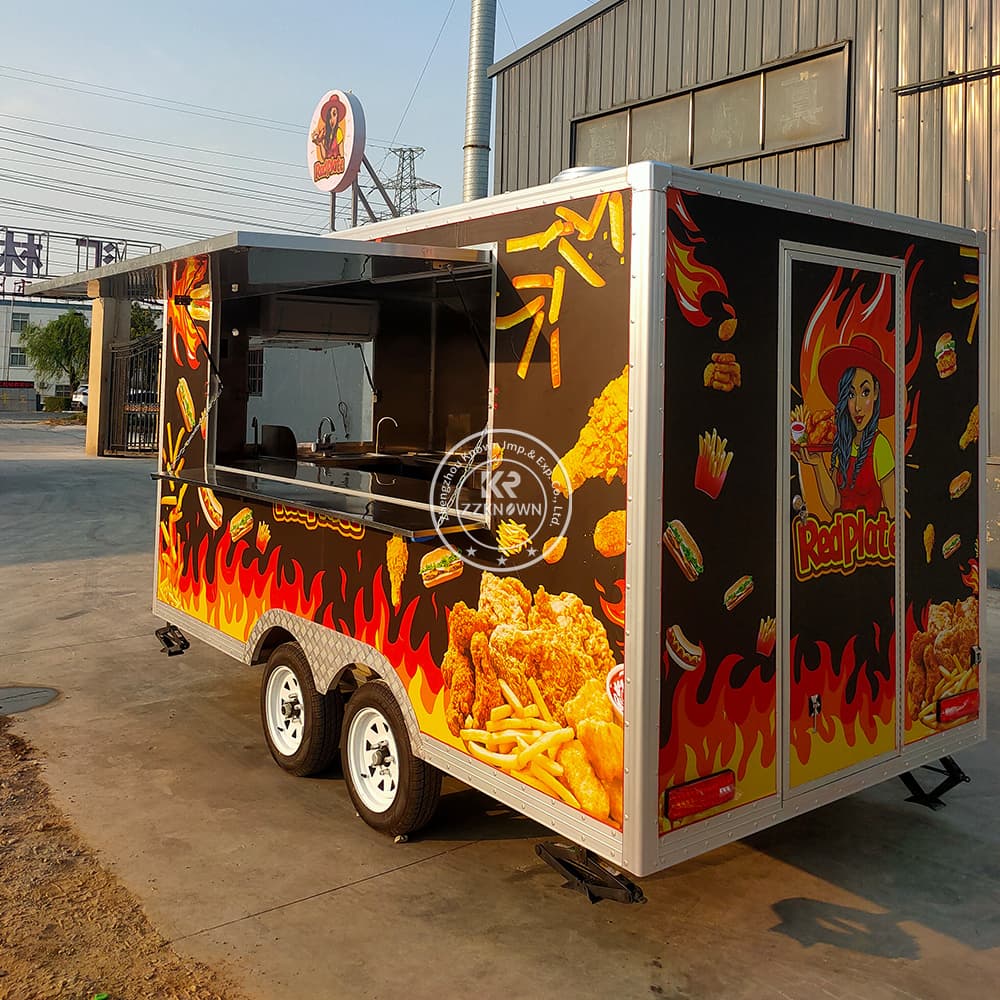
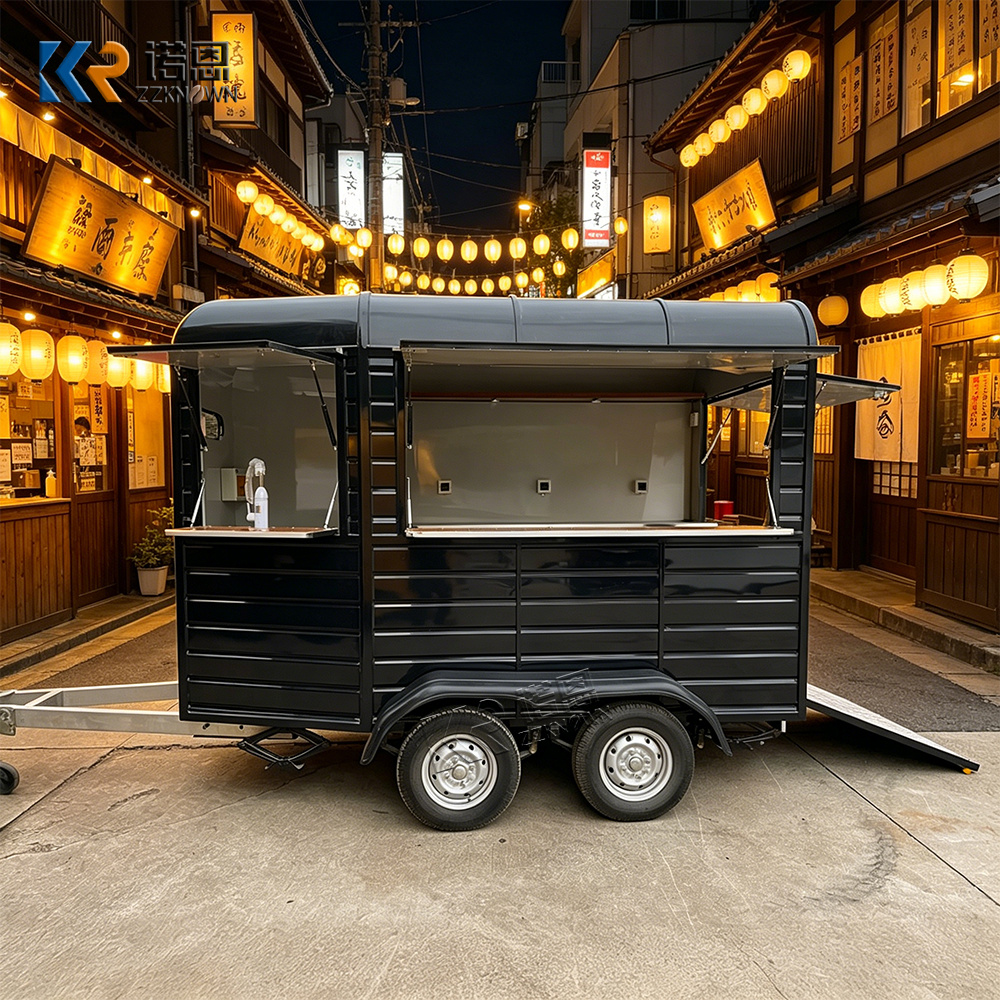
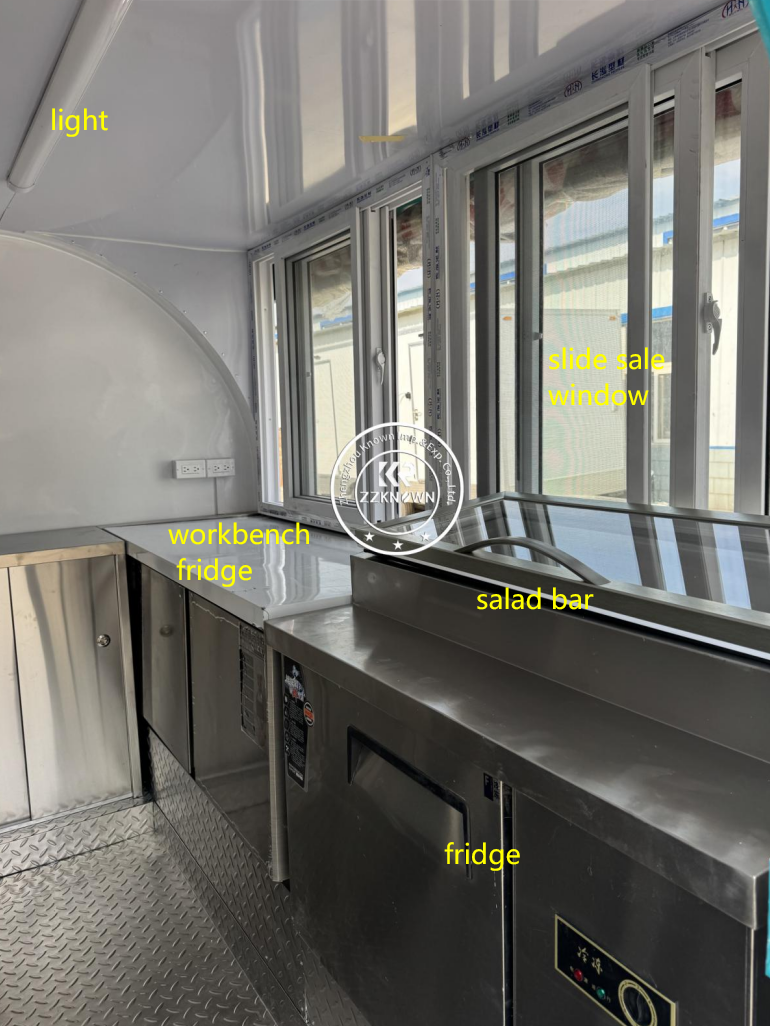
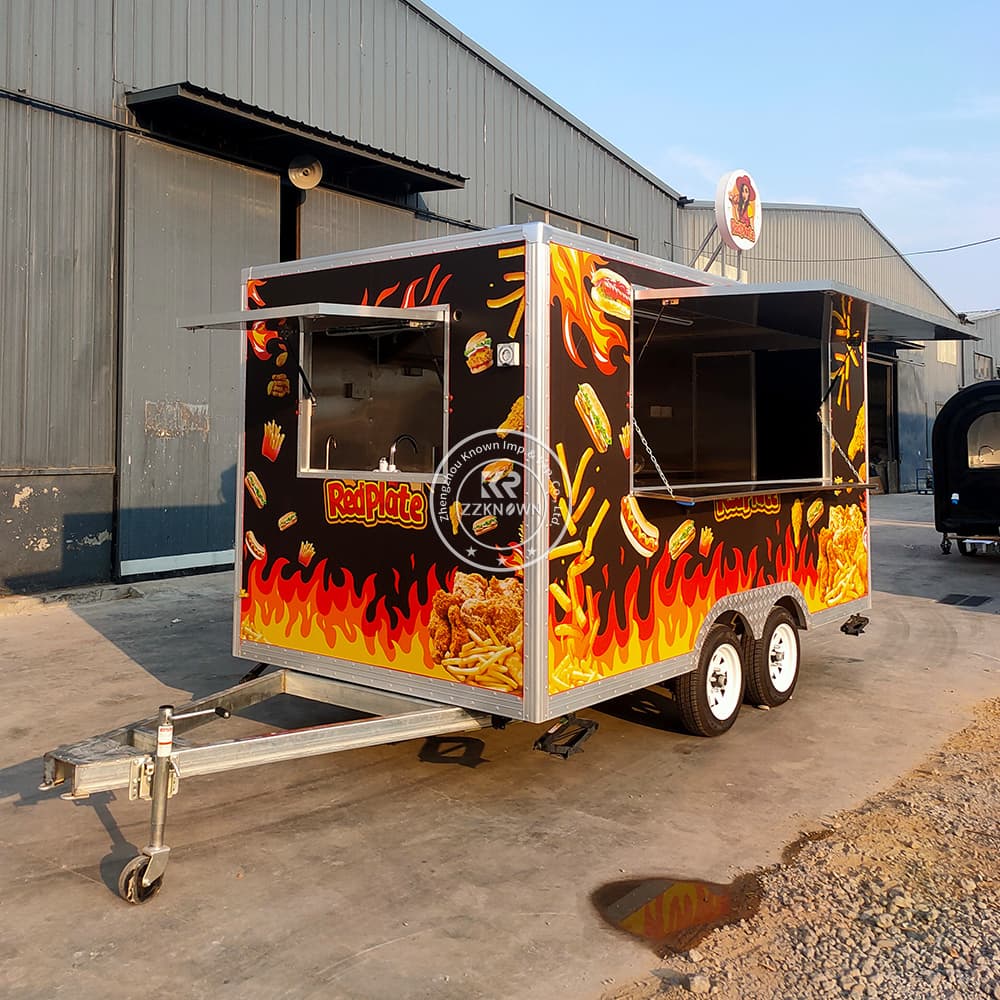
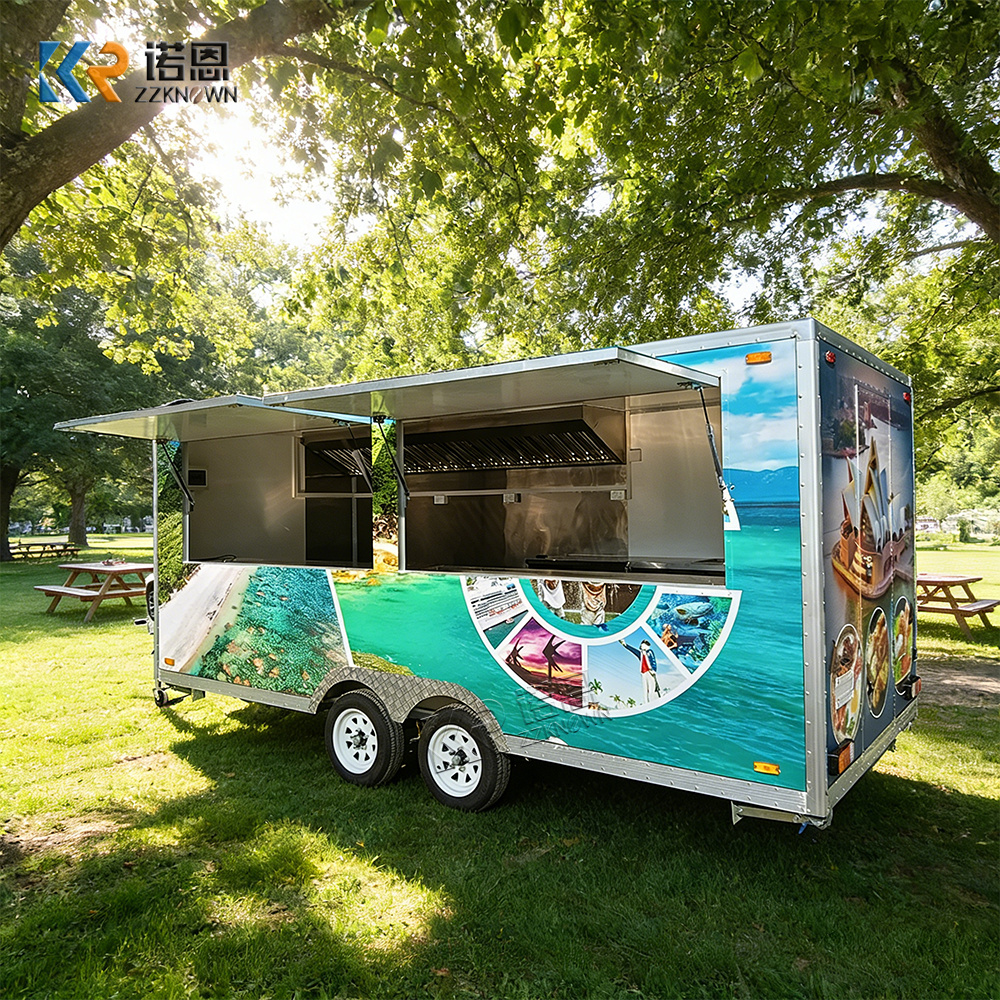
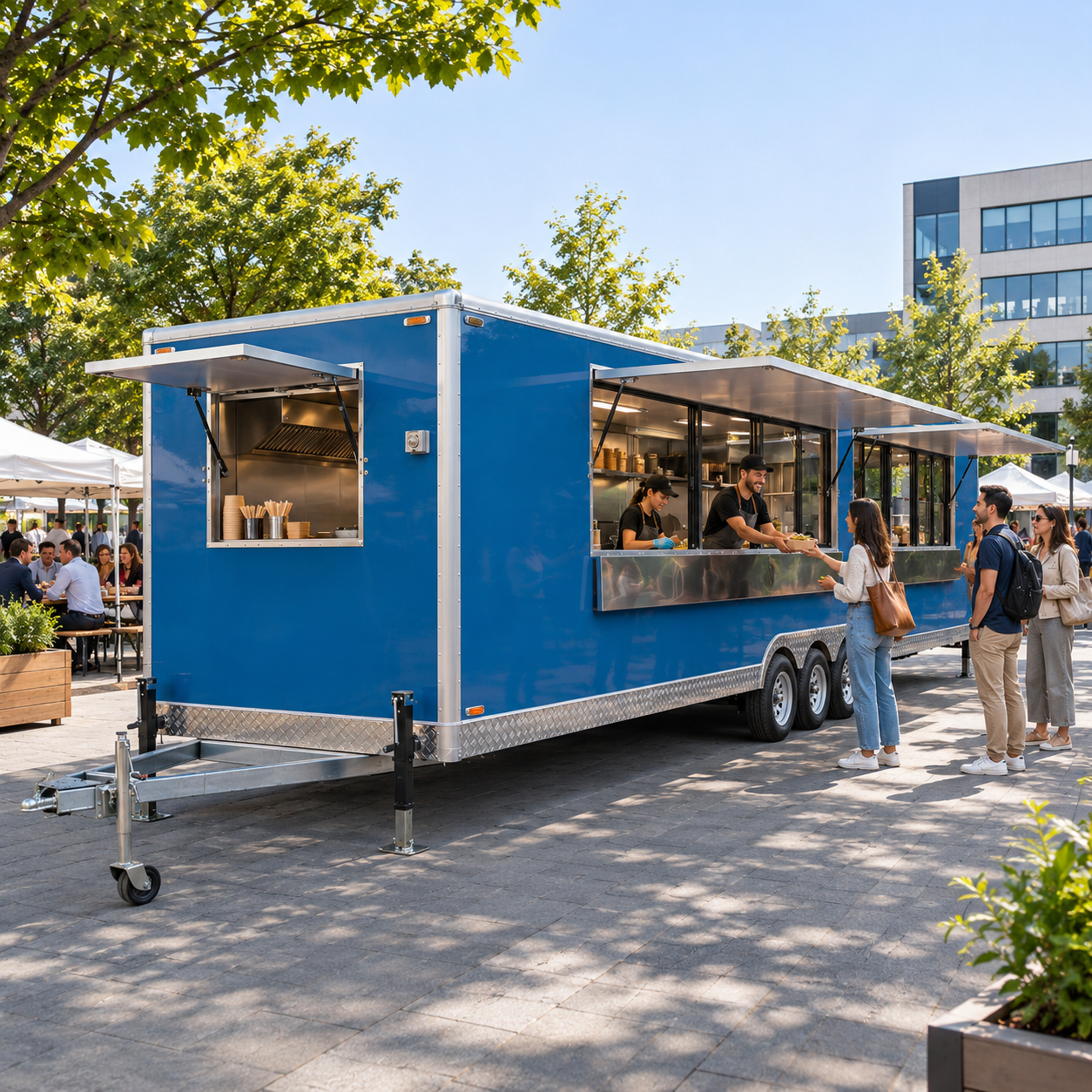
The square images in this guide are concept-enhanced use scenes based on supplied photos of a blue trailer. They do not document the pictured trailer’s wiring, installed GFCI devices or inspection status.
What is GFCI protection?
A ground-fault circuit interrupter monitors the current going out on a circuit and returning on its normal path. If it detects a small imbalance associated with current taking an unintended path, it quickly interrupts power. OSHA’s electrical training material explains that a GFCI is different from an ordinary fuse or overcurrent circuit breaker. A breaker addresses overloads and short circuits; GFCI protection is intended to reduce shock risk from ground faults. One does not replace the other.
Protection may be provided at a receptacle or at a suitable breaker upstream, depending on the design and applicable rules. A standard-looking outlet may therefore be protected, while the presence of a TEST button alone does not prove that downstream wiring is correct. Ask the electrician to identify which device protects each outlet and to verify it during commissioning.
Why mobile kitchens deserve an electrical plan
Food trailers combine wet cleaning, sinks, refrigerated equipment, metal work surfaces and frequent changes in power source. A worker may handle a cord-connected appliance while standing near damp surfaces. The trailer also moves between sites, so cords, connectors and enclosures need protection from wear and damage. GFCI is one part of a system that also includes grounding, suitable wiring and enclosures, circuit sizing, and inspection by the required professional.
Start with water and the sink area
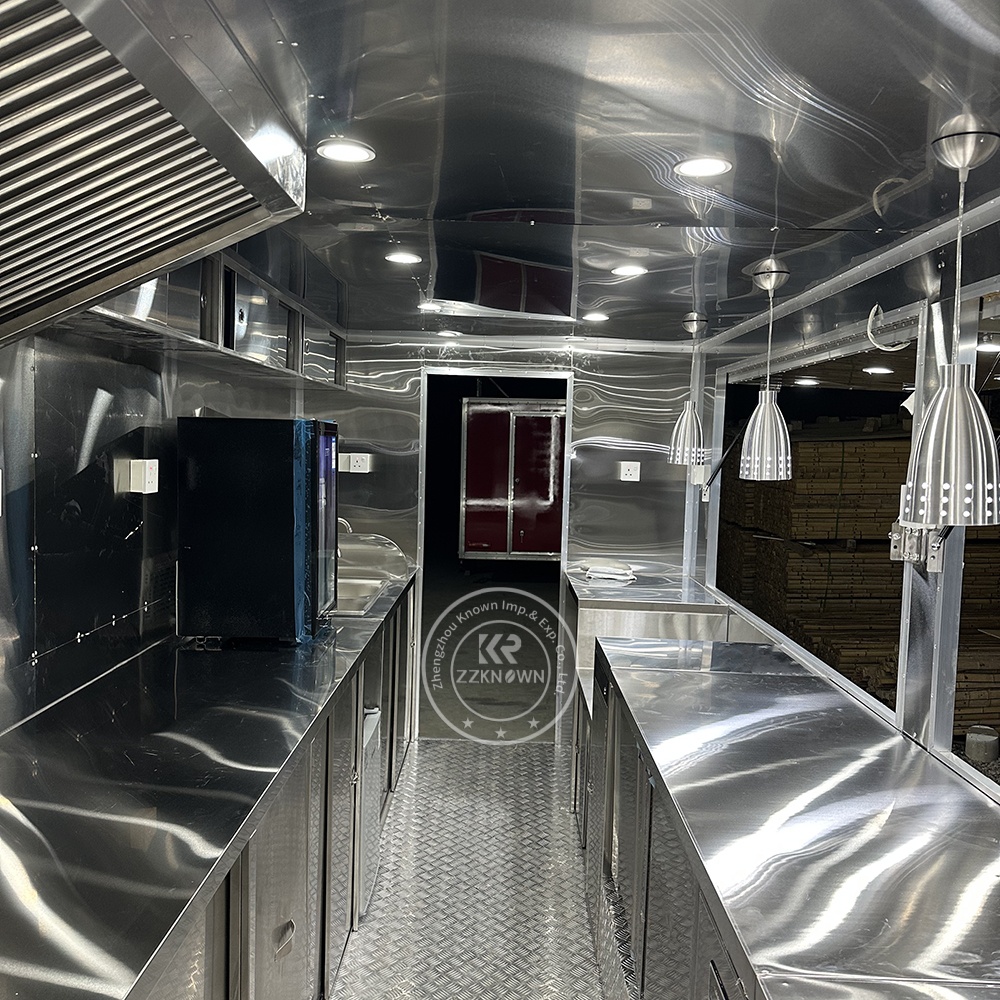
Mark the handwashing, warewashing and food-preparation sinks on the layout, then mark every outlet and cord-connected appliance nearby. Discuss splash exposure, cleaning methods, mounting position and suitable covers or enclosures with the electrician. Do not copy a universal “safe distance” from an unrelated kitchen or place a socket solely because it looks convenient in a rendering. The applicable code, equipment instructions and local inspector determine the final arrangement.

Check refrigeration and dedicated appliance circuits
List refrigerators, freezers, water heaters, pumps, coffee machines, griddles, fryers, hood fans and air conditioning with their nameplate ratings. The electrician can then assign circuits, breaker ratings and any dedicated connections. Confirm which receptacles or circuits need GFCI protection under the destination’s rules. If a refrigerator circuit trips repeatedly, do not defeat the protection to keep food cold; remove the cause of the fault and have a qualified person diagnose it. Plan for safe food-temperature management during a power interruption.
Exterior outlets and shore power
An exterior connection may be exposed to rain, cleaning water, foot traffic and repeated plugging. Specify the shore-power inlet, plug, cable, supply voltage, frequency, phase and expected amperage before production. Ask the electrician how the inlet, grounding, protective devices, enclosures and exterior receptacles are intended to work together. A trailer built for one power standard should not be assumed suitable for another market merely by changing an adapter.
Breaker panel, conduit and junction boxes
Keep the electrical panel accessible for authorized service and provide a circuit schedule that identifies the loads it controls. Ask for properly fitted covers on the panel and junction boxes, suitable protection for wiring, and a drawing that shows the route. Austin’s local checklist expressly says breaker and junction boxes must have proper covers and all wiring must be in conduit. Those are Austin inspection requirements; confirm the exact installation standard for your own location.
Do not make extension cords the wiring plan
A cord across a food-preparation aisle can be damaged, create a trip hazard and conceal an undersized circuit. Austin prohibits extension cords as permanent wiring and improper use of electrical accessories or circuit overloading. Put frequently used appliances on planned outlets and properly sized circuits instead. If a temporary cord is allowed for an event, follow the event rules, cord rating and manufacturer’s instructions, and keep it away from wet or hot work areas.
How should operators test a GFCI?
Train staff to locate the relevant GFCI devices and follow the device manufacturer’s TEST and RESET instructions. OSHA’s guidance recommends monthly testing for permanently wired GFCIs and testing portable types before each use. Electrical Safety Foundation International also describes checking that power switches off on TEST and returns on RESET. If a device will not trip, will not reset or trips repeatedly, stop using the affected circuit and call a qualified electrician. Avoid opening the panel or altering wiring as an operator test.
Pre-trip and opening checks
- Look for visibly damaged cords, plugs, outlet covers and the shore-power connection.
- Make sure wet cleaning has not left water around electrical equipment and that panel and box covers are in place.
- Use the actual planned power source to check normal startup of refrigeration, ventilation, lighting and other loads.
- Record unexpected trips or warm equipment and arrange professional diagnosis before returning the affected circuit to service.
- Keep the current circuit map, equipment list and inspection documents with the trailer.
What electrical documents should a buyer request?
Before production, ask for an outlet and equipment layout, load schedule, panel and circuit schedule, wiring or one-line diagram, shore-power specification, and the proposed GFCI protection locations. At handover, request the actual component list, test records if tests were performed, and any local electrician’s report or approval required for the operating location. A drawing is a planning aid; it is not evidence that the finished wiring passed inspection.
For example, Austin says a mobile food vendor obtaining a new permit must have a one-time electrical inspection by a master electrician using the Austin Fire form. Austin’s renewal guidance distinguishes that initial form from later renewals. These requirements should be checked against the current local application and are not a blanket rule for every U.S. city.
Frequently asked questions
Is a GFCI outlet the same as a circuit breaker?
No. They address different faults. A qualified electrician designs both the circuit protection and the required ground-fault protection for the appliances and location.
Does every food trailer outlet have to show TEST and RESET buttons?
Not necessarily. An upstream GFCI device may protect an ordinary-looking receptacle. The electrician should document and test the actual protection arrangement. Austin requires GFCI protection for all outlets in its mobile food vending checklist.
Can a factory electrical layout guarantee local approval?
No. The destination’s adopted code, utility supply, appliance list and local inspection process control approval. Submit the proposed design early and have the finished installation checked by the required qualified professional.
Request an electrical layout before production
Send us your destination, menu, appliance models and available power source so the trailer layout can be reviewed before production. We can discuss the outlet map, dedicated circuits, panel space and shore-power specification for your project; a local electrician and authority must confirm the final compliant installation. For related planning, see our food truck plan-review guide and pre-opening operational test guide.
Updated November 2026. Sources: Austin Fire mobile food vending inspections; OSHA electrical training material; ESFI GFCI use and testing guidance.