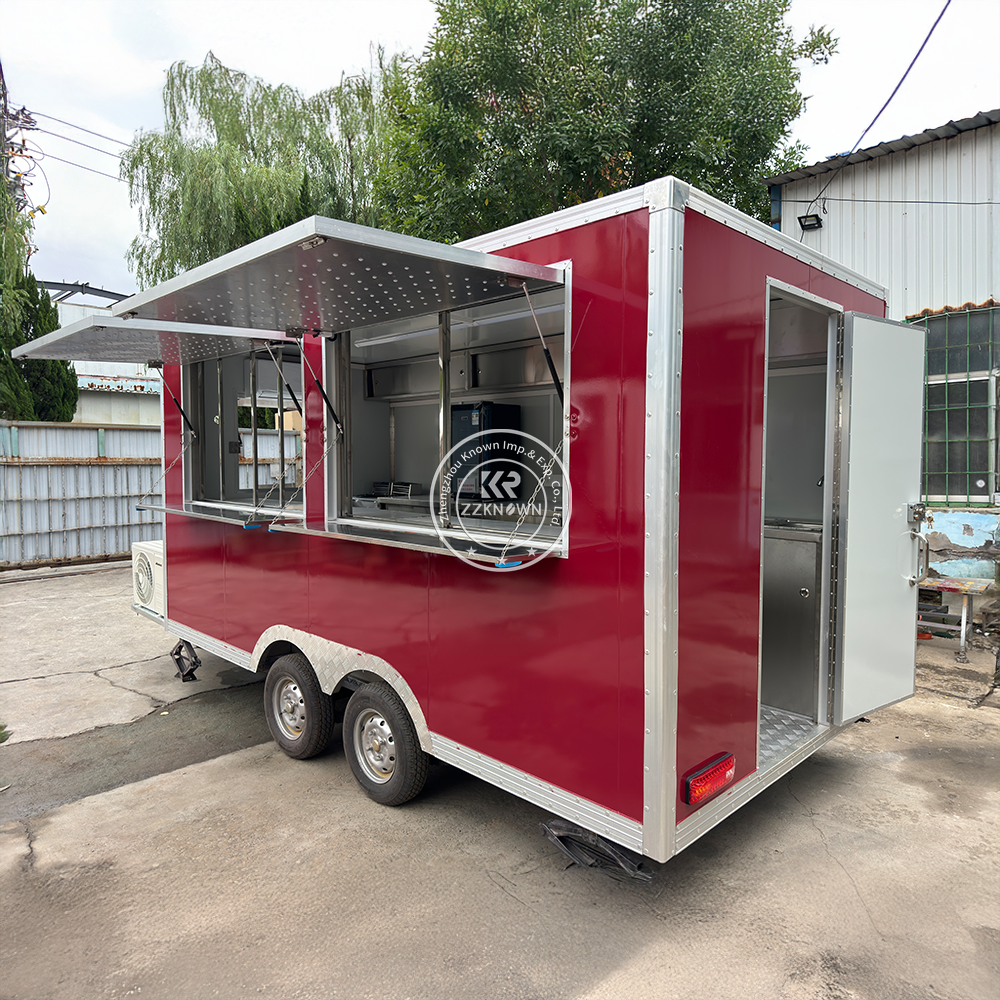

Food Truck Fire Extinguisher Guide: Type, Placement and Inspection Tags
Choose the right ABC and Class K extinguishers for a mobile kitchen, plan accessible and secure mounting, and check service tags before each event. Local requirements vary.
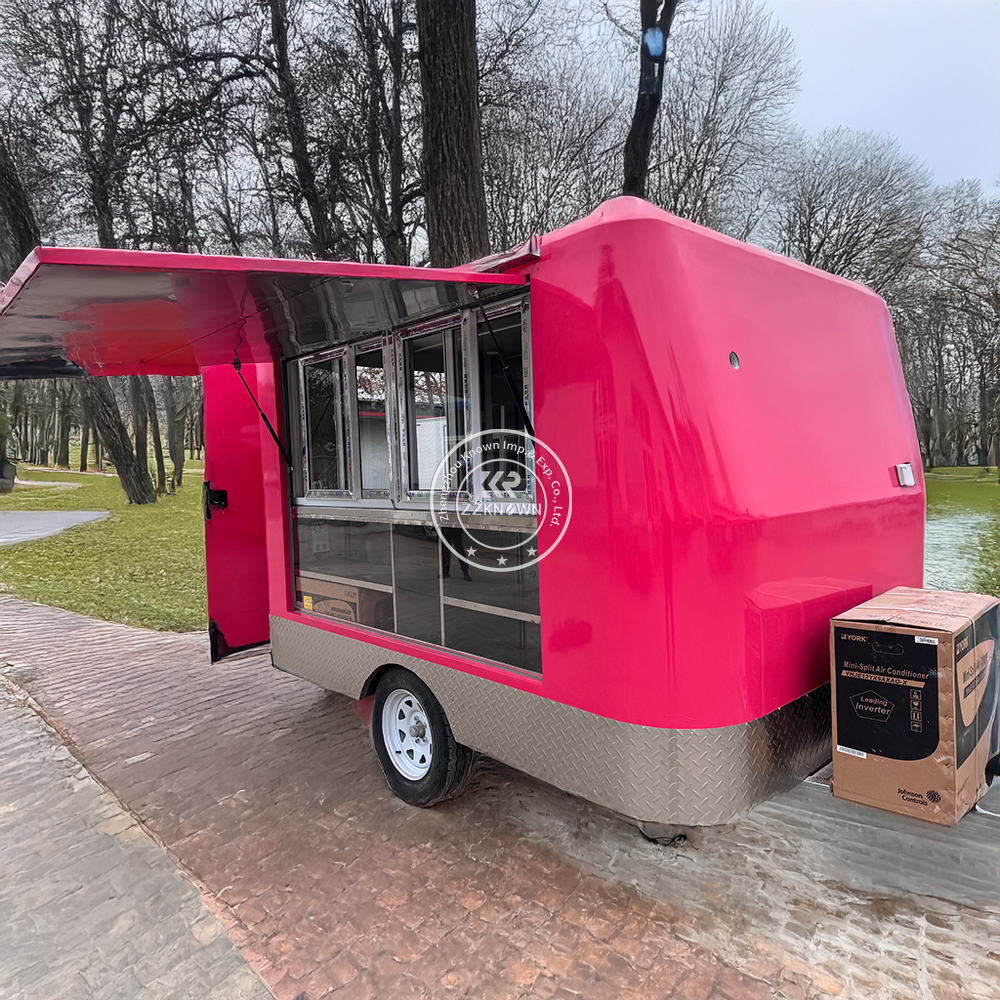
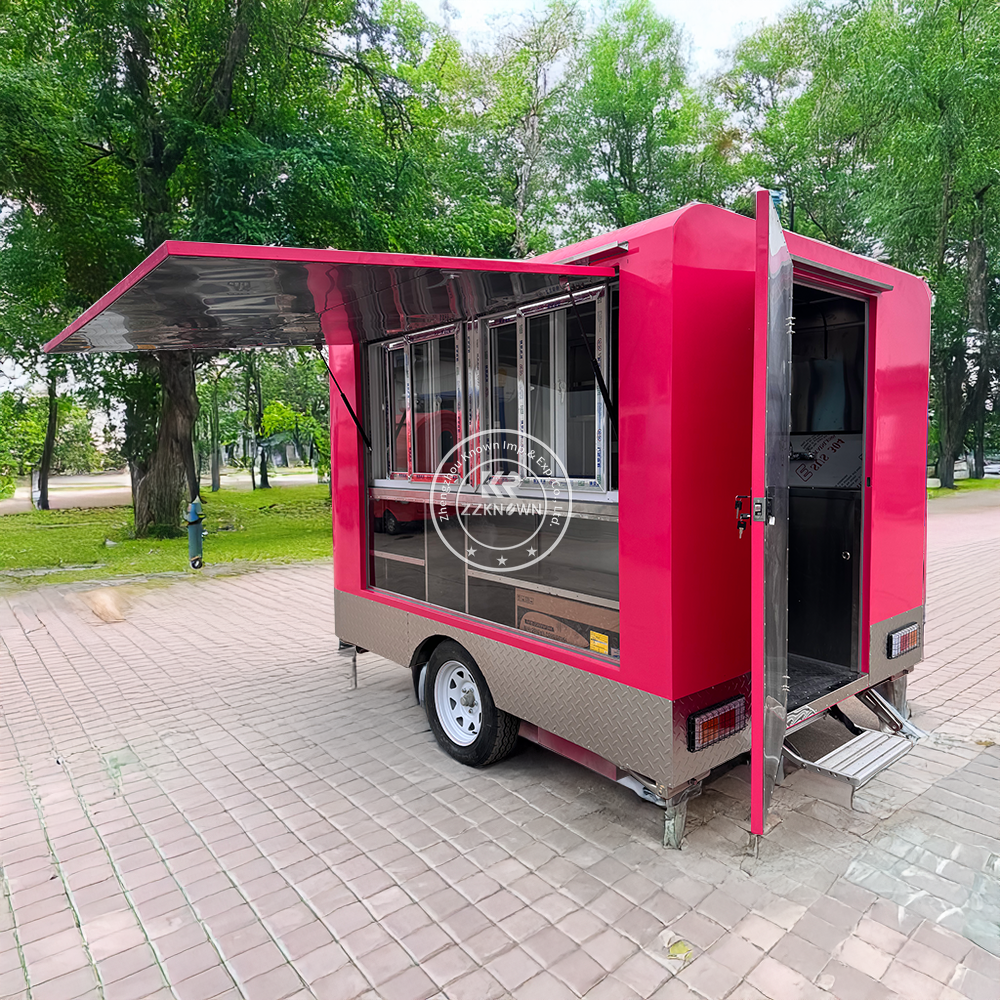
A food truck fire extinguisher should match the cooking risk, remain reachable when the kitchen is busy, and stay secure while the trailer travels. A red cylinder in a photograph does not tell you its fire class or service status. Start with the menu and equipment list, then confirm the final specification with the fire authority for each place you plan to operate.
ABC and Class K: different jobs
An ABC extinguisher is a multipurpose unit for ordinary combustibles, flammable liquids and energized electrical equipment. A Class K extinguisher is designed for fires involving cooking oils and fats. The U.S. Fire Administration’s extinguisher guide distinguishes these fire classes. An ABC unit should not be treated as a substitute for a required Class K unit at a fryer or other cooking-oil hazard.
Local inspection rules may ask for both. For example, the City of Bryan, Texas mobile food vendor requirements call for at least a 2A:10B:C extinguisher in specified units and an additional Class K extinguisher where a Type I hood is required. Those details are Bryan’s requirements, not a universal equipment list.
Which cooking creates a grease-fire risk?
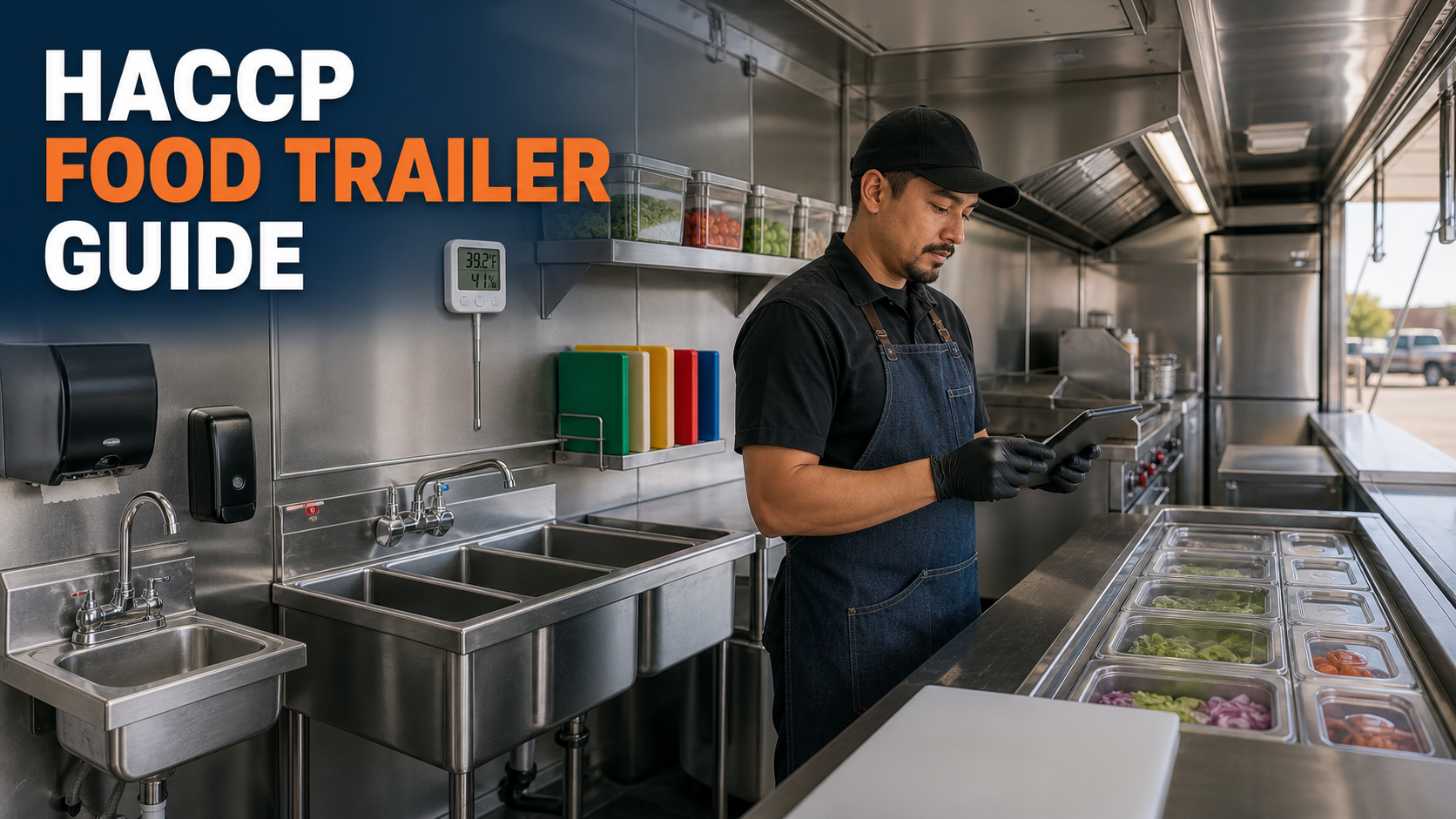
Map each cooking appliance before ordering the trailer: deep fryers, griddles, ranges and any appliance that can produce grease-laden vapors may affect hood and suppression requirements. The cooking oil and fat hazard is what makes the Class K discussion essential. A donut trailer with a fryer needs a different review from a trailer that only displays prepackaged food. Confirm the appliance arrangement, fuel source and menu with the local authority having jurisdiction (AHJ) and the suppression-system installer.
Choose an accessible position
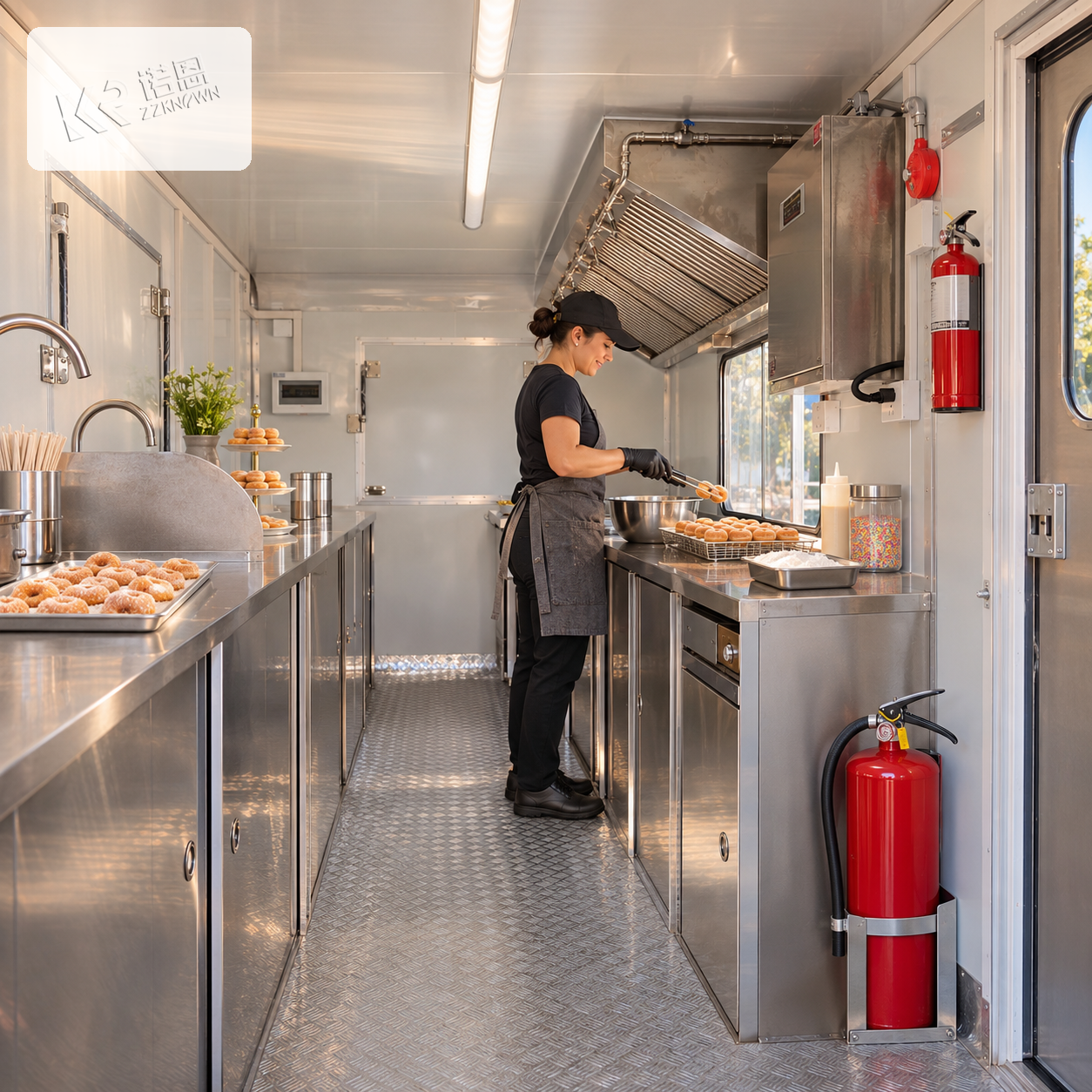
A portable extinguisher must be easy to see and reach without moving stock, squeezing behind an appliance or approaching a fire. In a narrow trailer, plan the position around the real working aisle and exit route. Keep the operating instructions visible. OSHA’s portable extinguisher rule, where it applies, requires extinguishers to be mounted, located and identified so employees can readily access them, and to be kept fully charged and operable.
Secure it for travel
The bracket or cabinet must hold the extinguisher during acceleration, braking and vibration while allowing fast removal. Specify the mounting location and support as part of the trailer layout rather than adding it wherever a thin wall panel happens to be free. Bryan’s local guidance specifically warns that a heavy Class K extinguisher may need secure upright floor mounting in a lightweight mobile unit. Follow the extinguisher manufacturer’s instructions and local inspector’s direction for the actual model and structure.
Read the inspection and service information
Before opening, check that the correct unit is present, accessible and undamaged; the pin and tamper indicator are intact; the gauge is in its operable range if the model has one; and the label can be read. Check the service tag or other accepted documentation against the inspection authority’s rule. OSHA’s portable extinguisher inspection guidance covers these visual checks. Do not infer an extinguisher’s readiness from its color or from a generated image.
Where OSHA’s workplace rule applies, employers must visually inspect portable extinguishers monthly and arrange annual maintenance. Local mobile-food inspections can add different documentation or service intervals. Bryan describes a one-year licensed-contractor tag for its vendors, with a limited new-extinguisher receipt option; Cascade Rural Fire Protection District’s mobile food unit checklist asks for current service tags and specifies a six-month tag window for certain suppression equipment, including portable Class K. Use the requirements of the jurisdiction where you will operate.
Portable extinguisher and hood suppression
A fixed hood suppression system protects the cooking line through its own detection and discharge arrangement. A portable extinguisher is separate equipment for trained staff to use when it is safe to do so. One does not automatically replace the other. If your menu and equipment require a Type I hood, review the hood, duct, fuel shutoff and suppression design together with the Class K location and service access.
Train the team and check before each event
Staff should know the exit, how to call emergency services, which extinguisher is intended for which hazard, and when to leave the trailer. Under OSHA’s applicable workplace rule, an employer that expects employees to use portable extinguishers must provide education on their general principles and hazards on initial employment and at least annually. Never ask an employee to fight a growing fire or block their escape path.
- Confirm the menu, fuel and appliances match the approved layout.
- Check the specified ABC and, where required, Class K extinguishers are present.
- Check access, mounting, pin, visible condition and relevant tag or service record.
- Check that hood suppression and its service documents are current where required.
- Keep the exit clear and review the emergency plan with the shift team.
Common reasons a mobile unit fails a fire check
Typical problems include an extinguisher hidden behind supplies, a loose travel bracket, a missing Class K unit despite a cooking-oil hazard, a tag that does not meet the local rule, or a changed cooking line that no longer matches the approved plan. Requirements vary by jurisdiction, so the safest purchase sequence is to confirm the menu and local checklist first, then finalize the fire-safety layout before production.
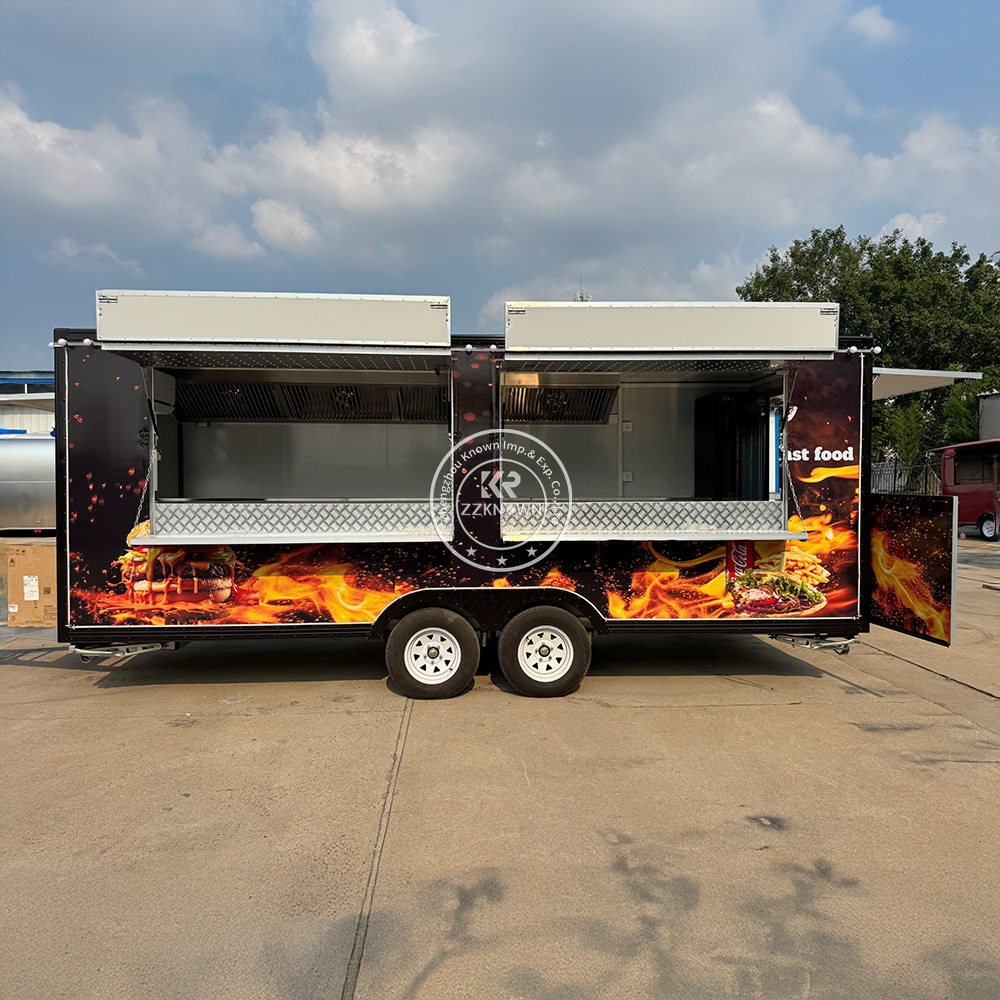
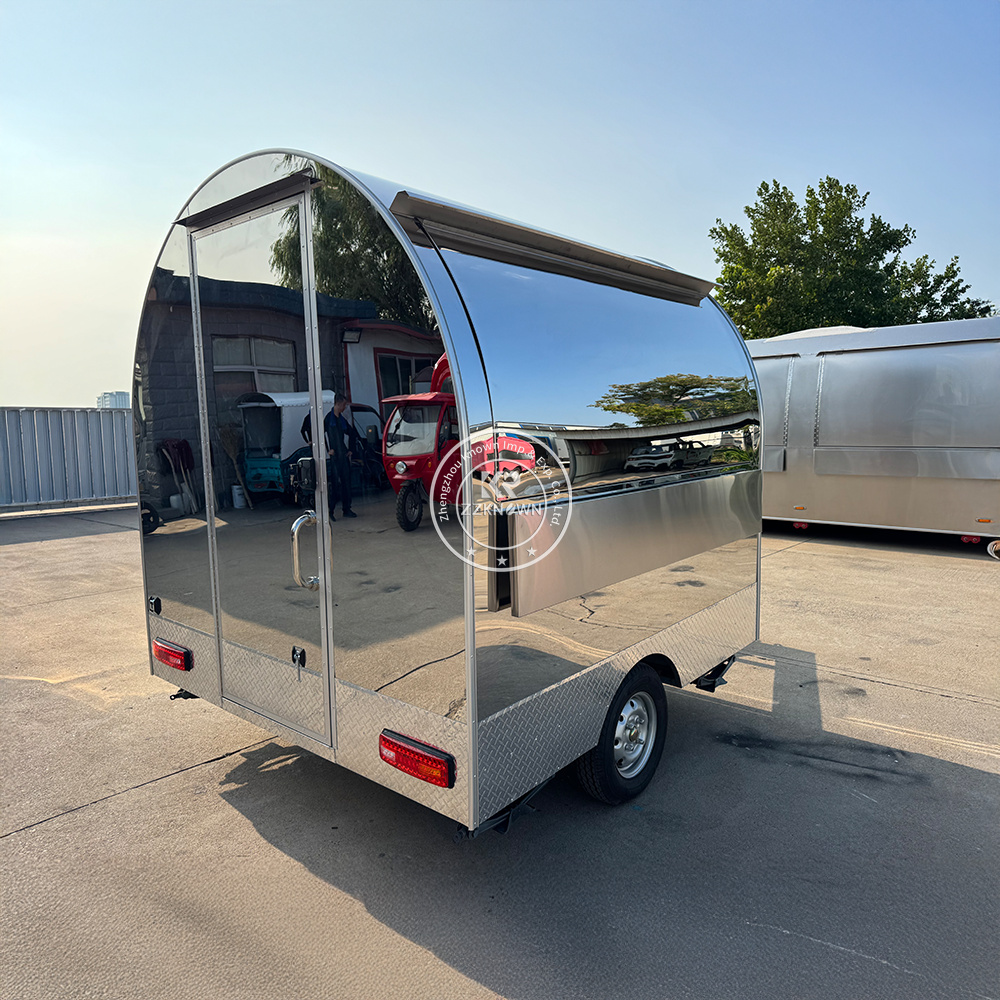
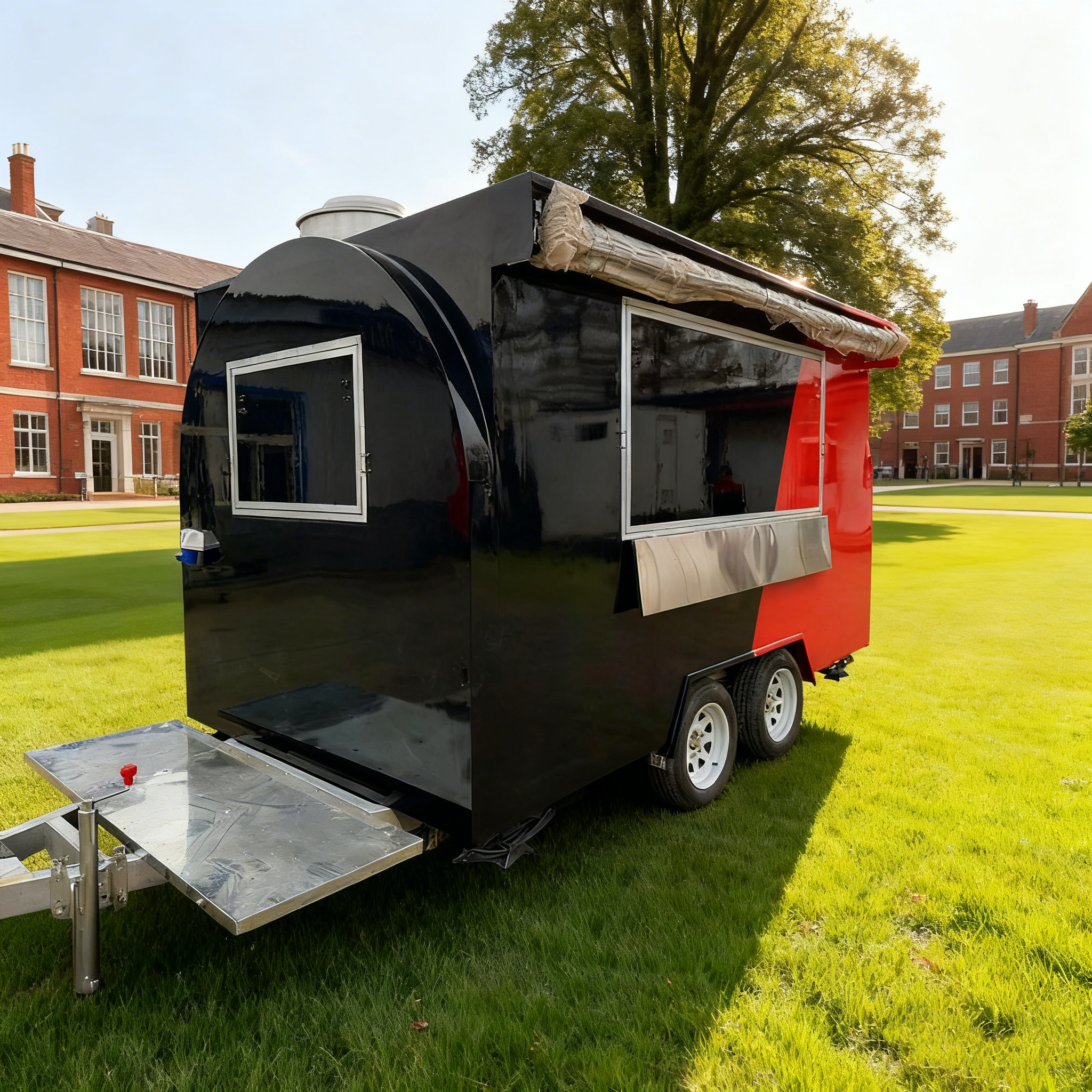
Planning a new food trailer? Send ZZKNOWN your cooking equipment list, fuel choice and intended operating location. We can discuss a dedicated extinguisher position, mounting support and space for a specified hood suppression system, then help you build a fire-safety equipment checklist for review with your local authority and licensed installer.