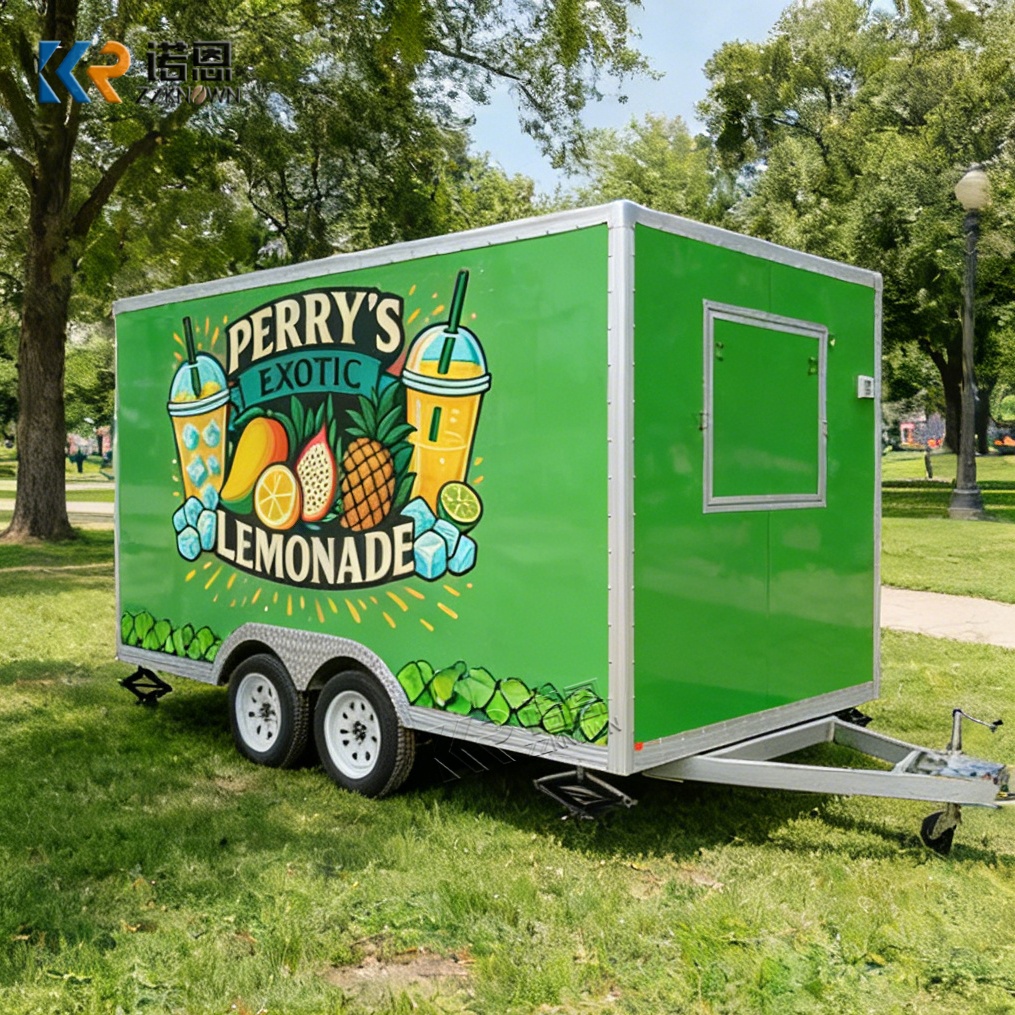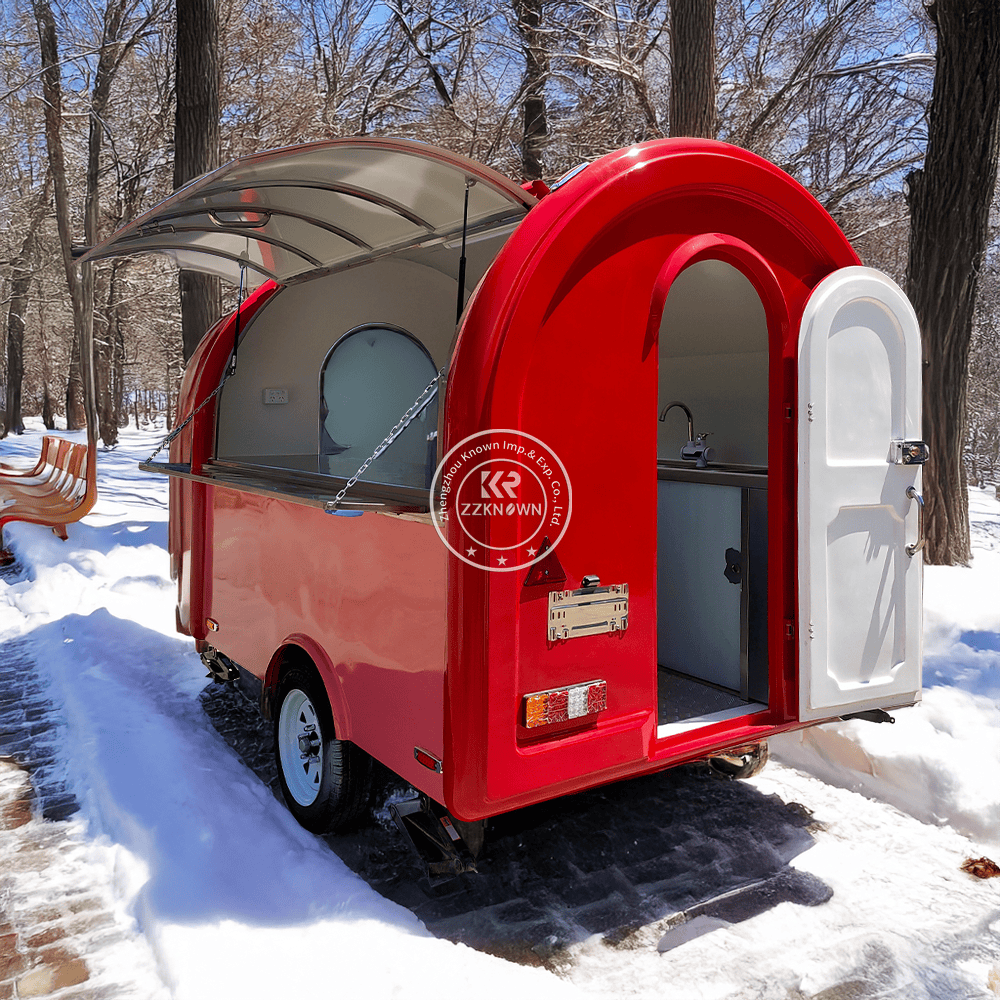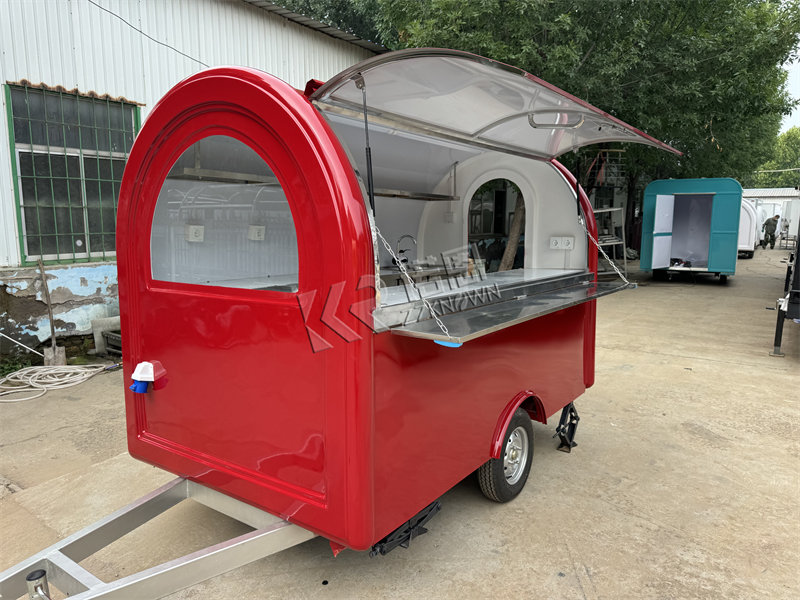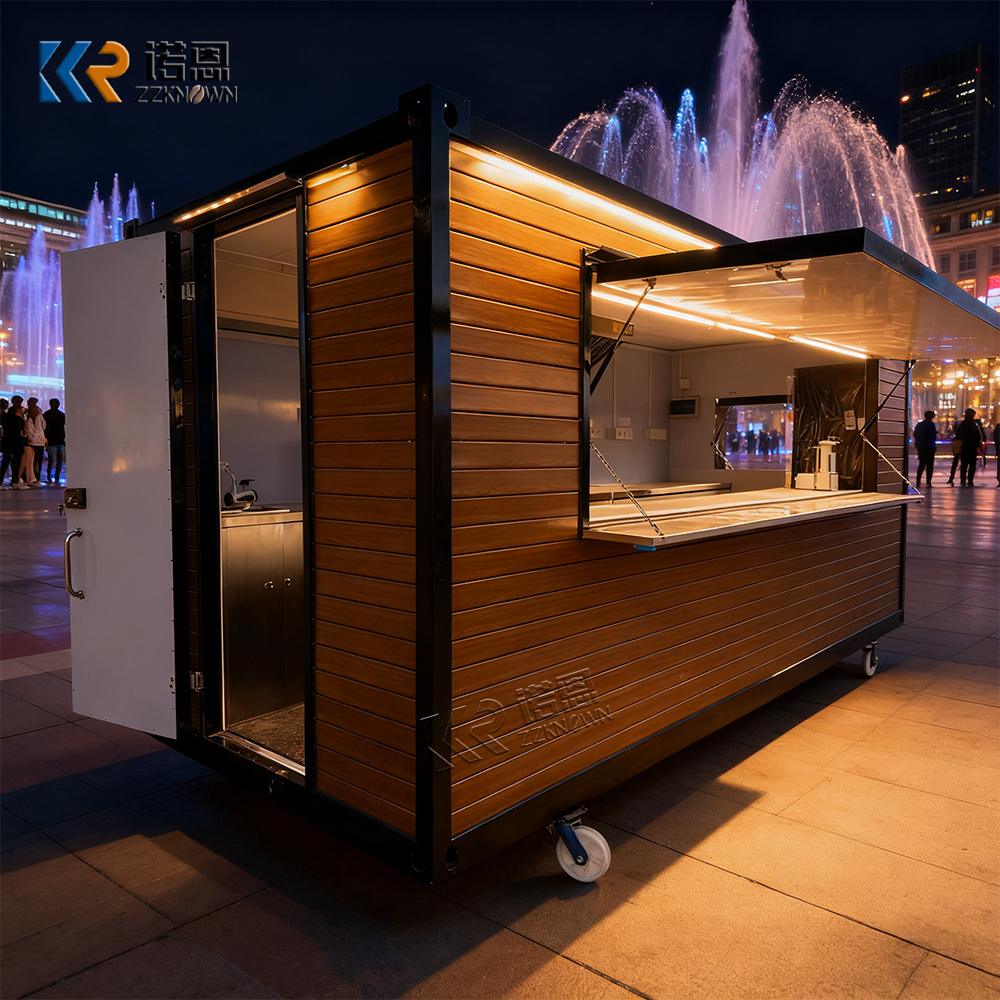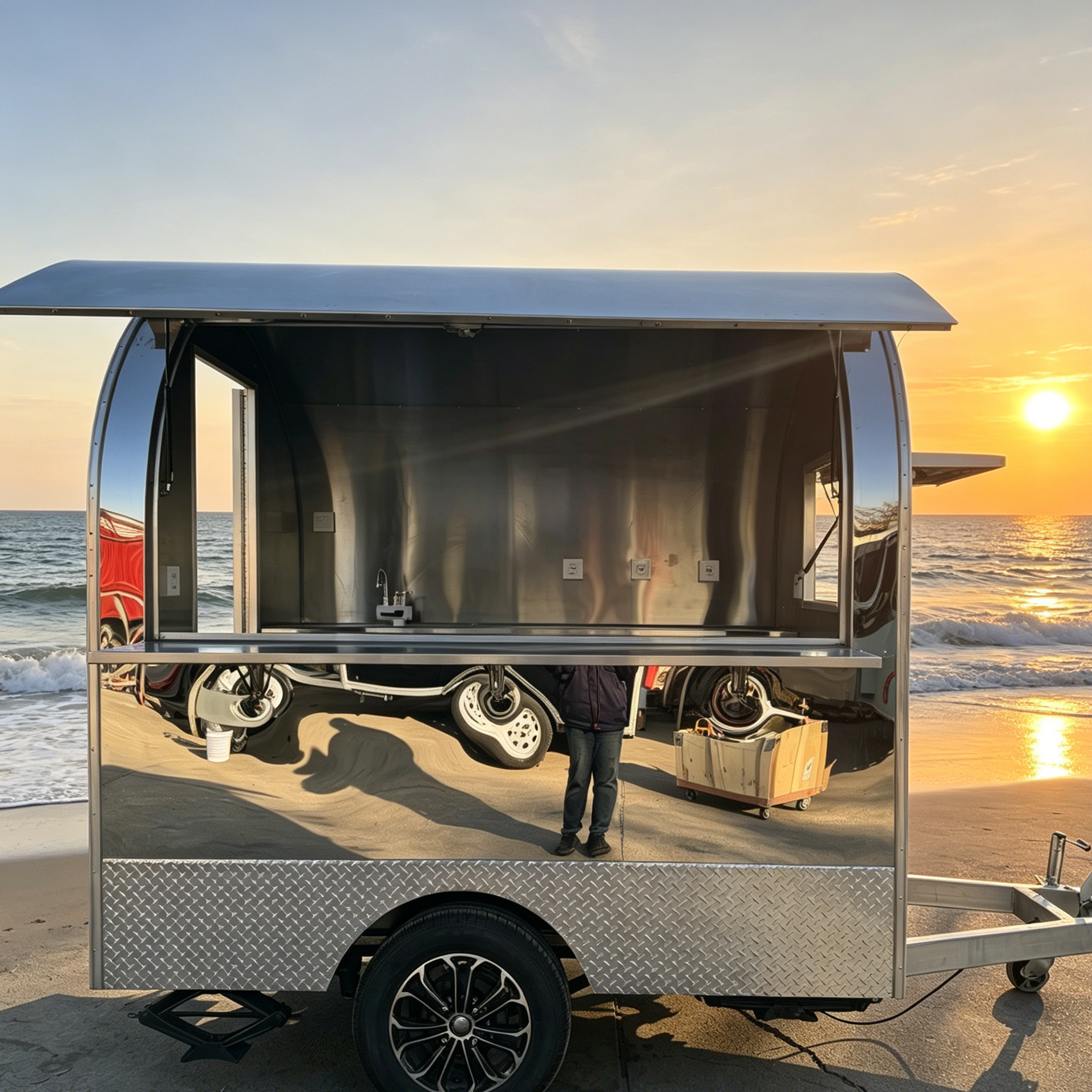
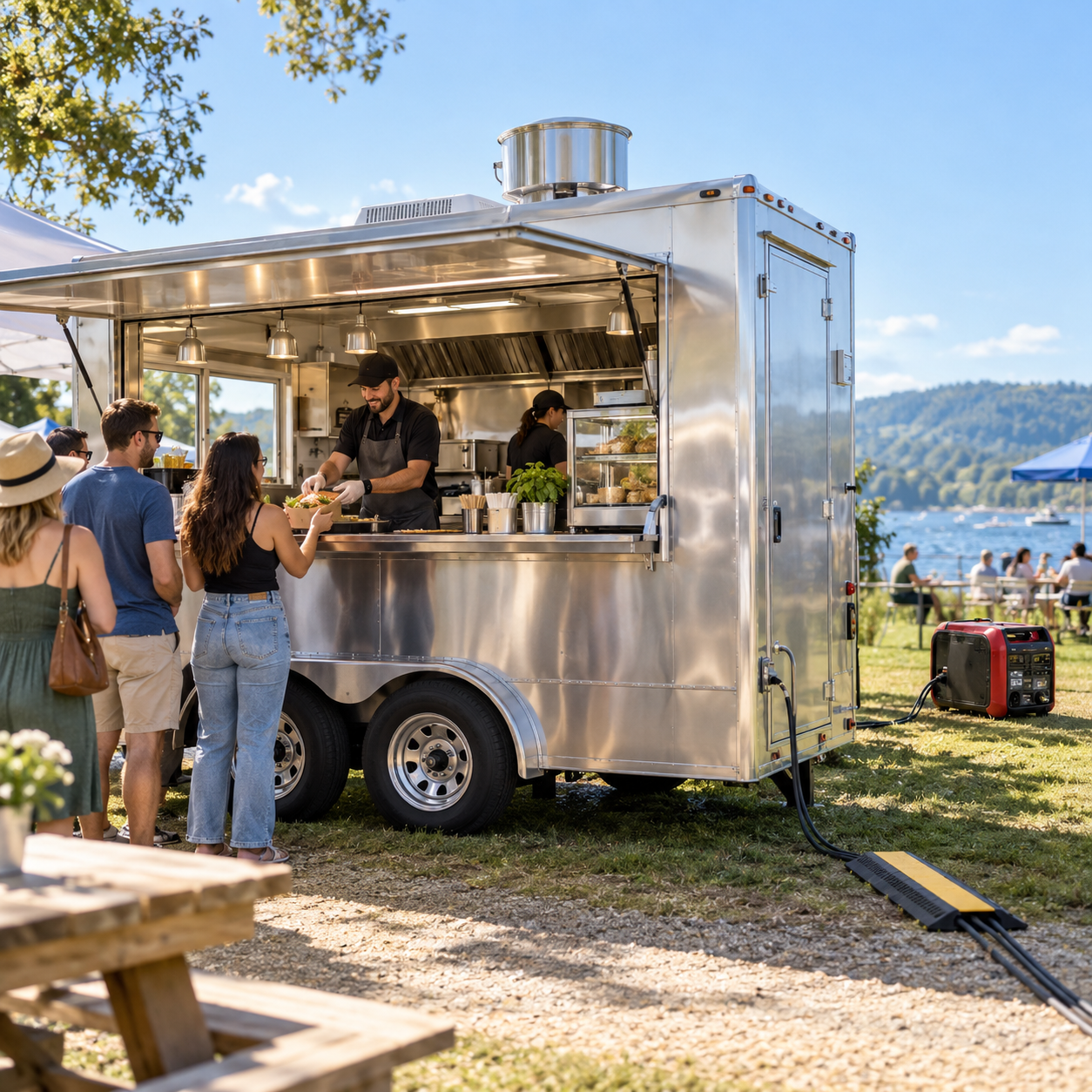
Picture the lunch rush at a street festival. The fryer is hot, the refrigerator is cycling, the POS screen is busy, and a generator hums somewhere behind the trailer. The team is watching tickets and food temperatures. Nobody can see carbon monoxide, smell it, or taste it. That is exactly why generator placement deserves the same attention as the kitchen layout.
According to ZZKNOWN’s production experience, buyers often discuss generator wattage first and location second. A safer project reverses that order: decide where combustion gases, heat, fuel, weather protection, cables, doors, and people will be before fixing the platform or compartment drawing. This conversational guide helps global buyers ask the right questions. It does not replace the generator manual, a local fire review, or a licensed destination electrician.
What should you remember before reading the details?
Never run a portable generator inside the food trailer or another enclosed area.
Wind can push fumes toward service windows, doors, roof equipment, and air intakes.
An alarm helps warn the team; it does not make poor generator placement acceptable.
Clearance, cooling air, exhaust, weight, mounting, and service access depend on its manual.
Outdoor placementExhaust directionCO monitoringElectrical loadFire review
Where does this guidance apply, and how current is it?
This guide is written for global food-trailer buyers. The safety evidence comes mainly from current United States public sources: the U.S. Centers for Disease Control and Prevention (CDC), National Institute for Occupational Safety and Health (NIOSH), Occupational Safety and Health Administration (OSHA), Consumer Product Safety Commission (CPSC), and Wisconsin Department of Health Services. Sources and ZZKNOWN product pages were checked on October 16, 2026.
The Wisconsin material is unusually relevant because it was written specifically for food-truck generators. Its English and Spanish leaflet was released March 6, 2026, and the collection page was revised August 27, 2026. However, a U.S. public-health recommendation is not automatically a building or fire code in Canada, Europe, Australia, the Middle East, or your city. Confirm the final arrangement with the generator manufacturer, event operator, local fire authority, electrical inspector, and food-business regulator.
Why can a generator create carbon monoxide so quickly?
Portable generators use an engine that burns fuel. That combustion produces carbon monoxide, often shortened to CO. The CDC describes CO as colorless and odorless. You cannot use your senses to judge whether a space is safe. A generator can sound normal and still create a dangerous atmosphere.
Food trailers add a special problem: they combine a compact interior with doors, service windows, roof equipment, exhaust fans, customers, and nearby vendors. Air is always moving. A kitchen exhaust system can change pressure inside the trailer, and wind can carry generator fumes in a direction you did not expect. NIOSH warns that CO can build rapidly even in areas that appear ventilated or partly enclosed.
Why are food trailers more vulnerable than an open worksite?
A trailer is small, but it has many ways to draw outside air inward. The serving window may be open all day. The entry door opens every few minutes. A make-up-air vent, air conditioner, or other intake can pull nearby exhaust toward staff. At an event, another booth, wall, vehicle, tent, or temporary fence can change the airflow after setup.
Then there is the customer line. A generator that is “outside the trailer” can still be beside a family waiting for an order. Noise is obvious, so operators sometimes move the unit behind a decorative screen or under an awning. Unfortunately, those same barriers may hold exhaust around the engine. The safer question is not merely, “Is the generator outdoors?” Ask, “Where will the exhaust travel under today’s wind, and who or what is downwind?”
Where should you put the generator?
Start with the exact generator manual. Then plan an outdoor position away from the trailer and from any place people gather. Wisconsin DHS says to run the generator as far from the food truck as possible and states that 20 feet is ideal from the truck or areas where people gather. CPSC also uses a 20-foot benchmark in its home-generator guidance. Treat that as a strong U.S. safety benchmark – not as a universal legal distance for every trailer, site, or generator.
The real project must also account for manufacturer clearances, the local fire code, event rules, cable length and voltage drop, rain protection, trip hazards, theft security, fuel storage, surrounding booths, wind, and air intakes. If the site cannot support a safe outdoor location, do not solve the problem by pushing the generator into a sealed box. Revisit shore power, a battery system, a different generator, or the site plan.
| Arrangement | Potential advantage | Main CO and engineering concern | Planning verdict |
|---|---|---|---|
| Remote outdoor generator | Best opportunity to separate exhaust, heat, and noise from the trailer | Cable routing, weather, security, customer access, and voltage drop | Preferred starting point when the site allows it |
| Open external rack or platform | Secure mounting and convenient connection | Often too close to doors, windows, intakes, customers, or the body; vibration and tongue/axle load | Requires exact generator manual, airflow study, structural review, and local approval |
| Purpose-engineered compartment | Integrated appearance and weather protection | CO accumulation, cooling-air restriction, recirculation, heat, fire, service access, and incompatible generator type | Never improvise; use only when the generator manufacturer permits it and qualified reviewers approve the full design |
| Inside trailer or ordinary storage box | None that justifies the hazard | Life-threatening CO exposure and heat/fire risk | Do not operate a portable generator this way |
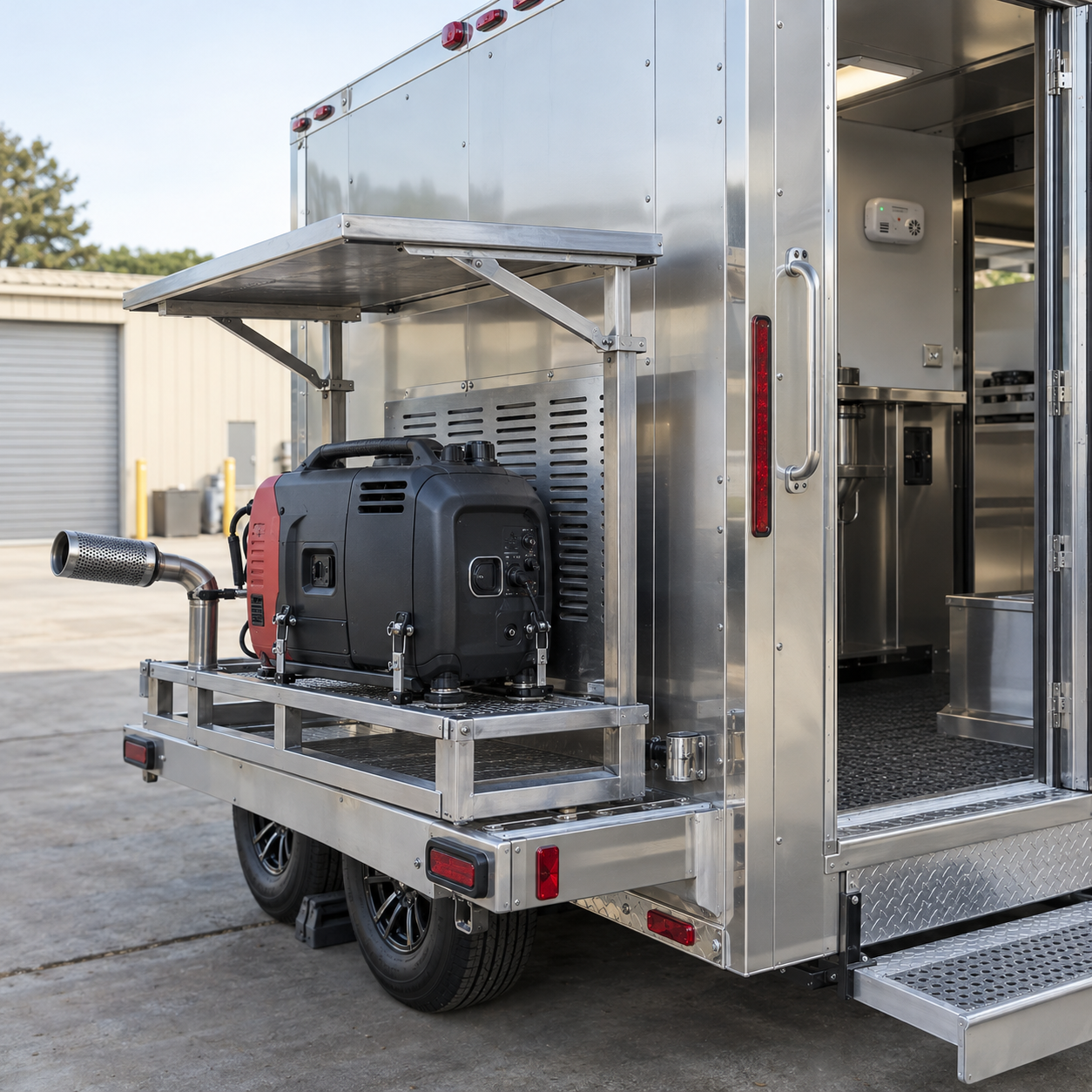
Concept visualization: an open external platform with weather protection, heat shielding, service access, and exhaust directed away. The exact generator manual and destination authority must approve the final arrangement.
Which direction should the exhaust face?
Point it away from the food trailer, people, tents, buildings, and other vehicles. Check every opening – not only the closest door. A serving window on the opposite side can still become downwind after the weather changes. So can a roof vent or an air-conditioning intake.
Do not rely on a short add-on exhaust pipe unless the generator manufacturer approves the modification. Extra restriction, vibration, heat, or a leaking joint can create new hazards and may affect the warranty. If an exhaust extension is part of the concept, the generator supplier and a qualified professional should confirm material, support, temperature, back-pressure limits, termination point, and inspection routine.
Can a generator run near a door or serving window?
No opening should be treated as harmless. OSHA tells employers to keep portable generators outdoors and away from doors, windows, vents, and ventilation shafts. For a food trailer, add serving windows and mechanical air intakes to that list. Also look at the door swing and staff path. A door that opens toward the generator can expose an employee to hot components or exhaust during a hurried exit.
A practical setup inspection should be done after the awning is raised, the queue barriers are placed, neighboring vendors arrive, and the kitchen exhaust is running. That is the real operating configuration.
Does an open-sided generator cover count as ventilation?
A weather roof is not the same as a safe enclosure, and a fan does not automatically solve combustion-air and CO problems. Generator cooling air, combustion air, exhaust, and hot-air discharge must follow the manufacturer’s requirements. OSHA’s general portable-generator alert calls for three to four feet of clear space on all sides and above the generator for adequate ventilation, but the equipment manual and local authority remain controlling for your installation.
Never add walls later because of noise or rain without repeating the review. A screen, tarp, advertising panel, trash enclosure, or parked vehicle can turn an open location into a semi-enclosed pocket. Rain protection should keep electrical components dry without trapping exhaust or blocking cooling.
What should a generator platform or compartment drawing show?
According to ZZKNOWN’s production experience, a useful drawing is more than a rectangle labeled “generator.” Before fabrication, the engineer needs the generator make, model, dry and fueled weight, rated and surge output, fuel type, manufacturer clearances, cooling airflow, exhaust location, service panels, lifting points, vibration mounts, cable connection, and intended operating orientation.
- Structure: platform capacity, attachment points, dynamic road load, corrosion protection, and the effect on tongue weight or axle load.
- Air and exhaust: cooling inlet, hot-air outlet, engine exhaust, separation from every opening, and prevailing-wind review.
- Heat and fire: clearance to combustible materials, shielding, fuel location, extinguisher access, and a cool-down/refueling procedure.
- Electrical: inlet, transfer equipment where required, grounding/bonding plan, breaker protection, cable rating, weather protection, and load calculation.
- Operation: access for oil, filters, starting, shutdown, inspection, and removal without forcing staff into the exhaust path.
Where should the carbon monoxide detector go?
Wisconsin DHS recommends installing a CO detector inside the food truck. Select an alarm listed or certified for the intended market and environment, then install, test, maintain, and replace it exactly as the alarm manufacturer instructs. Placement height and distance from cooking equipment, vents, moisture, and the sleeping area – if any – depend on that manual and local rules.
Do not silence repeated alarms or assume cooking fumes caused a false warning. Stop the generator, move everyone to fresh air, call emergency services when exposure is suspected, and find the source before restarting. For occupational settings with an identified risk, NIOSH also notes that personal CO monitors with audible alarms may be appropriate. A local safety professional can help decide whether fixed alarms, personal monitors, or both are needed.
What electrical mistakes often appear beside the CO problem?
A well-placed generator can still be unsafe electrically. Do not connect it to a building or trailer system through an ordinary wall outlet. OSHA and Wisconsin DHS warn against backfeeding; transfer equipment, when needed, should be installed by a qualified electrician. Keep the generator and connections dry. Use heavy-duty, outdoor-rated, grounded cords that are in good condition and rated above the connected load.
Also plan the cable route. A cord across the customer queue can become a trip and damage hazard. A cord coiled tightly under heavy load can overheat. Long undersized cords can create voltage drop. Your electrical schedule should list the running and starting load of every refrigerator, pump, fan, appliance, light, POS unit, and accessory. Our battery-powered food trailer vs. generator guide explains when shore power, batteries, a generator, or a hybrid system may make more sense.
How should you refuel and maintain the generator?
Shut it down and let it cool before refueling. Store fuel away from ignition sources and from the cooking line, following the fuel-container rules for your market and event. A busy service period is not a reason to pour fuel onto a hot engine. Schedule refueling before opening, during a controlled shutdown, or after service.
Maintenance should follow the generator manual: oil, air filter, spark plug, fuel system, battery, fasteners, exhaust condition, guards, and cable connections. Record maintenance dates and operating hours. A machine that starts every morning can still have a damaged muffler, loose exhaust joint, or blocked cooling inlet.
How do real ZZKNOWN models help explain the planning?
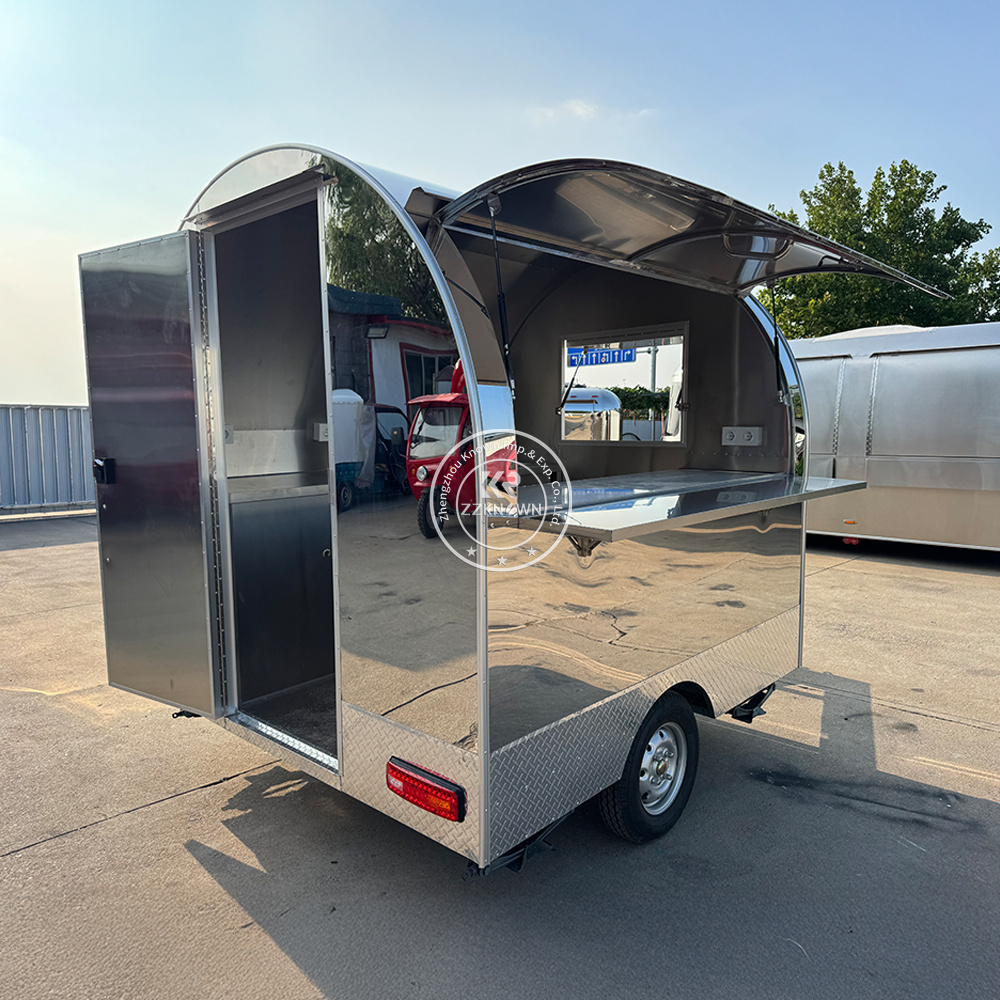
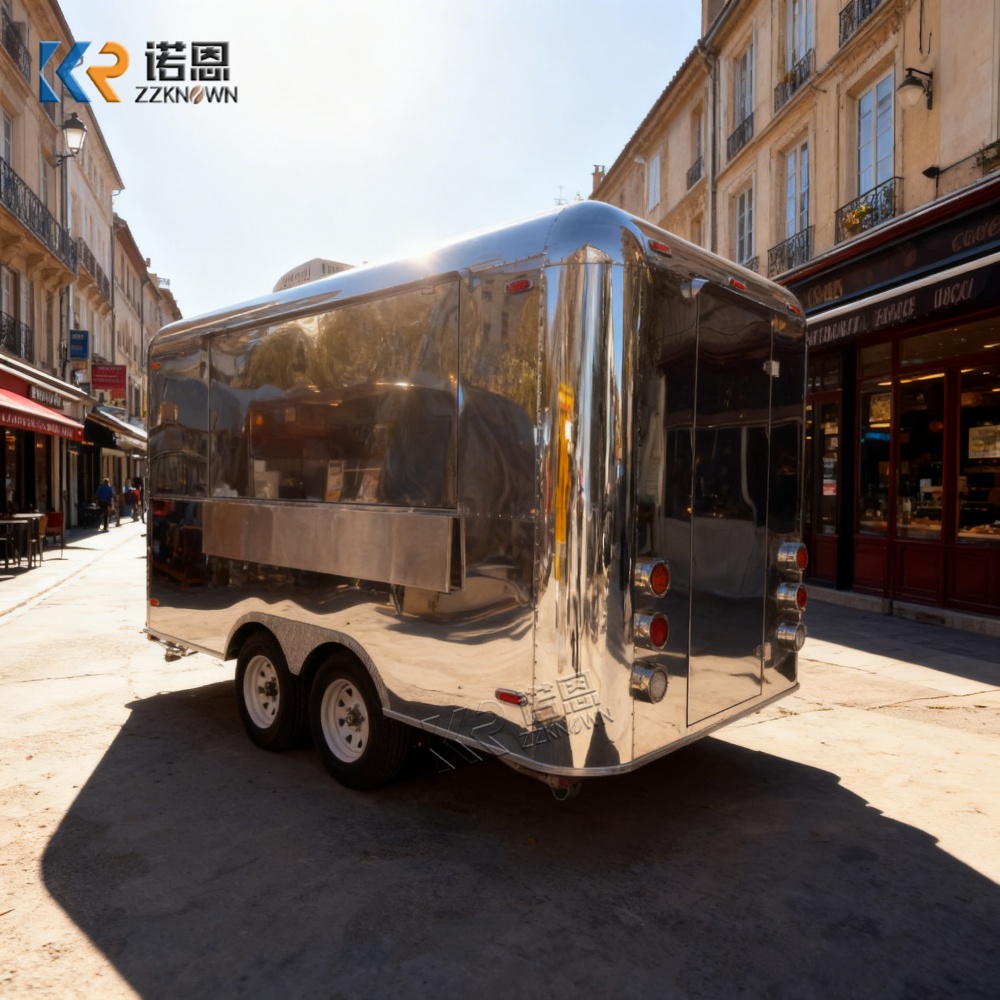
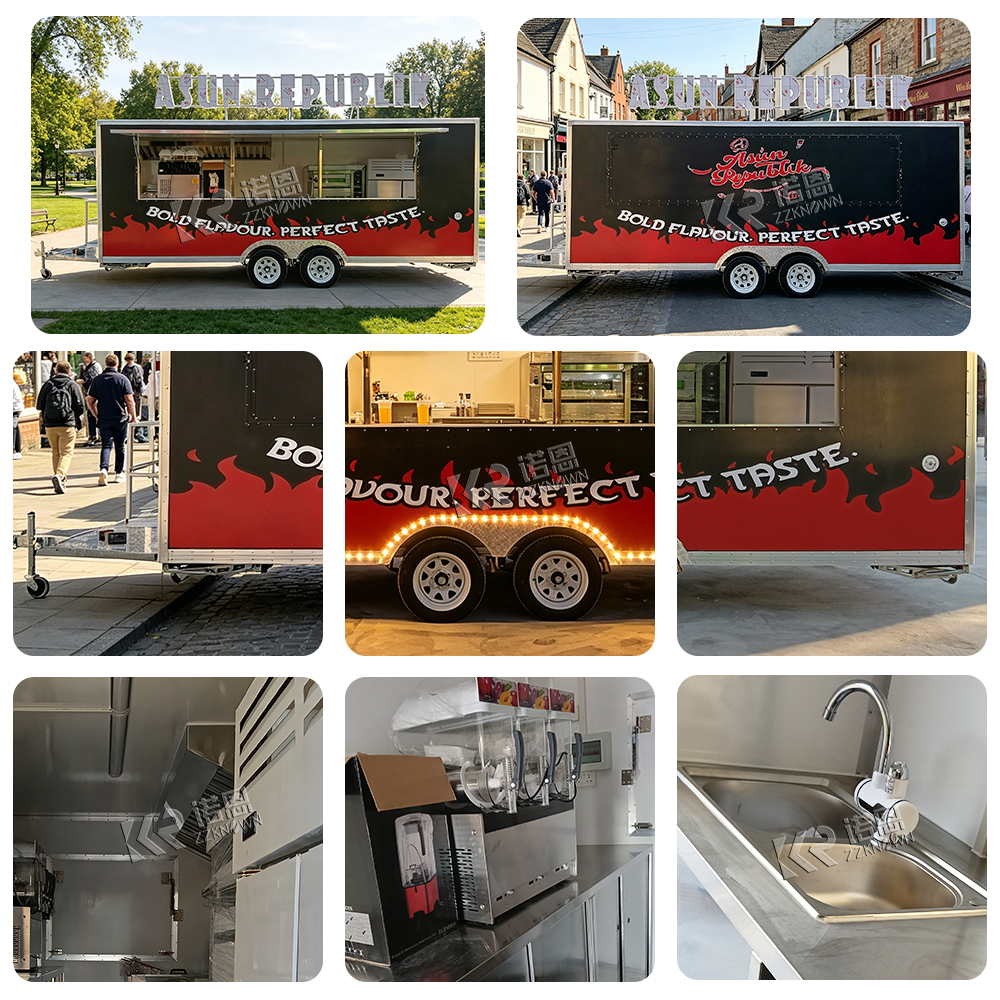
The ZZKNOWN KN-QF580 Airstream concession trailer is a real published model measuring 5.8 x 2.0 x 2.3 meters (19 x 6.6 x 7.5 feet). Its product page describes it as pre-wired for a 7 kW generator. That statement is about electrical readiness; it does not decide where a specific generator may safely operate. The generator model, site, exhaust direction, airflow, structure, local rules, and final connection still require review.
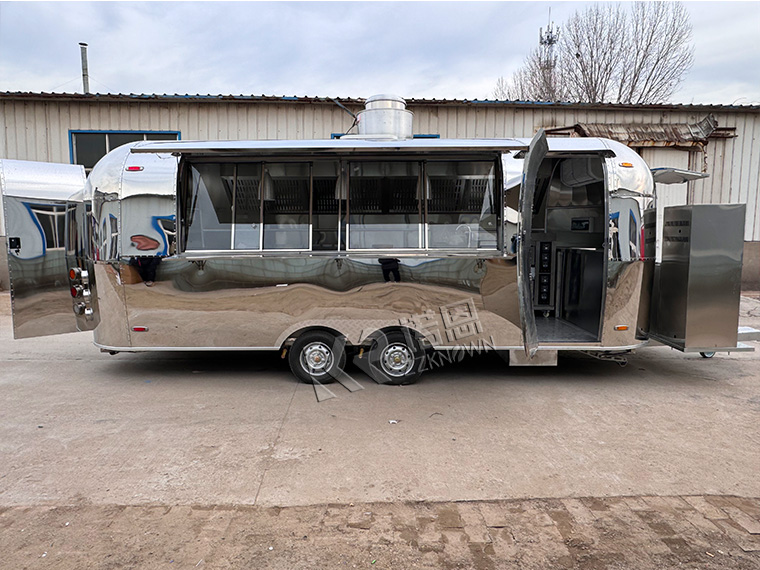
Real product model: ZZKNOWN KN-QF580. Click the image to view the product page. Generator placement must be engineered for the confirmed unit and operating site.
A smaller trailer may have fewer safe mounting choices, while a larger unit may create more distance between a platform and a serving window. Neither size is automatically safe. Start with the menu and equipment load, then review the food trailer workflow design, vehicle weight distribution, and external site plan together. Buyers importing a trailer should also use the global food trailer certification guide to separate vehicle, electrical, fire, equipment, and local operating approvals.
What should you check every operating day?
- Read the weather and confirm where exhaust will travel.
- Verify the generator is outdoors and the planned separation remains clear.
- Check doors, windows, serving openings, roof equipment, and air intakes.
- Make sure no tent, sign, wall, trash bin, vehicle, or vendor equipment traps exhaust.
- Inspect the exhaust system, fuel lines, guards, platform, mounts, and visible leaks.
- Test the CO alarm according to its instructions and confirm staff know the alarm response.
- Inspect cords, plugs, cable ramps, connections, grounding/bonding provisions, and weather protection.
- Keep customers and children away from the generator, fuel, and cables.
- Confirm the fire extinguisher is accessible and staff know the shutdown procedure.
- Recheck the setup after the site changes or the wind shifts.
How was the information in this guide collected?
We reviewed the current CDC generator-safety fact sheet, CDC/NIOSH workplace CO guidance, OSHA portable-generator publications, the CPSC carbon-monoxide and portable-generator safety pages, and the Wisconsin DHS Food Truck Generator Safety leaflet and collection record. We extracted only the recommendations relevant to generator location, openings, ventilation, monitoring, cables, refueling, and symptoms. We then compared those points with published ZZKNOWN product specifications and production-planning questions.
No accident story, inspection approval, detector performance result, or customer health outcome was invented. Product images and model details come from the live ZZKNOWN product page. Engineering comments are practical design guidance, not a certification, code interpretation, or substitute for a site-specific professional review.
Which official sources should you keep with your project file?
- Wisconsin DHS Food Truck Generator Safety collection and its English safety leaflet
- CDC Generator Safety Fact Sheet
- CDC/NIOSH Carbon Monoxide Hazards at Work
- OSHA Portable Generator Safety Alert
- CPSC Generators and Engine-Driven Tools guidance
What do real buyers ask before ordering?
Can I mount a generator directly on the food trailer?
Possibly, but “can be mounted” is not the same as “safe to operate there.” The structural load, road vibration, cooling, exhaust, openings, fire risk, generator manual, and local approval must all support the design. Remote outdoor operation is the safer starting assumption.
Is 20 feet a legal requirement everywhere?
No. Wisconsin DHS calls 20 feet ideal for food-truck generators, and CPSC uses 20 feet in home guidance. Your generator manual and local fire or event rules may be different or more restrictive. Do not advertise one number as a worldwide code.
Can I put an inverter generator in a ventilated metal box?
Not unless the generator manufacturer expressly permits that installation and the complete compartment is engineered and approved. A few vents or a fan do not prove safe cooling, combustion air, exhaust control, or CO performance.
Do I still need a CO alarm if the generator is outside?
Yes, a properly selected and installed alarm adds an important warning layer. But it is a backup, not permission to place the generator near an opening or customer area.
Can the trailer kitchen exhaust fan pull generator fumes inside?
Air pressure and wind can influence how outside air enters the trailer. That is why the final setup should be reviewed with the kitchen exhaust running and every door, window, vent, and intake considered.
What information does ZZKNOWN need for generator planning?
Send the generator make and model, manual, fuel type, weight, output, exhaust location, destination, local checklist, site sketch, menu, appliance schedule, peak electrical load, trailer model, and preferred power alternatives.
Can ZZKNOWN guarantee my local inspection?
No responsible manufacturer can guarantee an authority’s decision before the final unit, site, documents, and operating plan are reviewed. ZZKNOWN can prepare a coordinated layout and manufacturing details around confirmed requirements, while the buyer and destination professionals approve the final route.
Would you like a generator placement and exhaust-safety layout?
Send ZZKNOWN your trailer model, generator make/model and manual, destination city, appliance list, peak electrical load, service-window side, site sketch, and local fire/electrical checklist. Our team can review space, access, structural mounting, cable entry, and exhaust separation before the trailer drawing is frozen.
Request a free layout review | Compare custom food trailer models
Ask for: “GENERATOR PLACEMENT & EXHAUST SAFETY DESIGN” or the “FOOD TRAILER GENERATOR SAFETY CHECKLIST.”