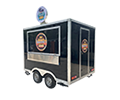
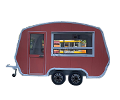
A few years ago, refrigerated trailers were mostly associated with large logistics companies, supermarket chains, and national food distributors.
Today, that's changing fast.
Small businesses are discovering that owning a small refrigerated trailer can dramatically improve delivery efficiency, product quality, and profitability.
Whether you're delivering:
A reliable cold chain can become a competitive advantage.
At ZZKNOWN, we've worked with startup food businesses, local distributors, catering companies, ice cream vendors, and small fleet operators around the world. One pattern appears repeatedly:
Businesses that invest in proper refrigeration early often grow faster because they can serve more customers while maintaining product quality.
If you're considering buying a small refrigerated trailer, this guide will help you choose the right model and avoid common mistakes.
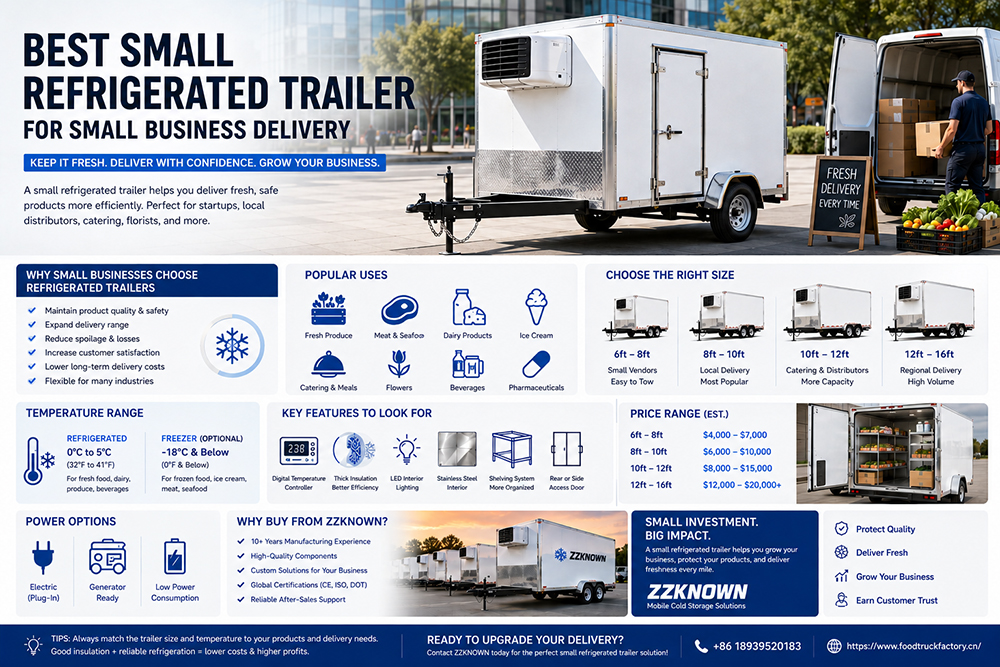
Simply put, it's a compact mobile cold storage unit that can be towed by a pickup truck, SUV, or light commercial vehicle.
Unlike large refrigerated semi-trailers, small refrigerated trailers are designed for:
Typical sizes range from:
| Trailer Length | Common Use |
|---|---|
| 6ft–8ft | Small vendors |
| 8ft–10ft | Local deliveries |
| 10ft–12ft | Catering businesses |
| 12ft–16ft | Growing distribution companies |
These trailers typically maintain temperatures between:
The answer is flexibility.
A refrigerated trailer allows you to bring your cold storage directly to customers.
Instead of:
You can transport products while maintaining proper temperatures.
For many startups, that's a game changer.
Let's look at the most common users.
Local food distributors often deliver:
Temperature control helps preserve product quality and reduce spoilage.
Wedding caterers and event companies frequently transport:
A refrigerated trailer provides peace of mind during transportation and on-site storage.
Ice cream businesses need stable low temperatures.
Even brief temperature fluctuations can damage products.
Many ice cream entrepreneurs start with compact refrigerated or freezer trailers.
Flowers are surprisingly temperature-sensitive.
Cold transportation extends shelf life and improves customer satisfaction.
Fresh fruits and vegetables maintain quality longer when transported under controlled conditions.
This is one of the most important buying decisions.
Bigger isn't always better.
The best trailer size depends on your business model.
Best for:
Advantages:
The most popular starter size.
Suitable for:
Advantages:
Ideal for growing companies.
Suitable for:
Advantages:
Best for:
Advantages:
The answer depends entirely on your products.
| Product | Recommended Temperature |
|---|---|
| Dairy | 1°C–4°C |
| Fresh Produce | 2°C–8°C |
| Seafood | 0°C–2°C |
| Prepared Foods | 0°C–5°C |
| Ice Cream | -20°C |
| Frozen Meat | -18°C |
Many first-time buyers purchase a refrigeration system when they actually need freezer capabilities.
Always identify your coldest product requirement first.
Here's something experienced operators understand:
The refrigeration unit gets the attention.
The insulation does the real work.
Good insulation helps:
Poor insulation increases operating costs every day.
| Insulation Thickness | Typical Use |
|---|---|
| 50mm | Light refrigeration |
| 75mm | Standard refrigeration |
| 100mm | Commercial refrigeration |
| 120mm+ | Freezer applications |
Many commercial buyers now prefer 75mm–100mm polyurethane insulation.
There are several options.
Most popular for small business deliveries.
Advantages:
Perfect for:
Common in transportation fleets.
Advantages:
Best for:
Popular among event businesses.
Advantages:
Perfect for temporary cold storage.
After helping hundreds of buyers, we've noticed several features consistently make a difference.
Provides precise temperature management.
Makes loading and unloading easier.
Improves safety during deliveries.
Easy to clean and highly durable.
Improves organization and efficiency.
One of the fastest-growing features in 2026.
Benefits include:
Pricing varies depending on:
Typical ranges:
| Size | Estimated Price |
|---|---|
| 6ft–8ft | $4,000–$7,000 |
| 8ft–10ft | $6,000–$10,000 |
| 10ft–12ft | $8,000–$15,000 |
| 12ft–16ft | $12,000–$20,000+ |
Custom configurations may cost more.
Many startups ask this question.
The answer depends on usage frequency.
Many businesses recover their investment surprisingly quickly.
One local dairy distributor initially relied on rented refrigerated trucks.
Rental costs kept increasing.
Scheduling became difficult during peak demand periods.
The company eventually purchased a 10ft refrigerated trailer from ZZKNOWN.
Within the first year:
The trailer paid for itself much sooner than expected.
Let's save you some expensive lessons.
The cheapest trailer often costs more over time.
Growth happens faster than many entrepreneurs expect.
Weak insulation increases operating costs permanently.
After-sales service matters.
Think about where your business will be in three years.
Not just today.
The 8ft–10ft range is currently the most popular among startups and local delivery businesses.
Yes, provided it uses a freezer-capable refrigeration system.
With proper maintenance, commercial refrigerated trailers often last 10–15 years or more.
Most pickups, SUVs, and light commercial vehicles can tow small refrigerated trailers, depending on weight ratings.
Absolutely. Catering businesses are one of the largest buyer groups.
Yes. Many businesses use them as mobile walk-in coolers during events and peak seasons.
The demand for small refrigerated trailers continues to grow because they provide something every small business needs:
Flexibility.
Whether you're delivering dairy products, catering meals, flowers, seafood, frozen desserts, or fresh produce, a compact refrigerated trailer helps maintain product quality while giving you more control over your operations.
The best trailer isn't necessarily the biggest or the cheapest.
It's the one that fits your current needs while supporting future growth.
Choose wisely, invest in quality construction and insulation, and your refrigerated trailer can become one of the most valuable assets in your business for years to come.