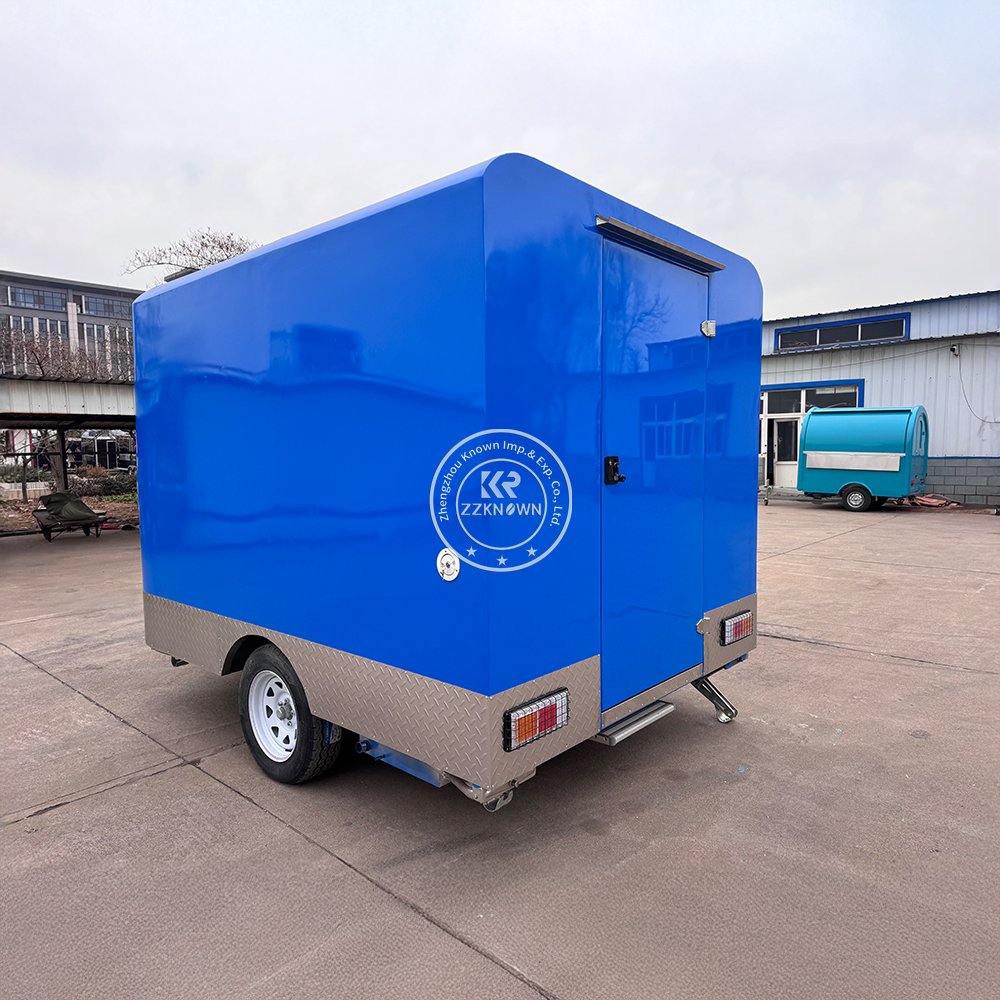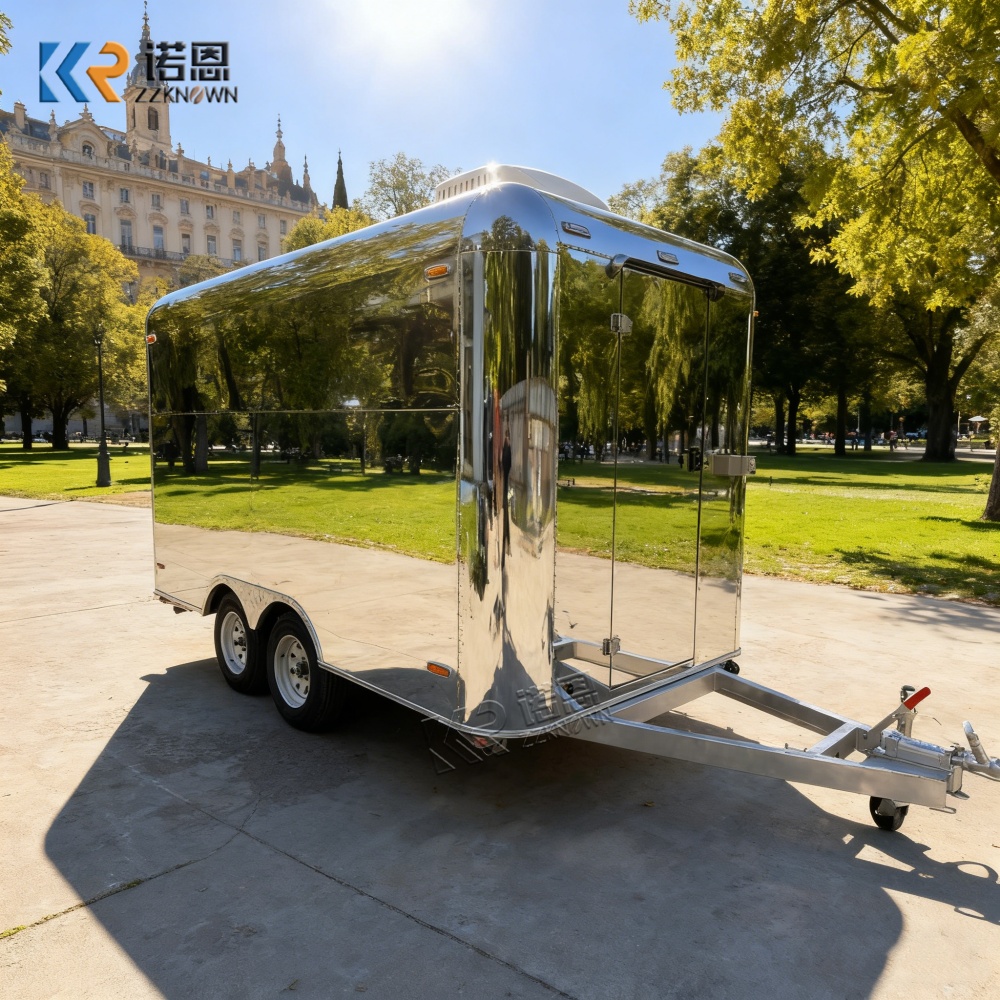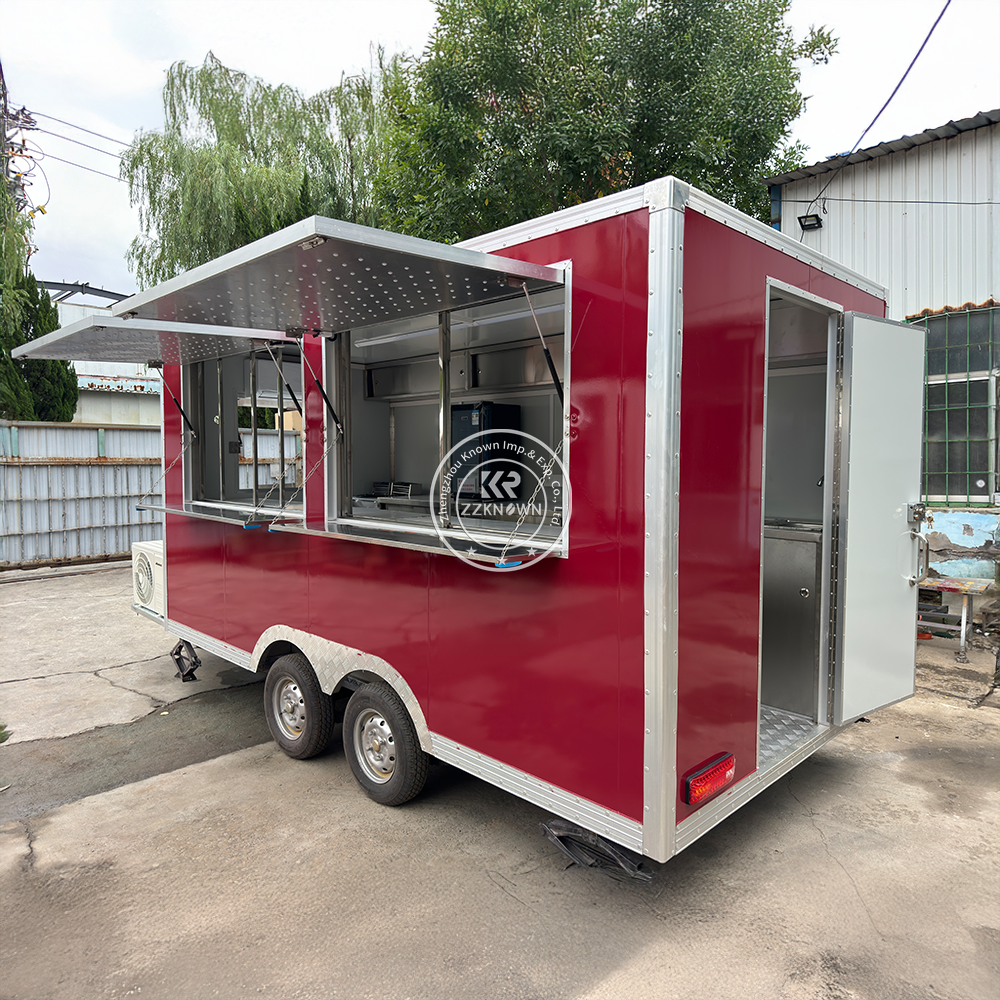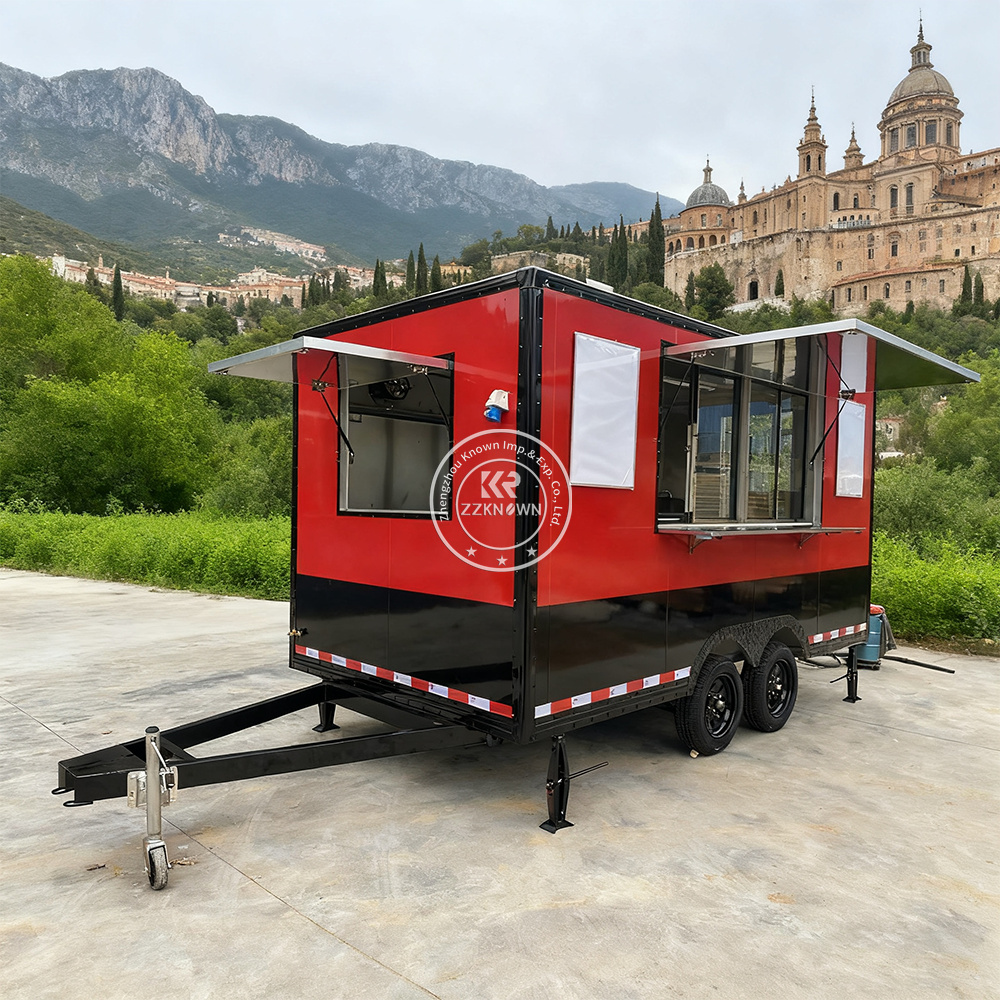
How Do You Build a Preventive Maintenance Program for a Food Trailer Fleet?
Direct answer: A food trailer fleet maintenance program gives every unit an identity, a repeatable inspection schedule, clear pass/fail limits, named responsibility, repair records and a process for removing unsafe equipment from service. Start with daily pre-opening and pre-trip checks, then add weekly cleaning, monthly systems inspections, manufacturer-specified service intervals and an annual professional review.
What are the key takeaways for a fleet operator?
- Use one standard inspection system across the fleet, but keep model-specific tasks for different axles, appliances, refrigeration and power systems.
- Separate roadworthiness, food safety and commercial-kitchen maintenance; one green check cannot replace the other two.
- Record defects when they are found, assign an owner and deadline, and define which findings immediately place a trailer out of service.
- Base technical intervals on the trailer, component and appliance manufacturers’ manuals—not on a generic internet calendar.
- Keep a small, standardized spare-parts inventory and measure downtime, repeat failures and maintenance cost per unit.
- Ask ZZKNOWN for a fleet-ready layout, unit numbering, component list and service-access plan before placing a multi-unit order.
Who is this guide for, and where does the data apply?
This guide is written for global buyers managing two or more food trailers: restaurant groups, franchise operators, rental fleets, event caterers, universities, resorts, municipal programs and mobile-food investors. The planning examples are suitable for mixed international fleets, but the official regulatory examples are from the United States and were checked on September 17, 2026. The U.S. FDA Food Code is a model code that jurisdictions may adopt or modify; the Federal Motor Carrier Safety Administration rules apply only when the vehicle and operation fall within their scope; OSHA duties depend on the workplace and employer. Buyers in Canada, the EU, UK, Australia, the Middle East and other regions should map the same maintenance logic to local road, workplace, food-safety, gas and fire rules.
The frequencies below are planning baselines, not legal promises. A high-mileage event fleet, coastal fleet or trailer that fries food every day may need more frequent service than a seasonal coffee unit. Always follow the shortest applicable interval from the competent authority, inspection certificate, component label or manufacturer’s manual.
Why does a fleet need a program instead of a longer checklist?
Picture a four-trailer operator on a Friday afternoon. Trailer 1 reports a weak water pump. Trailer 2 has a refrigerator door gasket that no longer seals. Trailer 3 is due at a festival in another city, but nobody can confirm the spare tire pressure. Trailer 4 has the only technician’s handwritten notes in its glove box. Each issue is manageable; the operational risk comes from not knowing who owns it, whether it was fixed and whether the same part is failing across the fleet.
According to ZZKNOWN’s production experience, multi-unit buyers gain the most consistency when they standardize the parts that are repeatedly touched: pumps, lights, sockets, cabinet latches, faucets, filters, tire specifications and access panels. A maintenance program turns those design decisions into daily operating discipline. It should answer five questions for every asset: What must be checked? Who checks it? How often? What counts as a failure? Where is the evidence?
What should be in the fleet asset register?
| Record field | Why it matters | Example evidence |
|---|---|---|
| Fleet ID and trailer VIN/serial number | Prevents work orders and parts from being assigned to the wrong unit | FT-05, chassis label photo, registration record |
| Model and build specification | Links the unit to the correct drawing, axle, electrical and plumbing configuration | ZZKNOWN model page, approved CAD, bill of materials |
| Installed equipment | Defines appliance manuals, filters, refrigerants, gas connections and service intervals | Model/serial list and installation photos |
| Critical dates | Shows inspections, extinguisher service, suppression service and permit renewal due dates | Certificates and calendar reminders |
| Usage | Lets the operator schedule by mileage, hours, days or events rather than the calendar alone | Odometer/tow log, generator hours, operating days |
| Defect and repair history | Reveals repeat failures, chronic leaks and high-cost units | Work orders, photos, parts and labor |
Assign a durable fleet number that can be seen outside and repeated inside the electrical panel, equipment register and digital folder. If trailers are rented to different operators, record custody dates and require a signed handover inspection. A clear asset register is the difference between “we serviced a trailer” and “we serviced the correct component on the correct trailer.”
What maintenance schedule works as a practical starting point?
| Frequency | Road and chassis | Kitchen and utilities | Records and decision |
|---|---|---|---|
| Before each trip | Hitch, coupler, safety chains, breakaway device, tires, wheel condition, lights, doors, windows, stabilizers and loose loads | Gas supply off and secured; fryer oil managed; appliances, tanks, cabinets and loose items restrained | Driver/operator signs pre-trip check; serious defect means no dispatch |
| Before opening / daily | Leveling, safe access, exterior damage and utility connection condition | Refrigeration temperature, water pump, sinks, leaks, electrical protection, hood function, fire equipment access and sanitation condition | Opening log plus corrective action for any failed item |
| Weekly | Tire wear visual, fastener/hinge check, jack lubrication where specified and body seal inspection | Deep-clean filters and drains as required, inspect gaskets, test water-system operation, clean condenser area according to manual | Supervisor reviews recurring defects and verifies closure |
| Monthly | Cold tire-pressure check, tread and sidewall inspection, spare tire, brake and bearing indicators, wiring and plug condition | Extinguisher visual inspection where applicable, GFCI/RCD functional test per manufacturer/local procedure, water-tank and hose inspection, hood and fan condition | Fleet dashboard updated; parts reorder and overdue work escalated |
| Quarterly / seasonal | Qualified chassis, brake, suspension, torque and corrosion review based on use and manual | HVAC, refrigeration, generator/battery, seals, roof penetrations and gas system reviewed by competent technicians as required | Trend report: downtime, repeat faults, cost and upcoming certificates |
| Annual / mandated interval | Required roadworthiness inspection and complete structural review for the destination | Professional fire-extinguisher/suppression service, appliance and electrical/gas service at required intervals | Management signs fleet plan for the next year and retains required records |
This table is a global planning template. It does not replace the component manual or a mandatory local inspection schedule. “Quarterly” is not a universal legal interval.
What should operators check before every trip?
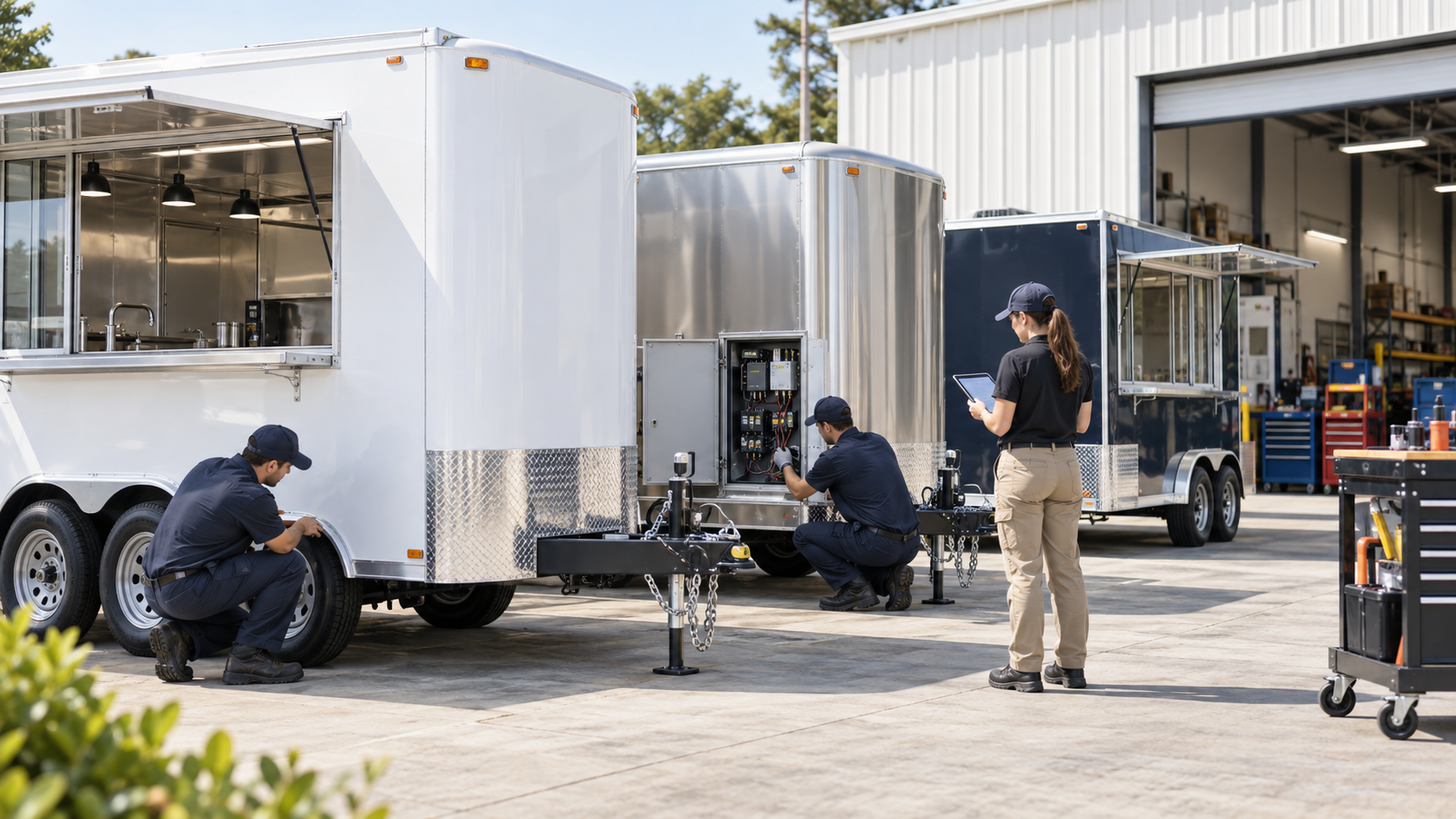
Start outside and walk in the same direction around every trailer. Confirm the coupler is fully engaged, safety chains are correctly connected, the breakaway cable is independent of the chains, the electrical plug is secure, stabilizer jacks are raised and doors, serving windows, awnings and steps are latched. Look for tire damage, unusual tread wear, missing wheel hardware, damaged lights or a change in ride height. Test road lights with the tow vehicle before departure.
Inside, turn the trailer from a kitchen back into a moving load. Shut down cooking equipment. Follow the appliance instructions for cooling, gas isolation and electrical isolation. Secure refrigerators, countertop appliances, utensils, tanks and stock. Deal with fryer oil through the operator’s approved transport procedure; a loose lid or hot oil does not become safe because the journey is short. Close cabinet positive latches and check that nothing can strike a water line, cable or serving window during braking.
What should staff verify before opening for service?
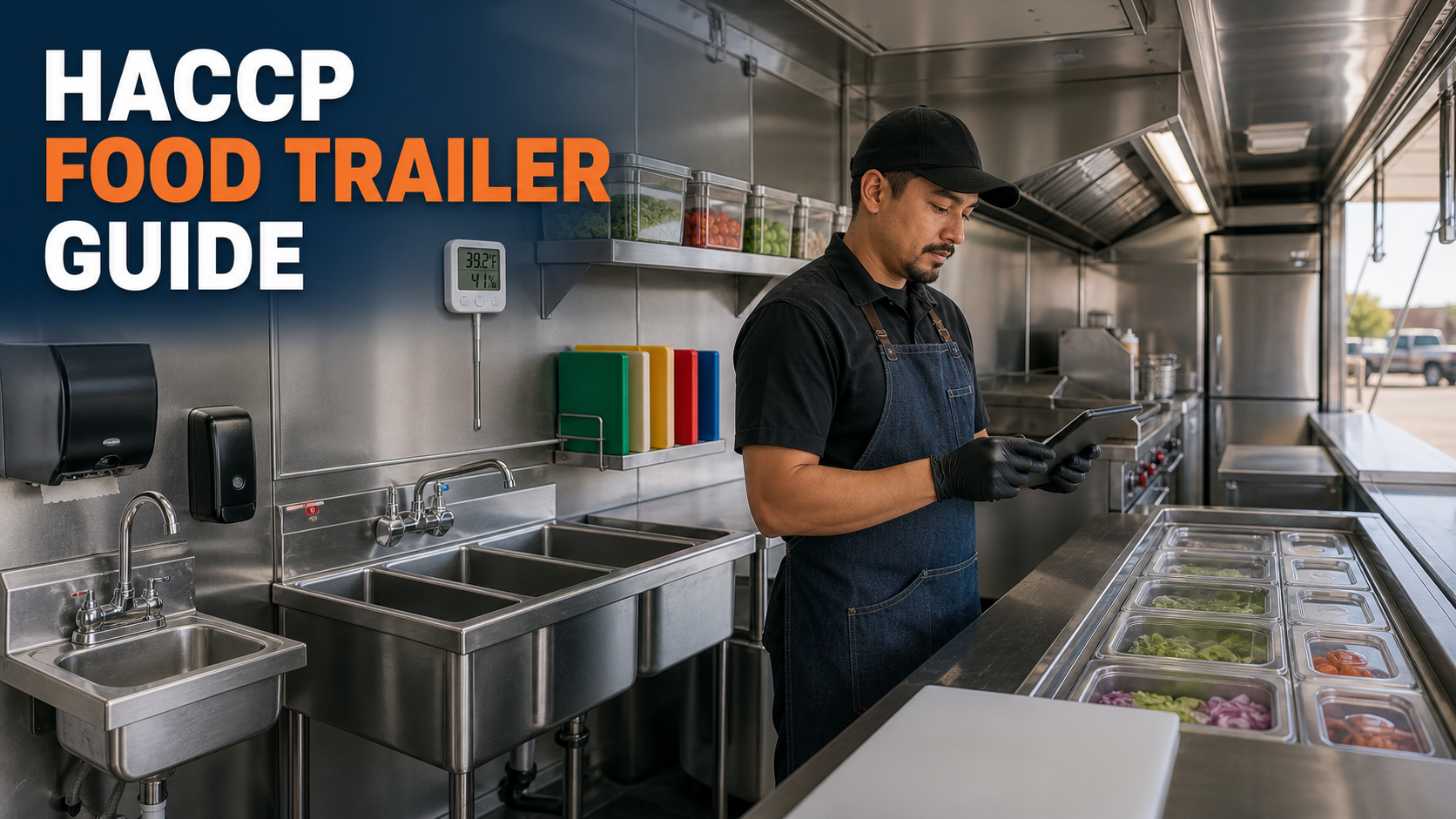
The opening inspection changes the question from “Can it travel?” to “Can it safely operate as a kitchen?” Confirm the trailer is level and stable, cables and hoses do not create a trip or vehicle hazard, potable water is available, wastewater capacity is sufficient and no connection leaks. Run the pump, faucets and water heater according to their manuals. Confirm the handwashing station is stocked and unobstructed. Check that refrigeration is at the required operating temperature before loading or selling temperature-controlled food.
Inspect power connections, distribution equipment and protective devices without opening energized enclosures unless the worker is authorized and qualified. Test only what the manufacturer and local procedure allow the operator to test. Verify the exhaust hood and required ventilation work before lighting cooking equipment. Keep extinguishers, emergency exits, manual pull stations and shutoffs visible and reachable. Record actual temperatures and defects; “looks fine” is not a useful fleet record.
How should weekly and monthly work differ?
What belongs in a weekly service block?
Choose tasks that need cleaning, close observation or light adjustment: removable hood filters, accessible drains, refrigerator door gaskets, cabinet latches, window tracks, hose connections, visible sealant joints and appliance restraints. Check whether a recurring leak or loose latch is appearing on several units.
What belongs in a monthly control check?
Use monthly reviews for items that require a recorded condition: cold tire pressure and tread, spare tire, plugs and cables, water tanks, pump cycling, battery terminals where applicable, extinguisher visual condition and due dates. Review the previous month’s incomplete work orders before the trailer is scheduled again.
NHTSA’s TireWise guidance tells drivers to check all tires, including the spare, at least monthly when cold and to use the vehicle manufacturer’s recommended pressure rather than the maximum printed on the tire. It also notes that tire-pressure monitoring systems do not replace manual monthly checks. Although a towable food trailer is not identical to a passenger vehicle, the principle is useful: the correct pressure and inspection method come from the trailer/tire documentation and load configuration.
Which food-safety maintenance items should be tracked separately?
Road maintenance records do not prove the kitchen is in good repair. The FDA Food Code is a U.S. model for retail food rules, not automatically the law in every jurisdiction. Its 2022 edition says equipment should be maintained in good repair and components such as doors, seals, hinges, fasteners and kick plates should remain intact, tight and adjusted to manufacturer specifications. It also calls for food temperature measuring devices to be calibrated as necessary and for ventilation ducts and filters to be maintained so they do not become contamination sources.
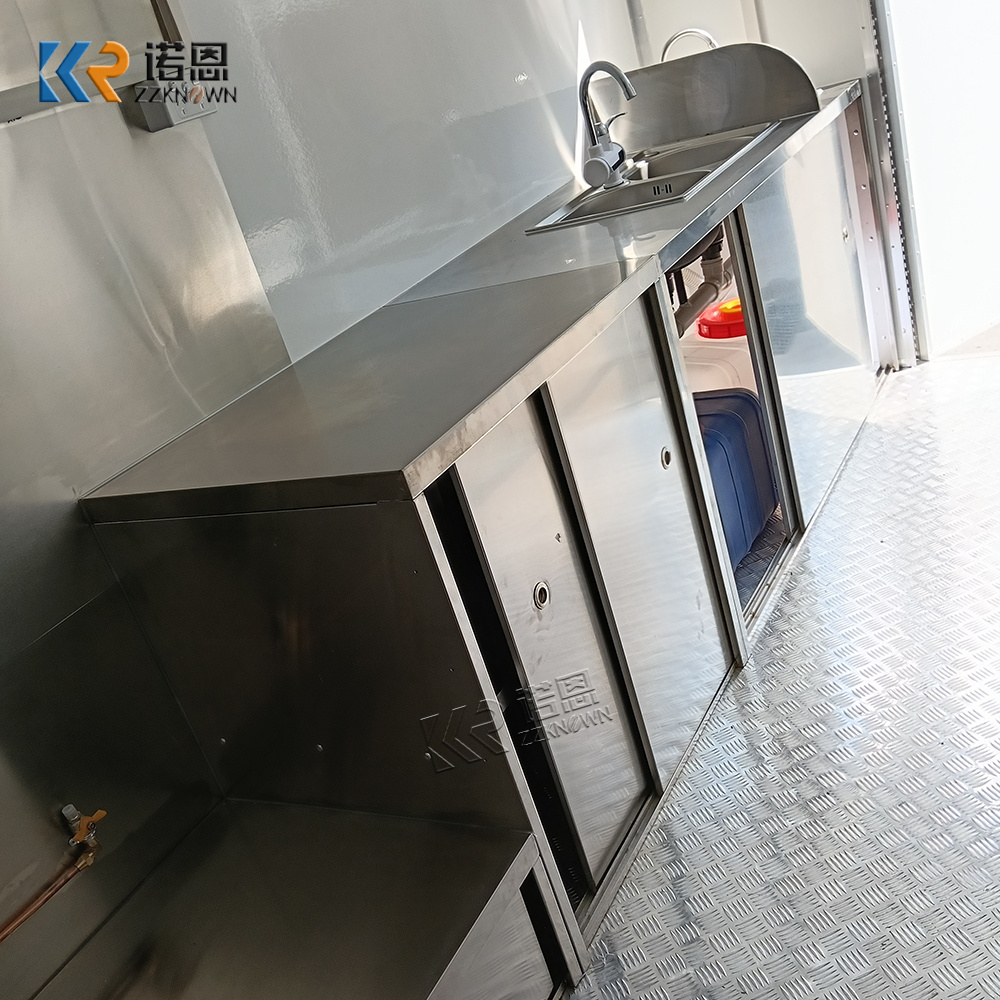
A fleet checklist should therefore track refrigerator and freezer performance, thermometer verification, damaged gaskets, cutting surfaces, sink and drain condition, potable-water protection, wastewater leaks, hood filters, pest entry points and cleanable interior finishes. Tie each item to a clear decision. A torn gasket may trigger replacement; an inaccurate thermometer may require calibration or disposal; a damaged food-contact surface may take the unit out of service until it can be effectively cleaned and sanitized again.
How should fire equipment and suppression systems enter the plan?
Do not let “fire system present” become a permanent tick box. Record the extinguisher type, position, seal/gauge condition where applicable, service tag and next service date. Record the hood suppression system manufacturer, protected appliances, nozzle arrangement, manual pull station and service provider. Any change to the cooking line can affect the reviewed protection; moving a fryer is not just a furniture decision.
For a U.S. workplace example, OSHA 29 CFR 1910.157 requires employers within its scope to be responsible for extinguisher inspection, maintenance and testing; it specifies monthly visual inspections and annual maintenance checks. This is not a universal worldwide timetable and does not substitute for fire-code or suppression-system requirements. The fleet manager should use the applicable fire authority, service company and manufacturer instructions for each destination.
How do standardized spare parts reduce downtime?
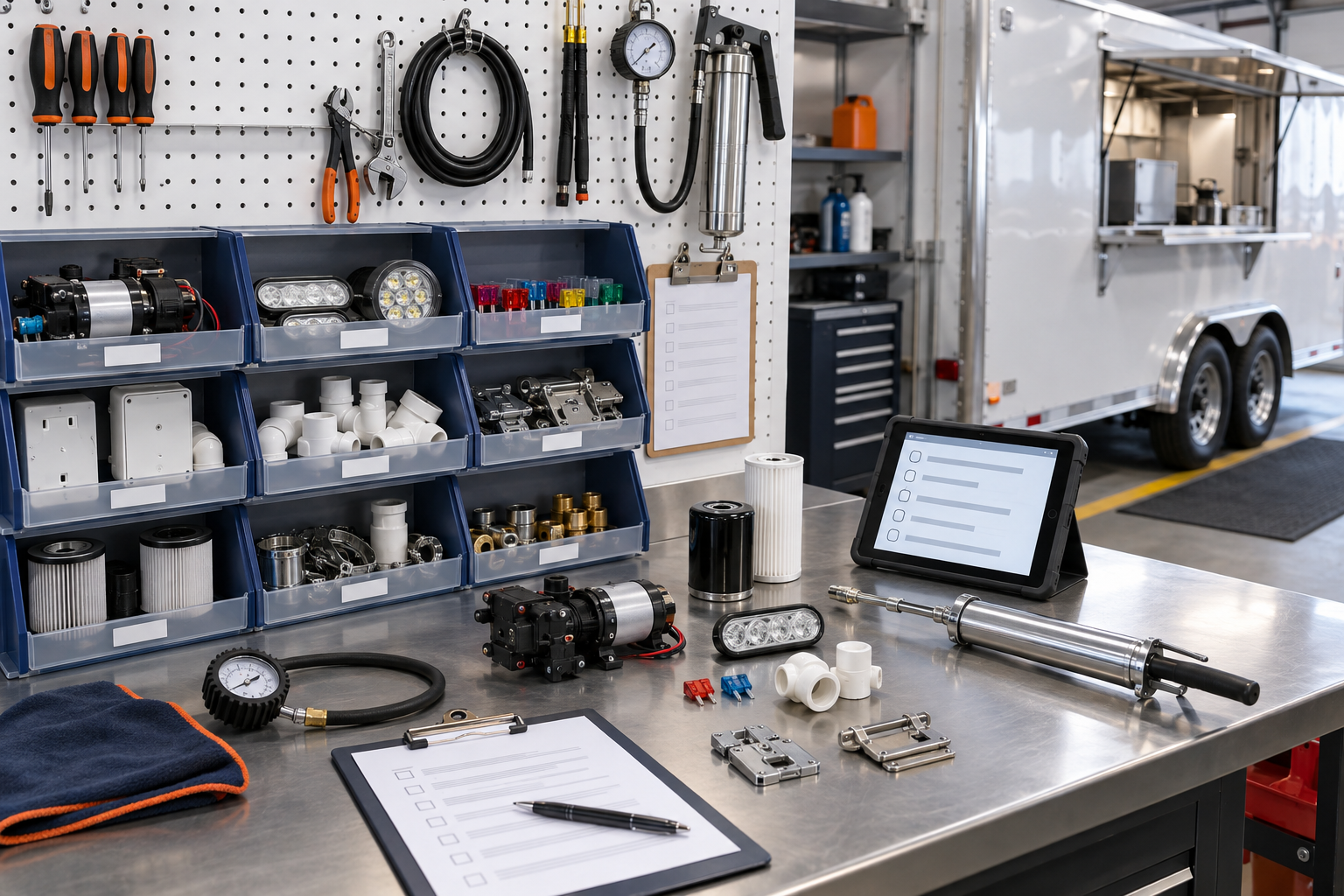
A useful spare-parts shelf is not the biggest shelf. It contains the few parts that fail, wear or disappear often enough to stop an otherwise usable trailer. Depending on the specification, that may include matched fuses or breakers, approved lamps, water-pump components, faucet cartridges, hose fittings, cabinet latches, door seals, hood filters, electrical connectors and documented fasteners. Critical gas, fire, brake and mains-electrical parts should be selected and installed only by competent people under the applicable approval rules.
Give each part a controlled number and connect it to the compatible trailer models. Set a minimum stock level and a reorder point. Keep removed parts out of new-stock bins. Record which failure consumed the part; otherwise a fleet can repeatedly replace the symptom while missing a wiring, vibration or installation cause.
How much inventory should a fleet carry?
Use consequence and lead time, not guesswork. A low-cost pump used across ten trailers may deserve two shelf spares if it can stop service and takes weeks to import. A costly appliance that a local technician can repair tomorrow may not. A simple planning score can multiply probability of failure, downtime impact and replenishment time. Use that score to classify parts as critical, routine or order-on-demand.
What records should prove that maintenance actually happened?
Each work order should identify the trailer, date, usage reading, reported symptom, inspection finding, action, parts, technician, evidence and release decision. Attach before/after photos when they help. Do not allow a closed work order to say only “fixed.” The next technician needs to know whether a connector was tightened, a pump was replaced or a leak could not be reproduced.
For U.S. motor carriers within scope, FMCSA’s summary of 49 CFR Part 396 illustrates the value of a systematic program and per-vehicle records that identify the vehicle and show the nature and due date of maintenance operations. A local fleet may not fall under this exact rule, but the record structure is sensible: asset identity, work due, work performed and proof of correction.
Which fleet metrics are worth watching?
| Metric | Simple calculation | What it may reveal |
|---|---|---|
| Preventive-maintenance completion | Completed on-time tasks ÷ scheduled tasks | Whether the program is being followed |
| Unplanned downtime | Unavailable operating hours per trailer | Reliability and revenue exposure |
| Repeat-failure rate | Same fault returning within your review window ÷ repairs | Weak root-cause analysis or unsuitable parts |
| Maintenance cost per unit | Parts + labor + external service by fleet ID | High-cost assets and replacement candidates |
| Road-call or event failure rate | Failures away from base ÷ trips or events | Effectiveness of pre-trip checks |
| Inspection defect closure time | Average time from finding to verified close | Parts, staffing or approval bottlenecks |
Do not compare units without context. A trailer working six festivals a week should not be judged against a seasonal unit using raw repair totals. Normalize by operating days, trips, miles/kilometers, generator hours or events—whichever exposure best explains wear.
How do real ZZKNOWN models affect fleet planning?
| Published model | Verified published configuration | Fleet-maintenance implication |
|---|---|---|
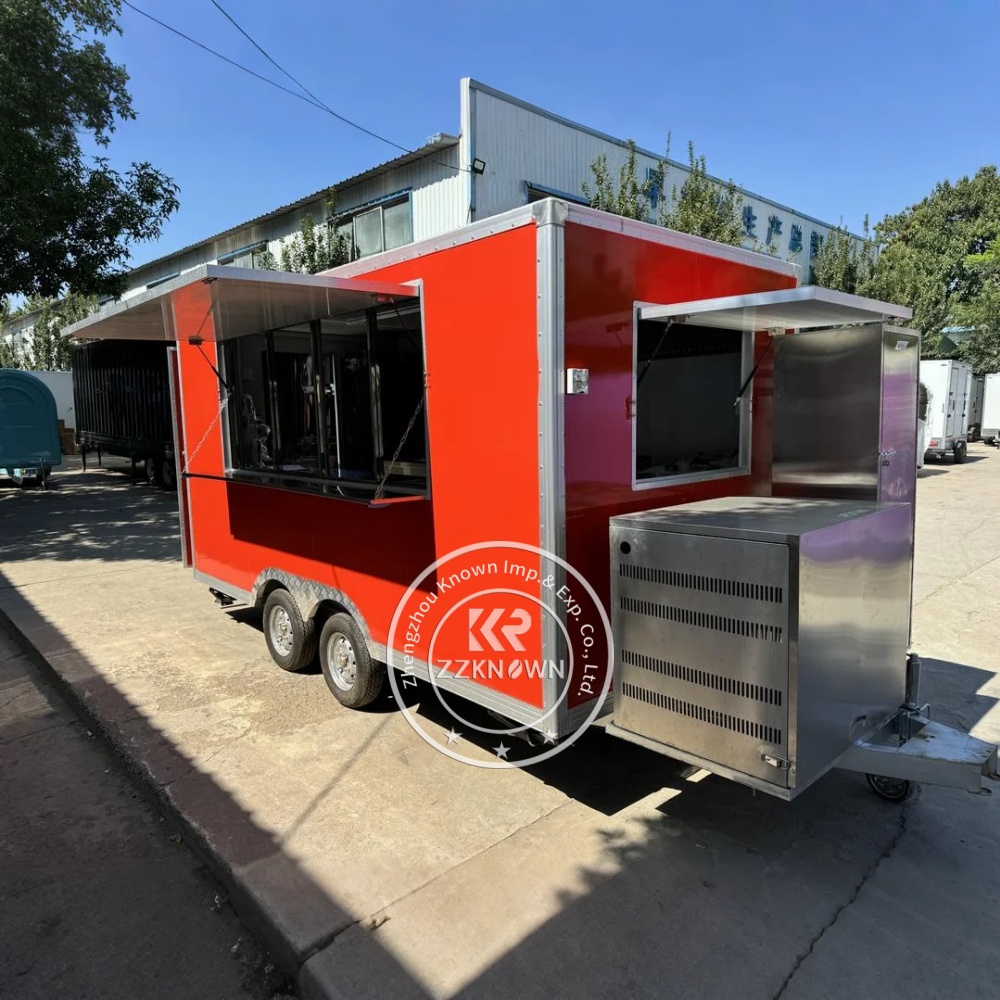
| KN-FS500 square food trailer | 5 m × 2 m × 2.3 m; published 1,400 kg; double-axle range | Record axle/tire specification, brake service data, water pump, electrical distribution and installed appliance list for each unit |
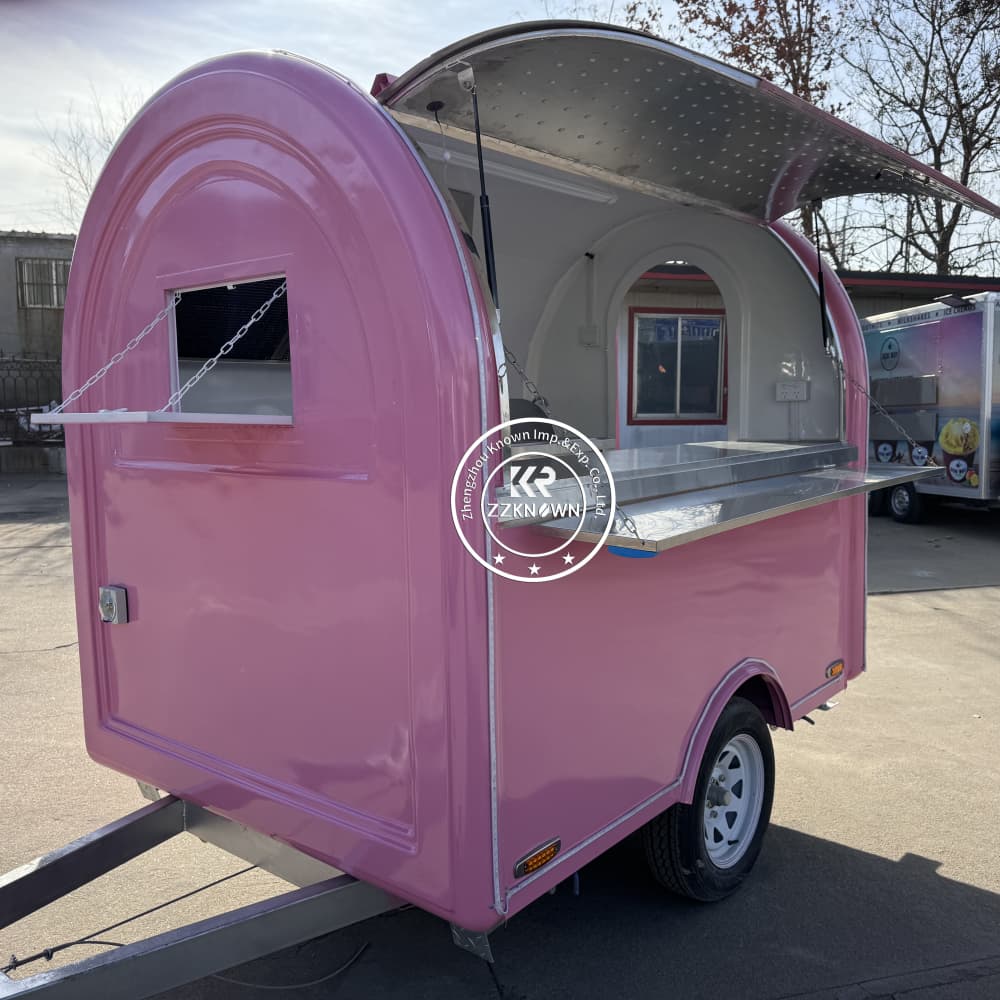
| KN-CFB400 curved dessert trailer | 4,000 × 2,000 × 2,300 mm; double axle, brakes and stabilizer jacks; EU 220/380 V dual circuits in the published example | Maintain the exact destination-specific electrical diagram, plug/circuit schedule, chassis parts and window hardware |
| KN-FR220S round-roof trailer | 2.2 m × 1.6 m × 2.3 m; published 500 kg base model with optional equipment | A compact unit may have fewer systems, but access is tighter; component location and service-clearance photos become valuable |
These are real published ZZKNOWN product models, not a claim that they form one customer’s fleet. A multi-unit order should be frozen against a signed configuration: the same model name can still have different appliances, voltage, sockets, tanks or locally sourced components. Fleet standardization means documenting intentional differences as carefully as common parts.
What should an engineer review before a multi-unit order?
The engineering handover should include the approved layout, equipment schedule, weight and load information available for the unit, electrical and plumbing diagrams, component manuals, service access points and a destination-specific compliance document list. A factory handover is the start of the operator’s maintenance file; it is not a lifetime certification or a replacement for local inspection.
How should a fleet handle a defect from report to return-to-service?
- Make the condition safe. Stop operation or dispatch when the defect could affect road, fire, electrical, gas, food or worker safety.
- Identify the asset and symptom. Record fleet ID, time, use conditions and photos.
- Classify the risk. Use company limits and competent technical judgment—not the event schedule—to decide whether the trailer is available.
- Diagnose the cause. Check manuals, diagrams and fault history before replacing parts.
- Complete and document the repair. Record parts, labor, settings and service provider.
- Verify the function. A different competent person should verify critical repairs when policy or regulation requires it.
- Release the unit. Close the work order only after the acceptance criteria are met.
- Check the fleet. If the same design, batch or use exists elsewhere, inspect sister units.
How did we build this maintenance framework?
We grouped food-trailer failure exposure into three systems: towable vehicle, workplace/commercial kitchen and retail food establishment. We then organized typical tasks by operating event (trip and opening) and calendar interval (weekly through annual). We checked official U.S. sources from NHTSA, FDA, OSHA and FMCSA for the principles cited above, and checked the real model names and dimensions against current ZZKNOWN product pages on September 17, 2026. The schedule is qualitative guidance; we did not collect failure-rate, labor-cost or downtime data from a named customer fleet, so we do not present invented savings percentages, service-life promises or “proven” ROI.
What do fleet buyers usually ask?
Can every trailer use exactly the same checklist?
Use a common core for fleet identity, pre-trip, sanitation and records, then add model-specific sections. A coffee trailer without LPG should not inherit irrelevant gas tasks, while a fryer trailer needs cooking-oil, hood and suppression checks that a dry retail unit does not.
Should maintenance be based on time, mileage or operating hours?
Often all three. Chassis and tires relate to travel and time; generators relate to operating hours; seals and tanks age with climate and calendar time; kitchen equipment relates to operating cycles. Follow the manual and choose the trigger that reaches the limit first.
Who should be allowed to close a critical defect?
Your policy should name the required competence. Operators can close simple stocking or cleaning tasks. Brake, gas, fire-suppression, refrigeration and mains-electrical repairs may require qualified or licensed technicians and local inspection.
How long should maintenance records be kept?
Use the longest period required by the applicable road, food, workplace, fire, insurance, warranty and tax rules. If no rule specifies it, choose a documented company retention period that supports trend analysis and asset resale.
What spare parts should come with a multi-trailer order?
Ask for a model-specific recommended list based on common components and destination lead times. Confirm compatibility and approval before ordering; a generic fuse, pump or fitting is not automatically a correct substitute.
Can preventive maintenance guarantee zero downtime?
No. It reduces avoidable failures and makes recovery more organized, but damage, misuse and unexpected component failures still occur. A realistic program includes contingency units, supplier contacts and an out-of-service process.
Should rental customers perform inspections?
Yes, at handover and return, with a clear division between renter checks and owner maintenance. Use photos, meter readings and signed defect reports. The fleet owner should verify safety-critical work rather than relying only on a renter’s statement.
Can ZZKNOWN maintain trailers in every destination country?
Do not assume that. Ask what remote technical documents, parts identification and after-sales coordination are available for the specific order, and separately identify competent local service providers for regulated work.
Which related ZZKNOWN pages should a fleet buyer read next?
- Food Trailer Maintenance Guide
- Global Food Trailer Certification Guide
- High-Efficiency Food Trailer Workflow Guide
- Battery vs Generator Guide
- Explore current ZZKNOWN trailer models
- Download trailer catalogs and configuration resources
Which official sources support the maintenance principles?
- NHTSA TireWise: tire maintenance, pressure and tire-aging guidance.
- U.S. FDA Food Code 2022, including equipment good-repair and maintenance provisions; adoption varies by jurisdiction.
- OSHA 29 CFR 1910.157: portable fire extinguishers, for workplaces within its scope.
- FMCSA Part 396 inspection, repair and maintenance summary, for operations within applicable federal scope.
Would you like a fleet-ready trailer layout and maintenance handover?
Send ZZKNOWN your fleet size, destination, menu, route or event schedule, tow vehicle, equipment list, voltage, gas system and preferred standardized parts. Ask for a model-by-model layout review, utility drawings, component schedule and suggested spare-parts package for local technical review.
Request a Fleet Maintenance & Layout PlanCompare Real ZZKNOWN Trailer Models
Editorial note: This guide is educational and does not replace manufacturer instructions, qualified inspection, professional maintenance, vehicle law, food regulation, fire-code service, workplace requirements, warranty terms or insurance conditions. Confirm the final program with the authorities and competent service providers for every operating location.